
Table of Contents >> Show >> Hide
- Why Orange Trees Are So Popular
- Choosing the Right Place to Grow an Orange Tree
- How to Plant an Orange Tree
- Watering Orange Trees Without Overdoing It
- Fertilizing Orange Trees for Healthy Growth and Fruit
- Pruning Orange Trees the Smart Way
- Growing Orange Trees in Containers
- Protecting Orange Trees From Cold
- Common Orange Tree Pests and Diseases
- How Long Until You Get Oranges?
- Troubleshooting Common Orange Tree Problems
- Experience and Practical Lessons From Growing Orange Trees
- Final Thoughts
- SEO Tags
Growing orange trees is one of those gardening goals that sounds wildly glamorous. You picture glossy green leaves, white blossoms that smell like a fancy candle, and sunlit fruit hanging like little trophies. Then real life arrives with heat, watering schedules, surprise cold snaps, and a tree that suddenly looks offended because you moved its pot three feet to the left. Welcome to citrus growing.
The good news is that orange trees are absolutely worth the effort. With the right location, smart watering, careful feeding, and a light touch on pruning, an orange tree can become one of the most beautiful and productive plants in your yard or patio garden. It offers fragrance, color, shade, and fruit all in one package. That is basically the gardening version of an overachiever.
This guide breaks down exactly how to grow and care for orange trees, whether you want to plant one in the ground in a warm climate or raise a smaller tree in a container where winters are less forgiving. You will learn how to choose the right site, plant properly, water without drowning the roots, fertilize without turning the tree into a leafy drama queen, and protect it from pests, disease, and cold weather.
Why Orange Trees Are So Popular
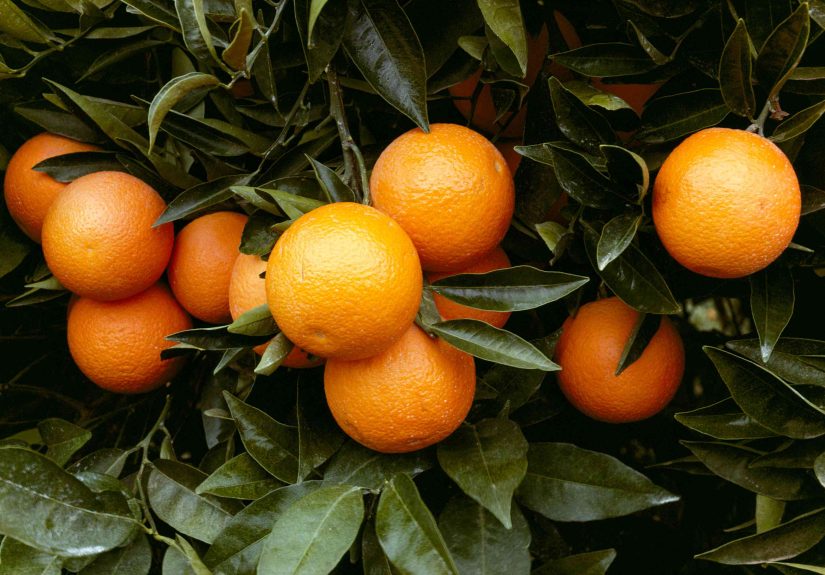
Orange trees are more than fruit producers. They are evergreen landscape plants with glossy foliage, fragrant spring flowers, and colorful fruit that can hang on the tree for months. Even when they are not fruiting, they still look like they have their life together.
For home gardeners, that combination matters. A good orange tree can pull double duty as an edible crop and a handsome ornamental. It works in backyard orchards, front-yard edible landscapes, courtyards, and large patio containers. If you live in a region with hot summers and mild winters, orange trees can be a long-term anchor plant. If you do not, a dwarf type in a pot can still let you join the citrus club.
Choosing the Right Place to Grow an Orange Tree
Give It Full Sun
If orange trees had a dating profile, “full sun” would be listed under non-negotiables. They perform best when they receive plenty of direct light. More sun generally means stronger growth, better flowering, and sweeter fruit. Shady orange trees are like sleepy interns: technically present, but not giving top performance.
Prioritize Drainage
Orange trees do not like soggy roots. Well-drained soil is essential. Loam or sandy loam is excellent, but many soils can work if drainage is good. If your yard tends to stay wet after rain, plant on a mound or in a raised bed. Citrus roots need moisture, but they do not want to sit in water like they are at a spa they never booked.
Avoid Frost Pockets
Cold air settles into low spots, so avoid planting in depressions where frost lingers. If possible, place the tree near a south-facing wall or other structure that can radiate warmth during cold weather. A protected microclimate can make a surprising difference when temperatures drop.
Keep It Out of the Lawn
Orange trees and turf grass are not ideal roommates. Lawns often compete for nutrients and make irrigation harder to manage. Grass also encourages people to water on a schedule that may be wrong for citrus. Give your orange tree its own space, preferably with mulch around the root zone and no grass crowding the trunk.
How to Plant an Orange Tree
Pick a Healthy Young Tree
When buying an orange tree, look for a healthy, vigorous plant from a reputable nursery. A younger tree is often a better choice than an older one that has spent too long in a pot and become root-bound. You want a tree with healthy leaves, no obvious pest problems, and a good structure.
Plant at the Right Depth
One of the biggest citrus mistakes is planting too deep. The top roots should sit at or slightly above soil level. Do not pile soil or mulch against the trunk. That invites problems such as rot and poor overall tree health. In other words, do not bury the tree like a treasure chest. It hates that.
Use Native Soil
Backfill with the soil you removed rather than creating a dramatically different planting pocket. This encourages roots to move out into the surrounding soil. Water thoroughly after planting to settle the soil and remove air pockets.
Mulch the Right Way
Add mulch over the root zone to help conserve soil moisture and reduce weed competition, but keep the mulch a few inches away from the trunk. Think donut, not volcano. Mulch volcanoes are a menace, and orange trees would like that formally noted.
Watering Orange Trees Without Overdoing It
Watering is the part of orange tree care that confuses people most. Some gardeners underwater until the leaves curl. Others water so much the roots begin filing complaints. The goal is consistent moisture with good drainage.
Newly Planted Trees Need More Attention
Young orange trees need frequent watering while they establish. During the first season, check the soil often and water when the upper layer begins to dry. In hot, dry periods, this may mean watering several times per week. The key is not letting the tree wilt while it is trying to settle in.
Mature Trees Need Deep Watering
Older trees benefit from deep irrigation that wets the soil thoroughly across the root zone. Shallow, frequent sprinkles train roots to stay near the surface, which is not helpful in heat. Aim to wet the soil deeply and then allow the top layer to dry somewhat before watering again.
Watch the Leaves
Leaf curl and dull-looking foliage can signal water stress. Fruit drop and flower drop can also happen when watering is inconsistent. Overwatering, however, can lead to leaf drop too. Citrus has a way of making gardeners second-guess themselves, so always check the soil before reaching for the hose.
Fertilizing Orange Trees for Healthy Growth and Fruit
Orange trees are fairly hungry plants, especially when they are actively growing and producing fruit. They respond well to a fertilizer program, but timing matters.
Feed During Active Growth
For young trees, use light, regular applications during the growing season. For established trees, a citrus fertilizer or a balanced fertilizer with micronutrients can work well, depending on your soil and region. Nitrogen is especially important for leafy growth and overall vigor.
Do Not Fertilize Too Late
Late-season fertilizing can push tender new growth that is more vulnerable to cold damage and may even reduce fruit quality. In many climates, the smartest move is to stop feeding by early fall. Your goal is steady growth, not a dramatic last-minute leaf party before winter.
Keep Fertilizer Away From the Trunk
Spread fertilizer evenly under the canopy and out toward the drip line, then water it in. Do not mound fertilizer against the trunk. That is not plant food. That is plant harassment.
Pay Attention to Leaf Color
Yellowing leaves may indicate nutrient issues, especially nitrogen or micronutrient deficiencies, but cold soil, poor drainage, and pH problems can also affect uptake. If your tree keeps looking pale despite feeding, a soil test is a smarter move than blindly tossing more fertilizer at it.
Pruning Orange Trees the Smart Way
Orange trees are not like peaches or apples that need aggressive annual pruning. Citrus generally needs a lighter approach. Overpruning can reduce fruit production and encourage excessive vertical shoots.
What to Remove
- Dead, damaged, or diseased wood
- Crossing or tangled branches
- Suckers growing from below the graft union
- Water sprouts that are badly placed or overly vigorous
When to Prune
In general, prune lightly after the danger of frost has passed or after fruit ripens, depending on your climate and local guidance. If frost damage occurs, wait until new growth appears before removing injured wood. What looks dead right away is not always truly dead, and a premature haircut can remove living tissue.
Growing Orange Trees in Containers
If you live outside a citrus-friendly climate, container growing is your best option. A dwarf orange tree can be moved indoors or to shelter when temperatures fall. That flexibility is a major advantage.
Choose the Right Pot and Mix
Use a container with excellent drainage and a potting mix designed for citrus, cactus, or other plants that prefer sharp drainage. A heavy garden soil in a pot is a recipe for trouble. Repot when needed, but avoid excessive root disturbance.
Indoor Light Matters
When brought indoors, orange trees need as much light as you can give them. A sunny south-facing window is ideal. If natural light is limited, supplemental grow lights can help. Without enough light, the tree may sulk, drop leaves, or simply stop pretending it is interested in fruit production.
Adjust for Indoor Conditions
Indoor air is often dry, especially in winter. Keep leaves clean, watch for spider mites and scale, and do not overwater. Many potted citrus plants lose some fruit or leaves during seasonal transitions, so do not panic at the first dramatic gesture.
Pollination for Indoor Trees
Many dwarf citrus types are self-fertile, but indoor flowering plants may need a little help since they lack outdoor pollinators. A small paintbrush or gentle hand-pollination can improve fruit set. Yes, this does make you part gardener, part bee.
Protecting Orange Trees From Cold
Orange trees are not champions of hard freezes. In regions with winter cold, protection is essential. Young trees are especially vulnerable, and the graft union must be protected because damage there can ruin the desired variety.
Cold Protection Tips
- Cover trees with sheets, burlap, or frost cloth during cold events
- Avoid plastic touching the foliage during freezes
- Bring container trees indoors or into shelter before hard cold arrives
- Use protected planting sites near structures when possible
- Wait to assess freeze damage before pruning
If you garden where winter can turn rude with little warning, a movable tree in a container may be the safer long-term strategy.
Common Orange Tree Pests and Diseases
Everyday Pest Problems
Orange trees can attract scale, whiteflies, mites, aphids, and mealybugs. Trees under drought stress or nutrient stress are often more vulnerable, so good basic care is your first line of defense. Healthy trees handle trouble better than weak ones.
Citrus Greening Is Serious
One of the most important citrus diseases to know is citrus greening, also called HLB. It is spread by the Asian citrus psyllid and has no cure. Infected trees may develop blotchy leaves, misshapen bitter fruit, twig dieback, and decline over time. If you suspect it, follow local reporting guidance immediately.
Buy Smart and Move Citrus Carefully
Always buy orange trees from reputable, licensed nurseries. Also, do not move homegrown citrus plants or fruit out of regulated areas. Quarantines exist for a reason, and moving plant material can spread devastating diseases. This is one of those gardening rules that is both annoying and absolutely correct.
How Long Until You Get Oranges?
This depends on the age of the tree, the variety, the rootstock, and growing conditions. A healthy grafted tree usually fruits sooner than a tree grown from seed. Container trees may produce, but they are often a little slower and more sensitive to stress. Also, oranges do not ripen overnight. Citrus teaches patience whether you volunteered for that lesson or not.
Troubleshooting Common Orange Tree Problems
Leaves Are Yellow
Possible causes include nitrogen deficiency, micronutrient deficiency, poor drainage, cold soil, incorrect pH, or root stress. Look at the whole picture before deciding on a fix.
Flowers Drop Off
Sudden temperature swings, dry soil, overwatering, weak light, or natural thinning can all cause flower or fruit drop.
No Fruit
The tree may be too young, underlit, stressed, or not pollinated well if grown indoors. Some trees also set more fruit one year than the next.
Fruit Is Small
Irregular watering, nutrient problems, heavy crop load, and poor light can all reduce fruit size.
Experience and Practical Lessons From Growing Orange Trees
One of the most useful lessons gardeners learn with orange trees is that success rarely comes from doing one heroic thing. It comes from doing several small things consistently. The healthiest orange trees are usually not babied every hour, but they are observed regularly. A gardener notices when the leaves lose their shine, when the soil stays wet too long, when new growth appears pale, or when a branch starts crossing awkwardly through the canopy like it is trying to pick a fight.
Many home growers also discover that orange trees respond best to restraint. New gardeners often want to prune heavily, feed aggressively, and water on a strict schedule because it feels productive. Citrus tends to reward a calmer approach. Light pruning is often better than dramatic shaping. Deep watering is better than constant sprinkling. Measured feeding is better than dumping fertilizer whenever the leaves look slightly less than thrilled. Orange trees seem to prefer confident, boring competence over gardening theatrics.
Container growers often have the most memorable experiences because potted orange trees make every season feel interactive. In spring, there is the joy of moving the tree outdoors and catching that first wave of fragrant blossoms. In summer, the tree suddenly drinks like it has a gym membership. In fall, you begin watching the forecast like a meteorologist with trust issues. In winter, the tree sits near a bright window while you rotate it, wipe dusty leaves, and wonder whether you are now officially the staff for one highly aromatic diva.
Gardeners in warm climates often talk about how orange trees become part of the rhythm of home life. You notice the bloom scent before you notice the flowers. You watch tiny fruit form and then drop some naturally. You learn that a tree near a wall may come through a cold snap better than one planted out in the open. You realize that mulch helps, grass competes, and soggy soil causes trouble faster than most beginners expect. Over time, the tree teaches site selection, patience, and attention better than many gardening books do.
There is also a practical emotional side to growing orange trees. They are productive, yes, but they are also deeply atmospheric plants. A healthy tree changes the feeling of a patio or backyard. It smells good, looks polished, and makes the space feel more alive. Even before you harvest a single orange, the tree earns its place. And when you finally do pick fruit that you grew yourself, the satisfaction is ridiculous in the best possible way. Store-bought oranges may still be fine, but they no longer carry the same bragging rights.
The biggest experience-based takeaway is simple: orange trees do best when gardeners learn their environment rather than forcing a generic routine. Heat, soil type, rainfall, wind exposure, and winter temperatures all matter. What works beautifully in coastal California may need adjustment in Florida, Texas, Arizona, or a patio in the Midwest. The best growers are the ones who combine basic citrus rules with close observation. Once you do that, orange tree care becomes much less mysterious and much more enjoyable.
Final Thoughts
Learning how to grow and care for orange trees is really about understanding a few key principles. Give the tree full sun, well-drained soil, steady moisture, sensible fertilizer, minimal pruning, and protection from serious cold. Stay alert for pests and disease, buy clean nursery stock, and avoid moving citrus from regulated areas. Do those things well, and your orange tree can reward you with fragrant flowers, attractive evergreen foliage, and fruit that tastes even better because you had a hand in growing it.
In other words, orange trees are not impossible. They are just specific. And honestly, so are most things worth growing.







 Close
Close