
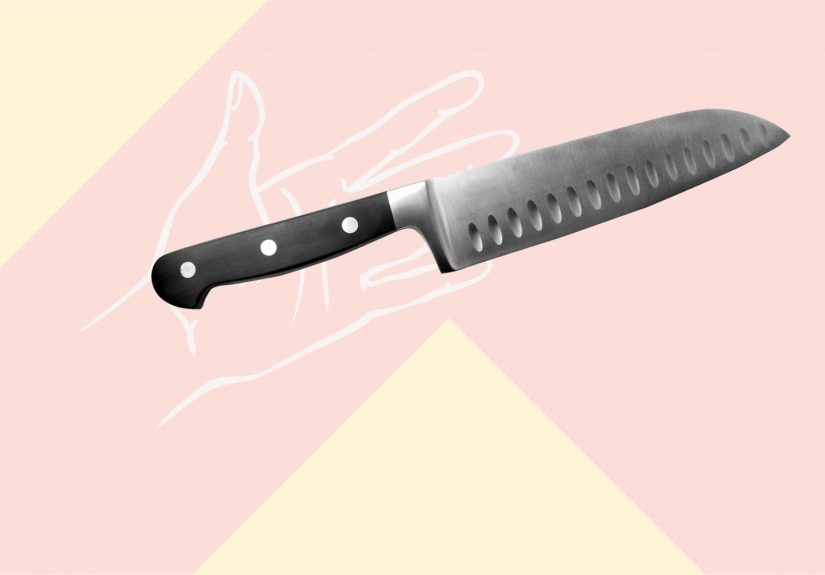
Table of Contents >> Show >> Hide
- Why Proper Knife Grip Matters
- Know Your Knife: The Key Parts That Affect Your Grip
- The Gold Standard: The Pinch Grip
- The Handle Grip: When Simple is Enough
- Your Guiding Hand: The “Claw” Technique
- Putting It Together: Simple Cutting Sequence
- Essential Knife Safety Habits
- Adjusting Your Grip for Different Kitchen Tasks
- Practice Drills to Build Confidence
- Real-World Experiences & Pro Tips: What Actually Helps You Learn Faster
- Conclusion
If your onions look like they were attacked by a lawnmower and your cutting board
makes more noise than a construction site, we need to talk about how you’re holding
your knife. A proper knife grip isn’t just for professional chefs on TVit’s the
simple, practical foundation of safer, faster, and cleaner cooking at home.
This guide walks you through how to hold a kitchen knife (especially a chef’s knife)
with clear, step-by-step instructions, real-world tips, and confidence-boosting
techniques based on professional culinary training and food-safety best practices.
No fluff, no weird tricksjust solid technique you can start using today.
Why Proper Knife Grip Matters
Before we grab the blade (calm down, we’re doing it safely), let’s get one thing
straight: how you hold your knife changes everything.
- Safety first: A correct grip keeps the knife stable, reduces slipping, and helps
prevent accidental cuts. - Control and precision: You’ll slice in straight, even lines instead of forcing
the blade through food. - Less fatigue: A stable, efficient grip saves your wrist, fingers, and shoulder.
- Speed that feels natural: Once the grip becomes habit, you’ll move faster without
feeling rushed or reckless.
We’re talking about everyday kitchen use onlychopping vegetables, slicing meat,
mincing herbsnot using knives in any harmful or unsafe way.
Know Your Knife: The Key Parts That Affect Your Grip
You don’t need to memorize a full anatomy chart, but understanding a few parts helps
your grip make sense:
- Handle: Where your last three fingers wrap and support your hand.
- Blade: The sharp cutting surface. The area near the handle is your power zone.
- Spine: The top, dull edge of the bladehelps anchor your thumb or finger.
- Bolster (if present): The thick junction between blade and handle; a reference
point for hand placement. - Heel: Back portion of the blade, great for cutting firm foods.
- Tip: Front part used for delicate work and control.
For this tutorial, we’ll assume a standard 8-inch chef’s knife, since it’s the most
versatile everyday option.
The Gold Standard: The Pinch Grip
The pinch grip is the most recommended way to hold a chef’s knife. It gives you
maximum control with minimum effort.
Step-by-Step: How to Use the Pinch Grip
- Place the knife on the board. Make sure the blade is facing away from you.
- Pinch the blade, not just the handle. Slide your hand forward so your thumb is
on one side of the blade and your index finger is on the other side, right where
the blade meets the handle. Your fingers should rest on the flat of the blade,
not on the sharp edge. - Wrap your remaining fingers. Curl your middle, ring, and pinky fingers comfortably
around the handle. They should hug the handle, not splay out. - Keep your wrist neutral. Your wrist should feel straight and relaxed, not bent
upward or twisted to the side. - Test the control. Gently move the tip up and downnotice how stable it feels.
That’s the point of the pinch grip.
Common Mistakes with the Pinch Grip
- Choking too far back on the handle: You lose leverage and control.
- Index finger on the spine: Looks “pro,” feels unstable, strains your finger,
and reduces precision. - Gripping too tight: White knuckles = bad. Aim for firm but relaxed.
The Handle Grip: When Simple is Enough
The handle grip is what most beginners do instinctivelyholding the knife like a
tool, not pinching the blade. While it offers less control than the pinch grip, it can
be acceptable for light tasks if done correctly.
How to Hold the Handle Grip Properly
- Wrap all four fingers around the handle.
- Place your thumb along the side of the handle, not floating in the air.
- Keep your hand close to the blade end of the handle to avoid wobble.
Use this grip for simple or short tasks, like slicing something small or if you’re
still building confidence. Over time, aim to transition to the pinch grip for better
results.
Your Guiding Hand: The “Claw” Technique
Your knife hand is only half the story. Your other hand should guide the food and
protect your fingers at the same time.
Step-by-Step: The Claw Grip
- Curl your fingertips inward. Tips point down toward the board, not forward.
- Put your knuckles in front. The middle section of your fingers becomes the
“wall” that touches the side of the blade. - Tuck your thumb behind your fingers. Never leave it sticking out where the blade
moves. - Slide, don’t hover. As you cut, gently slide your claw hand back to feed the food
toward the knife in small increments.
The blade should lightly brush your front knuckles as a guide. That contact is your
built-in safety rail, keeping the edge away from your fingertips.
Putting It Together: Simple Cutting Sequence
- Stand correctly. Feet shoulder-width apart, shoulders relaxed. Keep the cutting board
close to your body. - Use the pinch grip on your knife.
- Shape your guiding hand into a claw.
- Anchor the tip (for rocking cuts). Keep the tip near the board and move the heel up
and down in a smooth, controlled motion. - Let the knife do the work. Apply gentle forward and downward motionno hacking,
chopping straight down, or sawing wildly.
If it feels awkward at first, that’s normal. You’re teaching your hands a new,
safer habit.
Essential Knife Safety Habits
- Never cut in mid-air. Always use a stable cutting board.
- Keep your knife sharp. Dull knives slip more easily and require extra force.
- Never try to catch a falling knife. Step back. Let it fall. Save your fingers.
- Keep the blade pointed away from your body.
- Store knives safely. Use a block, magnetic strip, or sheathnever loose in a drawer.
- Focus. No phone scrolling, no turning away mid-cut.
Adjusting Your Grip for Different Kitchen Tasks
For Mincing Herbs
Use the pinch grip with your dominant hand. Place your other hand lightly on top
of the spine near the tip to stabilize while you rock the heel of the knife up and
down. Small, controlled motions. No frantic chopping.
For Slicing Meat
Use a firm pinch grip and smooth, long strokes. Let the length of the blade glide
through the meat rather than pressing straight down.
For Small Items (Garlic, Shallots, Chili)
Maintain your pinch grip. Use your claw hand to hold items in place. For tiny or
round ingredients, create a flat side first by cutting in half, then place that flat
side on the board for stability.
For Paring Knife Tasks
When using a paring knife in your hand (like peeling), use a secure but gentle grip,
with your thumb guiding the motion. Keep movements slow and controlled, away from
your palm.
Practice Drills to Build Confidence
- The Carrot Test: Practice making evenly sized slices and sticks using the pinch
grip and claw. Focus on rhythm, not speed. - The Onion Drill: Classic diced onion: horizontal cuts, vertical cuts, then slice
down. This teaches blade control and hand position. - The Herb Rock: Pile parsley or cilantro and practice rocking the knife while your
guiding hand rests on top of the blade (fingers flat, away from the edge).
Five to ten minutes of focused practice a few times a week is enough to turn “this
feels weird” into “I’ve got this.”
Real-World Experiences & Pro Tips: What Actually Helps You Learn Faster
Most home cooks don’t struggle because they’re “bad with knives.” They struggle
because no one ever showed them a comfortable, repeatable way to hold one. The good
news: once you dial in your grip, everything else gets easier.
Imagine three different cooks:
Cook #1: Grips the handle from the very back, arm stiff, shoulders tight. Every carrot
slice flies in a different direction, and they’re exhausted after one salad.
Cook #2: Places their index finger along the spine of the blade, thinking this means
“control.” Instead, they get wobbly cuts and sore fingers, because all the pressure
rides on one joint.
Cook #3: Uses the pinch grip and claw technique. Relaxed wrist, blade close to the
knuckles, smooth rocking motion. Their cuts look cleaner, they move calmly, and they
actually enjoy prep time.
Same kitchen. Same knife. Completely different experience.
Here are experience-based insights from real culinary training and professional
kitchens that help home cooks level up faster:
- Start slow on purpose. Pros aren’t fast because they move recklessly; they’re fast
because their technique is identical every time. Focus on consistency before
speed. Clean, even cuts are the goal. - Set up your station. A stable board, damp towel underneath, ingredients organized,
trash bowl nearby. When your space is calm, your hands follow. - Film yourself once. Yes, seriously. A 10-second phone video from the side will show
you instantly if your index finger is creeping onto the spine, your claw is
collapsing, or your shoulder is tense. - Use a knife that fits your hand. If your knife is too heavy, too dull, or has a
slippery handle, good grip technique will still feel wrong. A well-balanced,
sharpened chef’s knife turns your grip from a struggle into a natural anchor. - Respect, don’t fear, the blade. Being scared makes you stiff and jerky; being casual
makes you careless. The sweet spot: focused, comfortable attention. - Make it a habit cue. Every time you pick up a knife, run a 2-second checklist:
“Pinch, wrap, claw, breathe.” Repeat it enough times and your hands lock into the
correct position automatically.
Many experienced home cooks say the single upgrade that made them feel “like a real
cook” wasn’t a fancy pan or high-end knifeit was finally learning how to hold the
knife correctly. Once the grip clicks, knife work turns from a chore into a skill:
smooth tomato slices instead of mash, confident dicing instead of guessing, and far
fewer close calls with your fingertips.
If you stick with these techniques for a week or two of normal cooking, you won’t
just be following instructionsyou’ll have re-trained your muscle memory. And that’s
when you know the skill is truly yours.
Conclusion
Mastering how to hold a knife is a small change with big impact. The pinch grip,
the claw technique, a relaxed but secure stance, and a few smart habits turn your
knife from “slightly terrifying object” into a precise, safe kitchen tool. Practice
slowly, stay consistent, and let good techniquenot brute forcedo the work. Your
fingers, your cutting board, and your recipes will all thank you.
step-by-step instructions for better control, cleaner cuts, and confident cooking.
sapo: Learning how to hold a knife correctly is the quickest way to upgrade
your cookingno expensive gear required. In this in-depth, easy-to-follow guide,
you’ll discover the proper pinch grip, the claw technique for your guiding hand,
how to move safely and efficiently, and practical drills that build real control
and confidence. Whether you’re brand new in the kitchen or finally fixing years of
bad habits, these simple, step-by-step instructions help you slice, dice, and chop
like a prowithout risking your fingers.






 Close
Close