
Table of Contents >> Show >> Hide
- What Is “Plastic Rice,” Really?
- How to Identify Plastic Rice: Signs That Deserve Attention
- How to Tell If Uncooked Rice Is Bad
- How to Tell If Cooked Rice Is Bad
- How Long Does Rice Last?
- Safe Rice Storage Tips
- Plastic Rice vs. Bad Rice: The Key Difference
- What to Do If You Suspect Fake or Contaminated Rice
- Common Myths About Rice Safety
- Practical Experience: What Real Rice Problems Usually Look Like
- Conclusion
Rice is one of the most trusted foods in the pantry. It is affordable, filling, flexible, and somehow manages to rescue dinner even when the refrigerator looks like a sad museum exhibit. But every so often, a scary claim goes viral: “plastic rice” is being sold as real rice. Add that to the very real issue of spoiled rice, pantry bugs, rancid brown rice, and unsafe leftovers, and suddenly a simple bowl of rice starts feeling like a detective case.
The good news: widespread “plastic rice” is far less likely than social media makes it sound. The bad news: rice absolutely can go bad, especially cooked rice that sits out too long. Knowing the difference between internet panic and real food-safety warning signs can help you protect your family, avoid waste, and keep your fried rice from becoming a biological drama series.
This guide explains how to identify suspicious rice, how to tell if uncooked rice or cooked rice is bad, what home tests can and cannot prove, and how to store rice safely so it stays fresh longer.
What Is “Plastic Rice,” Really?
“Plastic rice” usually refers to the claim that fake grains made from plastic or synthetic materials are mixed into real rice and sold to consumers. Viral posts often suggest testing rice by dropping it in water, burning it, boiling it, or leaving it out to see if mold grows.
Here is the practical reality: making edible-looking plastic grains at a huge scale would generally be inefficient, costly, and risky for criminals compared with easier forms of food fraud, such as mislabeling variety, origin, age, or quality. Also, plastic does not behave like rice during cooking. Real rice absorbs water, softens, swells, and releases starch. Plastic may float, melt, warp, smell chemical, or fail to cook properly.
That does not mean you should ignore strange rice. It means the smarter question is not only “Is this plastic?” but also “Is this rice contaminated, old, spoiled, infested, mislabeled, or unsafe to eat?” Most real-life problems are more likely to fall into those categories.
How to Identify Plastic Rice: Signs That Deserve Attention
No home test can scientifically confirm plastic rice with laboratory-level certainty. Still, your senses can help you spot rice that should not go into your pot.
1. Check the appearance before cooking
Pour a small amount of rice onto a white plate or tray. Look for grains that appear unusually shiny, waxy, translucent, perfectly identical, or oddly shaped compared with the rest of the batch. Natural rice grains are similar but not identical; they usually have small variations in length, surface texture, and color.
Be careful, though. Some rice is naturally polished, parboiled, aged, or coated with vitamins and minerals. That can change color and surface texture. A few unusual grains do not automatically mean plastic. But a bag full of grains that look like tiny factory pellets deserves suspicion.
2. Smell the rice
Fresh dry white rice should smell neutral, lightly starchy, or faintly grain-like. Brown rice may smell nuttier because it still contains the bran and germ. Rice should not smell like plastic, chemicals, paint, gasoline, mildew, sour dough, or old cooking oil.
A chemical odor can suggest contamination or packaging problems. A musty smell can point to moisture damage or mold. A stale, oily, crayon-like smell is especially common when brown rice has gone rancid. When rice smells wrong, do not try to “wash the problem away.” Your nose is not being dramatic; it is doing unpaid quality control.
3. Observe how it cooks
Real rice absorbs water and becomes tender when cooked properly. Different varieties behave differently: jasmine rice may be soft and fragrant, basmati may cook longer and stay separate, sticky rice may clump, and brown rice takes more time. But all real rice should eventually soften.
If the grains refuse to absorb water, stay hard and rubbery, form strange melted clumps, release a chemical smell, or leave a film that looks more like melted packaging than starch, stop cooking and throw it out. Do not taste suspicious rice “just to check.” Curiosity is cute until it becomes a stomachache.
4. Be cautious with viral water tests
Many posts say real rice sinks and plastic rice floats. This is too simple. Some real rice grains can float because air is trapped on the surface, because of starch dust, or because grains are broken and light. Rinsing rice may also change what you see.
A water test can reveal debris, insects, dust, or odd floating particles, but it cannot prove that rice is plastic. If a large amount of rice floats, looks oily, smells strange, or behaves unlike normal rice, treat it as suspicious and do not eat it.
5. Avoid unsafe burn tests
Some online guides suggest burning rice to see whether it smells like plastic. This is not recommended for routine home testing. Burning food indoors can produce smoke, odors, and particles you do not need in your kitchen. Also, real rice can burn and smell unpleasant because it contains carbohydrates and natural compounds.
A safer approach is simple: inspect, smell, cook a small sample, and trust clear red flags. If the rice smells chemical, melts, turns rubbery, or seems contaminated, discard it and report the issue to the store or appropriate food-safety authority.
How to Tell If Uncooked Rice Is Bad
Uncooked rice is shelf-stable, but it is not magical. It can be damaged by moisture, heat, pests, oxygen, and time. White rice usually lasts much longer than brown rice because most of the oil-rich bran layer has been removed. Brown rice is more nutritious in some ways, but its natural oils can turn rancid faster.
Signs dry rice has gone bad
- Musty or moldy smell: This often means moisture entered the bag or container.
- Rancid or oily odor: Common in old brown rice, which contains natural oils.
- Visible mold: Any fuzzy, powdery, green, black, gray, or white growth is a discard sign.
- Damp clumps: Rice should be dry and loose. Clumping can mean moisture exposure.
- Insects or larvae: Pantry pests such as rice weevils, beetles, moths, or tiny worms mean the product is contaminated.
- Holes in packaging: This can indicate pests, rough handling, or poor storage.
- Unusual discoloration: Yellowing, dark specks, or stained grains may signal age, insects, mold, or quality issues.
If uncooked rice shows one clear sign of spoilage, do not cook it. Cooking can kill many organisms, but it will not fix rancid fats, mold contamination, chemical odors, insect waste, or questionable storage history.
How to Tell If Cooked Rice Is Bad
Cooked rice is much more delicate than dry rice. Once rice is cooked, it becomes moist, warm, and friendly to bacteria if left at room temperature. The most important food-safety concern is Bacillus cereus, a bacterium associated with starchy foods such as rice and pasta. Its spores can survive cooking. If cooked rice cools slowly or sits out too long, the spores can grow and produce toxins.
Signs cooked rice should be thrown away
- Sour, fermented, or unpleasant smell: Fresh cooked rice should smell mild and clean.
- Slimy or sticky film: A slick texture can indicate bacterial growth.
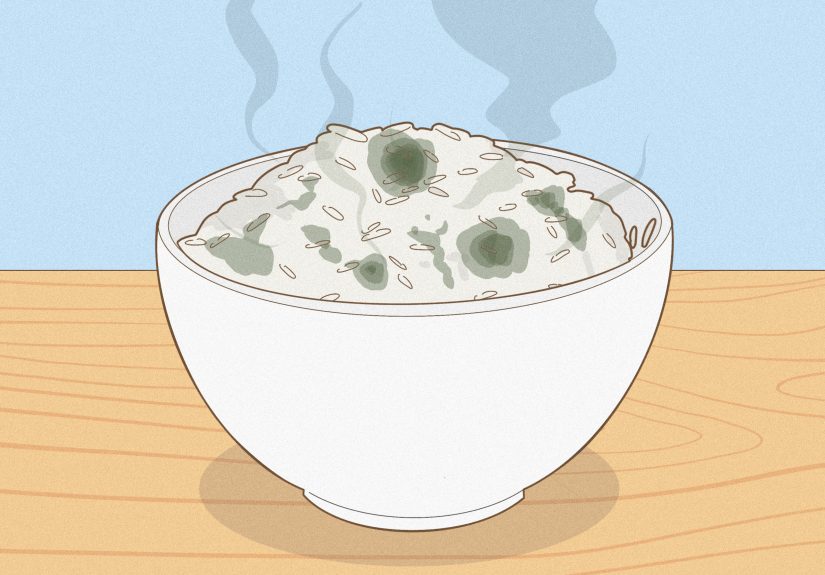
- Visible mold: Any mold means the entire container should go.
- Odd discoloration: Pink, green, gray, or black patches are warning signs.
- Unknown storage time: If you cannot remember when it was cooked, your safest answer is goodbye.
- Left out too long: Rice left at room temperature for more than two hours should be discarded. In hot conditions above 90°F, use a one-hour limit.
Do not rely only on smell or appearance. Bacillus cereus toxins may not be visible, smellable, or tasteable. That is rude, yes, but bacteria are not known for their customer service.
How Long Does Rice Last?
Shelf life depends on the type of rice and how it is stored.
Uncooked white rice
White rice, including long-grain, short-grain, jasmine, basmati, and parboiled rice, can last a very long time when stored in a cool, dry, airtight container. For best everyday quality, use it within one to two years after opening. In long-term storage with oxygen control and proper containers, it can last much longer, though flavor and texture may slowly decline.
Uncooked brown rice
Brown rice usually has a shorter pantry life, often around six months for best quality, because the bran layer contains oils that can oxidize. Refrigerating or freezing brown rice can help extend freshness. If brown rice smells stale, bitter, waxy, or oily, toss it.
Cooked rice
Cooked rice should be cooled quickly, refrigerated promptly, and eaten within three to four days for best safety and quality. If frozen, cooked rice can keep for several months, though texture may become drier. Always reheat rice until steaming hot throughout, and do not reheat the same batch repeatedly.
Safe Rice Storage Tips
Store uncooked rice properly
Keep dry rice in an airtight container made of food-safe plastic, glass, or metal. Store it in a cool, dark, dry place away from heat, humidity, strong odors, and pests. A pantry cabinet is fine if it is not above the stove, dishwasher, or sunny window.
For large bags, do not leave rice in thin original packaging after opening. Transfer it to sealed containers. Label the container with the purchase date or opening date. This small habit makes you look organized and prevents the classic “Was this from last month or the Obama administration?” pantry moment.
Cool cooked rice fast
Do not leave a huge pot of rice sitting on the counter for hours. Divide leftovers into shallow containers so heat escapes quickly. You can also spread rice on a clean tray for a short time before refrigerating. The goal is to move rice out of the temperature danger zone as quickly as possible.
Refrigerate within two hours
Cooked rice should go into the refrigerator within two hours of cooking. If the room or outdoor temperature is above 90°F, refrigerate within one hour. Keep the refrigerator at 40°F or below. Store rice in sealed containers to prevent drying and odor absorption.
Reheat only what you need
Reheating rice over and over increases quality loss and food-safety risk. Portion leftovers before refrigerating or freezing. Reheat only the amount you plan to eat. Add a spoonful of water before microwaving to restore moisture, cover loosely, stir halfway through, and make sure it is hot all the way through.
Plastic Rice vs. Bad Rice: The Key Difference
Plastic rice is mainly a fraud concern. Bad rice is a food-safety concern. Suspicious “plastic” signs include chemical odor, rubbery texture, failure to soften, melting behavior, or grains that look unnaturally manufactured. Spoiled rice signs include musty odor, rancidity, mold, moisture, pests, sliminess, sour smell, or unsafe storage time.
In real kitchens, spoiled or poorly stored rice is far more common than truly fake plastic rice. That is why your best defense is buying from reputable sellers, checking packaging, storing rice correctly, and handling cooked rice with care.
What to Do If You Suspect Fake or Contaminated Rice
If rice looks or smells suspicious, stop using it immediately. Keep the packaging, receipt, lot number, and a small sealed sample if you plan to report it. Contact the store where you bought it. If the rice caused illness or appears contaminated, report it to your local health department or food-safety authority.
Do not donate suspicious rice, feed it to pets, or mix it with other food. Throwing away one bag of rice is annoying. Sharing a questionable product is worse. Food safety is one area where generosity should take a coffee break.
Common Myths About Rice Safety
Myth 1: “If cooked rice smells fine, it is safe.”
Not always. Some bacteria and toxins do not change smell, color, or texture. Storage time matters as much as appearance.
Myth 2: “Reheating rice kills everything.”
Reheating can kill many bacteria, but it may not destroy toxins already produced while rice sat at room temperature. Safe cooling and storage come first.
Myth 3: “White rice never goes bad.”
White rice is very shelf-stable, but it can still be ruined by moisture, pests, mold, chemicals, or poor storage.
Myth 4: “Floating rice means plastic rice.”
Floating grains can happen for several harmless reasons. Use the water test only as one clue, not a final verdict.
Practical Experience: What Real Rice Problems Usually Look Like
In everyday kitchens, the rice problems people actually encounter are usually less dramatic than “plastic rice” but much more practical. The first common experience is the mystery pantry bag. Someone opens a half-used bag of rice and notices tiny brown beetles, powdery dust, or little holes in the packaging. That is not plastic rice; it is likely pantry pests. The correct move is to discard the infested rice, inspect nearby dry goods, vacuum the shelf, wipe the area clean, and move future grains into airtight containers.
The second common experience is old brown rice. Brown rice can look normal but smell faintly like stale nuts, crayons, cardboard, or old oil. That smell is a sign of rancidity. People sometimes try to rinse it five times and hope it behaves. It may cook, but the flavor will be bitter or flat, and the quality is already gone. Brown rice is best bought in smaller amounts unless your household eats it regularly.
The third common experience is leftover rice from takeout. It arrives warm, sits on the counter during dinner, gets forgotten while everyone watches TV, and then someone puts it in the fridge at midnight with the confidence of a person making questionable life choices. The next day it may look fine, but the risk depends on how long it sat out. When the timeline is unclear, especially with rice, noodles, or starchy leftovers, it is safer to toss it.
The fourth common experience is rice that smells like the pantry. Rice absorbs odors easily. If stored beside onions, spices, cleaning products, or scented trash bags, it may pick up strange smells. This does not mean it is plastic, but it does mean storage needs improvement. Rice should smell like rice, not like garlic powder’s emotional support grain.
The fifth common experience is mushy or gummy rice. This is usually not a safety issue. It often comes from too much water, too much stirring, broken grains, or using the wrong rice type for the recipe. Sticky rice is supposed to clump. Sushi rice is supposed to hold together. Long-grain rice, however, should not turn into wallpaper paste unless it was overcooked or handled too much.
When in doubt, use a simple rule: suspicious dry rice is judged by smell, dryness, packaging condition, pests, and appearance; cooked rice is judged by time, temperature, smell, texture, and storage history. If two or more warning signs appear together, do not debate with the rice. The rice will not apologize. Throw it away and open a fresh bag.
Conclusion
Learning how to identify plastic rice and tell if your rice is bad is really about separating viral fear from real food-safety habits. True plastic rice is unlikely, but suspicious rice should never be ignored. Look for chemical odors, strange cooking behavior, unnatural texture, moisture, mold, pests, rancidity, and unsafe storage history.
For uncooked rice, the biggest enemies are moisture, pests, heat, oxygen, and time. For cooked rice, the biggest enemy is leaving it out too long before refrigeration. Store dry rice in airtight containers, refrigerate cooked rice quickly, eat leftovers within a few days, and trust your senses when something seems off. Rice may be humble, but it deserves proper handling. Treat it well, and it will keep doing what it does best: saving dinner without asking for applause.
Note: This article is for general consumer education and is based on current food-safety principles from U.S. food-safety agencies, university extension guidance, and reputable fact-checking sources. When rice appears contaminated, causes illness, or is linked to a product complaint, contact the retailer or local food-safety authority.







 Close
Close