
Table of Contents >> Show >> Hide
- What Is the Michaël Verheyden Oak Serve Box?
- The Designer Behind the Object
- Material Matters: Why White Oak Works So Well
- Design Analysis: The Beauty of Restraint
- How to Use the Michaël Verheyden Oak Serve Box
- Where It Fits in Interior Design
- Care and Maintenance
- Is the Michaël Verheyden Oak Serve Box Worth It?
- Comparing It to Ordinary Serveware
- Buying Considerations
- Experience Section: Living With a Piece Like the Michaël Verheyden Oak Serve Box
- Conclusion
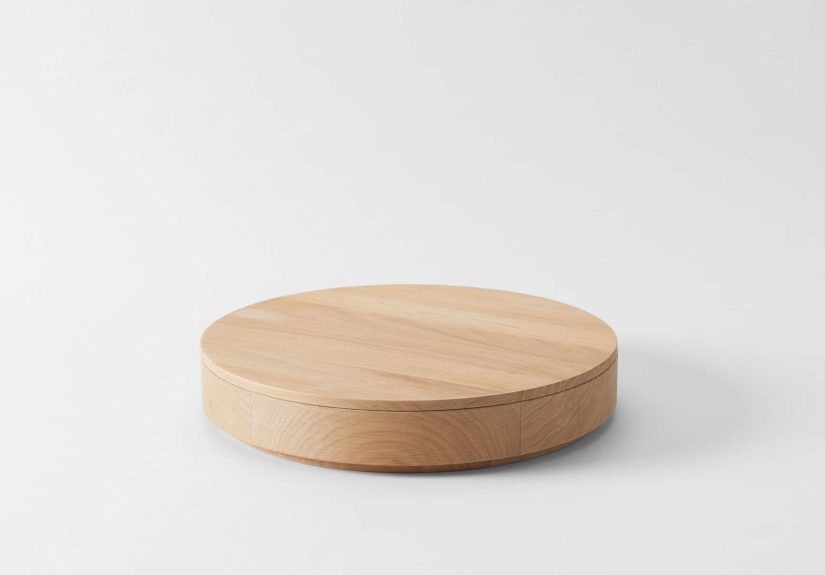
The Michaël Verheyden Oak Serve Box is the kind of object that makes you pause before using it. Not because it is confusingthere are no blinking lights, no secret app, no button labeled “please update firmware”but because it is so beautifully simple that you suddenly feel underdressed while holding crackers. Designed by Belgian designer Michaël Verheyden, this solid oak serving and storage piece sits quietly between tableware, sculpture, and the type of home object that politely whispers, “Maybe clear the counter first.”
At first glance, the Oak Serve Box looks like a shallow lidded bowl. That description is technically correct, in the same way a grand piano is technically a wooden box with strings. The beauty of this piece lives in proportion, material, restraint, and touch. It is made from white oak, designed for dry goods or serving, and shaped with the clean, purified sensibility that has made Verheyden’s work beloved by collectors, stylists, architects, and people who believe a serving piece should not need rhinestones to be interesting.
This article explores what the Michaël Verheyden Oak Serve Box is, why it matters, how it fits into modern interiors, and why its quiet luxury feels especially relevant in a world where half the kitchen gadgets on the market seem determined to beep at us.
What Is the Michaël Verheyden Oak Serve Box?
The Michaël Verheyden Oak Serve Box is a refined, shallow serving vessel with a lid, originally presented through curated design retailers such as MARCH in San Francisco and highlighted by design publications that focus on considered living. The piece is made in Belgium and crafted from white oak, with a broad, low profile that makes it suitable for presenting dry foods, storing small tabletop essentials, or simply sitting on a shelf and looking far more composed than the rest of us before coffee.
Its published dimensions are approximately 15.5 inches in diameter by 3 inches high with the lid, giving it enough presence to anchor a coffee table, kitchen island, console, or dining setting without overpowering the room. It is not a towering centerpiece. It does not demand dramatic lighting. It simply occupies space with calm confidence.
A Serve Box, Not Just a Bowl
The phrase “serve box” is helpful because this object is not only about presentation. A traditional bowl invites you to fill it. A tray invites you to carry things. A box invites you to store something precious. The Oak Serve Box borrows from all three categories. It can hold nuts, wrapped sweets, tea bags, dried fruit, linen napkins, or small objects used for hosting. With the lid on, it becomes more architectural, almost like a miniature wooden pavilion for snacks. And honestly, snacks deserve architecture too.
The Designer Behind the Object
Michaël Verheyden is a Belgian designer known for creating uncommon objects for common rituals. His work often revolves around simple geometric forms, noble materials, and a strong sense of silence. That does not mean the pieces are boring. It means they do not shout across the room. They wait for you to notice the grain of oak, the weight of marble, the curve of leather, or the glow of bronze.
Verheyden’s design language is deeply connected to craftsmanship. He has worked with materials such as marble, leather, bronze, brass, linen, oak, and walnut, and his studio approach places great importance on finishing, assembling, and inspecting objects with care. His pieces often feel like they live halfway between daily utensils and art objects, which is exactly where the Oak Serve Box belongs.
Belgian Minimalism With Warmth
Minimalism can sometimes feel cold, especially when it gets too obsessed with perfect white walls and chairs that look like they might judge your posture. Verheyden’s version is warmer. The Oak Serve Box is minimal, but not sterile. The white oak gives it grain, tactility, and organic variation. Instead of removing personality, the design removes clutter so the material can speak.
This is a major reason the piece works in so many interiors. It can sit in a rustic kitchen, a contemporary apartment, a quiet luxury dining room, a wabi-sabi-inspired living space, or a modern farmhouse setting. It has enough character to be noticed and enough restraint to avoid becoming that one “statement piece” everyone secretly wishes would calm down.
Material Matters: Why White Oak Works So Well
White oak is one of the best materials for an object like the Michaël Verheyden Oak Serve Box because it balances durability, beauty, and warmth. Its grain is visible without being loud, and its pale natural tone works with both light and dark interiors. In a kitchen or dining room, oak can soften harder materials such as marble, steel, glass, and ceramic.
Because the Serve Box is intended for dry goods and light serving, the material choice makes practical sense. Oak has a long history in furniture, vessels, barrels, flooring, and cabinetry. It suggests permanence. It does not feel like a seasonal décor trend that will vanish the moment social media discovers a new shade of beige. White oak ages gracefully, especially when treated with care, and that aging process is part of its appeal.
Natural Variation Is the Feature
One important thing to understand about handcrafted wooden design objects is that variation is not a flaw. The grain, tone, and subtle markings of oak make each piece slightly different. That uniqueness is part of the charm. A mass-produced plastic container tries to look identical to every other container. A crafted oak serve box politely refuses. It says, “I am a tree’s second career.”
For buyers and collectors, that means the object should be appreciated as a natural material piece rather than as a machine-perfect item. Slight differences in grain direction, color, and surface character should be expected. In fact, they are exactly what make the piece worth noticing.
Design Analysis: The Beauty of Restraint
The most impressive thing about the Michaël Verheyden Oak Serve Box is how little it tries to do visually. There are no decorative carvings, no metal handles, no painted pattern, no obvious branding shouting from the surface. The form is low, round, smooth, and balanced. The lid gives the object a sense of closure, turning it from a simple shallow bowl into something more mysterious and composed.
This restraint is not accidental. Good minimalist design is not about doing less because you ran out of ideas. It is about editing until the object feels inevitable. The Oak Serve Box looks as if it could not have been shaped many other ways without losing its purpose. That is difficult to achieve. Many objects look simple because they are basic. This one looks simple because it has been carefully resolved.
Function Meets Atmosphere
Functionally, the Serve Box can be used for entertaining, storage, or display. Atmospherically, it changes the mood of a room. Put it on a kitchen counter and suddenly the space feels more intentional. Place it on a dining table and even the casual act of serving almonds feels like a tiny ceremony. Use it on a coffee table and it becomes a calm focal point, especially when paired with books, ceramics, linen, or a low vase.
That atmospheric quality is one of the reasons high-end design objects are not always easy to compare with ordinary household items. A basic serving bowl holds food. The Oak Serve Box holds food, mood, material honesty, and possibly your growing desire to reorganize the entire pantry.
How to Use the Michaël Verheyden Oak Serve Box
The Oak Serve Box is versatile, but it should be used thoughtfully. It is best for dry goods, wrapped treats, tabletop accessories, or decorative storage. Think of it as a refined hosting companion rather than an all-purpose kitchen workhorse. This is not the piece you use for saucy meatballs during a chaotic game-day buffet unless your life insurance covers emotional damage to design objects.
Serving Ideas
For entertaining, the Serve Box works beautifully with dry snacks such as nuts, crackers, dates, figs, biscotti, wrapped chocolates, or tea biscuits. It can also be used to present bread rolls lined with a small linen cloth, provided the food is dry and not greasy. On a breakfast table, it can hold individually wrapped tea bags, sugar packets, or small pastries. During a wine and cheese evening, it can sit beside a board and hold crackers or dried fruit.
Storage Ideas
Beyond serving, the Oak Serve Box makes an elegant storage object. In a kitchen, it can hold linen napkins, coffee filters, wrapped candies, or small packets. On a console table, it can store keys, matchbooks, or entryway odds and ends. In a living room, it can hold coasters, remote controls, or tiny objects that otherwise multiply like household gremlins.
The lid is what makes it especially useful. Open storage can look casual and beautiful when styled well, but it can also become visual clutter in about thirteen seconds. The lid allows the Serve Box to hide small necessities while maintaining a clean silhouette.
Where It Fits in Interior Design
The Michaël Verheyden Oak Serve Box belongs naturally in interiors that value texture, craftsmanship, and quiet luxury. It works especially well in spaces with natural materials: stone countertops, plaster walls, linen curtains, handmade ceramics, woven baskets, dark wood furniture, or aged brass details.
In a modern kitchen, it adds warmth. In a traditional dining room, it adds restraint. In a minimalist living room, it prevents the space from feeling too clinical. In a farmhouse setting, it feels elevated without looking precious. It is the rare object that can move from a refined city apartment to a relaxed country house without needing a personality transplant.
Styling Combinations That Work
Pair the Oak Serve Box with matte ceramics for a calm, earthy look. Place it next to a marble board for contrast between warm wood and cool stone. Style it with linen napkins and handblown glasses for an elegant table setting. On a coffee table, combine it with a stack of design books, a small sculptural vase, and a candle in a natural material holder.
The key is not to over-style it. The object already has presence. Give it breathing room. Let the oak grain do its job. Your table does not need to look like a boutique hotel lobby having an existential crisis.
Care and Maintenance
The care guidance for the Oak Serve Box is refreshingly simple: wipe it clean with a damp cloth. That said, because it is made from wood, it should be treated with respect. Avoid soaking it, putting it in the dishwasher, or leaving wet foods directly on the surface. Wood and dishwashers have a relationship best described as “absolutely not.”
Use it primarily for dry goods, and consider lining it with parchment or linen if serving anything crumbly or lightly oily. Keep it away from extreme heat, prolonged direct sunlight, and very damp environments. Over time, the oak may develop subtle changes in tone, which is part of the beauty of natural wood.
Practical Care Tips
After use, remove crumbs with a soft cloth. For light cleaning, use a slightly damp cloth and dry immediately. Do not scrub with harsh cleaners or abrasive pads. If the piece ever looks dry, consult professional wood-care advice before applying any oil or wax, because designer objects may have specific finishes that should not be altered casually. In other words, do not treat it like a cutting board unless you enjoy expensive regret.
Is the Michaël Verheyden Oak Serve Box Worth It?
The answer depends on what you value. If you are looking for the cheapest container for crackers, no. A grocery-store bowl will do that job. If you value handcrafted design, natural materials, collectible objects, and pieces that can move between function and sculpture, the Oak Serve Box makes much more sense.
Its value lies in the combination of material, provenance, design restraint, and usability. It is not simply a decorative object that sits behind glass. It can be used. It can become part of daily rituals. It can appear at breakfast, on a holiday table, or in an entryway. That ability to participate in ordinary life is central to Verheyden’s appeal.
Quiet Luxury Without the Logo Parade
One of the strongest arguments for the Oak Serve Box is that it represents quiet luxury in the best sense. It is not about showing off a logo. It is about living with better materials and more thoughtful objects. There is no need for a giant emblem, a gold-plated flourish, or a dramatic announcement. People who know design will notice it. People who do not know design will still feel that the room looks better, even if they cannot explain why.
Comparing It to Ordinary Serveware
Compared with standard serveware, the Michaël Verheyden Oak Serve Box is more sculptural, more material-focused, and more collectible. A typical serving bowl is designed primarily for utility. This piece is designed for utility plus atmosphere. It is not just about what it holds; it is about how it changes the table around it.
Compared with ceramic bowls, oak feels warmer and softer. Compared with metal trays, it feels quieter and more organic. Compared with marble vessels, it is lighter in visual mood and easier to integrate into casual spaces. That makes it especially useful for people who want elevated design without making their home feel like a museum where nobody is allowed to breathe near the furniture.
Buying Considerations
Before buying a Michaël Verheyden Oak Serve Box, consider scale, use, and placement. The 15.5-inch diameter gives it a generous footprint, so measure the intended surface before purchasing. It will work well on a large dining table, island, sideboard, or coffee table, but it may feel oversized on a small shelf or narrow console.
Also consider your habits. If you enjoy hosting, appreciate natural materials, and like objects that can serve multiple roles, it may become a favorite piece. If you prefer dishwasher-safe everything and regularly host events where salsa travels freely, this may be more of a display piece than a daily serving tool.
Experience Section: Living With a Piece Like the Michaël Verheyden Oak Serve Box
Using a piece like the Michaël Verheyden Oak Serve Box changes the rhythm of small domestic moments. The first experience is tactile. When you lift the lid or move the vessel from shelf to table, you notice the weight and feel of real wood. It does not have the slick, anonymous quality of mass-produced serveware. It feels grounded. Even before anything is placed inside it, the object invites slower handling.
At a dinner gathering, the Serve Box creates a subtle point of interaction. Guests may not immediately ask about it, but they notice it. Someone reaches for a fig, a cracker, or a wrapped sweet, and the hand naturally pauses for a second because the container feels special. That pause is part of the experience. Good tableware does not merely hold food; it frames hospitality. It makes everyday offerings feel more generous.
In a kitchen, the Serve Box can become a useful anchor for visual order. Many countertops collect small chaos: tea packets, snack bags, napkins, clips, keys, and mysterious objects nobody in the household admits owning. A lidded oak vessel gives those little things a dignified place to disappear. Suddenly the counter looks calmer, and you get to pretend you are the sort of person who has always had control over the snack zone.
On a coffee table, the experience is more decorative but still practical. The box can hold coasters, matches, wrapped chocolates, or small keepsakes. Because it has a lid, it avoids the cluttered look of an open tray. It also pairs beautifully with books, candles, and ceramics. Unlike trend-driven décor, it does not need seasonal replacement. It looks appropriate in winter with wool throws and in summer beside linen and pale stone.
The most rewarding part is how naturally it ages into the home. Oak is not a frozen material. It responds to light, touch, and time. The Serve Box may become slightly warmer in tone as years pass. That evolution makes the object feel personal. It becomes less like something bought and more like something kept.
There is also an emotional pleasure in using a beautiful object for ordinary rituals. Serving almonds does not need to be glamorous. Storing napkins does not require design drama. But when these small actions are supported by a well-made object, they feel less rushed. The Michaël Verheyden Oak Serve Box reminds us that luxury does not always mean extravagance. Sometimes it means a quiet wooden form on a table, doing a simple job with uncommon grace.
Conclusion
The Michaël Verheyden Oak Serve Box is a study in quiet confidence. Made from white oak, shaped with restraint, and designed for both serving and storage, it represents the best of contemporary Belgian design: simple forms, noble materials, expert craftsmanship, and daily usefulness. It is not flashy. It is not loud. It does not need to be. Its beauty lies in proportion, texture, and the calm authority of an object made with intention.
For anyone building a home around thoughtful materials and lasting pieces, the Oak Serve Box is more than a serving bowl with a lid. It is a small ritual object. It turns dry goods into a presentation, clutter into order, and a tabletop into a quieter, more considered place. That is a lot of work for one wooden box, but luckily, it looks completely relaxed while doing it.
Note: This article is an original, publication-ready synthesis based on verified product descriptions, designer profiles, design retailer information, and current knowledge of Michaël Verheyden’s materials, craftsmanship, and design philosophy. No source-code references or unnecessary citation markers are included.




 Close
Close