
Table of Contents >> Show >> Hide
- What You’ll Learn
- Craft Nests vs. Real Nests
- Your 5-Minute Supply List
- 5 DIY Bird Nests You Can Make in Under 5 Minutes
- 60-Second Upgrades That Make Your Nest Look Fancy
- Cute Ways to Use DIY Bird Nests
- Troubleshooting: Because Your Nest Has Feelings
- FAQ: Quick Questions People Actually Ask
- Conclusion
- Extra “Experience” Notes: What Usually Happens When You Try These 5-Minute Nests
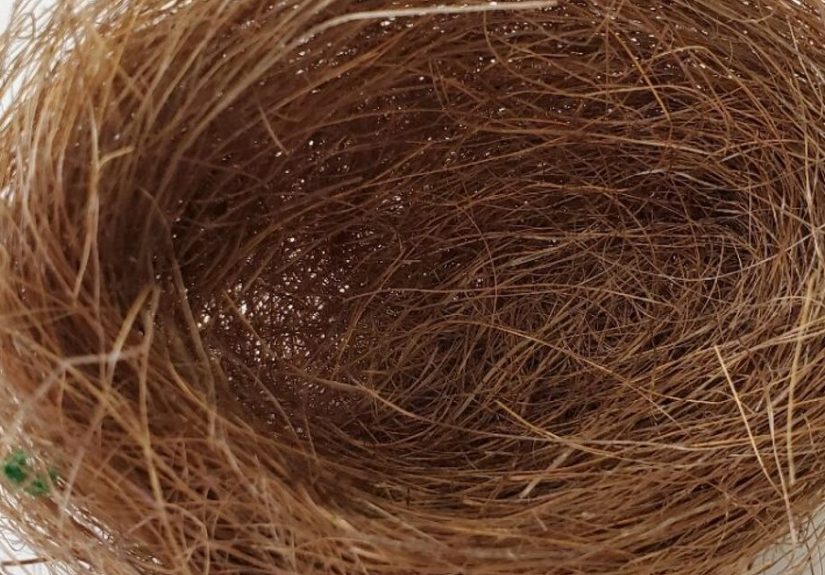
If you’ve ever looked at a bird nest and thought, “Wow… that’s better construction than my snack drawer organization,” you’re not alone. The good news: you don’t need twigs, talent, or a tiny hard hat to make a DIY bird nest that looks charming on a shelf, party table, classroom bulletin board, or spring centerpiece. You just need a few simple supplies and about the length of time it takes your phone to unlock after it “doesn’t recognize your face.”
This guide is packed with quick craft options you can assemble in under 5 minutes (yes, really), plus easy upgrades to make them look more realistic (or more whimsicalyour nest, your rules). We’ll also cover an important note: these are craft nests, not homes for wild birds. Real nests belong to birds, and birds are famously unamused by surprise renovations.
Craft Nests vs. Real Nests
Before we start crafting: real bird nests aren’t just “cute décor.” They’re purpose-built structures for incubating eggs and raising young. Most birds don’t hang out living in nests like they’re lounging in a tiny wicker spathey use nests mainly for breeding and raising chicks. Nests also vary wildly by species, from woven baskets to mud cups to hanging pouch styles.
If you find a real nest outside (even in a weird spot), the safest move is usually the simplest: leave it alone. Active nests (with eggs or chicks) are legally protected for many native birds, and disturbing them can cause harm. So: craft your own nests for fun, but let wildlife handle wildlife.
Want to help birds instead of decorating like one? Skip putting craft nests outdoors and consider a bird-friendly yard approach: offer safe natural nesting materials (and avoid risky stuff like strings and dryer lintmore on that later).
Your 5-Minute Supply List
The fastest easy bird nest craft projects are basically “take something brown, crinkle it, and make it look intentional.” Here are the best grab-and-go supplies:
Pick a “nest base”
- Paper lunch bag
- Toilet paper tube (yes, it’s finally time)
- Cupcake liners or muffin liners (brown looks most realistic)
- Small paper bowl, ramekin, or the bottom of an egg carton cup
- Felt circle or scrap fabric
Pick your “twigs”
- Shredded brown paper (paper bag strips are perfect)
- Paper crinkle filler / “Easter grass” (paper, not plastic)
- Raffia, jute, or thin ribbon scraps
- Thin strips of newspaper or kraft paper
Fast adhesives (choose your speed)
- Glue dots or double-sided tape (instant, clean, kid-friendly)
- Tacky glue (holds well, takes a bit to fully dry)
- Hot glue (fastest hold, but use adult supervision)
- Stapler (surprisingly useful for paper nests)
Optional “eggs” (because nests look naked without them)
- Mini foam eggs, wooden beads, or paper balls
- Jelly beans or chocolate eggs (for party place settings)
- Painted small stones (outdoor-safe décor, but keep away from little kids who might mouth them)
Speed tip: If your goal is “under 5 minutes,” use glue dots or tape. If your goal is “under 5 minutes plus drying time,” use tacky glue. Either way, the building part is quick.
5 DIY Bird Nests You Can Make in Under 5 Minutes
1) The Roll-Down Paper Bag Nest (about 60–120 seconds)
Best for: kids’ crafts, Easter baskets, classroom projects, “I need something cute immediately.”
What you need: paper lunch bag + shredded paper filler (or paper strips)
- Open your paper lunch bag and gently puff it out.
- Start rolling the top edge down toward the bottom, like you’re making a tiny paper “basket rim.”
- Keep rolling until you’ve got a bowl shape.
- Drop in shredded paper and fluff it to look nest-y.
- Add eggs, a tiny paper bird, or candy.
Why it works: The rolled rim gives structure fast, and the filler creates that “soft lining” vibe birds use in real nests. Also, it’s so easy it feels suspicious.
2) The Toilet Paper Tube Spiral Nest (about 3–4 minutes)
Best for: mini nests for eggs, tiny gifts, party place cards, spring décor.
What you need: toilet paper tube + scissors + paint/marker (optional) + glue dot/tape (optional)
- Cut a 1/2-inch-wide ring from a toilet paper tube.
- Snip the ring in one spot so it opens into a strip.
- Cut the strip into a spiral (like you’re making a springy slinky… but out of cardboard).
- Gently scrunch and twist the spiral into a loose “tangled nest” shape.
- If you want, paint it or color it, then pop an egg inside.
Quick upgrade: Add a couple of tiny paper strips or raffia pieces inside to look like lining.
3) The Cupcake Liner Nest (about 2–3 minutes)
Best for: a clean, simple nest shape with minimal mess.
What you need: brown cupcake liner + shredded paper + glue dot (optional)
- Place a cupcake liner on your table and gently press the center down.
- Add a pinch of shredded paper or paper grass in the middle.
- Fluff it with your fingers until it looks like a nest cup.
- Optional: use a single glue dot under the liner to keep it from sliding around.
- Add eggs or a tiny bird cutout.
Why it works: You get the “cup nest” shape instantlyno engineering degree required.
4) The Shredded Paper “Pinch Bowl” Nest (about 4–5 minutes)
Best for: a more realistic, textured nest look (still fast).
What you need: shredded brown paper (paper bag strips are ideal) + tacky glue OR tape dots + a small bowl (as a mold)
- Flip a small bowl upside down (or use the inside if you want a deeper cup).
- Arrange paper strips in a loose crisscross web.
- Add small dots of glue (or tape dots) at intersectionsjust enough to tack pieces together.
- Press and shape with your hands: pinch edges, round the sides, and form a little nest cup.
- Lift it off the bowl. If using glue, let it sit while you do the next craft (or while you dramatically announce: “It’s ART.”)
Make it look “real” fast: Mix thicker “twig” strips on the outside and finer shredded pieces inside. Real nests often have a sturdier outer layer and a softer inner lining.
5) The No-Glue Felt Fringe Nest (about 3–5 minutes)
Best for: a soft nest that holds its shape and doesn’t shed paper everywhere.
What you need: felt circle (brown/tan) + scissors + optional stapler or a few stitches (not required)
- Cut 1-inch fringe all the way around the edge of a felt circle.
- Push the center down into a bowl shape.
- Twist or fold the fringed edges inward to mimic twigs.
- If you need extra hold, use one staple on the underside (or a dab of glue).
- Add eggs, a name tag, or a mini gift.
Bonus: This one is great for classroom crafts and reuseno drying time, no crumbs.
60-Second Upgrades That Make Your Nest Look Fancy
Your nest is done. But if you want it to look like it belongs in a glossy magazine spread called “Birdcore: The Lifestyle”, try one of these:
Speckled “robin eggs” (fast version)
- Use mini foam eggs or white paper balls.
- Color them pale blue with a marker or watered-down paint.
- Dip a toothbrush in brown paint and flick tiny speckles (protect the table first unless you love chaos).
Instant texture
- Add a pinch of moss-look paper filler (craft stores often have it) for a natural vibe.
- Use two shades of brown paper strips so the nest has depth.
- Twist a few strips tighter to imitate real twigs.
Mini labels (for parties and classrooms)
- Glue a tiny cardstock tag to the nest rim: names, table numbers, or “Egg Delivery Zone.”
- Add a paper leaf cutout for a little extra “spring.”
Cute Ways to Use DIY Bird Nests
1) Table décor and place settings
A tiny nest with candy eggs makes a fun spring place setting. You can also tuck a rolled napkin beside the nest and pretend your table is hosting a very polite woodland brunch.
2) Classroom spring boards
Have each student make a nest and label it with a name, a goal, or a “kindness egg” (a nice note). They’re quick, personal, and easy to display.
3) Gift toppers
Swap a bow for a mini nest on top of a gift. Add one “egg” with a message inside (rolled paper note). It’s adorable and slightly dramaticin the best way.
4) Nature-themed party favors
Use the paper bag nest or cupcake liner nest as a favor cup. Fill with wrapped treats or small toys.
Troubleshooting: Because Your Nest Has Feelings
My nest looks flat.
Add more volume inside (shredded paper) and pinch the outer edges upward. Real nests have a clear “cup.”
My nest won’t stay together.
Use glue dots at key intersections instead of coating everything. Think “spot weld,” not “paper spa treatment.”
My nest is too messy.
Switch to the felt fringe nest or the cupcake liner nest. Also: do the craft over a tray or a baking sheetinstant cleanup win.
My “eggs” keep rolling out.
Make a deeper cup (press the center down more) or add a little lining that acts like a cushion.
FAQ: Quick Questions People Actually Ask
Can I put my craft nest outside for birds?
It’s better not to. Craft nests can include adhesives, dyes, and materials that aren’t safe outdoors. If your goal is to help birds, offer safe natural nesting materials insteadlike dry grass, leaves, small roots, or untreated natural fibers. Avoid risky materials such as dryer lint, hair, and long string-like items that can tangle nestlings.
Is it okay to collect moss, lichen, or twigs for a craft nest?
For crafting, use small amounts and be respectfultake only what you need, avoid stripping areas bare, and don’t collect from protected lands where it may be prohibited. If you’re unsure, use paper substitutes (they look great and don’t involve scavenging).
What’s the fastest nest for a group activity?
The paper bag roll-down nest wins for speed. The cupcake liner nest is the cleanest. If you’re teaching, set up stations: base → “twigs” → eggs → label, and rotate groups every 2 minutes.
How do I make it look realistic without buying anything?
Use shredded paper bag strips in mixed thicknesses and build in layers: thicker strips outside, finer bits inside. That simple change makes a surprisingly “real” look.
Conclusion
Making a DIY bird nest in under 5 minutes is one of those crafts that feels almost unfairly effective: minimal supplies, maximum cuteness, and a ton of ways to use itspring décor, classroom fun, party favors, or a tiny “nest” for notes and keepsakes.
Choose your style (paper bag, tube spiral, cupcake liner, pinch-bowl, or felt), add a few eggs, and you’ve got instant charm. Just remember: craft nests are for people, real nests are for birdsand birds should always get the final say in their home design.
Extra “Experience” Notes: What Usually Happens When You Try These 5-Minute Nests
Even though these nests are quick, the experience of making them can be the best partespecially if you’re crafting with kids, friends, or a whole classroom. Here are a few realistic things that tend to happen (and how to make them work in your favor).
1) The “Wait, that was too easy” moment
The paper bag roll-down nest is so fast that people often assume they missed a step. You didn’t. The trick is letting the rolled rim do all the heavy lifting. If someone insists it needs more “detail,” hand them scissors and let them snip thin paper strips for the inside lining. It keeps hands busy and makes the nest look more layered without complicating the process.
2) Glue turns everyone into a philosopher
The second glue enters the room, opinions appear. Some people want to glue every single shred (creating a nest that could survive a hurricane), while others use exactly one dot and call it minimalism. A good middle ground is “three-point anchoring”: tack the nest base in three spots, then tack a few intersections. You get stability without turning your craft into a sticky science experiment.
3) Shredded paper will travel. It always does.
If you’re doing this at a kitchen table, expect paper bits to migrate like tiny brown confetti. The easy fix is crafting over a rimmed baking sheet, cafeteria tray, or even an open cardboard box lid. When you’re done, you can funnel extra shreds back into a container and save them for the next nest. This “tray trick” also helps kids feel successful, because cleanup becomes a simple scoop instead of a scavenger hunt.
4) Eggs become the main character
People often start with “I’m just making a nest,” and end with “I’m creating a whole egg aesthetic.” Once the eggs go in, the nest suddenly looks like a finished piece. If you don’t have craft eggs, paper balls work surprisingly wellespecially if you lightly color them and add speckles. Another fun option is writing tiny words on the eggs (like “hope,” “kind,” “brave,” or names for place settings). It turns a simple craft into something that feels personalized and gift-worthy.
5) The classroom effect: speed loves a system
In group settings, the difference between “fun and smooth” and “chaos with glue” is usually organization. The most reliable setup is an assembly line: one station for shaping bases, one for adding “twigs,” one for eggs/labels. Keep each station’s supplies limited (three options, not twelve), and you’ll get consistent results fast. You can even time it like a mini challenge: two minutes to build the nest, one minute to decorate, and one minute to name your “nest” something silly (kids love this part).
6) The best nests aren’t perfectand that’s the point
Real nests aren’t symmetrical masterpieces. They’re lumpy, textured, and practical. So if your craft nest is a little crooked, congratulations: you accidentally made it more realistic. The easiest way to lean into that natural look is to vary your paper strip thickness and avoid lining everything up in neat circles. Random overlap is your friend. If someone makes a nest that looks “too tidy,” tell them to crumple two strips and add them like rebellious twigs. Instant authenticity.
Bottom line: these nests are quick, but they’re also flexible. You can keep them simple for a 5-minute craft win, or you can turn them into a whole spring theme with labels, mini birds, and speckled eggs. Either way, you end up with something cheerfuland you didn’t even have to learn how to weave twigs with your face.




 Close
Close