
Table of Contents >> Show >> Hide
- Can You Really Make Whipped Cream with Milk?
- Method 1: Classic Homemade Whipped Cream
- Method 2: How to Make a Whipped Topping with Milk
- The Best Dairy-Free Alternatives
- How to Stabilize Whipped Cream So It Lasts Longer
- Common Mistakes and How to Fix Them
- Best Flavor Ideas
- What to Serve It With
- Experience-Based Tips: What You Learn After Making It a Few Times
- Final Thoughts
- SEO Tags
Whipped cream is one of those kitchen miracles that makes you feel wildly competent with almost no effort. A few minutes of whisking, and suddenly your pie looks bakery-worthy, your berries look expensive, and your coffee has a little main-character energy. But what happens when you open the fridge and realize you do not have heavy cream? Just milk. Or maybe no dairy at all. Cue the dramatic music.
Here is the good news: you still have options. Here is the honest news: plain milk will not turn into classic whipped cream the way heavy cream does. That is not you failing. That is food science being a bit rude. Classic whipped cream depends on enough fat to trap air and hold soft, fluffy peaks. Regular milk is simply too lean for that job. Still, you can make a milk-based whipped topping that works surprisingly well, and you can absolutely make excellent dairy-free alternatives if you know which ingredients to use.
This guide breaks it all down in plain English: what works, what does not, how to make the best version for your situation, and how to avoid ending up with a bowl of sweet soup. We will cover classic whipped cream, a practical milk-based workaround, and the best dairy-free substitutes for topping cakes, pies, pancakes, hot cocoa, fruit, and whatever dessert is calling your name tonight.
Can You Really Make Whipped Cream with Milk?
The short answer is: not true whipped cream with plain carton milk alone. If you are picturing the fluffy, cloud-like topping that sits proudly on pumpkin pie, that texture comes from cream with a much higher fat content than regular milk. Heavy cream is built for the job. Milk is built for cereal, coffee, and making you think you can improvise more than you actually can.
That said, you can still make a whipped topping with milk if you change the formula a little. The best milk-based workaround is chilled evaporated milk, which whips into a lighter topping that is less rich than whipped cream but still delicious. Another retro-style trick uses dry milk and gelatin to create a fluffy topping with better hold. These are not perfect twins of whipped cream, but they are close enough to save dessert and your dignity.
What Works Best
- Heavy cream: best flavor, best texture, easiest to whip.
- Whipping cream: still good, but slightly softer and less sturdy.
- Evaporated milk: a practical milk-based whipped topping, especially when very cold.
- Coconut cream: the best dairy-free option for a classic whipped effect.
- Aquafaba: fluffy and vegan, but more like a marshmallowy meringue topping.
- Milk plus butter: useful for cooking in some recipes, but not for whipping.
Method 1: Classic Homemade Whipped Cream
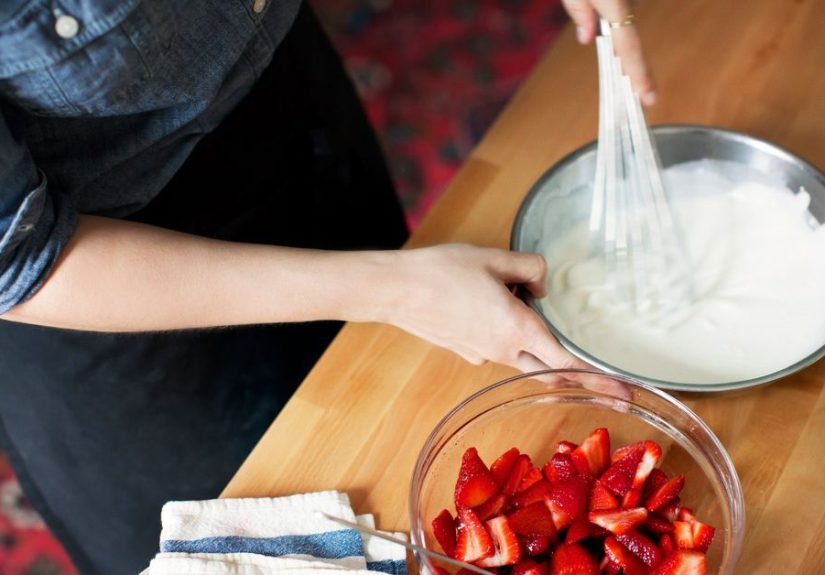
If you have heavy cream, this is still the gold standard. It is quick, foolproof once you know the signs, and tastes far better than the plastic-tub stuff that somehow manages to be both sweet and suspicious.
Ingredients
- 1 cup cold heavy cream
- 2 to 3 tablespoons powdered sugar
- 1 teaspoon vanilla extract
- Pinch of salt, optional
How to Make It
- Chill your bowl and beaters for 10 to 15 minutes. Cold tools help the cream whip faster and hold better.
- Pour the cold heavy cream into the bowl.
- Start whipping on medium speed until it looks foamy.
- Add the powdered sugar, vanilla, and salt.
- Continue whipping until you reach your desired texture.
Know Your Peaks
Soft peaks droop gently when you lift the whisk. They are perfect for spooning over fruit, pancakes, cobbler, or iced coffee. Medium peaks hold their shape better and are ideal for topping pies and cakes. Stiff peaks stand tall and work when you want to pipe the cream or keep a dessert looking tidy a little longer.
Do not walk away. Whipped cream goes from “gorgeous and glossy” to “grainy and halfway to butter” faster than you would expect. If you accidentally overwhip it slightly, add a splash of unwhipped cream and fold gently to smooth it back out.
Method 2: How to Make a Whipped Topping with Milk
If you only have milk and still want a fluffy topping, your best bet is not regular milk straight from the carton. It is evaporated milk. Once deeply chilled, evaporated milk whips into a foamy topping that is lighter than whipped cream but still airy and sweet enough for dessert.
Milk-Based Whipped Topping with Evaporated Milk
- 1 can evaporated milk, thoroughly chilled
- 2 to 4 tablespoons powdered sugar
- 1 teaspoon vanilla extract
- 1 teaspoon unflavored gelatin, optional for better stability
- 1 tablespoon cold water, if using gelatin
Instructions
- Place the evaporated milk in the refrigerator for several hours or overnight. Cold matters a lot here.
- Chill your mixing bowl and beaters.
- If using gelatin, sprinkle it over the cold water and let it bloom for a few minutes. Warm it gently until dissolved, then let it cool until just barely fluid.
- Whip the cold evaporated milk on medium-high speed until it becomes foamy and thicker.
- Add the powdered sugar and vanilla.
- Slowly stream in the gelatin if you want a topping that holds longer.
- Whip just until soft to medium peaks form, then use immediately or chill briefly before serving.
This version is excellent on fruit, gelatin desserts, cocoa, easy sheet cakes, and nostalgic family desserts that involve words like “fluff,” “dream,” or “delight.” It is not as rich as heavy-cream whipped cream, and it usually will not pipe as beautifully, but it absolutely gets the job done.
If All You Have Is Regular Milk
Here is the straight talk: whole milk, 2%, skim, and most plant milks will not whip into classic whipped cream on their own. You can use milk and butter together as a stand-in for heavy cream in some cooked recipes, but not for a whipped dessert topping. If your goal is that airy finish on pie or cake, jump to coconut cream or aquafaba instead of trying to force plain milk into a role it did not audition for.
The Best Dairy-Free Alternatives
If you are avoiding dairy, you are not doomed to sad, naked pie. Some dairy-free options are genuinely excellent. Others are technically possible but emotionally disappointing. Here is how they stack up.
1. Coconut Cream: The Best Dairy-Free Whipped Cream
If you want the closest dairy-free match to classic whipped cream, use full-fat coconut cream or canned full-fat coconut milk. After chilling, the thick coconut solids separate from the liquid. Those solids whip into a rich, fluffy topping that works beautifully on cakes, fruit crisps, brownies, hot chocolate, and tropical desserts.
Ingredients
- 1 to 2 cans full-fat coconut milk or coconut cream, chilled overnight
- 2 to 3 tablespoons powdered sugar or maple syrup
- 1 teaspoon vanilla extract
Instructions
- Chill the cans overnight without shaking them.
- Open carefully and scoop out the thick solids into a cold mixing bowl. Leave the watery liquid behind for smoothies or soups.
- Whip the solids until fluffy.
- Add sweetener and vanilla, then whip again until smooth and airy.
Coconut whipped cream is luscious, but it does have a coconut flavor. On chocolate cake, berry desserts, banana pudding, or anything tropical, that is a bonus. On apple pie, it can still be delicious, just a little less traditional. Call it a plot twist.
2. Store-Bought Plant-Based Whipping Cream
If you can find a ready-to-whip non-dairy product made for whipping, it is often the easiest and most stable dairy-free route. These products are designed specifically to whip and hold shape better than plain almond milk, oat milk, or soy milk. They can be handy when you need a predictable topping for cupcakes or a cake you want to decorate without stress.
Look for options labeled specifically as a whipping cream or whipped topping base. Regular refrigerated plant milk is not the same thing and generally will not whip well.
3. Aquafaba: The Light, Fluffy Vegan Option
Aquafaba is the liquid from canned chickpeas, and yes, it sounds strange. It also works. When whipped with sugar and a stabilizer like cream of tartar, it turns into a glossy foam that behaves more like meringue than whipped cream. It is airy, dramatic, and surprisingly useful.
Quick Aquafaba Topping
- 1/2 cup aquafaba
- 1/4 teaspoon cream of tartar
- 3 to 4 tablespoons sugar
- 1 teaspoon vanilla extract
- Pour the aquafaba into a clean bowl.
- Add cream of tartar and whip until foamy.
- Gradually add sugar and continue whipping until glossy peaks form.
- Beat in vanilla at the end.
This topping is best when you want something super light, almost marshmallow-like, or when you need a vegan foam for pies and parfaits. It is not rich like cream, but it is still a smart dairy-free move.
4. Cashew Cream or Silken Tofu Toppings
These can be blended into smooth, creamy dessert toppings, but they are not really whipped cream substitutes in the fluffy sense. They are better when you want a spoonable topping with body rather than a billowy cloud. Think “creamy dollop” more than “whipped swirl.”
How to Stabilize Whipped Cream So It Lasts Longer
If you are making whipped cream ahead of time, especially for cakes or layered desserts, stabilization matters. Otherwise, your gorgeous topping may slouch into a puddle before anyone finds the serving spoon.
Here are the most useful options:
- Powdered sugar: easy and helpful because it often contains a little starch.
- Cornstarch: helps improve hold for simple desserts.
- Gelatin: gives the strongest structure for make-ahead whipped toppings.
- Mascarpone, yogurt, or crème fraîche: adds body, tang, and better staying power.
If you are topping a pie for dinner tonight, you may not need any of this. If you are frosting cupcakes for an outdoor party in warm weather, stabilization is your best friend and probably deserves a thank-you card.
Common Mistakes and How to Fix Them
Your Cream Will Not Whip
The bowl may be too warm, the cream may not have enough fat, or the ingredient simply is not whippable. Chill everything and make sure you are using actual heavy cream, whipping cream, cold evaporated milk, or coconut solids.
Your Whipped Cream Turned Grainy
You likely overwhipped it. Add a tablespoon or two of unwhipped cream and gently fold or whisk until smooth again.
Your Coconut Cream Stayed Flat
Some brands do not separate well, and not every can is created equal. Chill longer, use only the solids, and avoid “light” coconut milk. This is one of those times when the ingredient label really does matter.
Your Topping Collapsed in the Fridge
Use it fresher, sweeten with powdered sugar instead of granulated sugar, or stabilize it with gelatin or cornstarch. Homemade whipped toppings are at their prettiest shortly after whipping, even when they still taste great later.
Best Flavor Ideas
Vanilla is classic, but whipped cream loves a little personality. Try one of these upgrades:
- Cinnamon and maple for fall desserts
- Espresso powder for brownies and mocha drinks
- Lemon or orange zest for berry shortcake
- Cocoa powder for a chocolate version
- Almond extract for cherry desserts
- A spoonful of jam folded in for fruit-flavored swirls
Just add flavorings gently and do not overdo liquid ingredients, or your whipped topping can loosen up. Nobody wants strawberry soup on cheesecake.
What to Serve It With
Classic whipped cream is wonderful on pies, cakes, waffles, pancakes, berries, hot chocolate, milkshakes, and coffee drinks. Coconut whipped cream is excellent on brownies, banana bread, pumpkin pie, chocolate tart, and tropical fruit. Aquafaba topping shines on mousse-style desserts, vegan pies, and parfaits where a light foam feels intentional.
The best choice depends on the dessert. If you are topping a rich chocolate cake, coconut cream can be brilliant. If you are finishing a warm peach cobbler, classic whipped cream is still the champion. If you need vegan and dramatic, aquafaba shows up in a cape.
Experience-Based Tips: What You Learn After Making It a Few Times
The first time most people try to make whipped cream, they assume it is either laughably easy or secretly complicated. The truth is more interesting. It is easy once you understand what the texture is supposed to look like, and until then, every batch feels a little like a trust fall with dairy.
One of the biggest lessons you learn through experience is that temperature controls almost everything. Cold cream whips faster. Cold bowls help. Cold coconut cream behaves better. Even the room matters. On a cool day, whipped cream feels effortless. On a warm day, especially in a crowded kitchen with the oven on, it can act like it has personal issues. This is why experienced home cooks chill the bowl first instead of rolling their eyes and trying to wing it.
You also learn that there is a huge difference between “whipped” and “finished.” Beginners often stop too early because the mixture looks fluffy. Then ten minutes later, it starts sagging on the dessert like it just heard bad news. On the flip side, if you keep beating because you want it extra perfect, you can overshoot the mark and end up with a grainy texture. That middle zone, where the cream is glossy, full, and softly structured, is the sweet spot. Once you have seen it a few times, you never forget it.
Milk-based toppings teach a different lesson: managing expectations is half the recipe. A whipped evaporated milk topping can be tasty, airy, and absolutely worth making, but it does not have the lush richness of heavy cream. People who love it tend to love it for what it is, not because it tricks them into thinking it is classic whipped cream. That mindset helps a lot. If you call it a light vanilla milk topping instead of pretending it is identical to whipped cream, it suddenly feels charming instead of disappointing.
Dairy-free versions come with their own learning curve. Coconut cream is fabulous when it works, but the experience can vary from can to can. You might buy one brand that whips like a dream and another that gives you a weird half-solid, half-watery mess. After making it a few times, you start to keep mental notes on which brands separate well, how long your fridge really needs to chill the cans, and whether maple syrup or powdered sugar gives the texture you like best.
Aquafaba is the option that surprises people the most. The first time you whip chickpea liquid into glossy peaks, it feels like kitchen wizardry. The second time, you realize it is less about magic and more about patience. It can take a while, and it is sensitive to grease in the bowl, but once it comes together, it is a great trick to have in your back pocket.
Another experience-driven tip: match the topping to the dessert instead of forcing one version onto everything. Classic whipped cream is best when you want richness and a clean dairy flavor. Coconut cream is better when the dessert can flirt a little with tropical notes. Aquafaba works when you want lift and lightness. Milk-based whipped toppings are best for casual desserts, quick fixes, and those evenings when dessert still needs to happen even though your grocery planning did not.
And finally, the longer you make whipped cream, the less you chase perfection. A slightly soft bowl of vanilla whipped cream spooned over warm berries is still wonderful. A coconut topping that is more billowy than structured is still fantastic on brownies. Once you stop treating whipped toppings like a chemistry final and start treating them like a flexible finishing touch, they become much more fun to make. That, honestly, is when your desserts start looking and tasting better too.
Final Thoughts
If you want the best possible whipped cream, heavy cream is still the winner by a comfortable margin. But if you only have milk, chilled evaporated milk can get you surprisingly close in a lighter, old-school sort of way. And if you need dairy-free alternatives, coconut cream is the top pick, with aquafaba as a clever backup when you want a fluffy vegan finish.
So no, plain milk does not magically transform into bakery-style whipped cream. But yes, you can still make something delicious, useful, and absolutely worthy of dessert. Sometimes the smartest kitchen move is not forcing the wrong ingredient to behave. It is choosing the version that actually wants to be whipped in the first place.




 Close
Close