
Table of Contents >> Show >> Hide
- First, Know the Dashboard Light Color Code
- 1. Check Engine Light
- 2. Oil Pressure Warning Light
- 3. Battery or Charging System Light
- 4. Brake System Warning Light
- 5. ABS Warning Light
- 6. Tire Pressure Warning Light
- 7. Engine Temperature Warning Light
- 8. Airbag Warning Light
- 9. Seat Belt Reminder Light
- 10. Low Fuel Light
- 11. Traction Control Light
- 12. Stability Control Warning Light
- 13. Power Steering Warning Light
- 14. Transmission Temperature Warning Light
- 15. Door Ajar Light
- 16. Washer Fluid Warning Light
- 17. High Beam Indicator
- 18. Maintenance Required or Service Reminder Light
- How to Respond When a Dashboard Warning Light Comes On
- of Real-World Experience: What Dashboard Lights Teach Drivers
- Conclusion: Learn the Lights Before They Light Up
Your car dashboard is basically a tiny theater of glowing symbols. Some lights are harmless little reminders, like “Hey, your high beams are on.” Others are your vehicle’s way of waving both arms and yelling, “Please stop before this gets expensive.” The tricky part is that dashboard warning lights often look like hieroglyphics designed by someone who had five minutes, one orange bulb, and a mysterious sense of humor.
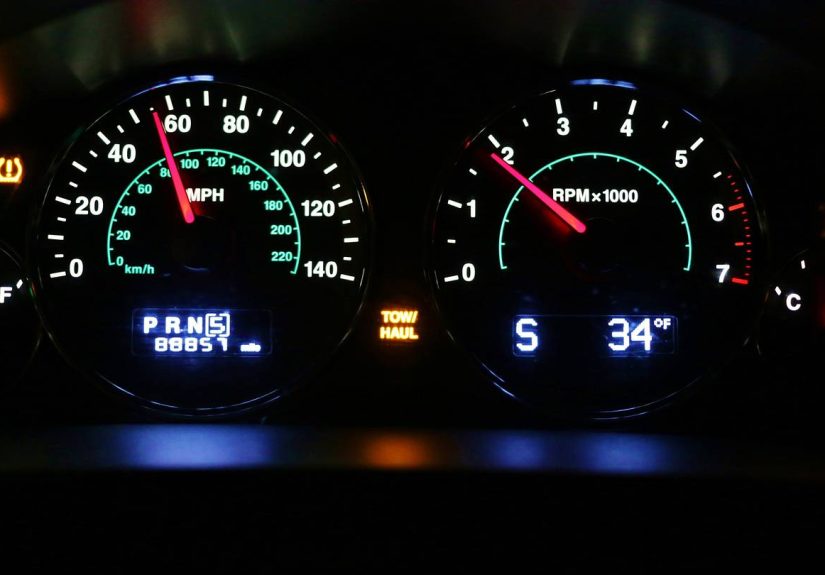
Understanding common car dashboard symbols can help you make smarter, safer decisions on the road. A red oil can, a thermometer floating in liquid, a horseshoe-shaped tire icon, or a tiny engine outline can all point to very different problems. Some mean you should pull over as soon as it is safe. Others mean you should schedule service soon. A few simply mean a feature is switched on.
This guide explains 18 common dashboard warning lights, what they usually mean, what you should do next, and when it is time to call a professional. Because while your car may not speak English, it does speak dashboard.
First, Know the Dashboard Light Color Code
Before decoding individual dashboard symbols, pay attention to color. Automakers vary, but most vehicles follow a familiar pattern:
Red Dashboard Lights
Red usually means urgent. It may involve braking, oil pressure, overheating, seat belts, airbags, or another safety-related system. When a red warning light appears while driving, reduce speed, avoid aggressive maneuvers, and pull over safely if the light indicates a serious issue.
Yellow or Amber Dashboard Lights
Yellow or amber means caution. Your car is telling you something needs attention, but you may not need to stop immediately. Examples include the check engine light, tire pressure warning, ABS warning, or traction control alert.
Green, Blue, or White Dashboard Lights
Green, blue, and white symbols are often informational. They usually show that a feature is active, such as headlights, high beams, cruise control, or lane assist. They are less dramatic, like your car politely clearing its throat instead of screaming.
1. Check Engine Light
The check engine light is one of the most famous car dashboard symbols, mostly because it inspires instant dread. It usually looks like a small engine outline and may appear yellow, amber, or orange.
This warning light can mean many things: a loose gas cap, a faulty oxygen sensor, a misfire, an emissions-system problem, or a more serious engine issue. If the light is steady, the vehicle may still be drivable, but you should schedule a diagnostic scan soon. If the check engine light is flashing, treat it as urgent. A flashing light can signal a misfire that may damage the catalytic converter.
What to do: Check that the gas cap is tight if your vehicle has one. If the light stays on, get the diagnostic trouble codes read by a mechanic or auto parts professional.
2. Oil Pressure Warning Light
The oil pressure warning light usually looks like an old-fashioned oil can with a drop coming out of it. It is one of the lights you should never ignore. Your engine needs oil pressure to keep moving metal parts lubricated. Without it, the engine can suffer serious damage quickly.
This symbol may mean your oil level is dangerously low, the oil pump is failing, or there is a pressure problem inside the engine. Unlike a routine oil change reminder, the oil pressure warning light is urgent.
What to do: Pull over safely, turn off the engine, and check the oil level if you can do so safely. If the light remains on after adding the correct oil, do not keep driving. Call roadside assistance or a repair shop.
3. Battery or Charging System Light
This dashboard symbol looks like a small battery with plus and minus signs. Many drivers assume it means the battery itself is dead, but it often points to the charging system. The alternator, battery connections, serpentine belt, or electrical system may be involved.
If the battery light turns on while driving, your car may be running on stored battery power. Once that power runs out, the engine can stall and electrical systems may shut down.
What to do: Turn off unnecessary electrical accessories, such as heated seats or extra lights, and drive to a safe location or repair facility. Do not assume the car will restart if you turn it off.
4. Brake System Warning Light
The brake warning light may appear as the word “BRAKE,” an exclamation point inside a circle, or a similar red symbol. Sometimes it simply means your parking brake is engaged. Other times, it can indicate low brake fluid or a brake system issue.
Because brakes are not exactly optional equipment, this symbol deserves immediate attention. If the light stays on after you fully release the parking brake, the problem may be more serious.
What to do: Make sure the parking brake is off. If the light remains on, drive cautiously only if braking feels normal and you are close to a safe place. If the brake pedal feels soft, low, or unusual, stop driving and get help.
5. ABS Warning Light
The ABS warning light stands for Anti-lock Braking System. It usually appears as “ABS” inside a circle. ABS helps prevent wheel lockup during hard braking, especially on slippery roads.
If this light comes on, your regular brakes may still work, but the anti-lock feature may not function properly. That means emergency braking could become less controlled.
What to do: Schedule service soon. If the ABS light appears with the red brake warning light, treat it as more urgent and avoid driving until the brake system is inspected.
6. Tire Pressure Warning Light
The tire pressure monitoring system light, or TPMS light, often looks like a horseshoe or tire cross-section with an exclamation point. It means one or more tires may be underinflated. In some vehicles, it can also indicate a fault in the TPMS system itself.
Low tire pressure can reduce fuel economy, shorten tire life, affect handling, and increase the risk of tire damage. Cold weather can also trigger the light because tire pressure drops as temperature falls.
What to do: Check tire pressure with a reliable gauge when the tires are cold. Inflate tires to the pressure listed on the driver-side door jamb label, not the maximum pressure printed on the tire sidewall.
7. Engine Temperature Warning Light
This symbol usually looks like a thermometer floating in liquid. It means the engine is overheating or the coolant temperature is too high. Ignoring this light can lead to engine damage, especially if the temperature keeps climbing.
Possible causes include low coolant, a faulty thermostat, a bad water pump, a cooling fan problem, or a leak. Steam from under the hood is a strong sign that your car is not just “having a moment.”
What to do: Pull over safely and turn off the engine. Do not open a hot radiator cap. Let the engine cool before checking coolant levels. If the warning returns, call for service.
8. Airbag Warning Light
The airbag warning light may show a seated person with a circle in front, or it may say “AIRBAG” or “SRS.” SRS stands for Supplemental Restraint System.
If this light stays on, the airbag system may not deploy correctly in a crash, or it may have a fault that needs inspection. Since airbags are part of the vehicle’s safety system, this is not a light to ignore until “someday.” Someday has a habit of arriving at inconvenient speeds.
What to do: Have the system diagnosed by a qualified technician as soon as possible.
9. Seat Belt Reminder Light
The seat belt symbol usually looks like a person wearing a belt. It may be paired with a chime that somehow becomes more annoying with every second. This light means the driver or a passenger has not buckled up, or the vehicle thinks someone is sitting in a seat without a fastened belt.
What to do: Buckle all occupied seats. If the light stays on when everyone is buckled, check for heavy objects on passenger seats or a possible seat sensor issue.
10. Low Fuel Light
The low fuel light usually looks like a gas pump. It means your fuel level is low and it is time to stop pretending you can make it “just one more exit.”
How far you can drive after the low fuel light comes on depends on the vehicle, driving conditions, and how much fuel remains. Driving frequently on near-empty can also stress the fuel pump in some vehicles.
What to do: Refuel soon. Do not rely on range estimates as if they are sacred prophecy.
11. Traction Control Light
The traction control symbol often shows a car with squiggly skid marks behind it. If it flashes briefly, the system is probably working to help maintain grip on slippery roads. If it stays on, traction control may be turned off or the system may have a fault.
Traction control works with sensors to reduce wheel spin. It can be helpful during rain, snow, gravel, or sudden acceleration on slick pavement.
What to do: If it flashes, drive smoothly and avoid sudden inputs. If it stays on, check whether traction control was manually disabled. If not, schedule service.
12. Stability Control Warning Light
Stability control is related to traction control but focuses more on helping the vehicle stay on its intended path. The symbol may resemble the traction control light, often a car with wavy lines.
If the light flashes, the system is actively helping correct skidding or loss of control. If it remains on, the system may be unavailable.
What to do: Slow down in poor weather or slippery conditions. If the light stays on after restarting the vehicle, have it checked.
13. Power Steering Warning Light
The power steering warning light may look like a steering wheel with an exclamation point. It can indicate a problem with electric power steering or, in some vehicles, low power steering fluid.
When power steering fails, the steering wheel may become much harder to turn, especially at low speeds. You may still be able to steer, but parking-lot maneuvers can suddenly feel like an arm workout you did not sign up for.
What to do: Pull over safely if steering feels abnormal. Restarting the vehicle may reset some electric systems, but a recurring warning needs professional diagnosis.
14. Transmission Temperature Warning Light
This symbol may look like a thermometer inside a gear or a warning light related to the transmission. It means the transmission fluid temperature is too high. This can happen during towing, climbing hills, driving in extreme heat, or when transmission fluid is low or degraded.
Overheated transmission fluid can reduce lubrication and damage internal components. Transmission repairs are famously expensive, so this light deserves respect.
What to do: Pull over safely, shift into park, and allow the vehicle to cool. Check the owner’s manual for vehicle-specific guidance. If the light returns, get service promptly.
15. Door Ajar Light
The door ajar light shows a car with open doors. It means one or more doors, the trunk, liftgate, or hood may not be fully closed.
This may seem minor, but an unsecured door or hatch can be dangerous. It can also drain the battery if interior lights stay on.
What to do: Stop in a safe place and close all doors, trunk, hatch, and hood firmly. If the light remains on, a latch or sensor may need attention.
16. Washer Fluid Warning Light
The washer fluid symbol often looks like a windshield with spray or droplets. It means your windshield washer fluid is low.
This is not usually an emergency, but it matters more than people think. Mud, road salt, bugs, and grime can reduce visibility quickly. Clear glass is not a luxury; it is a safety feature.
What to do: Refill the washer fluid reservoir with proper windshield washer fluid. In cold climates, use a formula rated for freezing temperatures.
17. High Beam Indicator
The high beam indicator is usually blue and looks like a headlight with straight horizontal beams. It means your high beams are on.
High beams improve visibility on dark roads, but they can blind oncoming drivers or drivers ahead of you. Nobody wants to be roasted by your headlights like a raccoon in a stage spotlight.
What to do: Use high beams only when appropriate. Dim them for oncoming traffic and when following another vehicle.
18. Maintenance Required or Service Reminder Light
A maintenance required light may say “MAINT REQD,” “SERVICE,” or display a wrench icon. This symbol usually means routine maintenance is due, such as an oil change, tire rotation, inspection, or scheduled service interval.
This is different from the check engine light. A service reminder is often based on mileage, time, or oil-life monitoring. It does not always mean something is broken, but ignoring maintenance is how small problems grow into invoices with too many digits.
What to do: Check your owner’s manual or maintenance schedule. Complete the required service and reset the reminder according to your vehicle’s instructions.
How to Respond When a Dashboard Warning Light Comes On
When a dashboard warning light appears, do not panic. Your best response depends on the symbol, color, and how the vehicle feels. A red oil pressure light requires a different reaction than a low washer fluid light. A flashing check engine light is more serious than a steady one. A traction control light flashing during rain may simply mean the system is doing its job.
Step 1: Notice the Color
Red usually means stop safely or act immediately. Yellow means caution and service soon. Green or blue usually means a feature is active.
Step 2: Pay Attention to Driving Symptoms
If the car is overheating, losing power, making new noises, smelling like burning, or steering or braking strangely, pull over safely. Dashboard lights plus symptoms are your car’s version of sending a strongly worded email.
Step 3: Check the Owner’s Manual
Symbols can vary by manufacturer and model year. Your owner’s manual is the most accurate source for your specific vehicle. Many newer vehicles also include digital manuals in the infotainment system or mobile app.
Step 4: Do Not Ignore Repeat Warnings
If a warning light disappears and then returns, the problem may still exist. Intermittent warnings can point to failing sensors, loose connections, low fluid levels, or developing mechanical issues.
of Real-World Experience: What Dashboard Lights Teach Drivers
After years of hearing stories from drivers, mechanics, commuters, and road-trip warriors, one lesson is clear: dashboard symbols rarely choose a convenient time to appear. They love Monday mornings, rainy nights, long bridges, school pickup lines, and the exact moment you are already late. But the way you respond can make the difference between a quick fix and a wallet-sized tragedy.
One common experience involves the tire pressure light. Many drivers see the little horseshoe-shaped symbol on the first cold morning of the season and immediately fear a flat tire. Sometimes it is simply temperature-related pressure loss. Still, the correct move is to check all four tires with a gauge. Guessing by looking at the tire is unreliable because modern radial tires can look normal even when they are low. The smart habit is simple: keep a tire gauge in the glove box and check pressure monthly. It is not glamorous, but neither is waiting beside a highway with a sad-looking spare tire.
The check engine light is another classic dashboard drama. A steady light can be caused by something as simple as a loose fuel cap, but it can also point to sensor or emissions problems. Many drivers make the mistake of ignoring it because the car “feels fine.” That may work for a day, but it is not a strategy. Modern vehicles use computers to detect issues before they become obvious. Getting a scan early can save money and prevent a small problem from becoming a performance or fuel-economy issue.
Then there is the oil pressure light, the tiny oil can that deserves celebrity-level respect. Experienced drivers know this one is not a “wait until Saturday” light. When oil pressure drops, the engine may be at risk quickly. The safest habit is to pull over, shut off the engine, and investigate. If you are not sure what to do, calling for help is far cheaper than replacing an engine.
Brake warning lights also create confusion. Sometimes the parking brake is slightly engaged, especially in older vehicles or cars with manual parking brakes. Other times, the issue can be low brake fluid or a brake system fault. A practical driver checks the simple possibility first, then pays attention to pedal feel. If the brake pedal feels soft, spongy, or different, that is not a mystery to solve later. That is a stop-driving-now situation.
Another useful experience: dashboard lights often appear together. For example, ABS, traction control, and stability control lights may illuminate at the same time because these systems share wheel-speed sensors. That does not automatically mean all three systems failed; it may mean one sensor or wiring issue is affecting multiple features. This is why proper diagnostics matter. Replacing parts based on guesses can become expensive fast.
The best driver mindset is calm curiosity. A warning light is not always a disaster, but it is information. Read it, respect it, and respond based on urgency. Keep your owner’s manual accessible, maintain fluids and tire pressure, and do not wait for small warnings to become big roadside stories. Your dashboard is not trying to annoy you. It is trying to keep you from starring in an episode of “Why Is My Car Smoking?”
Conclusion: Learn the Lights Before They Light Up
Car dashboard symbols are easy to ignore until one suddenly appears and turns your peaceful drive into a guessing game. Knowing the meaning of common dashboard warning lights helps you stay safer, protect your vehicle, and avoid unnecessary repair costs. Red lights usually deserve immediate attention, yellow lights call for caution and service, and green or blue lights often show that a system is active.
The most important takeaway is simple: your dashboard is a communication tool. A check engine light, oil pressure warning, battery light, brake alert, or tire pressure symbol is not decorative. It is your car giving you a chance to act before trouble gets worse. Learn the symbols, keep up with maintenance, and when in doubt, check the owner’s manual or ask a qualified technician.
Editorial note: This article is based on general automotive safety guidance, manufacturer owner resources, and widely accepted vehicle maintenance practices. Dashboard symbols vary by make, model, and year, so always follow your specific owner’s manual for exact meanings and instructions.






 Close
Close