
Table of Contents >> Show >> Hide
- Why Homemade Mulch Is Worth It
- What You Can Use to Make Mulch Without a Chipper
- What Not to Use
- How to Make Your Own Mulch Without a Chipper
- A Simple DIY Mulch Recipe for Most Gardens
- How Much Mulch to Apply
- Best Uses for Different Homemade Mulches
- Common Mistakes to Avoid
- What to Do with Branches If You Do Not Own a Chipper
- Specific Examples of Homemade Mulch That Work
- What the Experience Is Really Like When You Mulch This Way
- Final Thoughts
If you have ever stared at a pile of fallen leaves, grass clippings, and scraggly garden trimmings and thought, Surely this yard mess can become something useful, congratulations: you are already halfway to making your own mulch. The good news is that you do not need a chipper, a giant budget, or the upper-body strength of a competitive lumberjack. In most home gardens, the best DIY mulch comes from ordinary yard materials that can be shredded, chopped, layered, or partially composted with tools you probably already own.
Homemade mulch is one of the easiest ways to save money, reduce waste, and improve your soil at the same time. It helps the ground hold moisture, slows down weeds, softens temperature swings, and gradually feeds the soil as it breaks down. In other words, it is the closest thing gardening has to a multitool. And unlike some “miracle” garden products, this one is usually sitting in a pile by your fence waiting for you to notice it.
Why Homemade Mulch Is Worth It
Mulch is not just decorative fluff sprinkled on top of the soil to make the garden look finished. A good mulch layer acts like a protective blanket. It helps keep the soil from drying out too quickly in hot weather, reduces splashing that can spread soil-borne problems onto leaves, slows erosion during heavy rain, and makes it harder for weed seeds to germinate. If you are gardening in raised beds, in-ground rows, flower borders, or around shrubs, mulch can save real time and real water.
Making your own mulch also solves a very practical problem: what to do with all that organic debris. Leaves, clippings, pulled annuals, soft stems, and old plant material do not have to be bagged up and banished like they offended you personally. Much of it can be turned into a useful soil-covering material right on site. That means fewer yard waste bags, fewer trips to the curb, and fewer moments of paying for mulch while standing next to a mountain of free mulch ingredients.
What You Can Use to Make Mulch Without a Chipper
Shredded Leaves
Leaves are the MVP of homemade mulch. They are abundant, free, and easy to process with a lawn mower or string trimmer. Shredded leaves break down faster than whole leaves, stay in place better, and form a more even layer over the soil. Around trees, shrubs, and perennial beds, leaf mulch looks natural and works beautifully.
Whole leaves can mat together, especially large slick ones, which can block water and air. That is why shredding matters. Once chopped, leaves become lighter, fluffier, and much easier to spread. If your yard gives you a glorious annual leaf avalanche, accept the gift.
Grass Clippings
Grass clippings can make a good mulch, but they need a little finesse. A thick, wet slab of fresh grass clippings can turn into a slimy green lasagna nobody asked for. A thin layer, or a layer made from drier clippings, works much better. Use them around vegetable plants, between rows, or in combination with shredded leaves to improve texture and airflow.
Only use clippings from lawns that have not been treated recently with herbicides, and avoid clippings that are full of weed seeds. Your goal is mulch, not botanical revenge.
Pine Needles
If you have pine trees, you already have a ready-made mulch source. Pine needles are lightweight, tidy-looking, and especially useful around shrubs, pathways, strawberries, blueberries, and ornamental beds. They knit together well, resist blowing around once settled, and allow water to move through.
Compost
Finished compost is technically more of a soil amendment than a chunky mulch, but it can absolutely be used as a top layer around vegetables, herbs, and annual flowers. It looks neat, feeds the soil, and works especially well when paired with a rougher material like leaves or pine needles layered on top.
Soft Garden Trimmings and Spent Plants
Soft stems from annual flowers, spent bean vines, faded basil stalks, cut-back perennials, and other non-diseased plant leftovers can be chopped up and used as part of a homemade mulch blend. These materials break down more quickly than woody branches, so they are ideal for vegetable beds and seasonal garden areas.
Small Twigs and Semi-Woody Stems
You can use some twiggy material without a chipper, but only if you cut it down small enough. Think pencil-thin stems, dry flower stalks, or soft prunings cut into short pieces with pruners or loppers. Big branches are not DIY mulch without serious equipment. They are better saved for a brush pile, firewood, or municipal pickup.
What Not to Use
Not every yard scrap deserves a place in your mulch pile. Skip anything that could create problems later:
- Plant material with obvious disease symptoms
- Grass clippings from lawns treated with herbicides
- Weeds that have gone to seed
- Leaves from black walnut trees
- Thick woody branches you cannot chop down to size
- Glossy or heavily printed paper products
- Any mystery material that smells chemical, oily, or questionable
Homemade mulch should improve the garden, not turn it into a science fair project.
How to Make Your Own Mulch Without a Chipper
1. Shred Leaves with a Lawn Mower
This is the easiest method for most gardeners. Spread dry leaves across the lawn or driveway and mow over them several times until they are chopped into small bits. If your mower has a bag attachment, even better. You can collect the shredded leaves and carry them straight to the beds.
Dry leaves process much better than soggy ones. Wet leaves tend to clump, smear, and generally behave like they are protesting the whole arrangement.
2. Use a String Trimmer in a Trash Can
No mower? A sturdy garbage can and a string trimmer can do the job. Fill the can partway with dry leaves, then carefully use the trimmer to chop them up. This method is surprisingly effective for small batches and works well if you need mulch for containers, herb beds, or one or two borders instead of an entire yard.
3. Chop Soft Stems by Hand
Use hand pruners, loppers, or even a sharp spade on a chopping block to cut up corn stalks, flower stems, sunflower stalks, and other non-woody or semi-woody material. The goal is not perfection. You are simply reducing the size so the material spreads more evenly and decomposes faster.
4. Mix Your Materials
The best homemade mulch is often a blend. Combine shredded leaves with a light amount of dry grass clippings, pine needles, or finished compost. A mixed mulch is usually less likely to mat, more attractive to spread, and better balanced as it breaks down.
5. Try Sheet Mulching for New Beds
If you are starting a new bed or trying to smother grass or weeds, lay down damp cardboard or several layers of newspaper first, then cover it with your homemade organic mulch. This approach is often called sheet mulching. It is especially useful for creating new garden areas without digging up every inch by hand.
The important part is not to stop with bare cardboard. Cover it well with organic material, keep it moist while it settles, and do not let the paper layer remain a permanent, exposed barrier.
6. Let It Age a Little
If your materials are rough, let them sit in a loose pile for a few weeks before spreading them. This softens the texture, knocks down the volume, and starts the decomposition process. You do not need fully finished compost to make mulch, but a short resting period can make coarse materials friendlier to work with.
A Simple DIY Mulch Recipe for Most Gardens
If you want a reliable, low-drama blend, use this homemade mulch formula:
- 3 parts shredded leaves
- 1 part dry grass clippings or pine needles
- 1 part finished compost or chopped soft garden debris
Spread the blend around plants in an even layer. For most beds, aim for about 2 to 4 inches. Use the thinner end of that range around vegetables and smaller annuals, and the thicker end around shrubs, trees, and perennial borders.
How Much Mulch to Apply
This is where enthusiastic gardeners sometimes get carried away. More mulch is not always better. A sensible layer usually works best:
- Vegetable beds and annual flowers: about 1 to 2 inches of finer mulch
- Perennial beds: about 2 to 3 inches
- Trees and shrubs: about 2 to 4 inches, depending on material
- Leaf mulch around shrubs and trees: often 3 to 4 inches works well
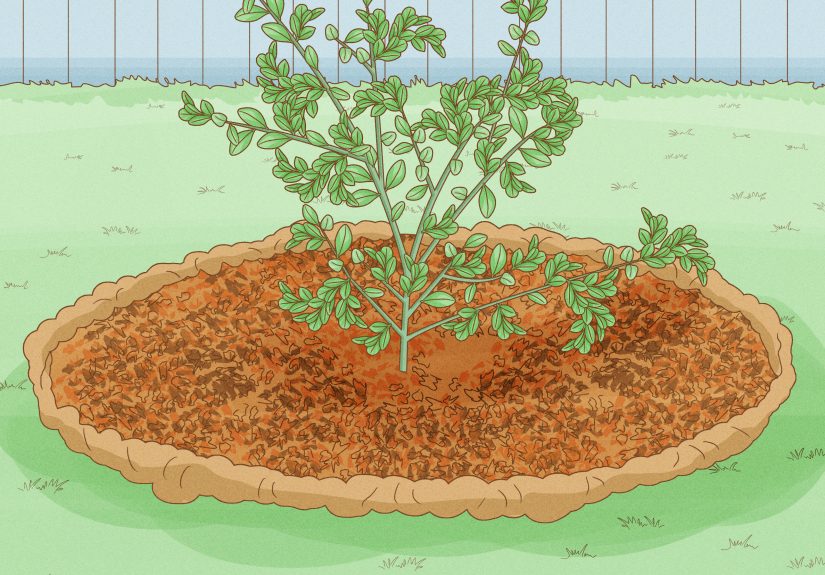
Always keep mulch pulled back from plant crowns, stems, and trunks. Do not pile it against the base like a tiny volcano of good intentions. That traps moisture where it should not be, encourages rot, and can invite pests.
Best Uses for Different Homemade Mulches
For Vegetable Gardens
Use shredded leaves, compost, pine needles, or light layers of dry grass clippings. These are easy to move aside when planting and break down quickly enough to suit a seasonal bed.
For Trees and Shrubs
Use leaf mulch, pine needles, or coarse organic mulch. Fresh arborist chips can work well around trees and shrubs if they stay on top of the soil rather than being dug in.
For Garden Paths
Rougher materials can go here, including coarse leaf blends, woodier chips you acquired from a local tree service, or less-polished chopped debris. Paths are forgiving and do not care if your mulch is not magazine-cover pretty.
Common Mistakes to Avoid
Homemade mulch is wonderfully forgiving, but a few mistakes can make it less effective:
- Using whole leaves that mat into a soggy blanket
- Applying grass clippings too thickly
- Mulching over diseased plant material
- Using weed-seed-filled debris
- Piling mulch against stems and trunks
- Creating a paper barrier so thick that water cannot move through well
- Trying to turn large branches into mulch without the right tools
The final one is especially important. If the material is woody enough to fight back, it probably does not belong in your no-chipper mulch plan.
What to Do with Branches If You Do Not Own a Chipper
This is the part nobody says out loud enough: you do not have to process every bit of yard waste into mulch. Thick sticks and branches are a different category. If they are larger than small prunings, save yourself the frustration. Stack them for kindling, add them to a brush pile for wildlife where appropriate, bundle them for yard pickup, or have them chipped professionally if you generate a lot of woody debris.
Without a chipper, your sweet spot is leaves, needles, grass, compost, and soft or small trimmings. That is still more than enough to make excellent mulch for most home gardens.
Specific Examples of Homemade Mulch That Work
Example 1: The Fall Cleanup Mulch
Rake dry leaves, mow them twice, mix in a few scoops of compost, and spread 2 to 3 inches around perennial beds. This is simple, cheap, and excellent for winter soil protection.
Example 2: The Vegetable Row Mulch
Use shredded leaves mixed with a small amount of dry grass clippings between tomato, pepper, or squash plants after the soil warms. It cuts down on splash, slows weeds, and keeps moisture more consistent.
Example 3: The New Bed Starter
Lay cardboard over grass, wet it thoroughly, top it with compost, then finish with shredded leaves or pine needles. This is a practical way to convert lawn into planting space without renting equipment or declaring war on your back.
What the Experience Is Really Like When You Mulch This Way
The real experience of making your own mulch without a chipper is much less glamorous than those polished garden photos with perfect bark nuggets and spotless gloves. It usually starts with a yard that looks slightly chaotic and a gardener who decides, quite sensibly, that paying for mulch while standing ankle-deep in free leaves is a little ridiculous. Then comes the moment of experimentation.
At first, the materials can seem underwhelming. A pile of leaves does not look like “mulch.” Grass clippings look even less promising, especially when they are fresh and bright green. Spent flower stalks look like the leftovers of a bad garden party. But once you start reducing the size of the material, everything changes. Run leaves over with a mower, and suddenly they become fluffy, dark, and easy to spread. Mix those shredded leaves with a little compost, and it starts to look like something you would actually want around your plants.
One of the first things gardeners notice is how much softer the garden begins to feel. Beds that were crusty and quick to dry out stay damp longer. Weeds do not disappear forever, because weeds are eternal optimists, but they do slow down enough to make hand-pulling feel manageable rather than soul-crushing. Watering becomes less frantic. Plants look less stressed during hot stretches. The whole garden starts acting like it has a better support system.
There is also a learning curve, and it is usually a funny one. Most people overdo grass clippings exactly once. That is how they discover the smell and texture of a compacted green mat that resembles cooked spinach nobody ordered. Most gardeners also try using whole leaves once, then learn why shredded leaves are worth the extra ten minutes. Homemade mulch is generous, but it does have opinions.
Another common experience is that the garden becomes more seasonal in a satisfying way. Fall leaves become winter protection. Spring clippings become summer mulch. Old annuals become part of next season’s soil cover. Instead of seeing yard debris as trash, you start seeing a cycle. The garden begins to feed itself, at least in part, and that feels surprisingly rewarding.
Perhaps the best part is that homemade mulch lowers the pressure to be perfect. It does not need to match. It does not need to look store-bought. It just needs to work. And in many home gardens, the best-looking beds are not the ones with the most expensive mulch, but the ones with healthy soil, fewer weeds, and plants that are not constantly begging for water like dramatic Victorian relatives.
So yes, the process is a little scrappy. It may involve a mower, a rake, a trash can, and a level of improvisation that would make a tidy-minded catalog stylist nervous. But it works. And once you see how well a homemade mulch layer performs, it becomes very hard to look at a pile of leaves as anything other than garden gold in a crinkly disguise.
Final Thoughts
If you want a healthier garden without buying bag after bag of mulch, making your own is one of the smartest habits you can build. Start with what your yard naturally gives you: leaves, clippings, needles, compost, and soft trimmings. Shred what you can, chop what makes sense, layer it thoughtfully, and keep it a few inches away from stems and trunks. That is really the heart of it.
You do not need a chipper to mulch like a pro. You just need good materials, a little patience, and the willingness to look at yard debris and say, “Nice try, but you are absolutely becoming garden mulch.”






 Close
Close