
Table of Contents >> Show >> Hide
- What Is Browallia, and Why Gardeners Love It
- Best Growing Conditions for Browallia
- How to Plant Browallia in the Ground
- How to Grow Browallia in Containers and Hanging Baskets
- Starting Browallia from Seed
- Browallia Care Through the Season
- Pests, Problems, and Practical Fixes
- Safety Notes: Pets and Placement
- Can You Overwinter Browallia?
- Quick Browallia Success Plan
- Field Notes: of Real-World Browallia Growing Experience
- Conclusion
If your garden has that one stubborn corner where sunbeams show up late, leave early, and generally act uncommitted, Browallia is your new best friend.
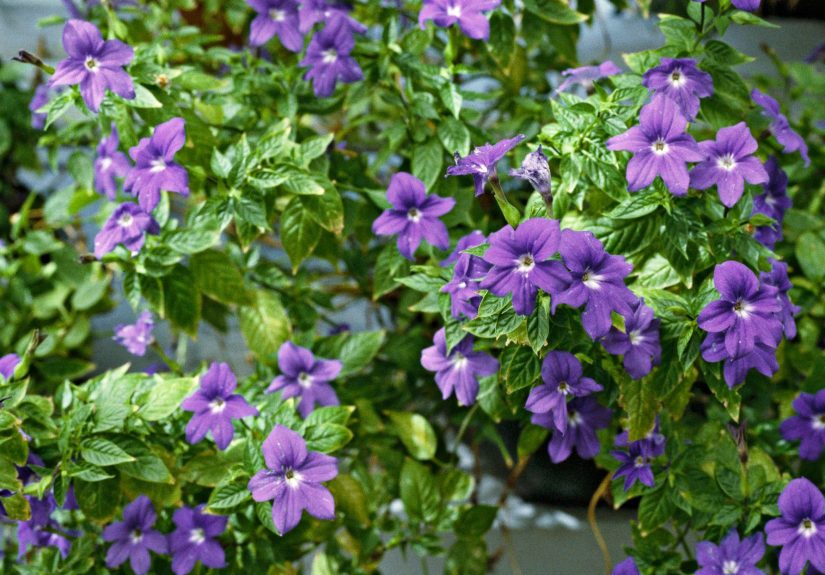
Also known as amethyst flower or bush violet, Browallia delivers a long season of blue, violet, or white star-shaped blooms with very little drama.
It’s a tropical perennial in warm climates, but most U.S. gardeners grow it as a warm-season annualespecially in containers, hanging baskets, and shady borders.
This guide walks you through exactly how to plant and grow Browallia: where it performs best, how to start seeds, how to keep flowers coming, and how to avoid the classic mistakes
(like feeding it so much fertilizer that it forgets to bloom). You’ll also find practical examples, troubleshooting tips, and a longer grower-experience section at the end to help you
turn advice into real garden wins.
What Is Browallia, and Why Gardeners Love It
Browallia belongs to the nightshade family and is typically sold as an annual bedding plant in the U.S. Depending on variety, it usually grows in a neat mound
from about 8 inches to 24 inches tall and wide. The flowers are usually rich violet-blue with pale centers, though white and lighter blue forms are common.
The biggest selling points:
- Excellent shade performance: one of the better annual flowers for part shade to shade beds.
- Long bloom window: often from late spring into fall in frost-free periods.
- Container-friendly shape: mounded, tidy, and easy to pair with trailing plants.
- Low maintenance: usually no constant deadheading routine needed.
Translation: it looks expensive, acts polite, and doesn’t demand a full-time gardener.
Best Growing Conditions for Browallia
Light: Bright Shade Is the Sweet Spot
Browallia performs best in part shade to full shade in most gardens, especially where summers are hot. In cooler regions, it can tolerate more sun, but harsh afternoon sun can scorch foliage.
A simple rule: morning sun is welcome, intense afternoon sun is not.
Soil: Rich, Well-Drained, Evenly Moist
Give Browallia organically rich soil with good drainage and steady moisture. It dislikes drought and also dislikes soggy roots. Aim for a soil pH from slightly acidic to neutral
(roughly around 6.0 to 7+ works well in practice), and improve texture with compost before planting.
Temperature: Warm-Weather Plant, Zero Patience for Frost
Browallia is heat tolerant and humidity tolerant, but it is not frost tolerant. Plant outdoors only after danger of frost has passed.
In USDA Zones 9–11, it may behave as a short-lived perennial; elsewhere, grow it as an annual.
Spacing
Most varieties do well at approximately 8–12 inches apart (or a little wider for vigorous selections). Proper spacing improves airflow and reduces pest pressure in humid weather.
How to Plant Browallia in the Ground
- Pick the right date. Wait until after your local last frost date and when nights stay reliably mild.
- Prep the bed. Loosen soil to about 8–10 inches deep and mix in compost. If your soil is heavy clay, add organic matter generously to improve drainage.
- Hydrate before planting. Water transplants in their nursery pots so root balls slide out cleanly and roots are less stressed.
- Plant at original depth. Dig holes as deep as the root ball and slightly wider, set plants level with surrounding soil, then firm gently.
- Space properly. Usually 8–12 inches apart, depending on variety and your desired fullness.
- Water in thoroughly. One deep watering right after planting helps settle soil and remove air pockets.
- Mulch lightly. A thin mulch layer helps keep soil moisture even and reduces splash-borne stress.
Example: In an Atlanta Zone 8 garden, plant in mid-to-late spring after frost risk passes. In Minneapolis Zone 4/5, you’ll typically plant later in spring once nights warm up.
How to Grow Browallia in Containers and Hanging Baskets
Browallia shines in pots, window boxes, and hanging baskets. It works as either:
- the filler in mixed containers, or
- the feature in monochrome blue/white shade combos.
Container Setup Checklist
- Use a pot with large drainage holes.
- Use high-quality potting mix (not dense garden soil).
- Blend in compost or organic matter for moisture balance.
- Water more frequently than in-ground plants, especially in summer heat.
- Feed lightly but regularly during active bloom.
Simple Design Recipes
Recipe 1: Cool Shade Basket
Browallia (blue) + white bacopa + trailing ivy.
Recipe 2: Porch Pop
White Browallia + chartreuse sweet potato vine + soft pink impatiens.
Keep texture contrast in mind: Browallia’s starry flowers and mid-sized leaves pair beautifully with finer trailing foliage.
Starting Browallia from Seed
Growing Browallia from seed is straightforward once you know one key detail: the seeds prefer light for germination. Do not bury them deeply.
Seed-Starting Timeline
- 8–10 weeks before last frost: sow seeds indoors.
- Germination: often around 2–3 weeks under proper moisture and light.
- After true leaves appear: pot up seedlings individually.
- ~2 weeks before transplanting: begin hardening off gradually.
- After frost danger: transplant outdoors.
How to Sow
- Fill trays with sterile seed-starting mix and moisten evenly.
- Surface-sow seeds; gently press to ensure seed-to-medium contact.
- Cover very lightly (if at all) with fine vermiculite.
- Provide bright light and steady warmth.
- Keep medium consistently moist, never waterlogged.
Hardening Off Without Heartbreak
Move seedlings outdoors gradually over about 10–14 days: first a couple of hours in sheltered shade, then increase time and light exposure daily.
This step toughens tissue, reduces transplant shock, and prevents the “I looked great yesterday, now I’m sad spaghetti” scenario.
Browallia Care Through the Season
Watering
Browallia likes evenly moist soil. Water deeply when the top inch feels slightly dry, especially in containers. Avoid chronic drought stress; flowering drops fast when the plant dries out repeatedly.
Fertilizing
Use a balanced fertilizer at light-to-moderate rates during bloom season (many gardeners do well with about monthly feeding in containers).
Avoid overfeeding nitrogen: too much fertilizer means lush leaves and fewer flowers.
Pinching and Pruning
Pinch growing tips early to encourage branching and a fuller mound. If plants get leggy in late summer, a gentle shear can refresh growth.
Many Browallia varieties self-clean reasonably well, so deadheading is often optional.
Mulch and Weed Management
A light mulch helps regulate soil moisture and reduce competition from weeds. Keep mulch off stems to prevent excess moisture around the crown.
Pests, Problems, and Practical Fixes
Browallia has relatively few major disease issues, but you may see aphids, whiteflies, thrips, spider mites, or leafhoppers.
Most outbreaks are manageable with quick action.
Integrated Pest Management (IPM) Approach
- Inspect weekly: especially undersides of leaves and tender new growth.
- Start mechanical: hose off light infestations with a strong spray of water.
- Reduce stress: avoid drought and overcrowding; stressed plants attract pests faster.
- Avoid over-fertilizing nitrogen: tender flushes can invite aphids.
- Use low-toxicity options if needed: insecticidal soap or horticultural oil, applied per label.
Common Symptom Decoder
- Lots of leaves, few flowers: too much fertilizer, insufficient light, or both.
- Leaf scorch: too much direct afternoon sun.
- Wilting despite watering: poor drainage/root stresscheck pot drainage and soil structure.
- Sticky leaves: likely honeydew from sap-feeding pests (often aphids/whiteflies).
Safety Notes: Pets and Placement
Browallia is reported as toxic if ingested by pets. If you garden with curious dogs or cats, place containers out of reach and avoid planting in pet play zones.
In family landscapes, this is easy to handle with thoughtful placement and supervision.
Can You Overwinter Browallia?
In warm climates (Zones 9–11), Browallia may persist as a perennial. In colder regions, most gardeners replant annually.
If you want to try overwintering:
- Move container plants indoors before cold nights arrive.
- Place in bright light (a sunny window or strong supplemental grow light).
- Cut back lightly to manageable size.
- Water less in winter but do not let roots fully dry out.
Overwintering can work, but starting fresh plants each spring is often simpler and gives stronger seasonal performance.
Quick Browallia Success Plan
If you want the short version, here it is:
- Plant after frost in part shade.
- Use rich, well-drained, consistently moist soil.
- Pinch tips early for a fuller plant.
- Feed lightly; never overfeed nitrogen.
- Watch weekly for aphids/whiteflies and act early.
Follow that five-step routine, and your Browallia should reward you with months of jewel-toned flowers.
Field Notes: of Real-World Browallia Growing Experience
The most useful way to understand Browallia is to look at how it behaves in real gardens, not just in labels and catalogs.
In composite grower reports across different U.S. climates, Browallia performs like a “forgiving specialist”: forgiving once established, but specific about two thingsfrost timing and moisture consistency.
In a humid Southeast garden, one grower used Browallia as the anchor in three shaded porch containers. The plants were set out about a week after the local last frost, with a high-quality potting mix and compost blend.
During the first month, growth was steady but modest. By early summer, after one tip-pinching pass, the plants filled in dramatically and covered the pot edges.
The grower’s biggest lesson was watering rhythm: every time containers were allowed to dry hard, flower count dipped for 7–10 days.
Once watering became consistent (not excessive, just consistent), bloom performance stabilized and remained strong through heat and humidity.
In a Midwestern yard with bright morning sun and afternoon shade, Browallia was tested beside impatiens and coleus in a front-border strip.
Browallia flower color held especially well in filtered light, and the plants stayed compact with minimal correction.
The surprise came in midsummer when fertilization was doubled “for extra blooms.” Result: extra leaves, fewer flowers.
After switching back to lighter feeding and reducing nitrogen-heavy products, flowering resumed.
This pattern repeats in many home gardens: Browallia does not respond well to the “more fertilizer equals more flowers” assumption.
In a dry Western container setup, Browallia did well only after irrigation was adjusted from shallow daily splashes to deeper, less frequent watering.
Shallow watering encouraged surface roots and midday stress; deeper watering helped roots move down, improved resilience, and reduced wilt cycles.
The grower also used a thin mulch layer over the potting mix to slow evaporation. That single change noticeably reduced the “afternoon droop” look.
Pest experiences were fairly predictable. Most growers reported occasional aphids or whiteflies, especially where air circulation was poor or plants were crowded.
Early actionhose spray, pruning heavily infested tips, and follow-up checksusually solved the issue without escalation.
Where outbreaks were ignored for two to three weeks, honeydew and sooty residue followed, and recovery took longer.
The practical rule from these experiences: scout often, solve small problems when they are still small.
The final shared lesson across climates: Browallia is excellent for gardeners who want sustained color in part shade without constant deadheading.
It is not the plant for neglect, but it also isn’t a diva.
Give it warm weather, no frost, evenly moist soil, modest feeding, and occasional groomingand it behaves like a reliable professional all season.
For new gardeners, that combination of beauty and predictability is exactly why Browallia earns repeat space year after year.
Conclusion
Browallia is one of the most rewarding shade annual flowers for gardeners who want long color with manageable upkeep.
Plant it after frost, give it rich and well-drained soil, keep moisture even, and feed lightly. Start seeds early if you enjoy propagation, or buy transplants for a faster display.
With simple weekly checks and occasional pinching, Browallia can carry containers, baskets, and shady borders from spring into fall with vivid, polished color.
Whether you call it Browallia, amethyst flower, or bush violet, the result is the same: a dependable plant that makes shady areas feel intentional, lush, and very much alive.






 Close
Close