
Table of Contents >> Show >> Hide
If you’ve ever wanted your garden to look like a tiny, lush fairy kingdom, Irish moss might be your new best friend. This low-growing, velvety ground cover forms a soft green carpet dotted with teeny white flowerslike someone sprinkled stars across your soil. And the best part? Once it’s happy, Irish moss is pretty low-maintenance.
Whether you want to tuck it between stepping stones, soften a rock garden, or replace a patch of fussy lawn, this guide will walk you through exactly how to plant and grow Irish moss successfully, step by step.
What Is Irish Moss?
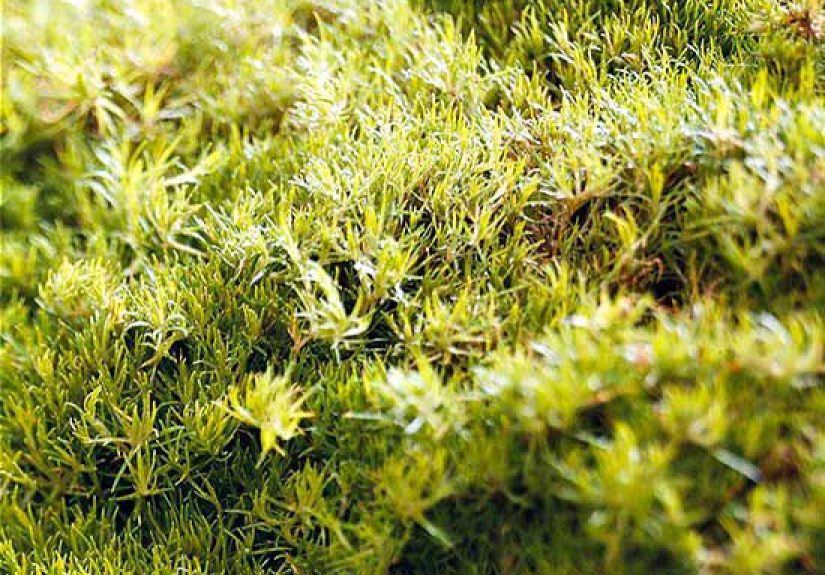
Despite its name, Irish moss (Sagina subulata) isn’t actually a true moss. It’s a perennial ground cover with tiny, needle-like leaves that form a dense mat only about 1–2 inches tall. In late spring and early summer, it produces small, white, star-shaped flowers that hover just above the foliage like little fireflies frozen in place.
Irish moss is popular because it:
- Forms a soft, cushiony carpet of bright to deep green.
- Stays low and dense, ideal for filling gaps between stones or around pavers.
- Thrives in cool to mild climates and can be evergreen in many areas.
- Handles light foot trafficthink tiptoeing to your hammock, not soccer practice.
It’s often sold alongside its golden cousin, Scotch moss (Sagina subulata ‘Aurea’), which has a similar growth habit but yellow-green foliage. Gardeners use both when they want that “living rug” look with a bit of color variation.
Where Irish Moss Grows Best
Climate and Hardiness Zones
Irish moss generally thrives in USDA hardiness zones 4 to 8. Some varieties and seed suppliers claim success up to zone 9 or even 10, especially in locations with cooler summers, but its sweet spot is where summers are mild and not brutally dry or hot.
In cooler climates, it often stays green year-round and shrugs off snow cover. In very hot regions or spots with intense afternoon sun, it may struggle, turn brown, or thin out unless it’s given shade and consistent moisture.
Light Requirements
Irish moss likes a good balance of lightenough sun to stay dense and bloom, but not so much that it cooks.
- Cool or coastal climates: Full sun to light shade is usually ideal.
- Warmer climates: Morning sun with afternoon shade works best.
- Deep shade: It may survive, but it often becomes thin, patchy, and less eager to bloom.
A good rule of thumb: if the area gets blazing afternoon sun and the soil dries out quickly, give Irish moss some shade or consider a different ground cover for that particular spot.
Soil Type and pH
Irish moss isn’t fussy about soil texture, but it is picky about drainage and moisture. It prefers:
- Soil: Loamy or sandy-loam soil that holds moisture but drains well.
- Drainage: No standing water. Soggy soil = root problems and plant decline.
- pH: Slightly acidic to neutral (roughly 5.5–7.0).
- Fertility: Moderately rich soil with organic matter mixed in.
If you garden in heavy clay, you’ll want to amend the area with compost and fine grit or gravel to improve drainage. In very poor, sandy soil, work in compost or leaf mold to help it retain moisture.
Water Needs
Irish moss loves “evenly moist” soil. That phrase shows up a lot in plant descriptions because it really matters here. The goal is:
- Not dried out and crispy.
- Not swampy and soggy.
- Just consistently damp, especially while establishing.
Once established, Irish moss can handle short dry spells but will protest with brown patches if neglected for too long, especially in sunny spots. Drip irrigation or a soaker hose on a timer can make your life much easier.
How to Plant Irish Moss
You can start Irish moss from either plugs/starts or seed. Plugs are faster and more predictable; seeds are more economical for large areas but require patience.
Planting Irish Moss from Plugs or Small Plants
-
Prep the site.
Remove weeds, grass, and debris. Loosen the soil 4–6 inches deep and mix in compost to improve structure and moisture retention. Rake the surface smooth.
-
Check drainage.
Water the area lightly and see how quickly it drains. If water just sits there, add more organic matter and possibly fine gravel to loosen things up.
-
Lay out your plants.
Irish moss spreads, but not instantly. Space plugs about 6–12 inches apart, depending on how quickly you want full coverage and how patient you are. Closer spacing fills in faster.
-
Plant at soil level.
Dig small holes just large enough for each plug. Set plants so the top of the root ball is level with the soil surface. Backfill gently and firm the soil around them.
-
Water thoroughly.
Give everything a deep drink right after planting to settle the soil around the roots and remove air pockets.
-
Mulch carefully (optional).
You can use a light layer of fine mulch around, but not on top of, the plants. Avoid burying the foliage, or it may rot.
Planting Irish Moss from Seed
Starting from seed is a good option if you’re covering a larger area on a budget, but it does require more care early on.
Starting Indoors
- Timing: Sow seeds indoors 4–6 weeks before your last expected spring frost.
- Containers: Use seed trays or plug cells filled with a fine, well-draining seed-starting mix.
- Surface-sow the seeds. Irish moss seeds are tiny. Scatter them on top of the soil and press gently; do not bury them, as they need light to germinate.
- Moisture and light: Mist the surface to avoid washing seeds away. Cover trays with a clear dome or plastic wrap to retain humidity, then place them in bright indirect light.
- Germination: Seeds often sprout in 1–3 weeks. Once seedlings appear, remove the cover and keep the soil evenly moist, never soggy.
- Transplanting: Harden off seedlings gradually outdoors, then plant them in the garden once the soil has warmed and frost danger has passed.
Direct Sowing Outdoors
You can also sow Irish moss seeds directly outdoors after frost:
- Prepare the soil by removing weeds and smoothing the surface.
- Lightly rake the top layer, then sprinkle seeds on the surface.
- Press them gently into the soil (a flat board works well), but don’t cover with soil.
- Mist or water very gently so you don’t dislodge the seeds.
- Keep the soil consistently moist until you see a fine green haze of seedlings.
Planting Between Stepping Stones and Pavers
Irish moss is famous for its ability to fill cracks and crevices between stones and create that storybook cottage path look.
- Prepare the gaps. Clear any weeds from between stones. If the soil is compacted, loosen it with a narrow trowel or weeder.
- Add a bit of compost. Mix a small amount of compost with the existing soil in each gap for better moisture retention and nutrition.
- Plant small tufts or plugs. Break larger plugs into smaller pieces if needed and tuck them gently into the gaps at soil level.
- Water carefully. Use a gentle flow or a watering can with a fine rose to avoid washing soil out of the cracks.
- Limit foot traffic. Avoid stepping directly on the new plants until they’ve rooted in and begun to spread.
Ongoing Care for Irish Moss
Watering
Right after planting, Irish moss will need regular wateringoften every day or two in warm, dry weather. As it establishes, you can gradually back off, but don’t let the soil become bone dry for long stretches.
Signs your Irish moss needs more water:
- Foliage turning dull, grayish, or straw-colored.
- Mat feels crunchy instead of springy when you touch it.
Signs it’s getting too much water:
- Yellowing patches that feel soggy.
- Moss lifting from the soil or smelling sour.
Fertilizing
Irish moss doesn’t need heavy feeding. In fact, too much nitrogen can cause it to puff up into little mounds instead of staying as a smooth, flat carpet. A light application of a balanced, slow-release fertilizer in spring is usually plenty, especially if the soil was prepared with compost.
Trimming and Grooming
Irish moss generally stays neat, but a bit of grooming keeps it looking like a designer green rug:
- Snip off spent flower stems once blooms fade to keep the mat tidy.
- Trim back pieces that creep into areas you don’t want covered.
- In early spring, lightly rake off any dead foliage or debris.
Foot Traffic and Use as a Lawn Alternative
Irish moss can handle light foot trafficwalking to the garden bench, stepping between stones, kids or pets wandering occasionally. But it isn’t a substitute for a traditional lawn in spaces where you’ll be running, playing sports, or hosting dance parties.
If you want to use it as a lawn alternative, plan for:
- Paths made of stepping stones so most weight lands on the stones, not the moss.
- Regular weeding while it fills in.
- More careful watering than a typical turf grass lawn.
Common Problems
Browning or Bare Patches
This is usually caused by one of three things:
- Too much sun and heat: Move to a shadier spot or add afternoon shade.
- Too little water: Increase watering frequency and add organic matter to the soil.
- Waterlogged soil: Improve drainage and avoid overwatering.
You can revive bare patches by gently lifting healthy clumps from other areas, dividing them, and replanting into the gaps once conditions are corrected.
Weeds
Irish moss forms a dense mat that suppresses many weeds, but it won’t stop all of them. Hand-pull weeds early while they’re small so they don’t compete for moisture and light or poke awkwardly through your green carpet.
Pests and Diseases
Irish moss is generally not heavily troubled by pests or disease. Slugs and snails may browse on tender growth in damp areas, and poor-draining soils can cause root issues. Good drainage and reasonable spacing are usually enough to keep problems minor.
Irish Moss vs. Scotch Moss
Because they look so similar, Irish moss and Scotch moss are often confused. Here’s how they differ:
- Foliage color: Irish moss is bright to deep emerald green; Scotch moss tends to be yellow-green to golden.
- Height and habit: Both are low-growing, but Scotch moss can sometimes appear slightly puffier; Irish moss often spreads a bit more horizontally.
- Flowers: Both have tiny white flowers, but Irish moss tends to produce solitary blooms, while Scotch moss may have small clusters.
- Heat tolerance: Irish moss typically handles warmth a bit better, especially in zone 8, though neither loves extreme heat.
For most garden uses, you can treat them similarly. Many gardeners even mix them for a subtle two-tone effect in paths and rock gardens.
Design Ideas with Irish Moss
- Between stepping stones: The classic choicesoftens hard edges and adds color.
- Rock gardens: Tuck small plugs between rocks for a “mountain meadow” look at miniature scale.
- Around water features: Use around a pond or fountain where soil stays moist but not waterlogged.
- Container “carpet”: Plant Irish moss as a living mulch at the base of taller container plants.
- Fairy or miniature gardens: Irish moss makes the perfect “lawn” for tiny houses and accessories.
Real-World Tips and Experiences with Irish Moss
On paper, Irish moss sounds like the perfect ground cover: soft, pretty, evergreen, and low-growing. In real gardens, it still earns a lot of fansbut there are a few lessons you tend to learn only after living with it for a while. Here are some experience-based insights that can help you skip the trial-and-error phase.
1. It’s Gorgeous, But Not Bulletproof
Many gardeners fall in love with Irish moss at the nursery, then get a reality check after planting it in full, blazing sun or on a slope that dries out by noon. In cooler, coastal, or mild climates, Irish moss often thrives with minimal fuss. But in places with hot summers, it needs more pamperingespecially during the first year.
A common experience: the plants look great in spring and early summer, then suddenly develop brown patches during a heat wave. Most of the time, this isn’t “instant death” but a stress reaction. If you catch it early, increased watering, a bit of shade, and better mulch can often help the moss bounce back.
2. It Really Does Prefer “Goldilocks” Conditions
Irish moss is one of those plants that does best when everything is in moderation: moderate moisture, moderate sun, moderate fertilizer. Gardeners who come from a “more is better” mindset sometimes overdo it with water or fertilizer and end up with soggy mats or puffy, uneven growth.
One trick that works well in many gardens is raised or slightly mounded planting areas. When Irish moss sits an inch or two above the surrounding soil, excess water can drain away more easily, and air can move around the roots. That little bit of elevation can make a big difference in preventing rot in rainy seasons.
3. It’s Fantastic Between StonesBut Needs Time
Those picture-perfect photos of Irish moss flowing between stepping stones like a green river? They usually represent year two or three, not week three. The first season, your moss may look a bit polka-dottedlittle islands of green surrounded by bare soil.
Gardeners who are patient and keep up with watering and weeding are usually rewarded in the second season, when the patches start to knit together into a continuous mat. If you want faster coverage, you can speed things up by planting plugs closer together and occasionally tearing off small pieces of established moss and tucking them into nearby gaps.
4. It’s Not a Heavy-Traffic Lawn Replacement
It’s very tempting to dream of ripping out your entire lawn and replacing it with Irish moss. Some gardeners do experiment with this on smaller sections, especially in front yards that are more for looks than play. But most people who try to use it as a full, high-use lawn quickly discover its limits.
Irish moss is happiest when it’s walked on occasionally, not constantly. You can stroll across it, step on it as you move along a path, or let kids wander across it from time to time. But if you’re regularly running pets across it, dragging furniture, or letting kids play ball games on it, you’ll likely see thinning and bare spots. It’s more of a living “area rug” than a heavy-duty carpet.
5. It’s Amazingly Soft and Adds a “Wow” Factor
On the plus side, almost everyone who grows Irish moss comments on how irresistible it is to touch. Guests tend to bend down and run their fingers across it, kids like to sit next to it, and it makes paths feel more inviting and finished. When it’s happy, it has a velvety, springy feel that absolutely elevates your garden’s texture and atmosphere.
Another bonus: in many gardens, Irish moss helps visually tie together hard materialslike stone, gravel, brick, or pavers. That small, soft strip of living green between hard surfaces makes everything look more intentional and designed, even if you just tucked it into a few gaps.
6. Success Comes Down to Site Selection
Gardeners who report long-term success with Irish moss almost always have one thing in common: they chose the site thoughtfully. Instead of planting it wherever they happen to have bare soil, they look for spots with:
- Moderate sunoften morning sun and afternoon shade.
- Soil that never stays soggy but doesn’t dry out instantly.
- Relatively gentle usepaths, entryways, small sitting areas.
If you have a slope that bakes all afternoon, an area where water pools after rain, or a backyard where kids and dogs constantly run, Irish moss probably isn’t the right choice for that particular location. But in the right spot, it’s one of those plants that makes your garden feel like a secret, magical place.
Conclusion
Irish moss is a beautiful, low-growing ground cover that can turn ordinary paths, rock gardens, and borders into lush, storybook scenes. It isn’t a “plant it and forget it” option for every climate, but with decent drainage, consistent moisture, and sensible placement, it rewards you with a soft, evergreen carpet and delicate white flowers year after year.
Give it the right conditions, a little patience, and light grooming, and Irish moss will happily do what it does best: knit your garden together with a rich, green living rug.







 Close
Close