
Table of Contents >> Show >> Hide
- First, Identify What Kind of Hair Dye You Are Removing
- Fast Option 1: Wash Quickly with Clarifying Shampoo
- Fast Option 2: Use Anti-Dandruff Shampoo to Fade Color
- Fast Option 3: Try a Vitamin C Treatment for Semi-Permanent Dye
- Fast Option 4: Use a Commercial Hair Color Remover
- Fast Option 5: Visit a Professional Colorist
- What Not to Use on Your Hair
- How to Remove Hair Dye from Skin
- How to Remove Hair Dye from Nails and Hands
- How to Remove Hair Dye from Clothes
- How to Remove Hair Dye from Bathroom Surfaces
- How to Prevent Hair Dye Stains Next Time
- When to Stop and Get Help
- The Best Hair Dye Removal Method by Situation
- Real-Life Experience: What Hair Dye Removal Actually Feels Like
- Conclusion
Hair dye is supposed to transform your look, not launch a small household emergency. Yet here you are: your “soft chestnut brown” has become “midnight raccoon,” your forehead looks like it signed a modeling contract with permanent marker, and your bathroom sink now has more personality than your hair. Deep breath. Most hair color mishaps can be softened, faded, corrected, or cleaned up with the right method and a little patience.
This guide explains how to remove hair dye from hair, skin, nails, clothes, and surfaces using fast, easy options that are realistic for home use. The golden rule: choose the gentlest method that can do the job. Hair and skin are not kitchen countertops, no matter how tempted you are to attack everything with dish soap and panic.
Before you begin, remember that results depend on the type of dye, how recently it was applied, your hair’s condition, and whether your hair was bleached before coloring. Semi-permanent color usually fades more easily. Permanent dye is stubborn because it changes the hair more deeply. And fashion shades like blue, red, purple, and green? They sometimes cling like they pay rent.
First, Identify What Kind of Hair Dye You Are Removing
Not all hair dye behaves the same way. Before choosing a remover, figure out what you are working with.
Semi-Permanent Hair Dye
Semi-permanent dye usually sits closer to the outer part of the hair strand. It often fades with washing, clarifying shampoo, time, and gentle color-fading methods. Bright fashion colors are commonly semi-permanent, but they can still stain porous or bleached hair.
Demi-Permanent Hair Dye
Demi-permanent dye lasts longer than semi-permanent color and may penetrate the hair slightly more. It usually fades over several washes but may need clarifying shampoo or a professional gloss correction if the tone is too dark, muddy, or warm.
Permanent Hair Dye
Permanent dye is the trickiest. It uses an oxidative process to deposit color more deeply, which means ordinary shampoo will not magically bring back your natural shade. A color remover may help shrink or remove artificial dye molecules, but it will not reverse bleach or restore pigment that has already been lifted.
Fast Option 1: Wash Quickly with Clarifying Shampoo
If you just dyed your hair and immediately regret it, act quickly. Fresh dye is easier to fade than color that has had days to settle in and bond with the hair. A clarifying shampoo is one of the easiest first steps because it is designed to remove buildup, oils, minerals, and residue more aggressively than regular shampoo.
How to Use Clarifying Shampoo for Hair Dye Removal
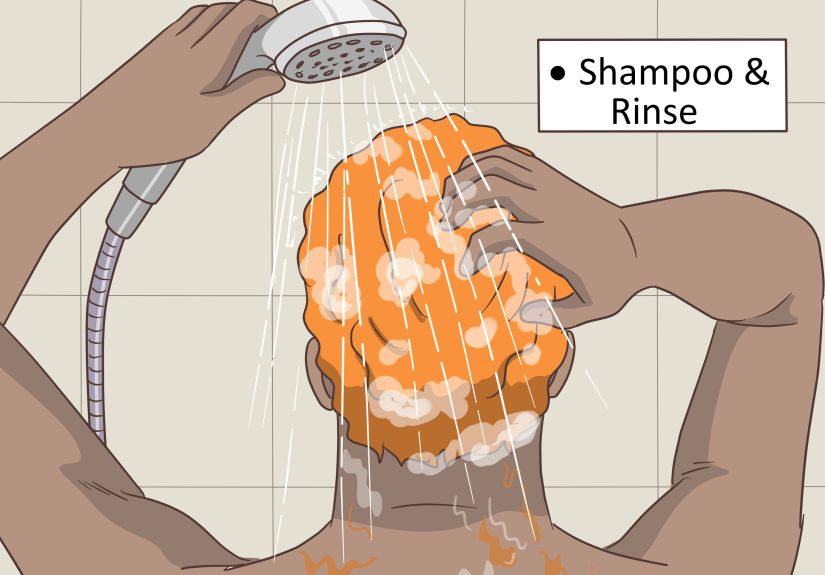
Wet your hair with warm water, apply clarifying shampoo, and massage it through the hair evenly. Let the lather sit for about five minutes, then rinse thoroughly. Repeat once if your hair feels strong enough. Follow with a rich conditioner or hair mask because clarifying shampoo can leave hair dry.
This method is best for color that came out slightly too dark, semi-permanent dye, toner that looks too strong, or fresh dye stains. It is not a miracle button, but it can take the edge off a color disaster without turning your bathroom into a chemistry lab.
Fast Option 2: Use Anti-Dandruff Shampoo to Fade Color
Anti-dandruff shampoo is another popular option for fading unwanted color. Some formulas are stronger cleansers than everyday shampoos, so they may help loosen dye over several washes. This method is especially useful for semi-permanent color or when your hair is only one or two shades darker than you wanted.
Apply the shampoo, work it into a full lather, leave it on for a few minutes, and rinse. Repeat over several wash days rather than scrubbing your hair five times in one evening. Your scalp is not a carpet stain. Treat it kindly.
Fast Option 3: Try a Vitamin C Treatment for Semi-Permanent Dye
A vitamin C treatment is often used to fade semi-permanent hair dye. It may help shift color by a shade or two, especially when the dye is fresh or vivid. It will not restore your natural hair color, and it can be drying, but it is a popular at-home option when used carefully.
How to Do a Vitamin C Hair Dye Fade
Crush plain vitamin C tablets into a fine powder, then mix the powder with clarifying shampoo until it forms a spreadable paste. Apply it to damp hair, focusing on the areas with unwanted color. Cover with a shower cap for 20 to 30 minutes, then rinse very thoroughly and condition well.
Do not use this method on irritated skin or a sore scalp. If your hair is already brittle, gummy, breaking, or recently bleached, skip the DIY experiment and speak with a stylist. Saving your hair’s health matters more than winning a staring contest with orange toner.
Fast Option 4: Use a Commercial Hair Color Remover
For permanent dye, a commercial hair color remover is often more effective than shampoo tricks. These products are designed to reduce or remove artificial dye molecules. They are different from bleach, which removes both artificial and natural pigment and can leave the hair much lighter.
Color removers can be helpful when black, brown, red, or dark permanent dye came out too intense. However, they are not perfect. If your hair was bleached before dyeing, a remover will not bring back the darker natural pigment that bleach already removed. It may reveal warm orange, copper, yellow, or uneven tones underneath.
How to Use Color Remover Safely
Read the instructions completely before opening the bottle. Wear gloves, work in a ventilated space, protect your clothes, and follow timing exactly. Rinse longer than you think you need to; many color removers require extended rinsing to wash out loosened dye molecules. Afterward, use a deep conditioner and avoid immediately applying another harsh chemical process unless a professional recommends it.
Fast Option 5: Visit a Professional Colorist
The fastest safe option for major color mistakes is often a salon correction. This is especially true if your hair is black when you wanted brown, green when you wanted ash blonde, orange after box dye, or patchy because the ends grabbed too much pigment.
A colorist can evaluate your hair’s porosity, strength, previous color history, and realistic correction path. Sometimes the right fix is a remover. Sometimes it is a toner. Sometimes it is highlights, lowlights, a gloss, or a gradual plan over several appointments. Translation: sometimes the “fastest” fix is not doing the most dramatic thing immediately.
What Not to Use on Your Hair
The internet is full of bold hair dye removal ideas, and not all of them deserve a place near your head. Avoid bleach baths unless guided by a professional. Avoid household bleach completely. Do not pour strong cleaning products, acetone, ammonia mixtures, or laundry chemicals on your hair. That is not beauty care; that is a villain origin story.
Be cautious with baking soda and dish soap on hair. While people use them to fade color, they can be drying and rough, especially on curly, textured, bleached, or chemically treated hair. If you try a mild baking soda mix, use it sparingly, rinse well, and condition deeply. For many people, clarifying shampoo is the better first move.
How to Remove Hair Dye from Skin
Hair dye stains on the forehead, ears, neck, and hands are common. The good news: most skin stains fade naturally within a few days. The better news: you can usually speed things up without scrubbing yourself into a tomato.
Gentle Soap and Warm Water
If the dye is fresh, start with warm water and mild soap. Use a soft washcloth and gentle circular motions. Do not attack the skin like you are sanding a deck. Fresh stains often lift when treated quickly.
Makeup Remover or Micellar Water
Makeup remover can help lift dye from the hairline and face because it is designed to dissolve pigments and oils. Apply it to a cotton pad, press it on the stain for a few seconds, then wipe gently. Repeat if needed.
Oil-Based Removal
Olive oil, baby oil, coconut oil, or petroleum jelly can help loosen dye stains from skin. Massage a small amount onto the stained area and let it sit for several minutes before wiping away. This is a good option for sensitive skin because it is less harsh than alcohol-based methods.
Professional Color Stain Remover Wipes
Beauty supply stores sell wipes and liquids made specifically for removing hair dye stains from skin. These can be helpful around the hairline, but avoid getting them in your eyes and follow the label directions carefully.
Be Careful with Alcohol, Baking Soda, and Nail Polish Remover
Rubbing alcohol may remove dye from less sensitive areas, but it can dry or irritate skin. Baking soda can be abrasive. Nail polish remover should not be used on the face and may cause burning or irritation on skin. Never use harsh products near your eyes, lips, or broken skin.
How to Remove Hair Dye from Nails and Hands
Hands and nails often stain when gloves are forgotten or when dye sneaks under the glove like it has a tiny criminal plan. Start with soap, warm water, and a nail brush. If that is not enough, try oil, petroleum jelly, or a gentle exfoliating hand scrub.
For nails, non-acetone nail polish remover may help, but use it carefully and wash your hands afterward. Apply cuticle oil or hand cream when finished because removers can be drying. If your nails are porous, stained, or recently damaged, patience may be the safest solution. The stain will fade as the nail grows and as you wash your hands over time.
How to Remove Hair Dye from Clothes
Hair dye on fabric is annoying, but quick action helps. Blot the stain first. Do not rub, because rubbing spreads dye deeper into the fibers. Rinse from the back of the fabric with cool water to push the dye out rather than through.
Apply liquid laundry detergent or stain remover and let it sit according to the product directions. Wash in the coldest water that is safe for the fabric. Before drying, check the stain. Heat from the dryer can set the stain, turning a fixable spot into a permanent souvenir from Hair Color Night.
How to Remove Hair Dye from Bathroom Surfaces
Hair dye stains on sinks, tubs, tile, and counters are best handled immediately. Wipe fresh dye with a damp cloth and mild cleaner. For tougher stains, use a non-abrasive bathroom cleaner or a baking soda paste on durable surfaces. Test first in a hidden area because some cleaners can damage stone, grout, painted surfaces, or sealed counters.
Do not mix cleaning chemicals. Especially avoid mixing bleach with ammonia or other cleaners. Ventilate the room and wear gloves when cleaning. Your bathroom may have betrayed you with purple spots, but it does not need to become a science-fair hazard.
How to Prevent Hair Dye Stains Next Time
Prevention is easier than removal. Before coloring your hair, apply petroleum jelly or barrier cream around the hairline, ears, and neck. Wear gloves, use old towels, and cover surfaces before opening the dye. Keep cotton pads, mild soap, and stain remover wipes nearby so you can clean drips immediately.
For safety, always follow the package instructions. Do a patch test before dyeing, even if you have used hair color before. Allergies can develop over time. Do not dye eyebrows or eyelashes with hair dye, because it can seriously harm the eyes. Do not leave dye on longer than instructed, and rinse the scalp thoroughly after coloring.
When to Stop and Get Help
Stop any removal method immediately if you feel burning, severe itching, swelling, blistering, dizziness, trouble breathing, or intense scalp pain. For skin irritation, rinse the product away and avoid applying more chemicals. If symptoms are severe or spread quickly, seek medical help.
You should also call a professional stylist if your hair feels mushy, stretchy, brittle, or breaks easily. That usually means the hair is compromised and needs repair, not another round of “just one more treatment.” Hair grows back, yes, but nobody wants to learn that lesson through bangs they did not request.
The Best Hair Dye Removal Method by Situation
If Your Color Is Slightly Too Dark
Use clarifying shampoo for the first few washes, condition well, and give the color time to settle. Many dyes look darker on day one and soften after a few shampoos.
If Your Semi-Permanent Color Is Too Bright
Try clarifying shampoo, anti-dandruff shampoo, or a vitamin C treatment. Work gradually and moisturize between attempts.
If Your Permanent Dye Is Much Too Dark
A commercial color remover or salon appointment is usually more realistic than home shampoo methods. Permanent dye often needs a targeted correction plan.
If Your Hair Turned Orange or Brassy
You may not need removal. You may need toning. Blue-based toners can reduce orange, while purple-based toners can soften yellow. A stylist can help you choose the right tone instead of accidentally creating a new shade called “confused beige.”
If Dye Is on Your Skin
Start with soap and water, then try oil, makeup remover, or color stain remover. Avoid harsh scrubbing and never use strong chemicals near your eyes.
Real-Life Experience: What Hair Dye Removal Actually Feels Like
Anyone who has dyed their hair at home knows the emotional timeline. First comes confidence. You put on the gloves and think, “I am basically a salon professional with a coupon.” Then comes application, where one section of hair gets 80 percent of the dye and the back of your head becomes a mystery region. Then comes rinsing. The water runs purple, red, black, or suspicious swamp green, and suddenly you begin negotiating with the mirror.
The most common experience with removing hair dye is that it rarely happens in one dramatic movie-style moment. A clarifying shampoo may fade the color, but it will not usually erase it. A vitamin C treatment may brighten a muddy tone, but it can also leave the hair feeling dry. A color remover may lift artificial pigment, but the shade underneath can surprise you. Many people expect “back to normal” and instead get “phase two of the adventure.”
One practical lesson is to treat hair dye removal like laundry, not like painting over a wall. You are coaxing pigment out, not bullying it. Gentle repeated steps usually work better than one aggressive attack. For example, if a semi-permanent burgundy shade turns too intense, two or three careful clarifying washes over several days may make it wearable. Add conditioner, avoid hot tools, and reassess in natural light. Bathroom lighting has a talent for creating unnecessary drama.
Another lesson: skin stains look worse right after dyeing. A dark ring around the hairline can feel embarrassing, but it usually fades quickly with cleansing, oil, and normal washing. The trick is to avoid making your skin angry. Red, irritated skin plus leftover dye is not an upgrade. A little patience often works better than scrubbing with every product under the sink.
People with porous or bleached hair often have the hardest time. Porous hair grabs color quickly and releases it unevenly. Blue and green dyes can be especially stubborn because they may leave behind smoky, minty, or grayish tones. Red dye can fade into pink or orange. Black dye can reveal warm brown, copper, or red underneath after removal. This does not mean you failed; it means hair color is chemistry wearing a cute cape.
The smartest experience-based advice is to pause before recoloring. After fading or removing dye, many people immediately want to cover the result with another box. Sometimes that works. Sometimes it creates a darker, patchier problem. Hair that has just been clarified, treated, or stripped may absorb new dye unpredictably. If you must recolor at home, choose a gentle option close to your current level and strand-test first.
It also helps to take photos in daylight. Wet hair looks darker, bathroom light can exaggerate orange tones, and panic is not a reliable color consultant. Let your hair dry, look at it near a window, and decide whether you need fading, toning, deep conditioning, or professional help. In many cases, the color that looked disastrous at midnight looks merely “a little bold” the next morning.
Finally, remember that a hair color mistake is fixable more often than it feels in the moment. Maybe not instantly. Maybe not without a hat day. But with the right approach, most unwanted dye can be softened, corrected, or grown into something surprisingly decent. And if nothing else, you gain the wisdom to buy gloves, barrier cream, and two old towels before your next beauty experiment.
Conclusion
Removing hair dye quickly is possible, but the best method depends on where the dye is and what kind of dye you used. For hair, start with clarifying shampoo or anti-dandruff shampoo if the color is fresh or semi-permanent. Try vitamin C carefully for fading bright color, and use a commercial color remover for more stubborn permanent dye. For skin, choose gentle soap, oil, makeup remover, or stain remover wipes before harsher options. For clothes and surfaces, act fast, blot instead of rubbing, and avoid heat or chemical mixing.
The safest strategy is simple: go slowly, condition generously, and know when to call a professional. Hair dye may be dramatic, but your removal method does not have to be.






 Close
Close