
Table of Contents >> Show >> Hide
- The 5 rules of replying to terrible news
- A fast, human reply formula (that doesn’t sound robotic)
- 52 expert-approved examples (by situation)
- Universal openers (work for almost any terrible news)
- When someone shares a death or major loss
- Illness, diagnosis, injury, or scary health news
- Job loss, financial stress, school/goal setbacks
- Breakups, divorce, family conflict, friendship fallout
- Terrible news at work (colleagues, teams, and professional settings)
- Short texts that still feel warm (when you need quick, not cold)
- What not to say (and what to say instead)
- The follow-up message most people forget
- FAQ: text, work, and “I don’t know what to say” moments
- Experience-based lessons: how these replies play out in real life (about )
- Conclusion
- SEO Tags (JSON)
Someone drops terrible news into your lap and your brain immediately opens 37 tabs:
Say something. Say the right thing. Don’t make it weird. Don’t make it about you. Please don’t accidentally sound like a fortune cookie.
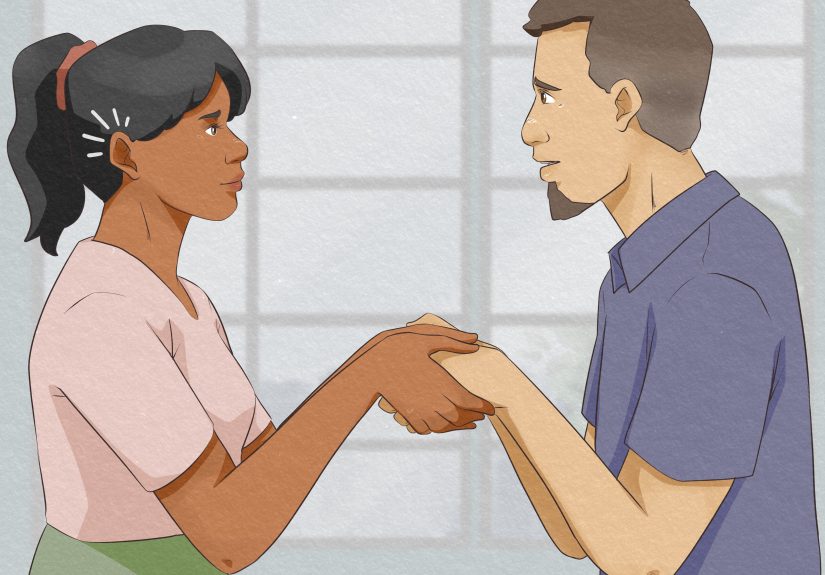
Here’s the truth: you don’t need perfect words. You need presence, validation, and a reply that says,
“I’m with you,” not “I’m here to fix you.” This guide gives you a simple approach plus
52 ready-to-send examples you can use in real life (and real group chats).
The 5 rules of replying to terrible news
1) Lead with validation, not solutions
When someone shares awful news, your instinct might be to troubleshoot. Resist it.
In the first moments, most people need to feel seen before they can think about next steps.
2) Don’t rank pain
“At least…” is the start of many well-intended commentsand the end of many friendships.
Even if you’re trying to help, comparisons can sound like you’re minimizing what they’re going through.
3) Ask permission before advice
Advice without consent can land like criticism. If you think guidance might help, try:
“Do you want to vent, or would you like help thinking through options?”
4) Offer specific help
“Let me know if you need anything” is kind, but it makes the other person do the work of assigning you a job.
Specific offers are easier to accept: food, rides, childcare, notes, errands, a call at a set time.
5) Say less than you think you need to
You’re not auditioning for the role of Comfort Wizard. A simple, sincere message can be more powerful than
a long paragraph that accidentally centers your feelings.
A fast, human reply formula (that doesn’t sound robotic)
Use this flexible structure when you’re caught off guard:
- Acknowledge the news (“I’m so sorry you’re dealing with this.”)
- Validate feelings (“That sounds overwhelming.”)
- Invite their lead (“Do you want to talk, or would you rather have distraction?”)
- Support with something concrete (“I can bring dinner tomorrow or call tonightyour pick.”)
Think of it as being a steady handrail, not a motivational speaker with a microphone and a dream.
52 expert-approved examples (by situation)
Tip: personalize these with the person’s name, a detail you remember, and a specific offer. Brackets = swap-in spots.
Universal openers (work for almost any terrible news)
- “I’m really sorry you’re dealing with this. I’m here with you.”
- “Thank you for telling me. That sounds so heavy.”
- “I don’t have the perfect words, but I care about you a lot.”
- “That’s awful news. Do you want to talk about it, or just have company?”
- “I’m listening. Tell me what happenedonly if you want to.”
- “I can’t imagine how hard this feels, but you don’t have to carry it alone.”
- “I’m so glad you told me. What would feel most supportive right now?”
- “I’m sorry. I’m here. We can take this one step at a time.”
- “This is a lot. It makes sense if you feel [angry/sad/numb].”
- “I’m with youno fixing, no pressure. Just support.”
When someone shares a death or major loss
- “I’m so sorry for your loss. [Name] mattered, and I’m holding you in my heart.”
- “I wish I had the right words. I’m here with youtoday and the days after.”
- “[Name] was such a bright presence. I’m so grateful I got to know them.”
- “If you feel like sharing, I’d love to hear a favorite memory of [Name].”
- “You don’t need to respond to anything right now. I’m just here.”
- “I can come by with food, handle a couple errands, or just sit with you. What would help?”
- “I’m so sorry. It’s okay if you don’t know what you feel yet.”
- “I’m thinking of you as you get through the next few days. Want me to check in tomorrow?”
- “I’m here to help with practical thingsmeals, rides, phone calls, whatever feels hardest.”
- “I’m so sorry you’re going through this. You’re not alone.”
Illness, diagnosis, injury, or scary health news
- “I’m so sorry. That’s really frightening. How are you feeling right now?”
- “Thank you for trusting me with this. I’m hereno matter what.”
- “Do you want to talk about the details, or would you rather focus on getting through today?”
- “If you’d like, I can help with logisticsrides, meals, or just keeping you company.”
- “It makes total sense if you feel overwhelmed. You don’t have to be ‘strong’ with me.”
- “Do you want help making a plan, or do you just need someone to sit in it with you?”
- “I can check in after your appointment on [day/time] if that would help.”
- “I’m here to support you in the way you want to be supportedtell me what that looks like.”
Job loss, financial stress, school/goal setbacks
- “I’m so sorry. That’s a huge hit. How are you holding up?”
- “You didn’t deserve that. I’m herewant to vent or brainstorm?”
- “This is really unfair. What’s the hardest part right now?”
- “If it helps, I can review your resume, practice interviews, or just bring snacks and moral support.”
- “You don’t have to figure everything out tonight. Let’s get you through today first.”
- “Would it be helpful if I checked in tomorrow and we made a small plan together?”
Breakups, divorce, family conflict, friendship fallout
- “I’m so sorry. Heart stuff hurts in a very real way.”
- “That sounds exhausting. I’m heretell me what happened if you want.”
- “You’re allowed to be a mess. I can handle it.”
- “Do you want comfort, distraction, or a hype squad? I can do all three.”
- “I’m proud of you for getting through today. Want me to come over or call?”
- “You don’t have to make big decisions right now. Let’s focus on what you need this week.”
Terrible news at work (colleagues, teams, and professional settings)
- “I’m really sorry to hear this. I appreciate you telling me.”
- “That’s tough news. How can I best support you right now?”
- “Do you want to talk through next steps, or would you rather pause for a minute?”
- “If it helps, I can take [specific task] off your plate today.”
- “I’m here with you. You don’t have to handle this alone.”
- “Thank you for sharing. I’m going to check in again tomorrowunless you’d prefer space.”
Short texts that still feel warm (when you need quick, not cold)
- “Oh no. I’m so sorry. I’m here.”
- “That’s really hard. Want to talk or want distraction?”
- “I care about you. No pressure to reply.”
- “I’m thinking of you. Can I drop off food / call tonight?”
- “I’m with you. Tell me what you need.”
- “This sucks. You don’t have to do it alone.”
What not to say (and what to say instead)
Sometimes the “wrong” phrase isn’t evilit’s just accidentally dismissive. Here are common missteps and better swaps:
Avoid: “Everything happens for a reason.”
Try: “This is unfair and painful. I’m here with you in it.”
Avoid: “At least…”
Try: “This is a lot. I can see why you’re hurting.”
Avoid: “I know exactly how you feel.”
Try: “I can’t fully know what this is like for you, but I’m here to listen.”
Avoid: “Stay strong.”
Try: “You don’t have to be strong with me. You can feel whatever you feel.”
Avoid: “Have you tried…?” (too soon)
Try: “Do you want ideas, or do you just want support right now?”
The follow-up message most people forget
The first reply mattersbut the second one is often what people remember. A thoughtful follow-up says,
“I didn’t just react; I’m still here.”
Follow-up that feels supportive (not intrusive)
- Pick a time: “I’m going to check in tomorrow afternoonokay?”
- Be specific: “I can bring dinner Wednesday or Friday. Which works?”
- Remember dates: “Thinking of you todayhow are you holding up this week?”
- Offer presence: “No need to talk. I can just sit on the phone while you fold laundry.”
Bonus: if they don’t reply, don’t take it personally. Terrible news steals energy. Your job is consistency, not applause.
FAQ: text, work, and “I don’t know what to say” moments
Is it okay to say “I’m sorry”?
Yes. “I’m sorry” is often appropriateespecially when it’s paired with something real:
“I’m sorry you’re going through this. I’m here.” If you worry it sounds automatic, add one sentence of presence or a specific offer.
What if I froze and responded badly?
You can repair it quickly: “I’ve been thinking about what you said. I’m sorry if I came off wrongI care about you and I’m here.”
A sincere correction beats pretending it didn’t happen.
How do I respond in a group chat?
Keep it short and supportive, then follow up privately. Example: “I’m so sorry, [Name]. Thinking of you.”
Then DM: “I’m heredo you want company or space?”
What if I’m not close to the person?
Aim for respectful and simple: “I’m sorry to hear this. I’m thinking of you.” You don’t need intimacy you haven’t earned.
You do need kindness.
What if the news is ongoing and there’s no “fix”?
That’s when presence matters most: “I’m still here. You don’t have to update me with good news to deserve support.”
Experience-based lessons: how these replies play out in real life (about )
In real life, the “best” reply usually isn’t the fanciestit’s the one that makes the other person exhale. People often describe
relief when they hear words that don’t rush them, teach them, or tidy up the pain. The first lesson: silence isn’t your enemy.
Imagine a friend texts, “They found something on my scan.” If you respond with a five-paragraph pep talk, you might accidentally push them into
managing your anxiety about their news. A calmer reply“That’s scary. I’m here. Want to talk now or later?”hands the steering wheel back to them.
The second lesson: specific help beats general help. After layoffs, people are often flooded with “Let me know if you need anything.”
It’s kind, but it can feel like another task: now they have to decide what they need, ask for it, and worry about being a burden.
Compare that to: “I can bring groceries Thursday or send a DoorDash gift card today. Which is easier?” The emotional message underneath is,
“You don’t have to perform competence right now. I’ve got you.”
Third: validation is not the same as agreement. If someone says, “I feel guilty” or “I feel angry,” you don’t have to judge whether
the feeling is “reasonable” in a courtroom sense. You can simply reflect: “That feeling makes sense” or “Of course you’d be angry.”
People tend to open up when they’re not being corrected. They shut down when they feel graded.
Fourth: the awkward follow-up is often the most meaningful. A week after a loss, the calls may slow downright when the loneliness speeds up.
Many people say the messages that land deepest are the ones that keep showing up: “Thinking of you today. No need to reply.”
It’s a tiny line with a big impact: you’re telling them your care isn’t limited to the initial headline.
Finally, humor can helpbut only if it’s their humor and their timing. The safest rule is to match the tone they set.
If they crack a joke, you can gently follow. If they’re raw, keep it simple. You’re not there to lighten the mood like a party balloon;
you’re there to be steady like a hand on the rail. And when you’re unsure, choose the most human option:
“I’m here. I care. What do you need right now?”
Conclusion
When someone shares terrible news, your goal isn’t to erase the painit’s to make it less lonely.
Acknowledge what happened, validate what they might be feeling, and offer specific support. Keep it sincere. Keep it simple.
And remember: showing up imperfectly, with care, beats saying nothing because you were trying to find “perfect.”





 Close
Close