
Table of Contents >> Show >> Hide
- What Is Pastina?
- Why Is Pastina So Popular?
- How Do You Cook Pastina?
- Classic Creamy Pastina Recipe
- Best Ways to Cook With Pastina
- Pastina Cooking Tips That Actually Matter
- What Can You Substitute for Pastina?
- Is Pastina Healthy?
- Frequently Asked Questions About Pastina
- Conclusion: Tiny Pasta, Big Comfort
- Extra Kitchen Experiences: Cooking With Pastina in Real Life
- SEO Tags
Pastina is proof that tiny things can cause big feelings. This little pasta has comforted children, rescued tired adults from “what’s for dinner?” panic, and inspired passionate grocery-store hunts that would make detective shows jealous. It is small, quick-cooking, cozy, and wildly flexiblebasically the golden retriever of the pasta aisle.
If you have ever eaten a warm bowl of chicken broth with tiny stars floating in it, or a creamy spoonful of pasta mixed with butter, egg, and Parmesan, you may already know pastina by heart. But what exactly is pastina? Is it one pasta shape or many? Why do people call it “Italian penicillin”? And most importantly, how do you cook it without turning it into a pot of adorable glue?
This guide explains what pastina is, the best ways to cook with it, easy pastina recipe ideas, smart substitutes, and practical kitchen tips for making this tiny pasta taste like a hug in a bowl.
What Is Pastina?
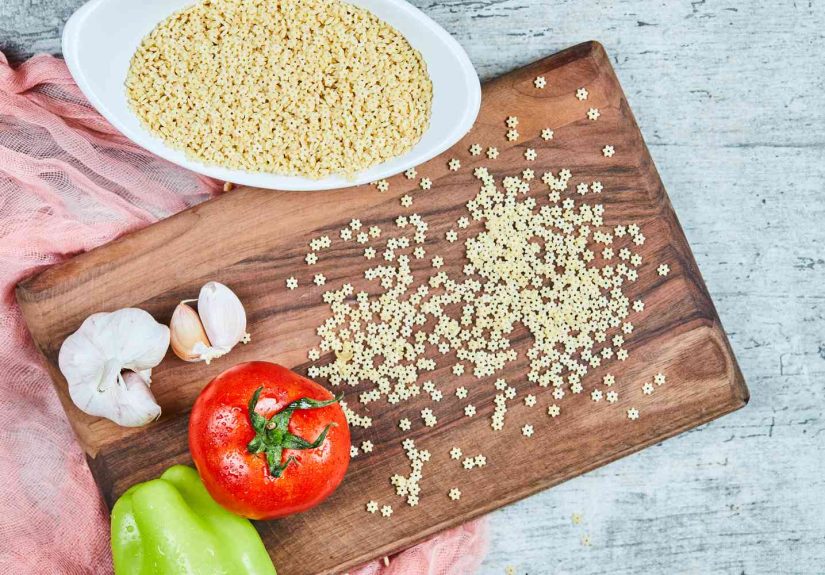
Pastina means “little pasta” in Italian. Instead of referring to one single shape, the word usually describes a group of very small pasta shapes used in soups, broths, creamy bowls, and simple family meals. In the United States, many people picture tiny star-shaped pasta when they hear the word pastina, but pastina can also include acini di pepe, stelline, orzo, ditalini, alphabet pasta, and other miniature cuts.
Think of pastina as pasta’s smallest, most comforting cousin. It cooks quickly, fits neatly on a spoon, and absorbs flavor beautifully. Because of its size, it can behave a little like rice, couscous, or tiny dumplings depending on how you prepare it. Cook it in lots of water and drain it, and you have a small pasta ready for butter, cheese, vegetables, or sauce. Cook it directly in broth, and you get something creamy, cozy, and spoonable.
Common Pastina Shapes
The most popular pastina shapes include:
- Stelline: tiny stars, the nostalgic classic many American families know best.
- Acini di pepe: small round beads whose name means “peppercorns.”
- Orzo: rice-shaped pasta that works well in soups and salads.
- Ditalini: tiny tubes often used in soups like pasta e fagioli.
- Alphabet pasta: tiny letters that make soup more fun, especially for kids.
- Corallini: small curved or tube-like pasta that is excellent in broth.
Not every grocery store labels these shapes as “pastina,” so it helps to shop by size and purpose. If the pasta is tiny enough to float around in soup and fit comfortably on a spoon, it can probably do the pastina job.
Why Is Pastina So Popular?
Pastina is popular because it checks every comfort-food box. It is warm, soft, simple, inexpensive, and fast. It also has a powerful nostalgia factor, especially in Italian and Italian-American households, where many people grew up eating pastina when they were sick, tired, cold, picky, or simply in need of something gentle.
Pastina soup is often nicknamed “Italian penicillin,” not because it is actual medicine, but because a bowl of broth, tiny pasta, vegetables, and Parmesan can feel wonderfully restorative. It is the kind of meal that says, “You look exhausted. Sit down. I brought a spoon.”
Another reason cooks love pastina is that it works for almost every age. Babies and toddlers can manage the small texture when prepared appropriately, adults can dress it up with lemon zest and herbs, and older family members often appreciate its soft, easy-to-eat comfort. It is pantry food with emotional range.
How Do You Cook Pastina?
There are two main ways to cook pastina: the classic pasta method and the absorption method. Both are useful, but they create different textures.
Method 1: Cook Pastina Like Regular Pasta
This method works best when you want separate grains of tiny pasta for salads, soups, side dishes, or a quick buttered bowl.
- Bring a pot of water to a rolling boil.
- Add salt. The water should taste seasoned, not like the ocean moved into your kitchen.
- Add the pastina and stir right away to prevent clumping.
- Cook according to the package directions, usually around 5 to 8 minutes depending on the shape.
- Drain gently through a fine-mesh strainer because many pastina shapes are small enough to escape a regular colander.
- Toss with butter, olive oil, cheese, broth, vegetables, or sauce.
Method 2: Cook Pastina by Absorption
The absorption method is the secret to creamy pastina. Instead of boiling the pasta in a large pot of water and draining it, you simmer it in just enough broth, milk, or water so the starch stays in the pot and thickens the dish.
- Add broth or water to a small saucepan and bring it to a simmer.
- Stir in the pastina.
- Cook gently, stirring often, until the pasta is tender and most of the liquid is absorbed.
- Remove from heat and stir in butter, Parmesan, Pecorino Romano, or a beaten egg if desired.
- Adjust the texture with a splash of warm broth or milk.
This method creates a soft, risotto-like texture. It is excellent for pastina with egg and cheese, creamy lemon pastina, and quick sick-day bowls.
Classic Creamy Pastina Recipe
This simple pastina recipe is the one to make when you want dinner in less time than it takes to debate takeout. It is creamy, comforting, and made with basic ingredients.
Ingredients
- 1 cup pastina, such as stelline or acini di pepe
- 2 cups low-sodium chicken broth or vegetable broth
- 1 tablespoon unsalted butter
- 1/4 cup grated Parmesan or Pecorino Romano
- 1 egg, lightly beaten, optional
- Salt and black pepper, to taste
- Fresh parsley or lemon zest, optional
Instructions
- Bring the broth to a simmer in a medium saucepan.
- Add the pastina and stir well.
- Cook for 5 to 7 minutes, stirring often, until the pasta is tender and the broth is mostly absorbed.
- Turn off the heat. Stir in the butter and cheese until creamy.
- If using egg, slowly stir the beaten egg into the hot pastina off the heat. Keep stirring so the egg turns silky instead of scrambling into breakfast confetti.
- Season with salt and pepper. Add parsley or lemon zest if you want a brighter finish.
Serve immediately. Pastina thickens as it sits, so keep extra warm broth nearby if you want to loosen it.
Best Ways to Cook With Pastina
1. Pastina Soup
Pastina soup is the most traditional and beloved use for tiny pasta. Start with chicken broth or vegetable broth, add carrots, celery, onion, garlic, and herbs, then stir in pastina near the end so it does not overcook. Finish with Parmesan and a drizzle of olive oil.
For extra body, simmer the vegetables until tender, blend part of the broth, and then add the pasta. This gives the soup a velvety texture without heavy cream.
2. Pastina With Egg and Cheese
This is the classic comfort bowl. Cook pastina in broth until soft, then remove from heat and stir in a beaten egg, butter, and grated cheese. The residual heat cooks the egg gently, creating a rich, creamy texture. It is simple enough for a weeknight and cozy enough for a dramatic rainy-day movie scene.
3. Lemon Parmesan Pastina
Lemon Parmesan pastina is a brighter, more grown-up version of the classic. Cook the pastina in broth, then stir in butter, Parmesan, lemon zest, and a small squeeze of lemon juice. The citrus cuts through the richness and makes the dish feel fresh instead of heavy.
4. Pastina “Mac and Cheese”
Tiny pasta makes a wonderful quick mac and cheese. Because the pieces are small, every spoonful gets coated in sauce. Use cheddar, Parmesan, fontina, or a blend of cheeses. Add toasted breadcrumbs on top if you enjoy a little crunch with your comfort.
5. Pastina With Vegetables
Pastina is a clever way to make vegetables more inviting. Stir in peas, carrots, spinach, zucchini, kale, or roasted squash. For picky eaters, blend cooked vegetables into the broth before adding pastina. The result is colorful, creamy, and suspiciously nutritious.
6. Pastina Salad
While pastina is famous for warm dishes, it also works in chilled pasta salads. Acini di pepe and orzo are especially good with cucumbers, tomatoes, olives, artichokes, herbs, feta, mozzarella, or lemon vinaigrette. Just rinse the cooked pasta briefly under cool water and toss it with a little olive oil before adding the rest of the ingredients.
7. Pastina as a Rice Substitute
Because some pastina shapes are so small, they can be used almost like rice in pilaf-style dishes. Toast the pasta in olive oil or butter, add broth, and simmer until tender. This creates a quick side dish for chicken, fish, roasted vegetables, or meatballs.
Pastina Cooking Tips That Actually Matter
Use a Fine-Mesh Strainer
Regular colanders are often too roomy for tiny pasta. Unless you want your dinner to vanish through the holes like a magic trick, use a fine-mesh strainer.
Stir Early and Often
Pastina is small and starchy, which means it can clump if ignored. Stir as soon as it hits the liquid and continue stirring during cooking, especially if you are using the absorption method.
Do Not Overcook It
Tiny pasta goes from tender to mushy quickly. Check it early. If the package says 7 minutes, taste it at 5 minutes. Pastina does not send a calendar invite before turning soft.
Keep Extra Broth Nearby
Creamy pastina thickens as it cools. A splash of warm broth brings it back to a spoonable texture without watering down the flavor.
Season at the End
Broth and cheese can both be salty, so taste before adding more salt. This is especially important when using Parmesan, Pecorino Romano, bouillon, or store-bought stock.
Add Cheese Off the Heat
For the smoothest texture, remove the pot from the burner before stirring in cheese. High heat can make cheese clump or turn grainy. Pastina should feel silky, not like it lost a fight with a cheese grater.
What Can You Substitute for Pastina?
If you cannot find a box labeled pastina, do not panic. Several tiny pasta shapes work beautifully.
- Acini di pepe: the closest all-purpose substitute for creamy bowls and soups.
- Orzo: slightly larger, but easy to find and excellent in broth.
- Ditalini: ideal for hearty soups and minestrone-style dishes.
- Alphabet pasta: fun for children and nostalgic adults who still enjoy spelling in soup.
- Stelline: the classic tiny star shape if your store carries it.
- Israeli couscous: not technically pasta in the same traditional sense, but useful in some pastina-style dishes.
Broken spaghetti can also work in a pinch. Snap it into very small pieces and cook it in broth. It will not have the same tiny, round texture, but it will still deliver the warm, simple comfort you want.
Is Pastina Healthy?
Pastina is pasta, so its nutritional value depends on how you serve it. A plain bowl of refined wheat pastina with butter and cheese is comforting, but not exactly a vegetable parade. However, pastina can absolutely fit into a balanced meal when paired with broth, lean protein, vegetables, herbs, and moderate amounts of cheese or butter.
To make pastina more nourishing, cook it in low-sodium broth, add shredded chicken or beans, stir in spinach or peas, and finish with a small amount of good cheese for flavor. Whole wheat or protein-enriched tiny pasta may also be available depending on your grocery store.
The key is balance. Pastina can be a light soup, a creamy comfort bowl, a child-friendly dinner, or a hearty meal with vegetables and protein. It is not magic health dust, but it is a useful ingredient when you need something fast, warm, and satisfying.
Frequently Asked Questions About Pastina
Is pastina the same as orzo?
Not exactly. Orzo is one type of small pasta, shaped like rice. Pastina is a broader term that can include many tiny pasta shapes, including orzo in some kitchens.
Can you cook pastina directly in soup?
Yes. Add pastina near the end of cooking because it cooks quickly. If you add it too early, it may absorb too much broth and become mushy.
Can you make pastina without broth?
Absolutely. You can cook it in salted water and then add butter, olive oil, cheese, milk, cream, tomato sauce, or vegetables. Broth adds flavor, but it is not required.
Why did pastina become hard to find?
Some shoppers noticed shortages after a major U.S. brand discontinued its star-shaped pastina in 2023. The news created a wave of nostalgia and frustration among fans. Since then, shoppers have looked for alternatives such as acini di pepe, stelline, orzo, ditalini, and other small pasta shapes.
Can you make pastina ahead of time?
You can, but pastina absorbs liquid as it sits. Store leftovers in an airtight container and reheat with extra broth or water. For soup, consider cooking the pastina separately and adding it to bowls just before serving.
Conclusion: Tiny Pasta, Big Comfort
Pastina may be small, but it has earned its reputation as one of the most comforting foods in the kitchen. It is quick to cook, easy to customize, and flexible enough for soup, creamy bowls, pasta salads, and simple side dishes. Whether you make it with chicken broth and Parmesan, stir in egg for a silky finish, brighten it with lemon, or turn it into a tiny mac and cheese, pastina delivers maximum coziness with minimal effort.
The best part is that you do not need a complicated recipe to enjoy it. A saucepan, a handful of tiny pasta, a little broth, and a spoonful of cheese can get you most of the way there. Pastina is the kind of food that does not shout for attention. It simply shows up warm, humble, and ready to make the day feel less chaotic.
Extra Kitchen Experiences: Cooking With Pastina in Real Life
The first thing you learn about pastina is that it does not wait for you. Larger pasta shapes give you a little grace period. Spaghetti lets you answer a text. Rigatoni gives you time to set the table. Pastina, however, is tiny and efficient. It cooks quickly, thickens quickly, and can go from “perfectly creamy” to “pasta pudding with ambition” if you wander away for too long. That is not a flaw; it is simply pastina asking for your attention.
One of the best ways to cook with pastina is to treat it like a small, cozy project rather than a big dinner production. Use a small saucepan, stay nearby, and stir often. When the broth starts to look silky and the pasta is tender, turn off the heat before you think you need to. The residual warmth will keep working. This little timing trick makes a big difference, especially when you plan to add butter, cheese, or egg.
Another helpful experience is learning how much liquid you personally like. Some people want pastina loose and brothy, almost like soup. Others prefer it thick and creamy, closer to risotto. There is no single correct texture. For a spoonable soup, use more broth and serve right away. For a creamy bowl, use less liquid and stir frequently. If the pot gets too thick, add warm broth one splash at a time. Cold liquid can slow everything down and make the texture uneven.
Pastina is also forgiving when it comes to flavor. A plain butter-and-cheese version is wonderful, but small additions can completely change the personality of the dish. Lemon zest makes it brighter. A little garlic gives it depth. Peas add sweetness. Spinach wilts in quickly. Shredded chicken turns it into a meal. A Parmesan rind simmered in broth adds savory flavor that tastes like you worked much harder than you did, which is one of cooking’s finest little victories.
When cooking pastina for kids, keep the seasoning gentle and the texture soft. When cooking it for adults, do not be afraid to finish with black pepper, herbs, olive oil, chili flakes, or extra cheese. Pastina may have a reputation as childhood food, but it grows up beautifully. It can be simple, elegant, brothy, creamy, lemony, cheesy, or full of vegetables. In other words, it is not just baby pasta. It is a pantry shortcut with range.
The biggest practical lesson is to make only what you plan to eat soon. Leftover pastina is still useful, but it thickens in the refrigerator. Reheat it gently with broth or milk, stirring until it loosens. If you are making soup for later, cook the pastina separately and add it to each bowl before serving. This keeps the pasta from drinking all the broth overnight like a tiny carb sponge.
In the end, cooking with pastina is less about precision and more about comfort. Once you understand the basic rhythmsimmer, stir, taste, enrich, loosenyou can make dozens of variations from the same humble box. It is fast enough for lunch, gentle enough for sick days, and cozy enough for dinner when the weather is rude. That is the charm of pastina: it is small pasta with excellent emotional intelligence.




 Close
Close