
Table of Contents >> Show >> Hide
- Before You Start: Is Steam Cleaning Safe for Your Mattress?
- What Steam Cleaning Can (and Can’t) Do
- Supplies Checklist
- How to Steam Clean a Mattress: Simple Deodorizing Steps
- Step 1: Strip the bed and wash the basics
- Step 2: Vacuum thoroughly (especially seams)
- Step 3: Deodorize with baking soda (thin layer, not a snowstorm)
- Step 4: Spot-treat stains before you steam
- Step 5: Patch test your steamer
- Step 6: Steam in smooth, moving passes
- Step 7: Dry the mattress aggressively
- Step 8: Protect your work
- Deodorizing Scenarios: What to Do for Specific Smells
- How Often Should You Steam Clean a Mattress?
- When to Call a Professional Instead
- Common Mistakes That Make Mattress Odor Worse
- FAQ
- Extra Experiences (500+ Words): What People Learn the Hard Way
- 1) The “slow and steady” steamer who went too slow
- 2) The baking soda avalanche (and the vacuum that suffered)
- 3) The pet accident that needed enzymes, not just steam
- 4) The “lavender will fix it” experiment
- 5) The biggest surprise: dry air matters more than fancy tools
- Bonus lesson: the mattress protector convert
- Conclusion
Your mattress is the biggest piece of upholstery you ownand the only one you press your face against for eight hours. Over time it collects sweat, body oils, dust, and the occasional “how did that happen?” stain. If your bed is starting to smell like a gym bag with feelings, a careful steam clean can help.
This guide shows a low-moisture way to steam clean a mattress, deodorize it, and get it dry fastwithout turning your bed into a damp science project.
Before You Start: Is Steam Cleaning Safe for Your Mattress?
Steam is hot moisture. Mattresses are thick and slow to dry. That combo can be risky, especially for foam-heavy beds and super-plush tops.
Quick compatibility check
- Usually okay (with care): many innerspring mattresses and some hybrids with traditional quilted tops.
- Extra caution: thick pillow-tops and deep tufting (they can trap moisture).
- Often not recommended: many memory foam and latex mattresses, and any bed whose care label says “no wet cleaning.”
If you can find manufacturer care instructions, follow them first. Steam cleaning is optional; moisture damage is forever.
What Steam Cleaning Can (and Can’t) Do
Think of steam as a surface refresher. It can help loosen grime and freshen odors near the top layer, especially when paired with a good vacuuming. But it’s not a deep extraction method.
- Great for: deodorizing the surface, loosening debris, and helping reduce that “stale bed” smell.
- Not great for: deep urine odors, old set-in stains, or pest problems (call a pro if you suspect an infestation).
Supplies Checklist
- Vacuum with upholstery + crevice tools
- Garment steamer or steam cleaner with a fabric/upholstery attachment
- Microfiber cloths or clean towels
- Baking soda (optional: a little cornstarch for oils)
- Enzyme cleaner (best for sweat/urine/vomit stains)
- Mild dish soap
- Spray bottle (only for a very light mist)
- Fan and/or dehumidifier
- Mattress protector (strongly recommended)
How to Steam Clean a Mattress: Simple Deodorizing Steps
Step 1: Strip the bed and wash the basics
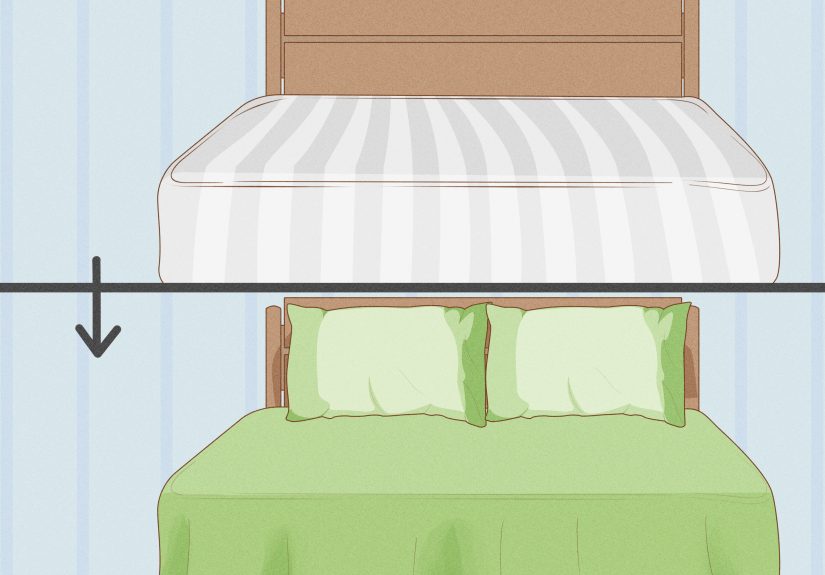
Remove sheets, pillowcases, blankets, and any mattress pad or protector. Launder them per the care labels. Clean bedding prevents odors from boomeranging back onto your “fresh” mattress.
Step 2: Vacuum thoroughly (especially seams)
Vacuum the entire surface with the upholstery attachment. Then run the crevice tool along seams, piping, and tufting. Skipping this step is how steam turns dust into damp gunk.
Step 3: Deodorize with baking soda (thin layer, not a snowstorm)
Lightly sprinkle baking soda over the surface. Let it sit 30–60 minutes for routine odors, or 2–8 hours for stronger funk. Then vacuum slowly and thoroughly.
Optional: mix 3 parts baking soda with 1 part cornstarch if the mattress feels oily. Use a light handtoo much powder can clog some vacuum filters.
Step 4: Spot-treat stains before you steam
Treat spots using minimal liquid and lots of blotting. Apply cleaner to a cloth (not directly to the mattress) so you control moisture.
Quick stain guide
- Sweat/body oils: blot with a cloth barely dampened with mild dish-soap solution (mostly suds).
- Urine/pet accidents: blot first, then use an enzyme cleaner. DIY backup: very light 50/50 water–white vinegar mist + baking soda, then vacuum after several hours.
- Blood: cold water only. Try a baking soda + cold water paste; blot. Use hydrogen peroxide sparingly and patch test.
- Food/coffee: blot, then dab with mild soap solution; “rinse” by blotting with a barely damp cloth, then blot dry.
Step 5: Patch test your steamer
Steam a small hidden area briefly, let it dry, then check for discoloration or texture changes. If anything looks weird, stop and skip steam.
Step 6: Steam in smooth, moving passes
Your goal is a surface refresh, not a deep soak. Work in sections and keep the tool moving.
- Use the lowest effective steam setting.
- Move in overlapping passes (no lingering).
- Work in sections (about 2 ft by 2 ft).
- Hold close without dripping. If using an iron’s steam burst, hold it several inches above the fabricnever touch the mattress with the hot plate.
If you see wet patches, you’re using too much steam or moving too slowly.
Step 7: Dry the mattress aggressively
Drying is the whole game. A “mostly dry” mattress can still trap moisture inside, and that’s where musty smells start.
- Open windows if outside air is dry, or run AC/dehumidifier if it’s humid.
- Run a fan across the mattress surface to speed evaporation.
- If possible, stand the mattress on its side for airflow.
- Wait at least 24 hours before making the bed.
If it feels cool or slightly clammy, it’s not ready. Sheets trap moisture and can lead to mildew odors.
Step 8: Protect your work
- Do a final quick vacuum once dry.
- Put on a breathable mattress protector.
- Rotate the mattress head-to-foot every few months (if your model allows).
Deodorizing Scenarios: What to Do for Specific Smells
“My mattress smells like sweat.”
That odor usually comes from body oils plus humidity. Give baking soda more time (closer to the 2–8 hour range), focus steam passes on your typical sleep zone, and don’t skimp on drying. If the smell returns quickly, wash pillows and replace old protectorsodor often lives in the layers above the mattress.
“It smells like pet.”
Steam helps, but enzymes are the real solution. Treat with an enzyme cleaner first, let it dry completely, then steam lightly and deodorize. If you steam a damp enzyme-treated spot, you can “cook” the smell into place.
“It smells smoky or like cooking.”
Try two light rounds of baking soda (30–60 minutes each), vacuum between rounds, then steam lightly. Ventilate the room well so odors can leave instead of just circulating.
“It smells musty already.”
Musty can mean trapped moisture or early mildew. Skip steam until you fix the moisture problem. Increase airflow, use a dehumidifier, and consider professional help if the odor persists.
How Often Should You Steam Clean a Mattress?
A good routine is simple:
- Weekly: wash sheets; quick spot check for spills.
- Monthly: vacuum the mattress (especially seams).
- 2–4 times per year: deeper clean (vacuum + deodorize + spot treatment). Steam only when your mattress material tolerates it and you can dry it thoroughly.
When to Call a Professional Instead
DIY works best for surface odors and light stains. Consider professional cleaning if you’re dealing with large urine saturation, repeated musty odors, suspected mold, or pest concerns. Sometimes the healthiest choice is letting someone with commercial extraction tools handle it.
Common Mistakes That Make Mattress Odor Worse
- Over-steaming and extending dry time.
- Making the bed too soon and trapping moisture.
- Using too much baking soda and grinding it into the fabric.
- Ignoring humidity (high humidity = slow drying).
FAQ
Can I steam clean a memory foam mattress?
Often it’s not recommended. Foam and adhesives can be damaged by heat and moisture. If your manufacturer doesn’t explicitly allow it, stick to vacuuming, baking soda deodorizing, and careful spot treatment.
How long should the mattress dry after steam cleaning?
Plan for at least 24 hours. In humid climates or with plush pillow-tops, it may take longer. Fans and dehumidifiers help a lot.
Extra Experiences (500+ Words): What People Learn the Hard Way
Real life is messier than a checklist. Here are common “wish I knew this earlier” lessons people share after trying to steam clean a mattress at home.
1) The “slow and steady” steamer who went too slow
Many people assume slower equals better. They hover over one spot to “really sanitize,” then wonder why the bed feels damp hours later. Mattresses dry slowly, and moisture can linger inside even when the surface looks fine. The fix: lighter steam, faster passes, and big airflow. Steam should feel like a quick refreshnot a shower.
One practical habit that helps is limiting yourself to one pass per section. If you want to go again, do it after the first pass has dried a bit (and only if your mattress material can handle it).
2) The baking soda avalanche (and the vacuum that suffered)
Another classic: dumping a dramatic amount of baking soda because a video told them to. Yes, it can deodorizebut fine powder can clog filters and reduce suction. The best results come from a thin, even layer, enough time to sit, and a slow vacuum pass with a clean filter.
People also report that “rubbing” baking soda in with a brush can help on sturdy quilted tops, but it can be too abrasive for delicate fabrics. When in doubt, sprinkle lightly and let time do the work.
3) The pet accident that needed enzymes, not just steam
Steam can freshen the surface, but urine odors usually need enzymes to break down the compounds causing the smell. Success stories follow a pattern: blot, treat with enzyme cleaner, let it dry completely, then do a gentle steam pass and a light deodorizing dusting if needed.
When people skip enzymes, they often say the odor “returns” once the mattress warms up again. That’s usually because the source wasn’t removed; it was temporarily muted.
4) The “lavender will fix it” experiment
A few drops of essential oil mixed into baking soda can be pleasant, but heavy fragrance often backfiresspots, irritation, or a weird mix of perfume and old odor. People who sleep best focus on neutralizing smells (baking soda + airflow) and keep scents mostly on washable layers like sheets or protectors.
5) The biggest surprise: dry air matters more than fancy tools
Across nearly every happy outcome, the secret weapon is drying: fans, cross-breeze, and (in humid areas) a dehumidifier. People who plan mattress cleaning on a low-humidity day and wait a full day before making the bed report the best resultsfresh smell, no musty rebound, no regrets.
Bonus lesson: the mattress protector convert
After one real stain scare, a lot of people become mattress-protector evangelists. A breathable, washable protector doesn’t just prevent stainsit reduces odor buildup because sweat and oils stay on a layer you can launder. The common takeaway is funny but true: the best deep clean is the one you don’t have to do next month.
If you want the short version: go easy on moisture, go hard on airflow, and don’t remake the bed until the mattress is truly dry.
Conclusion
To steam clean a mattress without creating musty odors, treat it like a low-moisture project: vacuum first, deodorize with a light baking soda layer, spot-treat stains, steam in moving passes, and dry thoroughly. Do that, and your mattress will smell like clean laundrynot like last month’s sweaty decisions.





 Close
Close