
Table of Contents >> Show >> Hide
- Why Letter Writing Still Matters
- How to Teach Letter Writing: 10 Steps
- 1. Start With the Purpose, Not the Format
- 2. Show Real Examples of Different Letter Types
- 3. Teach the Parts of a Letter Explicitly
- 4. Choose an Authentic Audience
- 5. Model the Writing Process Out Loud
- 6. Brainstorm Ideas Before Drafting
- 7. Provide Sentence Starters and Scaffolds
- 8. Teach Tone, Manners, and Voice
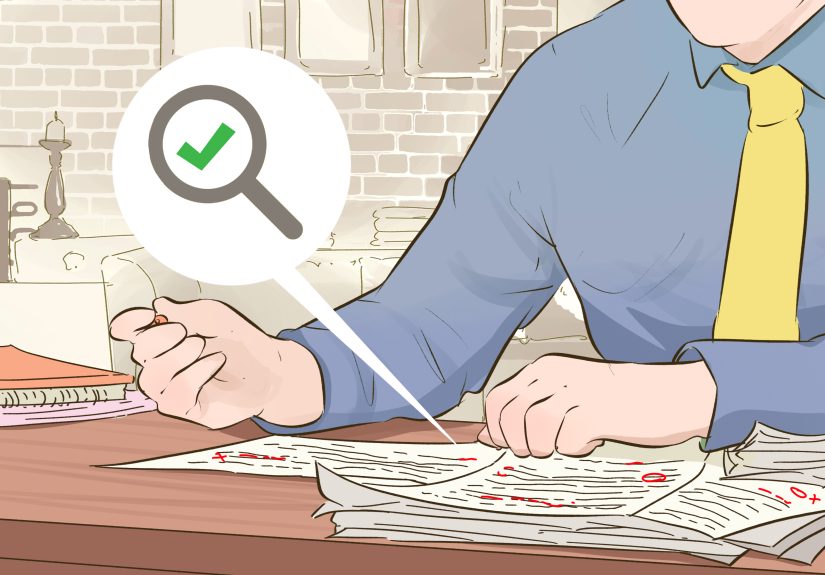
- 9. Revise and Edit With a Clear Checklist
- 10. Publish, Send, and Celebrate
- Extra Tips for Teaching Letter Writing Successfully
- Classroom Experiences and Practical Lessons Learned
- Final Thoughts
Letter writing may sound like it belongs in a museum somewhere between the quill pen and the cassette tape, but it is still one of the most practical writing skills students can learn. A good letter teaches structure, tone, audience awareness, sentence fluency, organization, and purpose all at once. It also gives students something many school assignments lack: a real human being on the other side of the page.
That is why teaching letter writing works so well in classrooms, homeschool spaces, tutoring sessions, and writing workshops. Students are not just filling paper. They are communicating. They are thanking grandparents, persuading principals, asking authors questions, writing to community helpers, or sending kind notes to classmates. Suddenly, writing feels less like broccoli and more like dessert.
Below are 10 practical steps to teach letter writing in a way that is organized, engaging, and actually memorable. Whether you teach first graders who still think every pencil is a chew toy or older students who can text faster than they can think, these strategies can help.
Why Letter Writing Still Matters
Before diving into the steps, it helps to know why this skill deserves class time. Letter writing teaches students to match their message to an audience and purpose. It also strengthens handwriting, composition, revision, and social communication. For younger students, it builds confidence with sentence formation and print concepts. For older students, it introduces formal writing conventions, persuasive structure, and professional tone.
Best of all, letter writing gives students an authentic audience. That phrase may sound like it belongs in a teacher training slideshow, but it simply means this: someone besides the teacher might actually read the writing. When students know their words are going to a friend, veteran, local business, principal, or family member, they tend to care more. Miraculous, really.
How to Teach Letter Writing: 10 Steps
1. Start With the Purpose, Not the Format
The biggest mistake in a letter writing lesson is starting with a worksheet full of labels and expecting students to care. Begin with the reason people write letters. Ask questions like:
- When would you write a thank-you letter?
- When would you write a complaint letter?
- When would you write to a friend, a teacher, or a company?
Once students see that letters solve real communication problems, the format makes more sense. Explain that different kinds of letters have different jobs. A friendly letter builds connection. A formal letter communicates respectfully and clearly. A persuasive letter tries to convince someone to act.
2. Show Real Examples of Different Letter Types
Students need mentor texts. Show them a few strong examples before asking them to write. Use at least three kinds:
- Friendly letter: casual, warm, personal
- Thank-you letter: specific, appreciative, focused
- Formal or business letter: polite, structured, professional
Read each one aloud and ask students to notice what changes from one type to another. Who is the audience? What is the tone? How formal is the language? What details make the letter feel personal or professional?
This comparison step is gold because students begin to understand that writing is not one-size-fits-all. You would not open a letter to your principal with “Hey buddy,” unless your goal is chaos.
3. Teach the Parts of a Letter Explicitly
Now it is time for structure. Students should learn the basic parts of a letter and the purpose of each one. For a friendly letter, teach:
- Heading
- Date
- Greeting or salutation
- Body
- Closing
- Signature
For a formal letter, add the sender’s address, recipient’s address, and more formal punctuation and spacing. Show students what block format looks like and explain that formal letters are usually aligned to the left for a clean, professional appearance.
A simple anchor chart helps here. So does color coding. For example, mark the greeting in blue, the body in green, and the closing in orange. When students can visually separate the parts, they are less likely to forget them.
4. Choose an Authentic Audience
If you want stronger writing, give students a real reason to write. An authentic audience can be as simple as a pen pal class, a family member, the school librarian, or a local firefighter. Older students might write to a mayor, editor, business owner, or college admissions office as practice.
Here are a few classroom-friendly ideas:
- Write thank-you letters to school staff
- Send kind notes to residents at a senior center
- Write persuasive letters about a school issue
- Mail letters to an author after reading a class novel
- Exchange letters with students in another classroom
When students know a real person may respond, the energy changes. Suddenly, spelling matters. Tone matters. Details matter. Miracles continue.
5. Model the Writing Process Out Loud
Do not skip modeling. Students need to hear how a writer thinks. Choose a simple prompt such as writing a thank-you letter to the custodian or a friendly letter to a cousin. Then write in front of the class and narrate your thinking:
- “I need a greeting that fits this reader.”
- “I should say exactly what I am thankful for.”
- “This sentence sounds too vague. Let me make it clearer.”
This think-aloud method shows students that strong writing is built, not magically dropped from the ceiling. It also normalizes revision. Many kids assume good writers get everything right on the first try. That myth needs to be escorted firmly out the door.
6. Brainstorm Ideas Before Drafting
Some students freeze the moment they see a blank page. Letter writing becomes much easier when you give them a quick planning routine. Before drafting, ask students to answer three questions:
- Who am I writing to?
- Why am I writing?
- What are the two or three key things I want to say?
You can use a simple graphic organizer with boxes labeled audience, purpose, and main points. This keeps students from wandering off into unrelated stories about pizza, dinosaurs, or what their dog did yesterday unless those details truly belong in the letter.
7. Provide Sentence Starters and Scaffolds
Scaffolds are not cheating. They are training wheels, and training wheels are better than crashing into a hedge. Many students need support to begin. Offer sentence starters such as:
- “I am writing to thank you for…”
- “I wanted to tell you about…”
- “One reason I believe this is important is…”
- “I appreciate the way you…”
- “Thank you for taking the time to read my letter.”
For younger learners, use fill-in-the-blank templates first and then gradually remove support. For older learners, provide a checklist instead of a full template. This keeps the lesson accessible while still encouraging originality.
This is also the moment to support students with different learning needs. Some may benefit from dictation, speech-to-text tools, larger lined paper, pencil grips, multisensory handwriting practice, or small-group conferencing. The goal is communication, not unnecessary struggle.
8. Teach Tone, Manners, and Voice
A great letter is not just correctly formatted. It sounds right. Students need direct teaching on tone. A friendly letter can sound warm and relaxed. A formal letter should sound respectful and clear. A persuasive letter should sound confident, not rude.
Try this mini-lesson: write three openings on the board and ask students which one fits a principal best.
- “Yo, I need to talk to you.”
- “Dear Principal Harris, I am writing to share an idea for improving recess.”
- “Hey there, what’s up?”
Students usually get the point quickly. Tone is one of the most useful skills letter writing teaches because it transfers to email, essays, applications, and future workplace communication.
9. Revise and Edit With a Clear Checklist
Once students draft, guide them through revision before editing. Revision asks, “Did I say what I meant?” Editing asks, “Did I say it correctly?” Keep those jobs separate.
A solid letter writing checklist might include:
- Did I include all parts of the letter?
- Is my purpose clear?
- Did I use the right tone for my audience?
- Did I include specific details?
- Did I check capitalization, punctuation, and spelling?
- Is my handwriting or formatting easy to read?
Peer review can work well here if it stays focused. Instead of saying “check your partner’s paper,” assign one job at a time. One student checks format. Another checks clarity. Another listens for tone. Specific tasks produce better feedback and fewer blank stares.
10. Publish, Send, and Celebrate
The final step is where the magic happens. Do not let the letters die quietly in a folder. Have students publish their final drafts neatly, address envelopes, and send or deliver the letters whenever possible. If mailing is not realistic, create a classroom mailbox, hold a letter exchange, or display formal letters on a bulletin board.
Celebration matters because it reinforces the idea that writing has power. Read selected letters aloud with permission. Invite responses from recipients. Let students reflect on what they learned from writing for a real audience.
When students receive a reply, even a short one, they begin to understand writing as a living exchange rather than a school chore. That lesson sticks.
Extra Tips for Teaching Letter Writing Successfully
Differentiate by Grade Level
Younger students may focus on drawing plus one or two sentences, labeling the parts of a friendly letter, and practicing handwriting. Upper elementary students can write multi-paragraph friendly, thank-you, and persuasive letters. Middle school students can compare formal and informal style, revise for tone, and practice professional correspondence.
Connect Letter Writing to Other Subjects
Letter writing does not need to live only in language arts. Students can write as historical figures in social studies, send observation letters in science, or write to a museum curator after a unit study. Cross-curricular writing makes the skill feel useful and helps content stick.
Use a Writing Center or Letter Station
Set up a classroom area with paper, envelopes, stamps if appropriate, markers, mentor samples, and address templates. This invites voluntary practice, which is often where confidence grows. Some students will write more once it feels like a choice instead of a command.
Classroom Experiences and Practical Lessons Learned
One of the most telling experiences with letter writing happens when students write to someone they actually know. A class may begin the week with groans, pencil tapping, and dramatic sighs usually reserved for chores like unloading the dishwasher. But once students choose a real recipient, the mood changes. A child writing to a grandparent suddenly wants the spelling of “appreciate” correct. Another student writing to the principal about playground shade starts asking whether “therefore” sounds more convincing than “also.” The assignment becomes real. That shift is not small. It is the point.
In many classrooms, thank-you letters are the easiest entry point because students already understand gratitude. After a field trip, guest speaker visit, or school event, students can write short notes explaining what they learned and why it mattered. Even reluctant writers often do well with this format because the purpose is concrete. They are not trying to invent a topic from thin air. They are responding to something specific. That makes planning easier and the writing stronger.
Another common experience is that students who struggle with longer assignments often succeed with letters because the structure is so supportive. A greeting gives them a way in. A closing gives them a clear ending. The body has a natural focus: say what you need to say to this person. For students who feel overwhelmed by open-ended writing, that structure can lower anxiety and build momentum. Teachers often notice that students write more when they know exactly who they are addressing and why.
Formal letters create a different but equally useful experience. Students may laugh at first when they see address blocks, spacing rules, and professional closings. It can feel stiff compared with texting or messaging. But once they practice, they begin to understand that audience changes language. They learn that being polite is not about sounding robotic. It is about being clear, respectful, and effective. Those lessons carry into email, scholarship applications, job communication, and future academic writing.
There is also something surprisingly powerful about sending the letters. A letter that stays in a desk is just an assignment. A letter that goes into an envelope feels important. Students often take extra care with handwriting, punctuation, and word choice when they know the message will travel beyond the classroom. And when responses come back, even a simple thank-you note or short reply, students see that writing can create a relationship. That moment gives the lesson staying power.
Perhaps the biggest lesson from teaching letter writing is this: students do not need writing to be flashy. They need it to be meaningful. A letter offers purpose, structure, audience, and emotional connection in one tidy package. That is why it remains one of the most useful writing lessons teachers can teach.
Final Thoughts
Teaching letter writing is not about nostalgia for old-fashioned communication. It is about helping students learn how to organize ideas, consider audience, choose tone, and communicate with purpose. Those are timeless skills. Start with authentic reasons to write, teach the structure clearly, model the process, support students with smart scaffolds, and let the letters reach real readers.
Do that, and you are not just teaching kids how to write a letter. You are teaching them how to connect with other people through words. And that skill will never go out of style.







 Close
Close