
Table of Contents >> Show >> Hide
- Reality Check: Can Merino Wool Really Be Unshrunk?
- Why Merino Wool Shrinks (So You Don’t Repeat the Plot)
- What You’ll Need
- Method 1: Conditioner Soak + Gentle Stretch (Best for Most Merino)
- Method 2: Damp Block + Steam (For “Almost Fine” Shrinkage)
- Method 3: Vinegar Rinse for Stiff, Itchy, or Residue-Heavy Wool
- What Not to Do (Unless You’re Trying to Shrink It More)
- Special Cases: Merino Base Layers, Socks, and Structured Pieces
- How to Keep Merino Wool From Shrinking Again
- FAQ: Fast Answers to Common Merino Wool Panic Questions
- Common Experiences & Lessons Learned (Bonus )
- SEO Tags
You know that feeling when your favorite merino sweater comes out of the wash looking like it belongs to a very stylish
golden retriever? Yeah. Merino wool is amazingsoft, breathable, odor-resistantbut it can also be dramatic when exposed
to the wrong combo of heat, agitation, and impatience.
The good news: you may be able to unshrink merino wool (or at least get it close) if the damage isn’t severe.
The bad news: if your garment is fully felted, you’re not “unshrinking” so much as negotiating with physics. Still, with the
right method (and a little gentle persuasion), many merino pieces can be stretched back into wearable shape.
Reality Check: Can Merino Wool Really Be Unshrunk?
“Unshrinking” is really relaxing the fibers and re-shaping the garment. Results depend on how and why it shrank:
- Light shrink / slight distortion: Common with merino base layers and sweaters. You often can stretch it back 70–100%.
- Moderate shrink (tight, smaller overall): You may recover a good chunk, but it might not return perfectly to factory sizing.
- Severe felting (thick, stiff, “matted” feel): Usually irreversible. You can sometimes gain a little size, but it won’t behave like it used to.
How to Tell If It’s Felted
Do a quick “fabric vibe check.” If the material feels thicker, denser, and less stretchy than before, and the knit stitches look
fused together, that’s felting. If it still feels soft and flexiblejust smalleryour chances are much better.
Why Merino Wool Shrinks (So You Don’t Repeat the Plot)
Wool fibers have tiny surface scales. Add moisture, heat, and especially agitation, and those scales can lock together.
That locking is what we call felting. Merino’s fine fibers make it comfortable, but they’re still woolso the same rules apply.
Translation: the “shrinking” usually isn’t the garment compressing like a sponge. It’s the fiber structure changing.
That’s why prevention is so powerfuland why unshrinking is sometimes only a partial win.
What You’ll Need
You don’t need a laboratory. You need a sink, patience, and the ability to resist aggressive tugging.
- A clean sink, tub, or large basin
- Cool to lukewarm water (not hot)
- Hair conditioner or baby shampoo (or liquid fabric softener if that’s what you have)
- Two clean towels
- A flat surface to dry (drying rack, blocking mat, or a towel on a table)
- Optional but helpful: measuring tape, rust-proof pins, blocking mats, sweater weights (or clean books in a pinch)
Method 1: Conditioner Soak + Gentle Stretch (Best for Most Merino)
This is the go-to approach recommended across home-care experts and clothing-care pros because it’s simple:
conditioner (or baby shampoo) helps lubricate and relax fibers so they’re easier to reshape.
Step-by-Step: How to Unshrink Merino Wool Safely
-
Fill your basin with cool to lukewarm water.
Think “comfortable hand-washing temperature,” not “steaming spa day.” -
Add your fiber relaxer.
Mix in about 1–2 tablespoons of hair conditioner or baby shampoo. Swish to dissolve. -
Submerge the garment completely.
Gently press it under the water. Don’t scrub. Don’t twist. Don’t relive your frustration through the sweater. -
Soak for 30–60 minutes.
If it’s only slightly shrunk, 30 minutes may do it. For more stubborn shrinkage, soak up to 2 hours. -
Drain and rinse lightly.
Rinse with cool water until it’s not slippery. (Some people leave a tiny bit of conditioner in for easier stretchingeither way is fine,
as long as you don’t leave it heavily coated.) -
Remove water the gentle way.
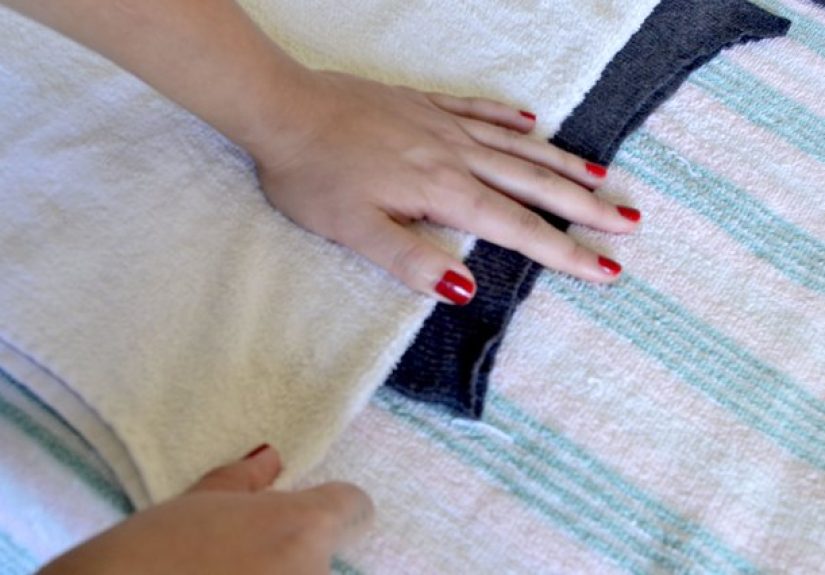
Lay the garment flat on a towel and roll it up like a burrito. Press to absorb water. Do not wring. -
Reshape on a flat surface.
Lay it flat on a dry towel or blocking mats. Smooth it into shape with your hands. -
Stretch slowly, in small passes.
Start at seams: shoulders, side seams, hem, sleeves. Gently pull outward a little at a time. If you yank hard in one spot,
you’ll create a weird “long corner” that looks like the sweater is trying to escape. -
Match measurements (if you can).
If you know the original dimensions (or can compare to a similar garment), use a measuring tape.
Aim for even, symmetrical stretching. -
Pin or weigh it down (optional but effective).
Use rust-proof pins around the edges to hold shape. Or use light weights to keep it from shrinking back while drying. -
Let it air-dry completelyflat.
Drying can take 12–24 hours depending on thickness and humidity. Flip once midway if needed.
Pro Tips for Better Results
- Stretch while damp, not wet. Too wet = slippery and uneven stretching. Too dry = stubborn fibers.
- Work in sections. Hem, then width, then sleeves, then length. Small wins add up.
- Don’t chase perfection. Getting “wearable again” is a victory. A millimeter-perfect restoration is optional.
Method 2: Damp Block + Steam (For “Almost Fine” Shrinkage)
If your merino is only slightly smaller or misshapen, you might not need a full soak. Blocking plus gentle steam can help relax fibers
without saturating the garment.
How to Do It
- Lightly dampen the garment with a spray bottle (cool water).
- Lay it flat and reshape it to size.
-
Hover a garment steamer a few inches above the fabric (don’t press it flat like you’re ironing a grilled cheese).
Let steam relax the fibers. - Gently stretch and smooth again.
- Let it dry flat, pinned or weighted if needed.
This method is especially useful for merino knits that got a little too cozy in the dryer for five minutes and now have “cropped energy.”
Method 3: Vinegar Rinse for Stiff, Itchy, or Residue-Heavy Wool
This is less about size recovery and more about comfort and fiber feel. If your merino feels stiff after a laundry mishap,
a vinegar soak can help remove detergent buildup and soften the fabricmaking stretching easier afterward.
Quick Vinegar Soak
- Fill a basin with cool water.
- Add about 1/4 cup distilled white vinegar.
- Soak 20–30 minutes.
- Rinse well, then proceed to gentle towel-rolling and reshaping flat.
What Not to Do (Unless You’re Trying to Shrink It More)
- Don’t use hot water. Heat encourages more shrinkage and felting.
- Don’t wring or twist. That stresses fibers and can distort shape permanently.
- Don’t hang it to dry. Wet wool hangs like it’s auditioning to become a scarf.
- Don’t blast it with high dryer heat. This is the fast lane to irreversible shrinkage.
- Don’t overstretch. You want “back to size,” not “melted taffy sweater.”
Special Cases: Merino Base Layers, Socks, and Structured Pieces
Merino Base Layers (Tees, Long Johns, Hoodies)
Base layers often have blends (a bit of nylon or elastane) and tend to respond well to the conditioner soak. Stretching is easier
if you focus on width first, then length. If seams look wavy afterward, a light steam while flat can help smooth them.
Merino Socks
Socks can be tricky because the knit is dense and shaped. You can soak and gently stretch, but don’t force the heel pocket too hard.
A realistic goal is “comfortable again,” not “exactly the same as brand new.”
Structured Wool Garments (Coats, Suit Jackets, Lined Pieces)
If it has lining, shoulder pads, or tailoring, skip the DIY tug-of-war. Water and stretching can warp structure.
Consider a professional cleaner who specializes in wool and tailoring.
How to Keep Merino Wool From Shrinking Again
Once you rescue a merino piece, you’ll want to avoid a sequel. Here’s what laundry pros and merino brands generally agree on:
low heat, low agitation, gentle handling, and flat drying are your best friends.
Washing Rules That Actually Work
- Read the care label first. Some merino blends can handle low tumble dry; others absolutely cannot.
- Wash cold (or cool/tepid) on a delicate or wool cycle.
- Use a wool-safe detergent (or a gentle delicates wash). Avoid harsh cleaners and heavy enzymes unless the label allows it.
- Use a mesh bag for thinner knits and base layers to reduce friction.
- Skip high spin speeds when possible. Agitation is a major culprit.
- Dry flat on a towel or rack. Reshape while damp.
About the Dryer: Is “Tumble Dry Low” Ever OK?
Some merino garments (especially certain blends) are labeled as safe to tumble dry on low. If the label says it’s allowed,
follow it exactlylow heat, short cycle, remove promptly. If the label says “lay flat to dry,” believe it. The label is the final boss.
FAQ: Fast Answers to Common Merino Wool Panic Questions
How long does it take to unshrink merino wool?
Plan for 1–2 hours of soaking time plus 12–24 hours to dry flat. The actual “hands-on” work is usually 10–20 minutes.
Will the unshrinking last?
If you handle it gently afterward, it can last. But if the garment was significantly felted, it may try to shrink back over time,
especially after future washes. Prevention is your best long-term strategy.
Can I use fabric softener instead of conditioner?
Many guides include liquid fabric softener as an option for relaxing fibers. If you use it, rinse thoroughly and don’t overdo it.
Conditioner or baby shampoo is often preferred because it’s designed to coat and smooth protein fibers (hair), which is conceptually similar to wool.
What if I only need to fix the sleeves or the length?
Greattargeted fixes are easier. Focus on damp stretching that specific area, and pin it in shape while drying.
Just keep transitions smooth so you don’t end up with “long sleeve, short torso” confusion (unless that’s the fashion).
Common Experiences & Lessons Learned (Bonus )
If you’ve ever searched “how to unshrink merino wool” at 11:47 p.m. while holding a sweater that now fits your toaster,
welcome to the club. Here are some extremely normal, very relatable “this happened to someone” momentsand what tends to work.
Experience #1: The ‘It Was Only Ten Minutes’ Dryer Incident.
Someone tosses a merino crewneck in the dryer on “low,” then forgets it while answering a few texts, solving a minor life crisis,
and watching one (1) episode that turns into four. The sweater emerges smaller and tighterespecially in the chest and sleeves
but still soft. In this scenario, the conditioner soak method is the hero. The key lesson: stretching works best when you do it slowly
and evenly, not like you’re trying to open a stubborn pickle jar. People who measure and pin the sweater while it dries usually get the best
results, because merino loves to “snap back” if you don’t hold the new shape.
Experience #2: The Merino Base Layer That Became a Crop Top.
Base layers are often thinner, which makes them easier to reshapebut also easier to over-stretch. A common win is to restore width first
(because tightness is the main problem), then gently recover length. The best trick here is working in small passes: tug a little, smooth a lot,
and repeat. People who try to yank length all at once sometimes end up with a shirt that’s longer but weirdly narrow, like it’s auditioning to be
a compression garment. Slow and steady beats dramatic.
Experience #3: The “Felted Brick” Sweater Reality Check.
Sometimes the sweater doesn’t just shrink; it transforms. It’s thicker, stiffer, and the knit looks fused. In that case, even after soaking,
the garment may only give back a small amount of size. The lesson: felting is a structural change, not a mood. People often still do the soak,
because gaining even half a size can turn “unwearable” into “wearable with a tank top underneath.” And if it doesn’t work? The sweater might
be reborn as a very nice hat, mittens, or a felted tote. Not the outcome you wanted, but at least it gets a second life.
Experience #4: The Aftercare Mistake (a.k.a. The Re-Shrink).
A surprisingly common story: someone successfully stretches their merino back… then washes it the same way again.
The sweater shrinks back like it has unresolved feelings. If you want the rescue to stick, the aftercare matters:
cold wash, gentle cycle, low agitation, and flat dry. Many people find it helpful to reshape merino while damp every single time,
even if it didn’t shrinkbecause it keeps the garment looking like it belongs to an adult human.
Bottom line: most “unshrinking” success comes from three thingsrelaxing the fibers, reshaping evenly,
and drying flat while held in place. It’s less magic and more gentle persistence. But it feels like magic when you get your
favorite merino piece back, so we’ll call it a win.




 Close
Close