
Table of Contents >> Show >> Hide
- What Is a Trundle Bed, Exactly?
- How Does a Trundle Bed Work?
- Why Do People Buy Trundle Beds?
- Pros and Cons of a Trundle Bed
- Who Is a Trundle Bed Best For?
- What to Check Before You Buy a Trundle Bed
- Trundle Bed vs. Other Space-Saving Beds
- Are Trundle Beds Comfortable?
- What Living With a Trundle Bed Is Actually Like
- Final Thoughts
- SEO Tags
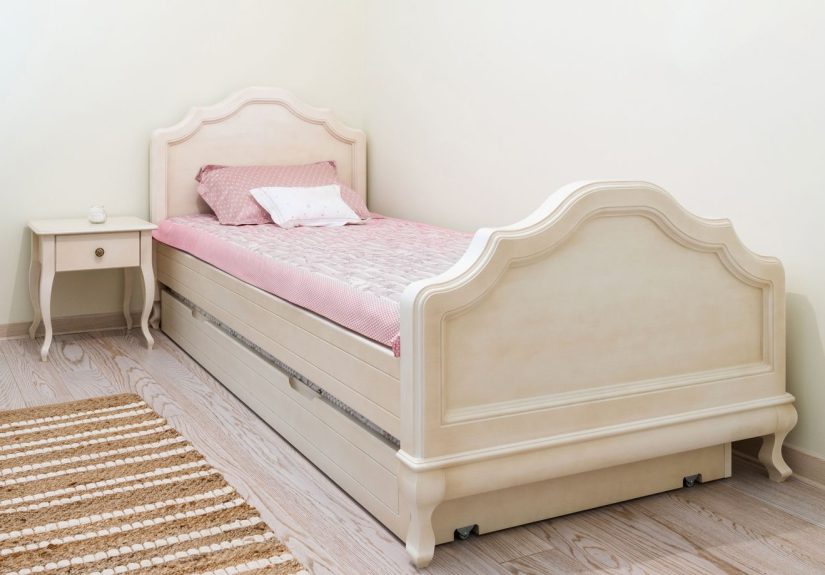
A trundle bed is the furniture world’s version of a magic trick: one bed when you glance at it, two beds when you actually need it. At its simplest, a trundle bed is a low, pull-out bed stored underneath another bed or a daybed. The lower bed usually sits on casters or a rolling platform, so you can slide it out at night and tuck it away in the morning. It is clever, compact, and just a little smug about how much space it saves.
That is exactly why trundle beds show up in guest rooms, kids’ bedrooms, studio apartments, vacation homes, and multipurpose spaces where every square foot has to earn its keep. Instead of permanently giving up floor space to a second bed, you keep the extra sleeping spot hidden until a cousin visits, your child hosts a sleepover, or your “office” suddenly becomes a guest room because life likes plot twists.
But while the idea sounds wonderfully simple, buying the right trundle bed takes a little more thought than saying, “Look, a secret bed!” You need to think about mattress thickness, room clearance, comfort, daily use, and whether the person sleeping on it is a six-year-old, a college roommate, or your uncle who complains if the hotel pillow looks at him wrong.
This guide breaks down exactly what a trundle bed is, how it works, the pros and cons, who it is best for, and what to know before buying one. By the end, you will know whether a trundle bed is your small-space hero or just a cute idea that belongs in somebody else’s house.
What Is a Trundle Bed, Exactly?
A trundle bed is a two-in-one sleeping setup. The main bed sits at regular height, while a second, lower bed slides underneath it. When not in use, the trundle stays hidden below the main frame. When needed, it rolls out to create an extra sleeping space.
Most trundle beds are designed around twin mattresses, although some full-size versions exist. The lower mattress is usually thinner than a standard mattress because it needs enough clearance to slide smoothly under the bed above. That detail matters more than people expect. A bed frame may look roomy in product photos, but the wrong mattress height can turn your “space-saving solution” into a daily wrestling match.
In many cases, trundles pair with:
- a standard bed frame
- a daybed
- a captain’s bed with added drawers or storage
- some bunk bed designs with a lower trundle underneath
The word itself has old roots. Historically, trundle or truckle beds were low beds pushed beneath larger beds. Today’s versions are more polished, more practical, and a lot less likely to involve candlelight and a drafty manor house. Progress is beautiful.
How Does a Trundle Bed Work?
The basic mechanism is simple. The lower bed rests on wheels or casters and slides out from underneath the main bed frame. Some designs are straightforward roll-out trundles, while others are pop-up trundles that can rise closer to the height of the main mattress.
Standard Roll-Out Trundle
This is the classic version. The lower bed stays near the floor and rolls straight out. It is the most common type and usually the most affordable. It works well for kids, teens, and occasional guests, especially when saving floor space is the top priority.
Pop-Up Trundle
A pop-up trundle can be raised once pulled out, so the second mattress sits closer to the height of the main bed. In some setups, the two beds can sit side by side and create a larger sleeping surface. This version tends to feel more “real bed” and less “surprise mattress near your ankles.”
Daybed With Trundle
A daybed acts like seating during the day and a bed at night. Add a trundle underneath, and suddenly one piece of furniture can handle lounging, reading, streaming, napping, and overnight guests. It is a favorite for offices, dens, and guest rooms that are trying to multitask without looking exhausted.
Storage Trundle or Captain-Style Designs
Some models combine trundle functionality with built-in drawers or under-bed storage. These can be especially useful in children’s rooms where toys, extra blankets, and the mysterious single sock population need somewhere to go.
Why Do People Buy Trundle Beds?
The short answer is space. The longer answer is that people want space and flexibility. A trundle bed gives you an extra sleeping spot without asking you to permanently surrender a room to a second bed.
That makes a trundle bed especially useful in:
- Kids’ bedrooms: Great for siblings, sleepovers, or visiting relatives.
- Guest rooms: Helpful when one room needs to sleep more than one guest.
- Studio apartments: Smart when space is limited and every item has to multitask.
- Vacation homes: Ideal for occasional extra sleepers without constant clutter.
- Home offices: A daybed with trundle can keep a room useful all year long.
It is also often seen as a safer alternative to a top bunk for younger children, since no one is climbing a ladder or rolling out of an elevated bed. That does not make every trundle perfect for every child, but it does explain why many families prefer the lower-profile setup.
Pros and Cons of a Trundle Bed
Pros
- Excellent space-saving design: Two sleeping spaces in roughly the footprint of one bed.
- Great for guests: Much more polished than dragging out an air mattress at midnight.
- Useful in small rooms: Keeps more open floor space during the day.
- Versatile style options: Available as daybeds, kids’ beds, modern upholstered frames, and more.
- Can be budget-friendly: Often cheaper than buying two separate bed frames.
- May double as storage: Some trundles can hold linens, toys, or extra pillows when not used as a bed.
Cons
- Lower comfort ceiling: The bottom mattress is usually thinner, which can affect support.
- Not ideal for everyone: Older adults or people with mobility issues may dislike sleeping close to the floor.
- Mattress restrictions: Many trundle beds need a mattress around 8 inches or less, and some models use even thinner options.
- Setup is manual: You still have to pull it out, make it up, and tuck it back in.
- Weight limits vary: Not every trundle is built for nightly adult use.
- Requires floor clearance: You need enough room in front of the bed to roll the trundle out comfortably.
In other words, a trundle bed is extremely good at being a flexible backup sleeper. It is not always the best choice for a person who wants a luxury sleep setup every single night. Sometimes the hero wears wheels, but sometimes the hero still needs realistic expectations.
Who Is a Trundle Bed Best For?
Trundle beds shine when the second bed is useful but not constantly needed. They are ideal for families that host guests occasionally, kids who love sleepovers, or homeowners trying to make one room do the job of two.
A trundle bed is usually a strong choice for:
- children and teens
- guest rooms used a few times a month
- small apartments or condos
- shared bedrooms
- multipurpose rooms such as an office/guest room combo
It may be a weaker choice for:
- older adults who do not want to get in and out of a low bed
- people with back, knee, or mobility issues
- heavy adult sleepers if the frame has a lower weight rating
- anyone wanting a thick, plush mattress on the lower bed
What to Check Before You Buy a Trundle Bed
1. Mattress Thickness
This is the big one. Many trundle beds require a thinner mattress, often around 8 inches or less. Some retailers sell dedicated trundle mattresses in the 5-inch to 7-inch range. That does not automatically mean uncomfortable, but it does mean you cannot assume your favorite full-depth mattress will fit.
2. Bed Size and Compatibility
Do not assume every trundle works with every bed frame. Some trundles are sold as part of a matching system, especially with daybeds and kids’ furniture collections. Measure carefully and read manufacturer specs like your future sleep depends on it, because it sort of does.
3. Room Clearance
The bed may save space when closed, but it needs open floor area when extended. A tiny bedroom can still feel tiny if the trundle blocks a door, desk, or dresser the moment it comes out.
4. Frame Material and Durability
Wood, engineered wood, and metal frames all exist in the trundle universe. The best choice depends on budget, style, and who will use the bed. For frequent use, sturdier frames and smoother casters are worth the investment.
5. Comfort and Frequency of Use
If the lower bed is for an occasional guest, a thinner mattress may be completely fine. If it will be used every night, comfort matters much more. In that case, look at pop-up trundles, stronger frames, and mattress options designed specifically for regular use.
6. Safety
Safety matters most when children are involved. Keep bedding tidy, make sure the pull-out mechanism works smoothly, and follow the manufacturer’s mattress-size guidance. If you are comparing a trundle bed to a bunk bed, remember that top bunks come with separate federal safety warnings, including guardrail and age guidance. A trundle avoids that upper-bunk risk, but it still needs to be assembled and used correctly.
Trundle Bed vs. Other Space-Saving Beds
Trundle Bed vs. Daybed
A daybed is a style of bed that can look like seating during the day. A trundle is the pull-out bed underneath. They are not the same thing, although they often work together like a very efficient buddy-cop duo.
Trundle Bed vs. Bunk Bed
Bunk beds stack sleeping spaces vertically. Trundle beds store the second sleeper underneath the first. Bunks use vertical room; trundles use hidden horizontal space. Bunks are great for daily shared sleeping when ceiling height allows. Trundles are often better for occasional guests or younger children who are not ready for a top bunk.
Trundle Bed vs. Sleeper Sofa
A sleeper sofa hides a mattress inside seating. A trundle bed hides a second bed under another bed. Sleeper sofas are useful in living rooms, but many people find trundles easier to set up and more comfortable than sofa beds or air mattresses.
Are Trundle Beds Comfortable?
They can be, but comfort depends on the mattress, the frame, and how often the bed is used. A well-made trundle with a compatible mattress can feel perfectly comfortable for kids, teens, and guests. For nightly adult use, especially for people who need more support, the lower bed may feel less ideal.
The biggest comfort trade-off is mattress thickness. Because many trundles need a lower-profile mattress, the sleeper may not get the same plush, layered feel found in a thicker standard mattress. That is why trundles are often described as best for occasional sleeping rather than luxury-level every-night use.
Still, comfort is not binary. A good trundle bed can absolutely beat a sagging futon, a lumpy sofa bed, or an air mattress that slowly deflates like it is losing faith in the evening. Context matters.
What Living With a Trundle Bed Is Actually Like
The real experience of owning a trundle bed is less about the furniture brochure fantasy and more about tiny everyday victories. In a child’s room, for example, a trundle bed often changes the entire mood of the space. During the day, the room feels open enough for toys, reading corners, LEGO explosions, and the occasional dramatic costume change. At night, the extra bed slides out and the room suddenly becomes sleepover headquarters. Parents like that it feels more intentional than an air mattress, and kids love that it feels a little secretive, like the room has a hidden feature.
In a guest room, a trundle bed can be one of those decisions that seems modest until company arrives. Instead of choosing between a giant bed that eats up the whole room or a single bed that limits who can stay, the trundle creates flexibility. One guest can use the main bed. Two guests can sleep separately. And when everyone leaves, the room returns to normal instead of looking like a mini hotel that forgot to close.
People in smaller apartments often describe trundle beds as sanity-saving furniture. In a studio or one-bedroom layout, a permanent second bed can make the space feel crowded fast. A trundle lets the room breathe. You keep the cleaner lines and open floor during the week, then pull out the second bed only when needed. That matters more than it sounds. A room that functions well every day tends to feel calmer, and calm is underrated when your dining table is already moonlighting as a desk.
There are trade-offs, of course. Owners quickly learn that bedding storage matters. You need a place for the extra sheets, blankets, and pillows unless the frame includes drawers. You also learn that not every guest is equally thrilled about a bed closer to the floor. Children usually think it is fun. Teenagers are fine with it. Some adults are perfectly happy. Others react like you just invited them to sleep in a stylish drawer. Honest expectations help.
Another common experience is discovering that setup convenience depends heavily on the model. A smooth trundle glides out easily, tucks back in cleanly, and does not snag the rug. A poorly designed one becomes an upper-body workout with a side of irritation. That is why owners who are happiest with their trundle beds usually paid attention to the details: mattress height, wheel quality, frame sturdiness, and whether the bed would be used once a year or three times a week.
Overall, living with a trundle bed tends to feel practical in the best way. It is not flashy furniture. It is useful furniture. And once you have one in the right room, it often becomes the thing guests compliment by saying, “Wait, there’s another bed under there?” That little moment of surprise is part of the charm. The trundle bed may not be glamorous, but it is deeply satisfying. It solves a real problem, saves real space, and does it without turning your home into an obstacle course of extra furniture.
Final Thoughts
So, what is a trundle bed? It is a low, pull-out bed stored beneath another bed or daybed, designed to give you an extra sleeping space without permanently taking over the room. It is one of the smartest solutions for small bedrooms, guest rooms, kids’ rooms, and homes that need flexibility more than fluff.
The best trundle beds work because they are practical. They hide neatly, expand quickly, and make it easier to host guests or manage shared spaces. The catch is that they are only as good as their design. Mattress thickness, clearance, comfort, and user needs all matter. Buy the wrong one, and it becomes an awkward under-bed pancake. Buy the right one, and it becomes one of the hardest-working pieces of furniture in your home.
In short, a trundle bed is not just a bed. It is a strategy. A very sneaky, space-saving, unexpectedly helpful strategy.





 Close
Close