
Table of Contents >> Show >> Hide
- What Is Inulin, Exactly?
- Why Inulin-Rich Foods Matter for Gut Health
- 8 Foods High in Inulin to Add to Your Diet
- How to Eat More Inulin Without Upsetting Your Stomach
- Who Should Be Careful With Inulin?
- A Simple Way to Build a Gut-Friendly Day of Eating
- Final Thoughts
- Experiences Related to Improving Gut Health With Inulin-Rich Foods
If your gut has been sending dramatic little memos lately, it may be time to look at what is on your plate. One nutrient that deserves more attention is inulin, a type of soluble prebiotic fiber found naturally in a variety of plant foods. Unlike trendy “gut wellness” products with impressive marketing and suspiciously tiny serving sizes, inulin-rich foods are refreshingly straightforward: they help feed beneficial bacteria in your digestive tract and support a healthier gut environment.
That does not mean inulin is magic. It will not fix a fried-food marathon, erase stress, or transform your stomach into a zen garden overnight. But it can be a useful part of a fiber-rich eating pattern that supports digestion, regularity, and overall gut health. The best part is that many foods high in inulin are regular grocery-store staples. No futuristic powder required.
In this guide, you will learn what inulin is, why it matters, which eight foods offer the most bang for your gut-health buck, and how to add them without creating a bloating situation that turns your jeans into enemies.
What Is Inulin, Exactly?
Inulin is a naturally occurring prebiotic fiber found in many plants. Your body does not fully digest it in the small intestine. Instead, it travels to the colon, where it becomes food for helpful gut bacteria. When those bacteria ferment inulin, they produce compounds that can support a healthier digestive ecosystem.
That is why inulin is often mentioned in conversations about the gut microbiome. It is not a probiotic, which means it does not contain live bacteria. Instead, it acts like a packed lunch for the beneficial microbes already living in your gut. Think of probiotics as the guests at the party and prebiotics as the snack table. No snacks, no dancing.
Inulin also falls under the bigger umbrella of dietary fiber, which means it may help support bowel regularity, fullness after meals, and a generally more fiber-friendly lifestyle. Still, tolerance varies. Some people feel fantastic when they increase inulin-rich foods. Others feel like they accidentally swallowed a marching band. The trick is to add it gradually and pay attention to how your body responds.
Why Inulin-Rich Foods Matter for Gut Health
The phrase improve your gut health gets thrown around so often that it is starting to sound like a slogan on a bottle of expensive water. But there is a practical reason people keep talking about prebiotic foods. Your gut microbiome plays a role in digestion, bowel habits, immune function, and even how comfortably you move through the day. Feeding beneficial gut bacteria with fiber-rich foods is one of the more evidence-based ways to support that system.
Whole foods that contain inulin can be especially helpful because they bring more than one benefit to the table. In addition to prebiotic fiber, many also offer vitamins, minerals, antioxidants, and water. That combination matters. A food like asparagus or jicama does more for your overall diet than a trendy beverage that adds isolated inulin to a sweetened base and calls it “wellness.”
Another important point: more is not always better. Jumping from a low-fiber diet to a fiber festival in a single weekend may lead to gas, cramping, or bloating. If you have IBS or tend to react strongly to high-FODMAP foods, inulin may be one of those ingredients that requires a gentler approach.
8 Foods High in Inulin to Add to Your Diet
1. Chicory Root
Chicory root is often considered one of the richest natural sources of inulin. It is the overachiever of the group, the valedictorian of prebiotic fiber. You may not be roasting chicory root every Tuesday, but it shows up in chicory coffee blends, some fiber products, and certain packaged foods.
If you want a food-first approach, chicory root can be used roasted and brewed as a coffee alternative or mixed into beverages. Its flavor is earthy and slightly bitter, so it tends to appeal to people who enjoy bold, roasted tastes. Because it is so concentrated, a small amount can go a long way for sensitive stomachs.
2. Jerusalem Artichokes
Despite the name, Jerusalem artichokes are not from Jerusalem and are not the same as globe artichokes. They are tubers, also called sunchokes, and they are famously rich in inulin. They have a crisp texture when raw and a slightly nutty flavor when cooked.
You can shave them into salads, roast them with olive oil, or blend them into soups. They are delicious, but they also have a reputation. Some people adore them; some learn very quickly that “too many sunchokes” is not a story they wish to repeat. Start modestly.
3. Garlic
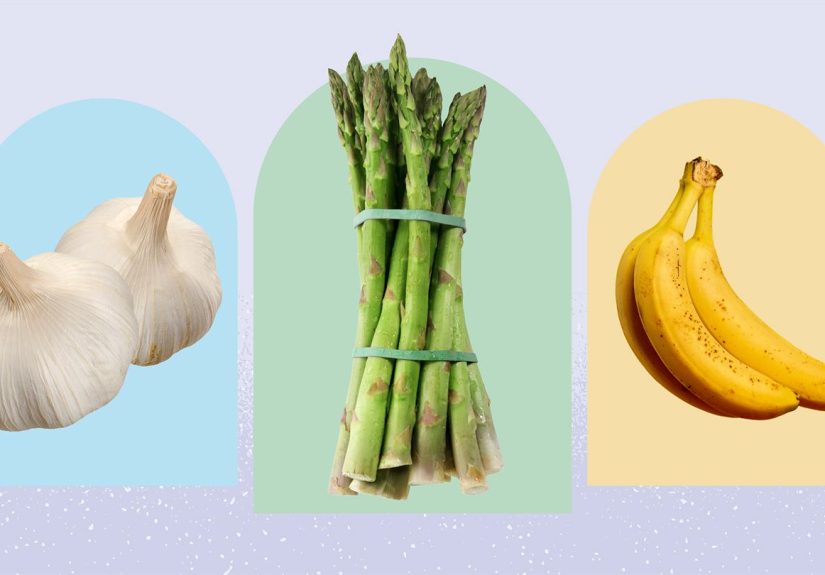
Garlic may be tiny, but it pulls a lot of weight. Along with bringing unmistakable flavor to savory dishes, garlic contains inulin and other beneficial compounds that make it a smart choice for gut-friendly meals. It is one of the easiest ways to add prebiotic support to your diet without redesigning your entire grocery list.
Add garlic to soups, roasted vegetables, marinades, sauces, stir-fries, and dressings. Raw garlic tends to have a stronger flavor and may be harder for some people to tolerate, while cooked garlic is often gentler and sweeter. Either way, your dinner wins.
4. Onions
Onions are one of the most practical inulin foods because they are affordable, versatile, and already hiding in half the recipes you make. Yellow onions, red onions, white onions, and sweet onions all contribute fiber, flavor, and prebiotic benefits.
Try them sautéed into eggs, simmered into chili, caramelized for sandwiches, or sliced thin in salads and grain bowls. If raw onions feel aggressive to your digestive system, cooking them can make them easier to handle. Onions are proof that gut-friendly eating does not have to be glamorous to be effective.
5. Leeks
Leeks are part of the allium family, just like onions and garlic, and they contain inulin as well. Their flavor is milder and more delicate, which makes them excellent for people who want the benefits of allium vegetables without the full onion fanfare.
Leeks work beautifully in soups, potato dishes, frittatas, pasta, and risotto. Wash them carefully because they love holding onto grit between their layers like tiny green hoarders. Once cleaned, they are a simple way to build flavor and fiber into a meal.
6. Asparagus
Asparagus earns its place on this list thanks to its inulin content and overall nutrient density. It is one of the more elegant ways to support gut health, if a vegetable can be called elegant. Roasted asparagus with olive oil and lemon feels slightly fancy while still being very easy.
You can grill it, steam it, shave it raw into salads, or toss it into pasta and grain bowls. Asparagus also pairs well with eggs, fish, chicken, and legumes, making it a useful building block for balanced meals. If you are trying to eat more prebiotic foods, it is one of the easiest vegetables to use regularly.
7. Bananas
Bananas are not usually the first food people think of when they hear “high in inulin,” but they do contribute prebiotic fibers, especially when less ripe. Slightly green bananas also contain resistant starch, another gut-friendly carbohydrate that beneficial bacteria enjoy.
This makes bananas a practical starter food for people who want to support digestive health without leaping straight into the deep end of the sunchoke pool. Slice one into oatmeal, blend it into a smoothie, or pair it with yogurt and nuts for a balanced snack. Accessible, portable, and no peeling tutorial required.
8. Jicama
Jicama is crisp, juicy, lightly sweet, and underrated. It is also a notable source of inulin, which makes it a standout choice for anyone who wants a refreshing, lower-effort prebiotic food. If apples and water chestnuts had a very crunchy cousin, it would be jicama.
Eat it raw with lime and chili powder, cut it into sticks for dipping, add it to slaws, or toss it into salads for texture. Because it is often eaten raw and in bigger pieces, jicama can help turn “eat more fiber” from a vague intention into a snack you actually want to reach for.
How to Eat More Inulin Without Upsetting Your Stomach
If you are excited about these foods, excellent. If you are now planning a chicory-onion-garlic-jicama mega bowl, please take a calming breath. Increasing fiber too fast can backfire, especially if your diet has been relatively low in fiber.
Start Slowly
Add one inulin-rich food at a time and keep portions modest at first. A small serving of asparagus at dinner or a few slices of jicama as a snack is a much kinder introduction than an all-day gut-health boot camp.
Drink Enough Fluids
Fiber and hydration work as a team. If you raise fiber intake without drinking enough fluids, your digestive tract may not be thrilled. Water matters here more than wishful thinking.
Use Cooking to Your Advantage
Some people tolerate cooked onions, garlic, leeks, or asparagus better than raw versions. Roasting, sautéing, and simmering can soften both texture and digestive impact.
Pay Attention to Patterns
If a certain food consistently leaves you bloated, crampy, or uncomfortable, that is useful information. Food journals are not glamorous, but they can help you spot which foods are friendly and which ones arrive like uninvited party guests.
Who Should Be Careful With Inulin?
Inulin is not a bad ingredient, but it is not ideal for everyone in large amounts. People with IBS, frequent bloating, or sensitivity to high-FODMAP foods may find that inulin-rich foods or products with added chicory root fiber trigger symptoms. This does not always mean avoiding them forever, but it may mean choosing smaller portions, cooked forms, or different fiber sources.
If you have a digestive condition, are following a low-FODMAP plan, or are considering an inulin supplement, checking in with a registered dietitian or healthcare professional is a smart move. Whole foods are usually the better starting point because they let you build tolerance gradually and see how your body responds.
A Simple Way to Build a Gut-Friendly Day of Eating
You do not need a perfectly optimized “microbiome meal plan” to support your gut. A realistic day might look like oatmeal with sliced banana at breakfast, a salad with asparagus and grilled chicken at lunch, jicama sticks as a snack, and a dinner built around roasted vegetables with onion, garlic, and leeks. That is not extreme. It is just thoughtful.
Over time, those small choices can add up to a more fiber-rich routine that supports digestion without requiring a full-time identity as a wellness influencer. Your gut does not care whether your lunch was photogenic. It cares whether it contained the kind of foods that help beneficial bacteria do their jobs.
Final Thoughts
If you want to improve your gut health with foods high in inulin, start with the basics. Choose whole foods, increase fiber gradually, stay hydrated, and pay attention to how you feel. Chicory root and Jerusalem artichokes may be the headliners, but everyday foods like garlic, onions, leeks, asparagus, bananas, and jicama can also help support a healthier gut.
In other words, gut health does not have to begin with a supplement aisle panic spiral. Sometimes it starts with a cutting board, a skillet, and the very glamorous decision to roast vegetables on purpose.
Experiences Related to Improving Gut Health With Inulin-Rich Foods
For many people, the experience of adding more inulin-rich foods starts in a very ordinary way: they decide they are tired of feeling sluggish, bloated, irregular, or weirdly dependent on “healthy” products that cost too much and taste like sweetened cardboard. So they begin with real food. Maybe they add onions and garlic to dinner more often. Maybe they slice banana into oatmeal instead of grabbing a pastry. Maybe they try jicama because they want a crunchy snack that is not a bag of chips pretending to be lunch.
At first, the results can be mixed. Some people notice better regularity within a short time, especially if they were not eating much fiber before. Others notice that their stomach seems to have opinions. A little extra gas, some bloating, and the sudden realization that their digestive system would like a slower transition are all common experiences. This is often the turning point where people learn an important lesson: gut-friendly eating is usually more successful when done steadily, not dramatically.
Another common experience is that whole foods feel easier to maintain than “gut health” products. It is simpler to roast asparagus, sauté leeks into eggs, or snack on banana with peanut butter than it is to keep buying specialty drinks or bars with added chicory fiber. Real food also tends to fit into family meals better. You do not have to explain to anyone why you are drinking a neon can that claims to heal your inner ecosystem. You just serve dinner.
People also often describe a shift in how they think about digestion. Instead of waiting until they feel uncomfortable and then trying to fix it fast, they start building habits that support their gut more consistently. They drink more water. They eat vegetables more often. They realize that a fiber-rich lunch usually feels better than a heavy, low-fiber meal that leaves them ready for a nap and a regrettable life review.
There is also the practical side of trial and error. Some people do great with asparagus and bananas but find raw onions too intense. Others love jicama and garlic but discover that Jerusalem artichokes are best enjoyed in very small, respectful amounts. Those experiences are not failures. They are how people learn what works for their own body. Gut health is personal, and tolerance matters.
Over time, the most positive experiences tend to come from consistency rather than perfection. People who regularly include a few inulin-rich foods in balanced meals often report that they feel more comfortable, more regular, and more in control of their eating routine. Not transformed into mythical wellness creatures. Just better. And honestly, better is a pretty excellent place to start.







 Close
Close