
Table of Contents >> Show >> Hide
- Psoriasis in 90 Seconds: What You’re Actually Fighting
- Meet Vitamin E: What It Does (and What It Doesn’t)
- The Big Question: Does Vitamin E Help Psoriasis?
- Why Vitamin E Isn’t a Mainstream Psoriasis Recommendation
- Where Vitamin E Does Fit: A Practical, Realistic Plan
- Safety First: When “Just a Vitamin” Isn’t So Simple
- If You Want to Try Vitamin E Anyway, Here’s the Smart Way
- Conclusion: So… Is Vitamin E Effective for Psoriasis?
- Real-World Experiences (500+ Words): What People Often Notice When Trying Vitamin E for Psoriasis
Psoriasis has a special talent: it can make you feel like your skin is running a group chat without your permission. So it’s no surprise that people look for anythinganythingthat might calm the redness, scaling, and itch. Enter vitamin E, the nutrient with a long-standing reputation as the “skin vitamin.” But does it actually help psoriasis… or is it just riding on good PR and a shiny capsule?
Let’s break it down with what we know from research, medical guidance, and real-world patternswithout pretending vitamin E is either a miracle or a villain. (It’s a vitamin. Not a superhero. Not a supervillain. More like a supporting actor who sometimes shows up in the wrong movie.)
Psoriasis in 90 Seconds: What You’re Actually Fighting
Psoriasis isn’t simply “dry skin.” It’s a chronic inflammatory condition driven by an overactive immune response that speeds up skin-cell turnover. Instead of skin cells maturing and shedding on a normal schedule, they stack up fastcreating thick, scaly plaques that can sting, crack, burn, or itch. And because inflammation doesn’t always stay politely on the surface, psoriasis is also associated with broader health concerns (think joints, cardiovascular risk factors, and quality-of-life stress).
That matters for vitamin E because it sets expectations: anything that truly improves psoriasis typically needs to address inflammation and immune signalingnot just moisturize the top layer.
Meet Vitamin E: What It Does (and What It Doesn’t)
What vitamin E is
Vitamin E is a fat-soluble nutrient (most famously alpha-tocopherol) that acts as an antioxidanthelping protect cells from oxidative damage. It’s naturally found in many foods, especially certain oils, nuts, seeds, and leafy greens.
What vitamin E can do for skin in general
- Supports the skin barrier (especially when you’re getting enough overall nutrition).
- Helps reduce oxidative stress in the bodyat least in theorybecause it can neutralize free radicals.
- Shows up in skincare products as an ingredient meant to condition and protect (often labeled “tocopherol”).
What vitamin E can’t promise
Vitamin E is not a proven psoriasis treatment in the same way that topical steroids, vitamin D analog creams, phototherapy, systemic medications, or biologics are. It may support general skin health, but “support” is not the same as “clear plaques.”
The Big Question: Does Vitamin E Help Psoriasis?
Here’s the honest answer: vitamin E may have some potential as a supportive nutrient, but the evidence that it reliably improves psoriasis symptomsespecially on its ownis limited and inconsistent.
1) Oral vitamin E supplements: mixed evidence, not a slam dunk
When you look at studies involving vitamin E for psoriasis, two themes pop up:
- Vitamin E is often studied in combinations (for example, alongside selenium or coenzyme Q10), which makes it hard to credit vitamin E alone.
- Results vary by study design, severity of psoriasis, dosing, and what outcomes researchers tracked (skin scores, inflammation markers, oxidative stress markers, etc.).
For example, older research has explored selenium + vitamin E in controlled settings and found that psoriasis severity didn’t necessarily improve in a meaningful way. Other studies (again, commonly using combinations like vitamin E + selenium + coenzyme Q10) have reported improvements in clinical scores and lab markersbut these studies are typically smaller and not definitive enough to turn vitamin E into a mainstream recommendation.
Translation: supplements with vitamin E might help some people as part of a broader strategy, but the science is not strong enough to treat vitamin E like a primary therapy.
2) Dietary vitamin E: more promising for overall health than for “fast relief”
There’s a difference between getting vitamin E from food and taking high-dose capsules. A diet naturally rich in antioxidants (vitamin E included) may be associated with better overall inflammatory balance. Some research suggests that dietary antioxidant patterns could relate to psoriasis risk and severity trendsbut that doesn’t mean eating almonds will delete plaques by Tuesday.
Still, food-first approaches have a huge advantage: they tend to be safer, more sustainable, and beneficial beyond psoriasis (energy, metabolic health, cardiovascular risk factors, and gut health).
3) Topical vitamin E: soothing? sometimes. Plaque-clearing? unlikely.
Topical vitamin E (in oils, creams, or serums) is popular because it feels “skin-friendly.” And in fairness, it can beespecially when it’s part of a well-formulated moisturizer that supports the skin barrier.
But psoriasis plaques are driven by deeper inflammation and accelerated cell turnover, so topical vitamin E is more likely to:
- help with dryness and flaking around plaques,
- improve comfort when layered with an occlusive moisturizer,
- support a healthier barrier alongside proven treatments,
- not fully clear plaques on its own.
Also worth noting: “natural” does not always mean “non-irritating.” Some people develop irritation or contact dermatitis from certain oils, fragrances, or additives in vitamin E productsespecially on already-inflamed skin.
Why Vitamin E Isn’t a Mainstream Psoriasis Recommendation
If vitamin E were consistently effective, it would show up clearly in clinical guidance and standard treatment pathways. Instead, most psoriasis guidelines and patient education resources emphasize evidence-based therapies firsttopicals, phototherapy, and systemic medications for moderate to severe diseasewhile discussing supplements more cautiously and selectively.
That’s not a conspiracy against vitamins. It’s just how evidence works: treatments earn their place by showing reliable benefits across large, well-designed studiesnot by being famous in the supplement aisle.
Where Vitamin E Does Fit: A Practical, Realistic Plan
If you’re curious about vitamin E for psoriasis, the goal is to fit it into a strategy that’s actually built to win.
Use proven psoriasis treatments as your foundation
Depending on severity and location, effective care may include:
- topical corticosteroids (often first-line for flares),
- vitamin D analog topicals,
- calcineurin inhibitors for sensitive areas (as directed),
- phototherapy,
- systemic meds or biologics for more extensive disease or psoriatic arthritis.
Let vitamin E be “support,” not “replacement”
Vitamin E may make sense as:
- a food-based nutrient focus (more on that below),
- a topical ingredient in a bland, fragrance-free moisturizer,
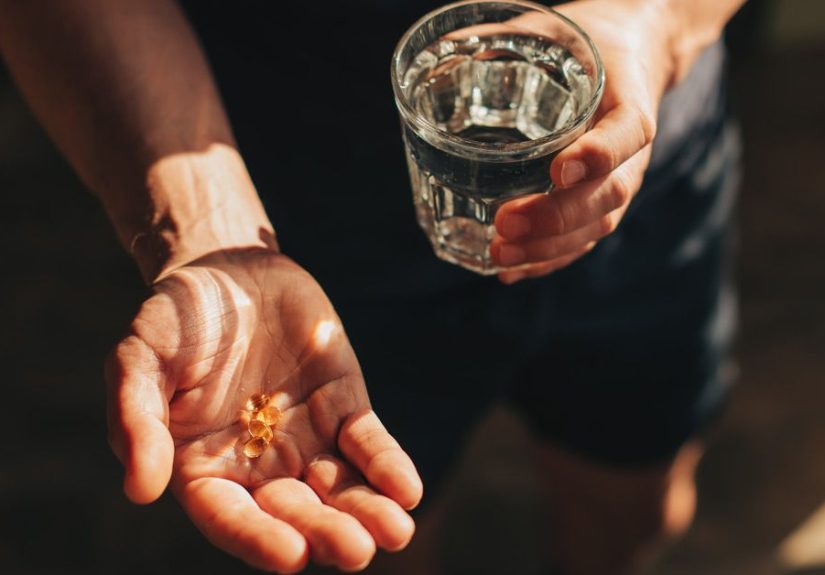
- a supplement only when appropriateand ideally discussed with a clinician, especially if you take other medications.
Safety First: When “Just a Vitamin” Isn’t So Simple
Vitamin E in food is generally considered safe for most people. The bigger caution sign appears with high-dose supplements, because vitamin E is fat-soluble (your body stores it), and large doses can interact with important processesespecially blood clotting.
Potential risks of high-dose vitamin E supplements
- Bleeding risk, particularly if you take anticoagulants/“blood thinners” or have clotting issues.
- Drug interactions (including potential interactions with certain cholesterol medicines and cancer therapies).
- Not all supplements are equal: quality, purity, and labeling accuracy can vary, and supplements are not approved like prescription drugs before hitting store shelves.
If you’re pregnant, preparing for surgery, taking anticoagulants, managing cardiovascular disease, or undergoing cancer treatment, don’t freestyle vitamin E supplements. Your safest move is to ask a clinician who can weigh your full situation.
If You Want to Try Vitamin E Anyway, Here’s the Smart Way
Step 1: Start with food (the low-drama option)
Food sources give you vitamin E in contextalong with fiber, healthy fats, and other nutrients that support overall inflammation control. Consider:
- sunflower seeds
- almonds and hazelnuts
- peanut butter
- avocado
- spinach and other leafy greens
- vegetable oils (used reasonably)
Step 2: If using topical vitamin E, choose “boring” products
Psoriasis-friendly skincare often wins by being delightfully unexciting:
- fragrance-free
- minimal ingredients
- thick moisturizers/ointments that seal in hydration
- patch test first (especially if your skin is reactive)
Step 3: If considering supplements, set boundaries
- Don’t chase mega-doses unless directed by a clinician.
- Check your meds for interactions, especially anticoagulants.
- Pick quality: look for reputable manufacturers and third-party testing when possible.
- Track results like a scientist: photos, itch scale, flare frequency, and what else changed (stress, sleep, alcohol, weather).
Conclusion: So… Is Vitamin E Effective for Psoriasis?
Vitamin E is a useful nutrient with skin-supporting roles, and it may contribute to a healthier antioxidant balanceespecially through a well-rounded diet. But as a psoriasis treatment, the evidence is not strong enough to call it reliably effective, and it’s not a substitute for proven therapies.
If vitamin E helps you, it’s most likely by supporting comfort (dryness, barrier care) or complementing broader lifestyle and treatment changesnot by single-handedly shutting down psoriasis inflammation. And if you’re considering high-dose supplements, treat them like real medicine: check interactions, talk to a clinician, and prioritize safety.
Real-World Experiences (500+ Words): What People Often Notice When Trying Vitamin E for Psoriasis
When people experiment with vitamin E for psoriasis, the experiences tend to fall into a few familiar storylinesnone of which involve angels singing from a bottle of softgels. These patterns show up repeatedly in patient communities and everyday dermatology conversations, so think of them as “common lanes” rather than guarantees.
Experience #1: “Topical vitamin E feels nice… but my plaques are still here.”
A lot of people try vitamin E oil or a vitamin-E-heavy cream because it sounds logical: psoriasis looks dry, vitamin E is “for skin,” so the math seems obvious. What they often report is that the skin around plaques feels less tight, flaking can look less dramatic, and the surface may appear smoother for a whileespecially if the product is also acting as an occlusive moisturizer. But the thickest plaques rarely shrink in a lasting way from vitamin E alone. This is usually the moment people realize psoriasis isn’t just a moisture problem; it’s an inflammation problem wearing a dryness costume.
Experience #2: “Supplements didn’t change much… until I changed other things too.”
Another common thread: someone takes vitamin E capsules for weeks, sees minimal change, and assumes it “doesn’t work.” Then they later adjust a bigger leversuch as consistent prescription treatment, weight management, reducing alcohol, improving sleep, or finding a stress routine that actually sticksand their skin improves. It’s easy to credit the vitamin because it was part of the timeline, but psoriasis is notorious for being influenced by multiple factors at once. In real life, vitamin E tends to be a background character. If something dramatic happens, it’s more often due to core therapy adherence or a major trigger shift.
Experience #3: “I tried vitamin E and got irritated.”
This surprises people because vitamin E is marketed as gentle. But irritation isn’t always from vitamin E itselfit’s often from the vehicle: fragrances, essential oils, preservatives, or overly “natural” blends that are fine on normal skin but annoying on inflamed skin. People with psoriasis also have a disrupted barrier, which can make them more reactive. The lesson many learn: for psoriasis, the best skincare is frequently the blandest skincare. If you love the idea of vitamin E topicals, choosing a fragrance-free, minimal-ingredient product can make a big difference.
Experience #4: “My doctor told me to stop because of medication interactions.”
This one comes up with people who take anticoagulants or have upcoming procedures. They start supplements casually, then a clinician flags potential bleeding risk or drug interactions. That can feel frustratinglike the universe is personally attacking your supplement routine. But it’s also a reminder that vitamins can have real biological effects. Many people end up switching to food sources of vitamin E (nuts, seeds, greens) because it feels safer and still supports overall nutrition.
Experience #5: “Tracking helped me see what’s real.”
The most helpful pattern is when someone treats the experiment like a mini study: weekly photos in the same lighting, notes on itch, sleep, stress, and treatment consistency. Some people discover that vitamin E wasn’t the driver at all (hello, winter air + missed moisturizer days). Others notice small improvements in dryness and comfort that make it easier to stick with their main treatment plan. And that’s an underrated win: anything that improves comfort can indirectly improve outcomes by keeping you consistent.
Bottom line from these shared experiences: vitamin E can be a reasonable “supportive” toolespecially through diet and gentle skincarebut psoriasis usually responds best when you focus on evidence-based treatment, trigger management, and consistency. If vitamin E is part of your plan, make it the sidekick, not the main character.






 Close
Close