
Table of Contents >> Show >> Hide
- What Is Kava Kava, Exactly?
- Potential Benefits of Kava Kava
- How Kava Might Work in the Body (In Plain English)
- Side Effects and Safety Risks
- Dosage: What “Typical” Looks Like in Research (Adults Only)
- Choosing a Safer Kava Product (If You’re Going to Consider It)
- Smart Questions to Ask a Healthcare Professional
- Frequently Asked Questions
- Real-World Experiences With Kava (Adults): What People Commonly Report
- Conclusion
Kava kava sounds like a typo you’d text a friend at 2 a.m. (“kava kava???”), but it’s actually a real plant with a real reputation:
the “chill root” from the South Pacific that’s been used for centuries in traditional ceremonies and social gatherings.
In the U.S., it shows up as capsules, tinctures, teas, powders, and even on menus at kava barsusually marketed as a calmer alternative to a glass of wine.
But here’s the catch: “natural” doesn’t mean “risk-free,” and kava’s safety story is complicated. [1][2]
This guide breaks down what kava is, what it may help with, what the research actually says (not what a label wishes it said),
the side effects you should know about, and how dosage is typically described in studies. Along the way, we’ll keep it practical, evidence-based,
and a little bit funnybecause if your goal is less stress, reading shouldn’t feel like a tax form.
What Is Kava Kava, Exactly?
Kava (often called “kava kava”) comes from Piper methysticum, a plant in the pepper family.
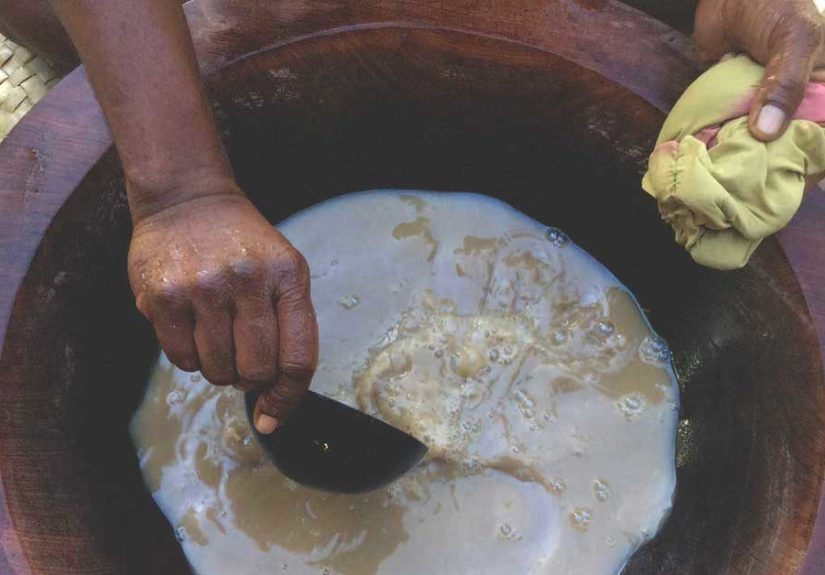
Traditionally, people prepare a drink from the root (not the leaves or stems) for a relaxing, social calm.
The experience is often described as “soothing” rather than “intoxicating,” though it can still affect coordination and alertness. [1]
What Makes Kava Work?
Kava’s main active compounds are called kavalactones (sometimes labeled “kavapyrones”).
Different kava varieties and preparations can contain different kavalactone profiles, which is one reason kava products can feel inconsistent
from brand to brandor even bottle to bottle. [2][3]
Kava in the U.S.: Supplement, Beverage, or Both
In the U.S., kava is sold as a dietary supplement and as a beverage ingredient.
Supplements might list kavalactones per serving (for example, “70 mg kavalactones”), while traditional-style drinks may not.
That “mystery math” matters, because safety concernsespecially around the liverhave been tied to product type, extraction method,
and individual risk factors. [1][2]
Potential Benefits of Kava Kava
Kava is most commonly used for relaxation and anxiety support. Research has explored it for stress, sleep, and mood-related symptoms,
but the strongest evidence (still not perfect) is in anxietyparticularly short-term use. [1][10]
1) Anxiety Relief (Where the Evidence Is Most Promising)
Several clinical trials and reviews suggest kava extracts may reduce anxiety symptoms compared with placebo, especially for short-term use.
Some systematic reviews have found modest improvements, though study quality varies and results are not uniformly positive across all trials. [4][10]
Practical takeaway: kava may help some people feel less “wired,” but it’s not a substitute for evidence-based care like therapy,
lifestyle changes, or prescribed medication when needed. It’s more like an extra tool some adults discuss with a clinicianone that comes with
important cautions. [1][11]
2) Sleep Support (Often Indirect)
People often report better sleep after kava because it can reduce tension and promote calm.
However, sleep outcomes are less consistently studied than anxiety outcomes, and sedation can also be a side effect rather than a “benefit.”
In other words: it may help you unwind, but it can also make you drowsy at the wrong time. [1][8]
3) Menopause Symptoms, Mood, and Other Uses (Evidence Is Limited)
Some sources mention kava for menopausal symptoms, mild mood concerns, or general stress.
The evidence here is thinner and should be treated as “possible but not proven.”
If a product claims kava “supports everything from hormones to happiness to your aura,” your skepticism is not only allowedit’s recommended. [8][11]
How Kava Might Work in the Body (In Plain English)
Researchers think kavalactones influence brain signaling involved in calm and muscle relaxation.
Kava appears to affect multiple pathways (including systems related to GABA and other neurotransmitters), which may explain why it can feel relaxing
without the exact “signature” of alcohol or certain sedatives. But “multiple pathways” also means “multiple chances to interact with medications.” [6][5]
Side Effects and Safety Risks
Let’s be direct: the biggest reason kava needs a safety section longer than a movie credits roll is liver risk.
While serious liver injury appears rare, cases have been reported, and U.S. health authorities have issued warnings. [1][2][7][3]
Common Side Effects
- Drowsiness or feeling “slowed down” (sometimes lingering into the next day) [8][12]
- Dizziness or lightheadedness [12]
- Upset stomach, nausea, or digestive discomfort [8][12]
- Headache [8]
- Skin changes with heavy or long-term use (dry, scaly rash sometimes called “kava dermopathy”) [9][8]
The Big One: Liver Injury Concerns
U.S. agencies have warned that kava-containing products have been associated with severe liver injury, including hepatitis, cirrhosis,
and liver failure in reported cases. The FDA issued a consumer advisory in 2002, and later scientific reviews discuss the ongoing concerns and uncertainties. [2][7][3]
Important nuance: researchers debate why these cases happened and which products are most risky.
Some early reports involved non-water extraction methods (like alcohol or acetone extracts), but serious cases have also been linked to other preparations.
Risk may be influenced by product quality, plant parts used, dose, duration, genetics, alcohol use, and medication interactions. [1][2][3]
If you ever have symptoms that could signal liver troublesuch as unusual fatigue, dark urine, pale stools, or yellowing of the skin or eyesseek medical care promptly.
And if you have existing liver disease, kava is generally a “hard no” unless a qualified clinician specifically advises otherwise. [3][11]
Interactions: Where Kava Gets Sneaky
Kava can interact with substances that make you sleepy or affect the liver. That includes alcohol and many medications (for example, sedatives and some psychiatric medications).
Kava may also influence drug metabolism pathways, which can change how your body handles certain prescriptions. [6][13]
- Avoid mixing kava with alcohol or other sedating substances. [8][13]
- Use extra caution if you take medications processed by the liver or that affect alertness. [6][13]
- Before surgery, tell your care team about any supplement usekava included. [1]
Driving, Work, and “I’m Totally Fine” Moments
Even if you feel calm, kava can slow reaction time or affect coordination in some people.
If you’re trying kava (or any sedating supplement), do not drive, operate machinery, or do anything that requires sharp reflexes until you know how you respond. [8]
Who Should Avoid Kava
Kava is not a good idea for everyone. Many medical sources recommend avoiding kava if you are:
- Under 18 (safety data is limited; it’s not recommended for children and teens) [1][8]
- Pregnant or breastfeeding (insufficient safety evidence) [1]
- Living with liver disease or a history of liver problems [2][11]
- Taking sedatives or medications that affect the brain, alertness, or the liver (talk to a clinician first) [6][13]
- Managing Parkinson’s disease or tremor (some reports suggest kava could worsen tremor-like symptoms) [8]
Dosage: What “Typical” Looks Like in Research (Adults Only)
There is no single universally “standard” kava dose because products vary widely, and regulators don’t set a one-size-fits-all dosing rule for supplements.
Instead, studies often report dose in milligrams of kavalactones per day. That’s the number that matters most for comparing research to a label. [1][10]
Commonly Studied Adult Ranges
- Many clinical studies have used kava extracts providing roughly about 105–240 mg of kavalactones per day over several weeks. [4]
- Some reviews describe short-term therapeutic use in the range of about 120–280 mg kavalactones per day for 4–8 weeks. [10]
-
Some research discussions note higher limits (for example, keeping total kavalactones under around 400 mg/day), but “more” is not automatically “better,”
and higher exposure may increase risk. [14]
Key safety note: The numbers above describe what was used in research settings for adultsnot what is automatically safe for everyone.
If you’re considering kava, especially if you have any medical conditions or take any medications, it’s smart to talk with a healthcare professional first. [1][11]
How to Read a Kava Label Without Needing a Calculator
Labels may list:
- Extract ratio (like 10:1), which doesn’t automatically tell you kavalactone content
- Percent kavalactones (for example, “30% kavalactones”)
- Mg kavalactones per serving (the most useful number for matching study ranges)
If a label doesn’t clearly state kavalactones, dosage comparisons become guesswork. And guesswork is not the vibe you want for something with a liver warning.
How Long Is “Short-Term” Use?
Many studies examining anxiety outcomes looked at kava over several weeksoften in the neighborhood of 4 to 8 weeks.
Long-term daily use is not well established for safety, and heavy use has been associated with skin changes and other concerns. [10][9]
Choosing a Safer Kava Product (If You’re Going to Consider It)
Dietary supplements in the U.S. aren’t reviewed like prescription drugs before they hit the shelves.
That means product quality can varysometimes a lot. If kava is on your radar, these quality factors matter. [2][1]
1) Root-Only Matters
Traditional preparation uses the root. Some safety discussions emphasize choosing products made from root only rather than leaves or stems,
because different plant parts can contain different compounds. [1][3]
2) Extraction Method and Transparency
Some early liver injury reports involved products extracted with non-water solvents (like alcohol or acetone), though the full picture is complex.
Transparency in manufacturing and testing is a plus, regardless of extraction method. [1][3]
3) Look for Independent Testing
Third-party testing (for identity, purity, and contaminants) can help reduce the risk of adulteration or mislabeling.
This is not a guarantee of safetybut it’s better than relying on vibes and a leafy logo.
Smart Questions to Ask a Healthcare Professional
- “Given my medications and health history, is kava a bad idea?” [6]
- “What signs of side effects should I watch forespecially related to liver health?” [3][11]
- “Are there safer alternatives for anxiety or sleep I should try first?” [11]
- “If I’m using it short-term, what would ‘short-term’ mean for me?” [10]
Frequently Asked Questions
Is kava legal in the United States?
Kava is generally available in the U.S. as a supplement and as a beverage ingredient, but federal agencies have issued safety warnings about potential liver injury. [2][1]
Does kava cause dependence?
Kava is not typically described as causing the same type of dependence as alcohol or some sedatives, but “not typical” doesn’t mean “impossible to misuse.”
Heavy, frequent use has been linked with unwanted effects (like skin changes and impairment), and using kava to self-medicate severe anxiety can delay more effective care. [9][11]
Can teens use kava?
Kava is not recommended for children and teens because safety data is limited and the risks (including liver concerns and sedation) are not worth experimenting with.
If a teen is dealing with anxiety, sleep trouble, or stress, the safer move is to involve a parent/guardian and a qualified healthcare professional. [1][11]
Real-World Experiences With Kava (Adults): What People Commonly Report
The stories below are not medical advice and don’t replace researchthey’re examples of the kinds of experiences adults often describe when discussing kava.
Individual responses vary a lot based on product type, kavalactone content, body size, sensitivity to sedating compounds, and whether kava is combined with other substances
(which is strongly discouraged, especially with alcohol). [8][13]
Experience #1: “My brain finally stopped speed-running worst-case scenarios.”
A 32-year-old remote worker describes trying kava during a high-stress month of deadlines. The most noticeable change wasn’t euphoriait was a quieter mental background,
like the volume on anxious thoughts got turned down a few clicks. They reported feeling calmer within an hour, and they liked that they still felt “themselves.”
The downside? A heavy, sleepy feeling if they took it too late in the day, and a “don’t ask me to do math” vibe that made them avoid driving or important calls afterward.
This lines up with common reports of drowsiness and slowed reaction time. [8]
Experience #2: “It helped me unwind, but it didn’t fix my sleep.”
A 45-year-old nurse with rotating shifts tried kava hoping it would knock out insomnia. They found it helped them relax after workshoulders unclenched, jaw loosenedbut
sleep results were mixed. Sometimes they fell asleep faster; other times they felt groggy without truly sleeping better. They eventually treated it as a “wind-down tool”
rather than a sleep cure. That distinction matters because sedation can feel helpful in the moment, but it’s not the same as solving the underlying causes of sleep disruption. [1]
Experience #3: “My stomach complained before my stress did.”
A 28-year-old grad student (adult) tried a powdered kava drink at a social gathering. They reported a mild calm and a slightly numb sensation in the mouth
(something people sometimes mention with traditional preparations), but they also got an upset stomach and decided it wasn’t worth repeating.
Digestive side effects like nausea or indigestion are commonly listed, and they can be enough to make kava a non-starter for some people. [12]
Experience #4: “It worked… until I used it like a habit.”
A 39-year-old with chronic stress started using kava most evenings “to take the edge off.”
Over time, they noticed they were using it less like an occasional support and more like a nightly default.
They also developed dry, flaky skin that improved after they stopped. Heavy, long-term use has been associated with skin changes sometimes called kava dermopathy.
Their big takeaway: if a supplement becomes the only way you can relax, it’s a sign to look at bigger supportssleep routines, therapy, stress management skills,
and medical evaluationrather than escalating a substance with known risks. [9]
Experience #5: “I loved the calm, but my doctor said ‘nope.’”
A 52-year-old considering kava for anxiety mentioned it to their clinician and learned that, due to a history of liver issues and a medication regimen processed by the liver,
kava wasn’t a safe option. They pivoted to safer, better-studied approaches. This is the unglamorous but important part of kava: the people who do best are often the ones
who treat it like a medical decisionnot a trending drink. [2][3][6]
Conclusion
Kava kava sits in a strange middle ground: it has real traditional roots, intriguing (though mixed) researchespecially for short-term anxiety reliefand a very real safety conversation,
particularly around liver injury and interactions. If you’re an adult considering kava, the safest approach is cautious and informed:
know your risk factors, avoid combining it with alcohol or sedatives, pay attention to product quality, and involve a healthcare professional when appropriate. [1][2][11]
And if you’re under 18? Skip the experiment. There are safer, proven ways to manage stress and anxiety with support from trusted adults and clinicians. [11]
Footnote numbers used in this article correspond to the reference list provided outside the HTML.






 Close
Close