
Table of Contents >> Show >> Hide
- What Is Lily of the Valley, Really?
- Traditional Meanings of Lily of the Valley
- Spiritual and Religious Symbolism
- Cultural Stories and Folklore Around the World
- Modern Uses: Weddings, Perfume, and Everyday Symbolism
- The Shadow Side: Toxicity and Safety
- How to Work with Lily of the Valley Symbolism
- Experiences and Reflections on Lily of the Valley
If flowers had personality types, lily of the valley would be the quiet introvert who somehow steals the scene just by walking into the room. Those tiny bell-shaped blooms look delicate, smell amazing, and carry a surprising amount of history, symbolism, and spiritual meaning on their tiny stems.
Whether you’re here because it’s your birth flower, you fell in love with a bridal bouquet on Instagram, or you just met this plant in a shady corner of your yard, understanding the deeper meaning of lily of the valley can add a whole new layer to how you see it. From purity and humility to spiritual rebirth and a “return to happiness,” this little woodland flower has a lot to sayvery softly, of course.
Let’s dig into what lily of the valley really symbolizes, how different cultures and spiritual traditions use it, and how you can thoughtfully incorporate it into your life, décor, and rituals (with a big safety note, because spoiler: it’s also seriously poisonous).
What Is Lily of the Valley, Really?
Lily of the valley (Convallaria majalis) is a perennial woodland plant with arching stems lined with dangling white bells that bloom in late spring. Despite the name, it’s not a true lily at allit actually belongs to the asparagus family. The botanical name roughly translates to “lily of the valleys in May,” which already hints at its seasonal symbolism of spring, freshness, and renewal.
Native to Europe and parts of Asia, lily of the valley has naturalized in North America and thrives in cool, shaded areas where it can happily spread into dense, fragrant carpets. It’s also one of the official May birth flowers, often paired with hawthorn as a symbol of sweetness, joy, protection, and new beginnings.
You might also hear it called May bells, Our Lady’s tears, or Mary’s tearsnames that already hint at its deep spiritual and religious associations.
Traditional Meanings of Lily of the Valley
In the language of flowers (floriography), lily of the valley has been sending coded messages for centuries. Here are some of the core meanings most traditions agree on.
Purity, Humility, and Innocence
The snow-white bells and low-growing habit of lily of the valley have long linked it with purity and humility. It doesn’t tower dramatically or demand attention, yet its fragrance stops people in their tracks. Victorian floriography often used it to symbolize modesty, innocence, and a gentle, sincere heart.
Because of these associations, lily of the valley frequently appears in bridal bouquets, baptism florals, and religious décor. It’s especially common in designs meant to feel pure, simple, and quietly elegant instead of bold or showy.
“Return to Happiness” and Joyful New Beginnings
If lily of the valley had a tagline, it would be “return of happiness.” In many flower dictionaries and cultural references, that’s its defining phrase.
This makes sense when you think about how it behaves in nature. It’s one of the first strongly scented flowers to appear after a long winter, signaling that warmth, light, and life really are coming back. Because of that, it’s often associated with:
- Fresh starts after hard times
- Emotional healing and renewed hope
- Reconciliation in relationships
- New seasons in lifemoves, career shifts, or personal reinventions
Motherhood, Love, and Sweetness
In modern symbolism, lily of the valley is also linked with motherhood, sweetness, and tender love. Its tiny bells are sometimes seen as representing a mother’s quiet, steady care or the soft, nurturing side of love rather than drama and fireworks.
It frequently appears in Mother’s Day bouquets, wedding flowers, and anniversary arrangements as a symbol of faithful affection and joy that deepens over time.
Spiritual and Religious Symbolism
Christian Symbolism: Mary’s Tears and Divine Love
In Christian tradition, lily of the valley is strongly associated with the Virgin Mary. One widespread legend says the flowers sprang from her tears at the foot of the cross, which is why one of its folk names is “Our Lady’s Tears” or “Mary’s Tears.”
It’s also connected with a verse from the Song of Songs“the lily of the valleys”and has come to symbolize being sheltered under divine love, cared for even in low or hidden places. Spiritually, people often interpret lily of the valley as a reminder that:
- God’s presence is found in small, quiet things
- Humility and purity are powerful spiritual virtues
- Grief and tears can give way to rebirth and joy
Many Christian writers and devotional traditions use lily of the valley as a metaphor for holiness that doesn’t need to be loud to be realand for the way grace can show up right after heartbreak.
Protection, Good Luck, and Energetic Cleansing
Outside formal religion, folk traditions in parts of Europe and Scandinavia treat lily of the valley as a protective plant. It has been carried as a charm against misfortune and used to “clear” spaces of heavy energy, especially at the turning of the seasons.
In spiritual and metaphysical circles today, people sometimes associate it with:
- Clearing stagnant or sorrowful energy
- Inviting joy, hope, and emotional lightness
- Supporting heart-healing meditations or rituals
Its scentfresh, green, and almost sparklingoften makes it a favorite note in candles, oils, and perfumes used for “new beginning” rituals or springtime altars.
Cultural Stories and Folklore Around the World
French May Day & “Lucky” Blooms
In France, lily of the valley is practically a celebrity. On May 1 (La Fête du Muguet), people give small bunches of it as a token of luck, happiness, and affection. The tradition dates back centuries and even had royal vibesKing Charles IX reportedly received lily of the valley as a charm and then began gifting it every May Day.
To this day, streets and markets fill with simple bundles of the flower, and receiving one is considered a sweet, hopeful gesture.
National Flower & Symbol of Identity
Lily of the valley holds official status as the national flower of Finland and formerly Yugoslavia. In these contexts, it represents purity of nature, quiet strength, unity, and resiliencevalues each nation has wanted to express through its landscapes and symbols.
Victorian Floriography & Love Messages
During the Victorian era’s obsession with the “language of flowers,” lily of the valley became a code for “a return to happiness” and deep, devoted love. Small nosegays or posies of lily of the valley could signal a desire to reconcile, to celebrate a fresh chapter in a relationship, or to quietly say, “You brought joy back into my life.”
Think of it as the 19th-century version of sending a “we’re okay now” textmuch prettier, and it smelled better.
Modern Uses: Weddings, Perfume, and Everyday Symbolism
Weddings and Romantic Events
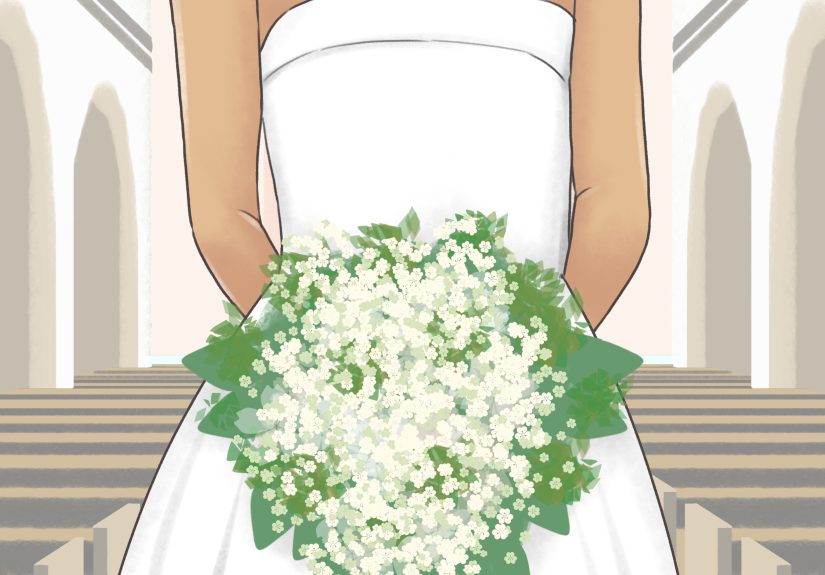
Because of its associations with innocence, joy, and enduring love, lily of the valley is a favorite in wedding flowers. It has appeared in iconic bridal bouquets, including those of Grace Kelly and Catherine, Princess of Wales, cementing its status as a “royal” wedding bloom.
Couples often choose it to represent:
- A fresh beginning together
- Good luck in love and marriage
- Quiet, faithful devotion rather than flashy romance
Fragrance, Décor, and Lifestyle Symbolism
Lily of the valley’s scent is famously hard to capture naturally, so perfumers recreate it synthetically and use it to add freshness, sparkle, and a “spring rain” feeling to fragrances. Classic scents like Diorissimo showcase lily of the valley as a symbol of timeless femininity and graceful elegance.
In home décor and lifestyle branding, lily of the valley imagery is often used where brands want to evoke:
- Clean, airy, minimalist aesthetics
- Renewal, refresh, or “spring cleaning for your life” themes
- Gentle luxuryhigh-end but understated
Even without a live plant, prints, illustrations, or scented candles featuring lily of the valley can carry those meanings into your space.
The Shadow Side: Toxicity and Safety
Now for the important reality check: as symbolic as lily of the valley is, it’s also highly toxic. All parts of the plantleaves, flowers, stems, and especially the red berriescontain powerful cardiac glycosides. If eaten, they can affect the heart and cause symptoms like nausea, vomiting, irregular heartbeat, and in severe cases, cardiac arrest.
This toxicity applies to pets, children, and adults. Even the water from a vase holding cut lily of the valley can contain these compounds.
Practically speaking:
- Avoid planting it where small children or pets freely roam and nibble.
- Never ingest any part of the plant or use it internally without medical supervision (and realistically, just… don’t).
- Wear gloves if you’re sensitive or handling large amounts, and wash your hands afterward.
Spiritually, some people see this dual naturebeautiful, fragrant, but dangerousas another layer of meaning: joy and rebirth are powerful, but they’re not trivial. They ask to be handled with respect.
How to Work with Lily of the Valley Symbolism
You don’t have to grow the plant to connect with what it represents. Here are a few ways to weave lily of the valley meaning into your life:
1. Symbolic Gifts
Give a bouquet (or even just an illustrated card) featuring lily of the valley to someone who’s:
- Coming out of a difficult season and rebuilding their life
- Celebrating a May birthday
- Starting a new job, home, or relationship
- Marking motherhood milestonespregnancy, adoption, or a child’s baptism
Include a handwritten note explaining that the flower symbolizes a return to happiness, gentle love, and fresh starts. Most people are touched to learn there’s deeper meaning behind the pretty bells.
2. Spiritual or Reflective Practices
You might incorporate lily of the valley symbolism into journaling or meditation. For example:
- Journal about a time in your life when “spring” finally arrived after a long “winter.” What was your personal return to happiness?
- Use an image of lily of the valley on your altar or desk as a reminder of humility, quiet faith, or divine protection.
- Light a lily-of-the-valley-scented candle during rituals focused on healing, forgiveness, or starting over.
3. Tattoos and Personal Emblems
A small cluster of lily of the valley bells makes a popular tattoo for people who want to mark:
- Surviving a hard chapter and reclaiming joy
- A loved one born in May
- Faith that carried them through grief
- A commitment to living gently but strongly
The design is subtle enough to stay personal, but rich in symbolism for anyone who knows the language of flowers.
4. Home & Garden Design
If you grow lily of the valley outdoors (safely away from curious pets and kids), you can use it as a living reminder of renewal. Plant it along pathways or in shady corners that come alive in May as a yearly “ritual” of happiness returning.
Indoors, you can use art prints, embroidery, or décor pieces featuring the flower to help reinforce themes of calm, joy, and a fresh start. Think of it as visual aromatherapywith less risk than the real plant.
Experiences and Reflections on Lily of the Valley
On paper, lily of the valley is a list of symbols: purity, humility, a return to happiness, all that good stuff. But where it really comes alive is in people’s storieshow it quietly shows up at turning points in their lives.
Ask around, and you’ll often hear about someone’s grandmother who had lily of the valley along the side of her house. The flowers came and went quickly each spring, but the scent was unforgettable. For many people, that fragrance is tied to childhood memories of visiting family, running in the yard, and noticing that the grown-ups seemed slightly softer and more relaxed when the bells were out. It becomes, almost by accident, a scent of safety and home.
In wedding stories, lily of the valley tends to show up in moments of nervous excitement. Brides talk about clutching those delicate stems while waiting to walk down the aisle, breathing in the scent as a way to steady themselves. The bouquet becomes a tiny anchor: a reminder that even though life is about to change in huge ways, there’s still room for sweetness and innocence in the middle of all that intensity.
People also describe deeper, more spiritual encounters. Someone going through grief might notice a patch of lily of the valley blooming near a cemetery, place of worship, or favorite walking route. The sight of fragile bells thriving in the cool shade can feel oddly comforting, like a quiet message that joy hasn’t disappeared foreverit’s just resting, and it will return. That experience often lines up with the flower’s Christian symbolism as Mary’s tears becoming blossoms of hope.
For others, the connection is more seasonal and embodied than emotional. Maybe every May, they open the windows, declutter the house, and light a lily-of-the-valley candle or diffuser as a personal “reset button.” The scent becomes part of a ritual: cleaning out closets, washing curtains, rearranging furniture, and making spacephysically and mentallyfor something new. Over time, the fragrance itself starts to mean “I’m turning a corner.”
Gardeners sometimes have a love–respect relationship with this plant. On one hand, it spreads easily and can quietly take over a shady bed if left unchecked. On the other, seeing it come back year after year, even in neglected corners, can feel like a private reminder that life is stubbornly resilient. It doesn’t shout that lesson; it just quietly reappearssoft, fragrant, and absolutely determined.
There are also cautionary stories, especially from people with kids and pets. Many people recall learning, often from a stern parent or a gardening neighbor, that lily of the valley is “look, don’t taste.” That early lesson about beauty and danger coexisting in the same thing can stick with you. Later in life, it becomes a metaphor: some of the most beautiful experienceslove, big changes, deep emotionsalso come with risk and responsibility. You enjoy them, but you handle them with care.
All of these experiencespersonal memories, spiritual moments, seasonal ritualsadd nuance to the flower’s symbolism. Lily of the valley isn’t just a cute white bloom with a pretty scent. It’s a living reminder that happiness can return after grief, that the quiet moments matter, and that rebirth doesn’t have to be dramatic to be real. Often, it looks like tiny bells in the shade, ringing in a new chapter so softly you almost miss itunless you stop, breathe in, and pay attention.






 Close
Close