
Table of Contents >> Show >> Hide
- 1) Comfort You Can Feel (a.k.a. The Barefoot Test)
- 2) A Quieter Home (Without Telling Everyone to Whisper)
- 3) Safety: Softer Landings and Better Grip
- 4) Indoor Air Quality: What Carpet Does (and What It Doesn’t)
- 5) Modern Carpet Is Not Just “Beige Plush”
- 6) Cost and Value: Carpet Can Be a Budget-Friendly Upgrade
- 7) Maintenance Is Manageable (If You Skip the Drama)
- 8) Where Wall-to-Wall Carpeting Works Best
- 9) A Smart Carpet Shopping Checklist
- Real-World Experiences: What Living With Wall-to-Wall Carpet Is Actually Like (Extra Notes)
- Conclusion
Wall-to-wall carpeting has a reputation problem. Somewhere along the timeline of open-concept everything,
ultra-minimalist furniture, and influencer homes that look suspiciously like museums, carpet got labeled as
“dated,” “dusty,” orworst of all“that one apartment from college.”
But here’s the plot twist: modern wall-to-wall carpet isn’t your grandma’s shag (unless your grandma is extremely
stylish and has strong opinions about acoustics). Today’s carpet is designed with better fibers, improved stain
resistance, and low-emission options. And in the right rooms, it can make your home more comfortable, quieter,
safer, and honestly… more livable.
If you’ve been defaulting to hard flooring because “that’s what people do now,” this is your friendly reminder
that your house is not a showroom. It’s a place where people walk, spill, work, nap, and occasionally drop a phone
on their face while scrolling. Carpet deserves a second look.
1) Comfort You Can Feel (a.k.a. The Barefoot Test)
The most obvious benefit of wall-to-wall carpeting is the one your feet will report immediately: softness.
Carpet adds a cushiony layer between you and the subfloor, which is especially welcome first thing in the morning,
late at night, and anytime you step out of bed like a confused raccoon searching for coffee.
Warmth matters more than you think
Carpet can help a room feel warmer underfoot than hard surfaces, particularly in bedrooms, upstairs rooms, or
homes with less insulation below the floor. Even if your thermostat stays the same, your comfort level can change
because the floor no longer feels like it’s actively trying to chill your soul.
Standing and pacing are easier on your body
If you spend time standing (folding laundry, rocking a baby, working at a standing desk, or giving a dramatic
speech in the mirror), carpet and proper padding can reduce the “hard floor fatigue” that creeps into your feet
and legs. The flooring surface and cushion layer affect how impact and pressure are absorbed while walking or
standing.
2) A Quieter Home (Without Telling Everyone to Whisper)
Hard floors are gorgeousuntil your house starts sounding like a drumline rehearsal. Carpet is naturally good at
absorbing sound, reducing echo, and softening the clatter of daily life: footsteps, moving chairs, dropped toys,
and the mysterious 2:00 a.m. “thunk” no one can explain.
Carpet is a secret weapon for modern open layouts
In open-plan living spaces, sound bounces. In homes with high ceilings, it bounces harder. Carpet helps tame that
“empty loft” acoustics effect and makes conversations feel less sharp and more relaxed.
It can reduce impact noise between floors
If you live in a multi-story homeor an apartment where your downstairs neighbor has a personal relationship with
your footstepscarpet and cushion can reduce impact sound transmission. Translation: fewer complaints, fewer tense
hallway encounters, more peace.
3) Safety: Softer Landings and Better Grip
Carpet isn’t just cozyit can be practical in households where people (or pets) move fast, get distracted, or
occasionally forget gravity exists.
Falls happen. Flooring can change what happens next.
Compared with rigid surfaces, softer flooring can reduce impact forces during falls. That matters for kids who
tumble, adults who slip in socks, and older family members who may be more vulnerable to fall injuries. Carpet is
not a force field, but it can provide more give than hard flooring.
Stairs love carpet
Stairs are one of the best places for wall-to-wall carpeting because traction and cushioning both matter. Carpeted
stairs can feel less slippery than smooth wood or laminate, and they tend to be quieter toono more “clomp clomp”
soundtrack every time someone goes upstairs.
4) Indoor Air Quality: What Carpet Does (and What It Doesn’t)
Let’s address the big question: does carpet automatically equal “bad air”?
The honest answer is: it depends on moisture control, cleaning habits, and the product you choose.
Carpet can hold particles until you remove them
One reason carpet is still used widely is that particles and dust settle on floors, and carpet can “hold” those
particles until vacuuming removes them. On hard floors, dust can be more easily stirred up by foot traffic and air
movement, then recirculate. The key is not letting carpet become a long-term storage unit for yesterday’s crumbs.
“New carpet smell” and VOCs: choose low-emission options and ventilate
Like many new interior materials, new carpet and installation materials can contribute to short-term odors or VOC
emissions. The good news: low-emission programs exist, and ventilation helps. In industry guidance, low-level VOC
emissions from new carpet are described as typically dissipating within about 48–72 hours after installation when
accompanied by good ventilation.
If indoor air quality is a priority for your household, look for low-emission certifications (including low-VOC
programs for carpet, cushion, and adhesives), and plan on “airing out” the space after installation:
open windows when possible, run HVAC fans, and keep the room ventilated.
Moisture is the real villain
Carpet is not the right choice for spaces that stay damp or frequently get wet. If carpet remains damp, it can
become a source for microbial growth. That’s why bathrooms are a strong “no,” and why basements need honest
assessment before you carpet them.
The practical rule: if you can’t confidently keep the area dry (or you’ve had recurring leaks), choose another
flooring type there. Use carpet where moisture is controlledand where you’ll actually enjoy the benefits.
5) Modern Carpet Is Not Just “Beige Plush”
If your mental image of wall-to-wall carpeting is a single sad shade of oatmeal, you’re going to be pleasantly
surprised. Today’s carpet comes in a wide range of colors, textures, and patterns designed to hide dirt, resist
stains, and fit different lifestyles.
Fiber choices: nylon, polyester, and wool
- Nylon: A popular pick for durability and resilience in high-traffic areas like hallways and stairs.
- Polyester: Often softer underfoot and frequently chosen for bedrooms and lower-traffic spaces.
- Wool: Premium feel and naturally comfortable, usually at a higher price point.
Style choices: pick based on traffic and maintenance
- Textured / frieze: Great for hiding footprints and vacuum tracks.
- Loop / Berber: Can be durable, especially in casual spaces, but needs care with pet claws.
- Patterned: Helpful for disguising everyday wear and adding personality without loud decor.
The best approach is to match the carpet to the room’s job. A plush, cozy carpet in a bedroom? Perfect.
A more durable, textured option for a family room? Smart.
White carpet in a snack-heavy household with pets and kids? Bold. Possibly too bold.
6) Cost and Value: Carpet Can Be a Budget-Friendly Upgrade
Wall-to-wall carpeting often delivers a strong comfort-per-dollar value, especially compared with premium hardwood
or tile installations. Materials and installation vary widely by region and product, but carpet can be an accessible
way to refresh a home quickly.
What does wall-to-wall carpet cost?
Pricing ranges from inexpensive options to premium specialty materials. Some guides note carpet can run from very
low-cost basics up to higher-end products depending on fiber, pattern, and performance features.
Don’t forget the “supporting cast”: padding and installation
Carpet isn’t just the carpet. Padding affects comfort, insulation, and how the carpet wears over time. Professional
installation also mattersespecially for seams, stairs, and areas with tricky layouts.
If you’re comparing flooring options, consider the full package: material, padding, installation, removal/disposal,
and how the floor will feel day-to-day. A floor you love living on is usually a better “value” than one you admire
from a distance like a museum exhibit.
7) Maintenance Is Manageable (If You Skip the Drama)
Carpet maintenance has a bad reputation because people imagine constant deep cleaning and mysterious stains that
appear overnight like they pay rent.
In reality, the basics are straightforward:
vacuum regularly (especially in high-traffic areas), clean spills quickly, and deep clean periodically. Many
housekeeping and flooring guides recommend routine vacuuming and occasional deep cleaningoften about every
12–18 months for typical homes, more frequently in high-traffic or pet-heavy households.
Three habits that make carpet easier to live with
- Adopt a “shoes-off” culture: it reduces tracked-in grit that wears fibers down.
- Blot spills fast: don’t scrub like you’re trying to erase the moment from history.
- Avoid overwetting: too much water can cause problems in the padding and slow drying.
8) Where Wall-to-Wall Carpeting Works Best
Carpet shines in spaces where comfort, quiet, and warmth matter mostand where moisture is minimal.
Great rooms for wall-to-wall carpet
- Bedrooms: warm, quiet, soft underfootexactly what you want when waking up.
- Nurseries and playrooms: cushion and comfort, with a focus on stain-resistant options.
- Stairs: traction + noise reduction + softer falls.
- Home offices: reduced echo and less click-clack from rolling chairs (choose the right pile + chair mat if needed).
- Basements (only if dry): consider moisture history, humidity control, and choose accordingly.
Rooms where carpet is usually a bad idea
- Bathrooms: frequent moisture makes this a high-risk choice.
- Laundry rooms: leaks happen, and carpet won’t forgive them.
- Kitchens: constant spills, grease, and crumbs are not carpet’s love language.
9) A Smart Carpet Shopping Checklist
If you’re considering wall-to-wall carpeting, use this checklist to pick something you’ll actually enjoy living with:
- Choose the right fiber for your traffic: nylon and durable textures for busy areas; softer options for bedrooms.
- Pick padding intentionally: comfort and longevity depend on it.
- Look for low-emission options: especially if you’re sensitive to odors or prioritizing indoor air quality.
- Think about cleaning reality: textured and patterned carpets tend to hide daily life better.
- Plan ventilation for install week: fresh air and airflow help after installation and deep cleaning.
- Measure carefully and plan for seams: professional measuring and installation can reduce waste and improve results.
- Match the carpet to the room’s job: not every space needs the same type of carpet.
Real-World Experiences: What Living With Wall-to-Wall Carpet Is Actually Like (Extra Notes)
To make this decision feel less theoretical, here are real-life “experience-style” scenarios that capture why people
keep choosing wall-to-wall carpetingespecially after they’ve lived with both hard floors and carpet.
These are the kinds of moments you don’t see in a flooring catalog, but they absolutely show up in daily life.
Experience #1: The bedroom becomes a true “reset zone.”
People who switch to carpet in bedrooms often describe the room feeling instantly calmer. It’s not just softnessit’s
the way carpet reduces the sharp sound of footsteps and creates a quieter atmosphere. One homeowner might notice
they stop waking up the rest of the household when they get up early, simply because the floor no longer broadcasts
every step. Another might realize their bedroom feels warmer without changing the thermostat. The effect is subtle,
but it changes how the room functions: more restful, less “echo-y,” and more comfortable when you’re barefoot.
Experience #2: Kids and carpetfewer “big scares.”
Families often appreciate carpet in playrooms or upstairs hallways because it’s more forgiving. Toys drop.
Kids tumble. Sometimes adults step on the toy and tumble too (it happens). Carpet won’t prevent falls, but the
cushioning can make everyday bumps feel less intense. And because carpet can reduce impact noise, it can also make
a busy household feel slightly less chaoticlike turning down the volume of daily life without muting the fun.
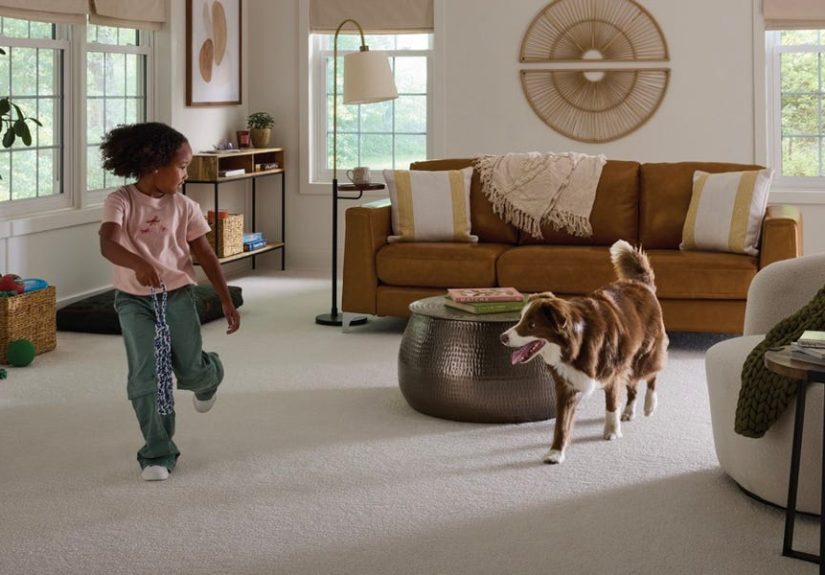
Experience #3: The “dog zoomies” factor.
Pet owners frequently notice that pets get better traction on carpet than on slick hard floors. That can matter for
older pets who slip more easily, and for energetic pets who sprint through the house like they’re training for a
very important squirrel-related competition. Carpet also reduces the click of nails on hard surfaces, which is one
of those small annoyances you don’t realize you’ve been tolerating until it’s gone.
Experience #4: A quieter home office (and fewer awkward meeting moments).
If you work from home, carpet can help control sound reflections in a roomespecially if you’re doing video calls.
People often describe carpeted rooms as sounding “less hollow.” That matters if you’re presenting, recording audio,
or trying to keep your household noise from feeling amplified. It’s not a recording studio, but it can reduce the
harsh echo effect you get with hard flooring, bare walls, and minimal furnishings.
Experience #5: The cleaning routine is simpler than expectedif you get ahead of it.
The difference between “carpet is annoying” and “carpet is fine” is usually routine. Households that vacuum
consistently and handle spills quickly tend to report that carpet stays presentable with less effort than they
expected. Meanwhile, homes that treat carpet like a magical surface that cleans itself often end up frustrated.
The experience lesson is surprisingly boring: if you vacuum regularly, use good doormats, and blot spills fast,
carpet behaves. If you don’t, it gets dramatic.
Experience #6: The “this room finally feels finished” moment.
Carpet can change how a space looks and feels in a way that’s hard to replicate with area rugs alone. In bedrooms,
it can make furniture arrangements feel grounded and cohesive. In a family room, it can soften the visual and
literal edges of a spaceespecially when paired with a texture or pattern that hides normal traffic. Many people
describe this as the room becoming more inviting, more comfortable, and more “hangout-ready.” It’s not about
following trends; it’s about building a home that feels good to live in.
Conclusion
Wall-to-wall carpeting isn’t the right choice for every room, but it’s absolutely the right choice for many homes.
If you want comfort, warmth, quieter spaces, and a floor that’s friendly to kids, stairs, and everyday life, carpet
deserves a real spot in your flooring conversation.
The key is choosing the right carpet for the right room, prioritizing moisture control, and maintaining it with
simple habits. If you do that, carpet stops being “the old option” and starts being the practical, comfortable
choiceespecially in the places where comfort matters most.





 Close
Close