
Table of Contents >> Show >> Hide
- Maruni Mokko in one sentence: Hiroshima craft, engineered for real life
- What is a folding sling chair (and why it feels better than it sounds)?
- The vintage Maruni Mokko folding sling chair: materials, proportions, vibe
- Maruni’s modern folding story: the Hiroshima Folding Chair connection
- How to style Maruni Mokko folding sling chairs
- Buying checklist: how to spot quality (and avoid regret)
- Care and maintenance: keep the charm, protect the structure
- Experiences: what it’s actually like to live with Maruni Mokko folding sling chairs (about )
- Conclusion
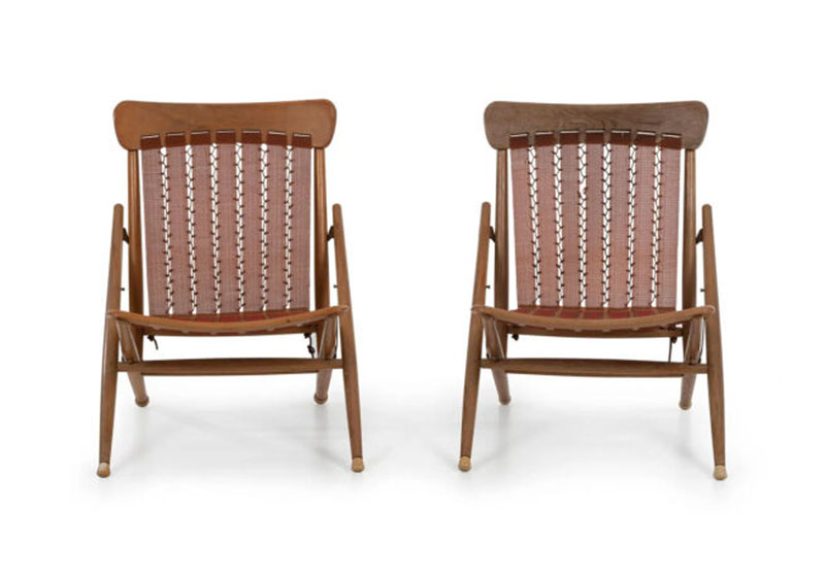
Some furniture is loud. A Maruni Mokko folding sling chair is the opposite: quiet, refined, and so comfortable it can make a “quick sit” turn into a full-blown life reflection. These vintage Japanese folding lounge chairsoften built with a quarter-sawn oak frame and a tensioned sling of nylon mesh or webbingare collectible today because they solve a tricky design problem: how to feel relaxed and substantial while still folding away when you need space.
This article breaks down what makes Maruni Mokko folding sling chairs special, how to spot the real thing, and how to style and care for them. We’ll also connect the dots to Maruni’s modern folding work (especially the Hiroshima folding chair by designer Naoto Fukasawa), because the brand’s DNAcraft-level detailing with industrial precisionshows up across decades.
Maruni Mokko in one sentence: Hiroshima craft, engineered for real life
“Maruni Mokko” is a name you’ll see frequently in vintage listings; it refers to Maruni Wood Industry, a long-running furniture maker based in Hiroshima, Japan. The company traces its origins to 1928 and became known for developing difficult bentwood techniques and for systematizing craftsmanship so it could be produced consistently at scale. In plain English: the brand built a reputation for furniture that looks understated, but is obsessively well made.
In the late 2000s and 2010s, Maruni expanded its contemporary identity through initiatives like the Maruni Collection and a close collaboration with designer Naoto Fukasawawho was appointed the brand’s art director in 2010. That modern chapter matters here because it reinforces the same core idea that made the older sling chairs successful: comfort and detail first, trendiness last.
What is a folding sling chair (and why it feels better than it sounds)?
A folding sling chair combines a collapsible frame with a “sling” seatusually mesh, fabric, webbing, or ropeheld under tension. Instead of sitting on a hard surface, you sit in a flexible support that distributes your weight. Think hammock logic, but with fewer catastrophic exits.
The comfort advantage
Sling seating can reduce pressure points because your weight spreads over a larger area, and the material flexes where your body needs it. The best sling chairs are tensioned tightly enough to support posture while still giving a gentle, relaxed feel. Maruni’s vintage sling chairs are often prized for landing in that sweet spot: supportive, not saggy.
The vintage Maruni Mokko folding sling chair: materials, proportions, vibe
Most “Maruni Mokko folding sling chair” listings point to mid-century examples (commonly labeled 1950s–1960s). While exact dating can vary by seller and model, there’s a consistent formula in the pieces that show up again and again in design marketplaces:
- Frame: quarter-sawn oak is frequently cited, prized for stability and crisp grain.
- Sling: nylon mesh or webbing (often in brown or rust tones), sometimes described alongside rope elements depending on the listing.
- Scale: lounge-y dimensionsmany examples list about 25 inches wide, ~25.5 inches deep, ~30 inches high, with a seat height around 15 inches.
- Format: often sold as a pair, with maker labeling on the underside or frame.
Why quarter-sawn oak makes sense on a folding chair
Folding chairs put stress on joints and hardware. Quarter-sawn oak tends to be dimensionally stable, which helps a folding frame stay aligned over years of opening, closing, and “just one more guest.” It also has a clean grain that looks architectural without needing loud finishes. In a Maruni sling chair, the oak isn’t trying to be flashyit’s trying to be dependable (while still looking like it belongs in a design book).
How the sling changes the whole experience
Compared with a rigid lounge chair, a sling chair reads visually lighter and feels physically more forgiving. The nylon mesh/webbing creates a mild cradle effect that encourages relaxed shoulders and an easy recline. The low seat height gives the chair a grounded, casual posturegreat for reading corners, conversation areas, or anywhere you want “inviting” without “overstuffed.”
Maruni’s modern folding story: the Hiroshima Folding Chair connection
Maruni’s current catalog includes folding chairs that aren’t sling-based, but they’re still relevant because they show the brand’s modern approach to the same design challenge: make something comfortable and beautifully made, without visual bulk. A standout is the Hiroshima folding chair by Naoto Fukasawa. It’s a wood chair designed to fold into a slim profile while keeping refined ergonomicsproof that Maruni treats “folding” as a design feature, not a compromise.
The family resemblance between vintage sling chairs and the Hiroshima folding chair isn’t about identical materials; it’s about priorities:
- Human comfort: curves and proportions that feel natural, not rigid.
- Quiet detailing: joints, edges, and surfaces are finished like they matter (because they do).
- Light visual footprint: the chair looks calm in a room, even when it’s doing a lot structurally.
How to style Maruni Mokko folding sling chairs
These chairs are easiest to live with when you treat them like “real furniture,” not emergency seating. A few practical styling plays:
Make one your daily lounge chair
Pair it with a side table and a lamp, then add a throw or small cushion. The chair’s low profile won’t dominate the room, and the sling texture adds contrast against smooth sofas or solid wood casegoods.
Use a pair for flexible conversation seating
A pair of sling chairs can anchor a living room without adding mass. When you need floor space, fold and store themsomething that’s especially appealing in modern homes where a “guest room” is often just a corner that tries its best.
Let the materials do the decorating
Because the design is restrained, these chairs look best near honest textures: linen, wool, leather, natural rugs, and matte ceramics. They’re a good match for minimal interiors, but they also work as a warm “wood-and-textile” note in more eclectic rooms.
Buying checklist: how to spot quality (and avoid regret)
Vintage Maruni sling chairs are desirableso shopping smart is the difference between “design win” and “mysterious wobble.” Here’s what to look for.
1) Ask for clear photos of labels and underside details
Many authentic pieces show a Maruni label or marking. Request close-ups. A label doesn’t guarantee perfection, but it’s a strong start for provenance.
2) Evaluate the sling like it’s load-bearing (because it is)
- Sagging: mild give is normal; deep hammock sag can signal overstretching or fatigue.
- Fraying: check edges and attachment points where tension concentrates.
- Sun damage: fading can be cosmetic, but brittleness can be structural.
3) Check the folding mechanism and joints
Ask whether the chair folds smoothly and locks in place without wobble. Look for cracks near pivot points and joints. On a well-preserved chair, the fold should feel deliberatenot like it’s negotiating with physics.
4) Understand pricing without panic-buying
These chairs often appear as pairs and can be priced in the multiple-thousands depending on condition, originality, and seller reputation. Strong original finish, intact sling material, and clean structure typically increase value. If a listing feels vague about repairs or provenance, treat that as a signal to ask better questionsor keep scrolling.
Care and maintenance: keep the charm, protect the structure
Wood
Dust regularly with a soft cloth. For cleaning, use a lightly damp cloth followed by dryingavoid soaking the wood or using harsh cleaners that can cloud the finish. Keep chairs away from extreme heat sources and prolonged high humidity to reduce joint stress over time.
Sling
Vacuum gently with a brush attachment to remove grit that can abrade fibers. Spot-clean carefully with mild soap and water, testing an inconspicuous area first. Keep the chair out of direct sun for long periods; UV is the slow villain for many meshes and textiles.
Experiences: what it’s actually like to live with Maruni Mokko folding sling chairs (about )
Experience 1: The chair that ruins cheap folding chairs for you. People often buy their first vintage Maruni sling chair because it looks good in photos. The surprise is what happens after: you sit down and realize the chair behaves like a real lounge chair, not “folding furniture.” The sling gives just enough to feel relaxed, but the frame feels steady. After that, every flimsy folding chair you meet at a backyard party feels like a personal insult.
Experience 2: The “guest chair” that becomes the household favorite. The plan is usually sensible: keep the chairs folded, bring them out when friends visit, store them again. In reality, one of them migrates into daily life. It lands near a window, next to a record player, or in the corner where the dog likes to judge everyone. Because the chair is low and visually light, it doesn’t crowd the roomso it never gets banished back to storage.
Experience 3: The texture-and-light moment. Owners talk about how the chairs look different throughout the day. Morning light makes the oak grain feel crisp and architectural; evening light makes it warmer and softer. The sling material adds a subtle pattern and shadow that changes with angle and tension. It’s not a flashy effect, but it’s the kind of detail that makes a room feel intentionally composed without adding more “decor.”
Experience 4: The vintage-hunt learning curve. Buying a pair can feel like a tiny research project. You start noticing how listings describe the sling (nylon mesh, webbing, rope), how sellers photograph the underside, and how “minor imperfections” can mean anything from charming patina to structural trouble. Over time, you get better at the questions that matter: Does it fold smoothly? Is the sling original and still strong? Are there hairline cracks near pivots? Has the chair been re-webbed or repairedand if so, was it done cleanly? When you finally find a set that answers those questions well, the purchase feels less like impulse shopping and more like adopting a small piece of design history that you’ll actually use.
Experience 5: Small-space magic. In apartments, these chairs solve two problems at once: they provide a real lounging experience, and they can disappear when you need space. Fold one away for a dinner party, bring it back out for weekend reading, then tuck it behind a console when you need an open floor. It feels like a “design luxury,” but the convenience is genuinely everyday.
Experience 6: Care becomes a simple ritual, not a chore. Because the materials are honestwood and tensioned meshowners tend to treat the chair with reasonable respect. Wipe the frame after people visit. Keep it out of harsh sun. Fold it slowly instead of forcing it. The chair rewards that care by staying solid and comfortable. It’s not fragile; it’s just well-made enough that you don’t want to be the person who ruins it.
Conclusion
Maruni Mokko folding sling chairs are collectible for a reason: they deliver true lounge comfort in a form that’s visually calm and practically flexible. The best vintage examples combine stable oak framing with a well-tensioned sling that feels relaxed without collapsing. Add in Maruni’s broader legacycraft-level finishing supported by industrial precisionand you get a chair that fits modern life as easily as it fits mid-century design history.







 Close
Close