
Table of Contents >> Show >> Hide
- Quick “Video-First” Plan (So You Can Start Filming Today)
- What Is Cilantro, Exactly (And Why Does It Have Two Names)?
- Why Does Cilantro Taste Like Soap to Some People?
- Cilantro’s Origin Story: From Ancient Herb to Global Main Character
- Health Benefits of Cilantro: What You Get (And What You Don’t)
- What Research Suggests (And Why “Cilantro Detox” Is Mostly Clickbait)
- How to Choose, Wash, Store, and Prep Cilantro (So It Doesn’t Melt Into Slime)
- If You Hate Cilantro, Here Are Substitutes That Won’t Start an Argument
- Safety Notes (Because Your Comment Section Will Ask)
- Conclusion: Cilantro Isn’t MagicBut It’s a Fantastic Supporting Character
- Real-World Experiences With Cilantro (Extra )
Cilantro is the herb that can unite a taco night… or start a family feud. One person calls it “bright and citrusy,” another swears it tastes like “dish soap wearing perfume.” If you’re creating a video on cilantro’s taste, origin, and health benefits, you’re in luck: cilantro comes with built-in drama, science, and deliciousness basically a streaming series in leaf form.
This article gives you an in-depth, camera-ready guide: what cilantro tastes like (and why some people experience the “soap effect”), where it came from, what nutrients it offers, what research actually supports (and what’s mostly hype), plus a practical video outline you can film without a Hollywood budget.
Quick “Video-First” Plan (So You Can Start Filming Today)
Before we dive deep, here’s a simple structure for a 4–7 minute video that feels informative, fun, and bingeable:
Suggested runtime + segments
- Hook (0:00–0:20): “Does cilantro taste fresh… or like soap?” (show two reactions)
- What cilantro is (0:20–1:10): cilantro vs. coriander, leaves vs. seeds
- The ‘soap gene’ story (1:10–2:40): smell receptors + aldehydes + genetics
- Origin & travel (2:40–3:40): Mediterranean roots → global cuisines
- Health benefits (3:40–5:20): nutrients, antioxidants, and what evidence says
- How to buy/store/use (5:20–6:30): keep it fresh, reduce waste, boost flavor
- Wrap + call to action (6:30–end): “Are you Team Cilantro or Team Soap?”
Easy b-roll shot list
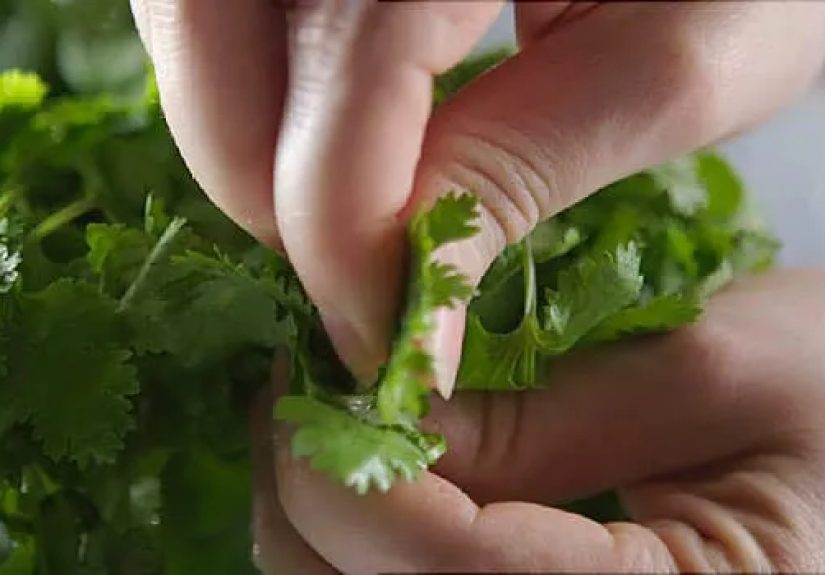
- Macro close-ups of leaves, stems, and chopped cilantro falling like confetti
- “Bouquet method” storage shot in a jar (looks great on camera)
- Two tasting reactions (even if you’re filming solo, use quick cuts + captions)
- Sprinkle cilantro over tacos, pho, curry, or rice bowls (instant “food envy”)
What Is Cilantro, Exactly (And Why Does It Have Two Names)?
Cilantro and coriander are the same plant: Coriandrum sativum. In the U.S., “cilantro” usually means the fresh leaves and stems, while “coriander” usually means the dried seeds (the warm, citrusy spice you’ll find in curry blends and pickling mixes). In many other places, “coriander” can refer to the whole plant, including the leaves.
Fun culinary detail for your video: cilantro isn’t just leaves. The stems carry a lot of flavor (and they’re less fussy to chop), and the roots show up in some cuisinesespecially Thai cookingwhere they’re pounded into pastes for soups and curries.
Why Does Cilantro Taste Like Soap to Some People?
If cilantro tastes like soap to you, you’re not “being dramatic.” (Okaymaybe you’re being a tiny bit dramatic, but you’re not wrong.) For many people, the difference comes down to how your nose detects cilantro’s aroma compounds.
The science in normal-human language
Flavor is mostly smell. When you chew cilantro, aroma molecules travel up to receptors in your nose. Cilantro contains natural compounds called aldehydes. Some aldehydes smell pleasantly “green” and “citrusy” to many people. But certain individuals are more sensitive to the aldehydes that can read as “soapy,” “pungent,” or even “bug-like.” Your brain interprets that signal as: “Why does my salsa taste like the dish sponge?”
The “cilantro gene” angle (great for video)
Research has linked cilantro’s soapy perception to genetic differences near smell-receptor genes, with a commonly discussed candidate receptor gene called OR6A2. Variants in this neighborhood can make some people more likely to perceive cilantro’s aldehydes as soapy. This doesn’t mean one single gene “decides your personality,” but it helps explain why reactions can be intense and consistent.
Make it interactive: a 10-second “taste test” segment
- Show cilantro leaf close-up, then ask viewers: “Fresh and bright… or soap?”
- Have two bowls: one with plain cilantro, one mixed into salsa/guacamole.
- Explain: “Mixing it with acid (lime), fat (avocado), and salt can make cilantro feel less sharp.”
Also worth saying (without starting a comment-war): experience matters too. People who grew up with cilantro in everyday cooking may learn to enjoy it more, and some people can become less sensitive over timeespecially when cilantro is chopped/crushed and blended into a dish.
Cilantro’s Origin Story: From Ancient Herb to Global Main Character
Cilantro/coriander is an old herb with a long passport history. Botanical sources commonly place its origins in the Mediterranean and Near East (often described as the eastern Mediterranean and surrounding regions), and it spread widely through trade, migration, and cuisine. Archaeological evidence suggests coriander has been known and used for thousands of years.
How it became a global staple
Cilantro’s bright flavor pairs especially well with ingredients common across many cuisines: citrus, chiles, garlic, onions, legumes, grilled meats, coconut, and rice. That’s why you’ll see it everywhere from Mexican salsas to Vietnamese noodle soups to Indian chutneys.
Video idea: “Cilantro around the world” montage
- Mexico: salsa verde, pico de gallo, tacos
- Vietnam: pho garnish, rice bowls
- India: green chutney, coriander chutney
- Thailand: herb-forward soups and curry pastes (often using stems and roots)
- Middle East: herb-heavy sauces, salads, and stews (varies by region)
Health Benefits of Cilantro: What You Get (And What You Don’t)
Let’s separate “cilantro is nutritious” (true) from “cilantro will fix your entire life” (please don’t make that your thumbnail). Most people eat cilantro in small amountssprinkled, blended, or folded into a dishso the biggest health win is often this: it makes healthy food taste better, which helps you eat more of it.
Nutrient highlights in real-world portions
A typical garnish portion of cilantro (about ¼ cup, roughly a small handful) contributes small but meaningful amounts of vitamins especially vitamin K and vitamin C. In USDA nutrient listings, a ¼-cup serving is noted with about 12.4 micrograms of vitamin K and 1.1 mg of vitamin C. That won’t replace a balanced diet, but it’s a real contribution, especially when cilantro shows up often in your meals.
Antioxidants and plant compounds
Cilantro contains various plant compounds (including certain polyphenols and flavonoids) that researchers study for antioxidant activity. In plain English: cilantro brings a mix of protective plant chemicals that may help the body manage oxidative stress. The strongest evidence here is general nutrition science (plants are good; herbs add plant compounds), while specific “cilantro cures X” claims usually require more human research.
Potential benefits you can say without overpromising
- Helps you cut back on salt: Herbs add flavor so you can rely less on sodium-heavy seasoning. (This is one of the most practical, everyday “health benefits.”)
- Adds micronutrients: Vitamin K and vitamin C show up even in small servings.
- Supports a plant-forward pattern: People who use herbs tend to cook more at home, eat more vegetables, and build meals with more variety (the real MVP of nutrition).
What Research Suggests (And Why “Cilantro Detox” Is Mostly Clickbait)
You’ll see cilantro online linked to everything from blood sugar to “detoxing heavy metals.” Here’s the honest, video-friendly truth: a lot of cilantro research is early-stagelab studies, animal studies, or studies on concentrated extracts and essential oils. That’s useful science, but it’s not the same as sprinkling cilantro on your burrito bowl.
Antimicrobial and anti-inflammatory research: promising, but nuanced
Some studies examine coriander/cilantro essential oil and extracts for antimicrobial activity in controlled settings. Results can look impressive in a petri dish but the amounts and forms tested (essential oils, concentrated extracts) don’t always match how people consume cilantro in food. Translation: don’t use cilantro as a substitute for food safety or medical care.
How to phrase this in your video (safe and credible)
“Cilantro contains compounds researchers study for antioxidant and antimicrobial properties. That’s interesting sciencebut most of the strong evidence for better health still comes from eating a varied diet rich in plants. Cilantro is a great supporting actor in that story.”
How to Choose, Wash, Store, and Prep Cilantro (So It Doesn’t Melt Into Slime)
Cilantro has one flaw: it can go from “fresh and perky” to “sad aquarium plant” fast. Good news: a few simple habits can extend its lifeand give you extra footage for your video.
How to pick the best bunch
- Look for bright green leaves with minimal yellowing or black spots.
- Sniff it: it should smell fresh and distinct (if it smells like nothing, it’ll taste like nothing).
- Avoid bunches with mushy stems or slimy leaves (they’ve already started the farewell tour).
Washing cilantro safely
Rinse cilantro under running water. If it’s gritty, swish it in a bowl of cold water so the dirt sinks, then lift the leaves out. Food-safety authorities recommend washing produce and drying it with clean paper towels or cloth towels to reduce surface bacteria.
Storage methods that actually work
- Bouquet method (best for video aesthetics): Trim the stem ends, stand the bunch upright in a jar with a little water, loosely cover with a bag, and refrigerate. Change the water every couple of days.
- Paper towel method (good for small fridges): Wrap cilantro loosely in paper towels, place in a bag, and refrigerate. The goal is “dry enough to avoid slime, moist enough to avoid wilt.”
- Pro move: Don’t chop until you’re ready to use it. Chopping speeds up flavor loss and wilting.
Prep tips that boost flavor
- Use the stems: chop them finely; they’re flavorful and reduce waste.
- Add near the end: cilantro’s aroma is delicate and fades with long cooking.
- Pair smartly: lime, garlic, and a pinch of salt make cilantro taste “rounder” and less sharp.
If You Hate Cilantro, Here Are Substitutes That Won’t Start an Argument
If cilantro tastes soapy to you, forcing it is not a personality testyou can still make vibrant food without it. Try these substitutes depending on the dish:
- Flat-leaf parsley: closest “fresh green” vibe (less citrusy)
- Basil: great in Thai-inspired dishes (different aroma, still bright)
- Mint: excellent in salads, grain bowls, and yogurt sauces
- Dill: works in creamy sauces and tangy dressings (use lightly)
- Chives/scallion greens: add freshness without the cilantro aroma
Safety Notes (Because Your Comment Section Will Ask)
1) Allergies can happen
Cilantro/coriander allergy is uncommon, but it exists. Some people experience mouth or throat itching after eating raw herbssometimes as part of pollen-food allergy syndrome (also called oral allergy syndrome). If someone has known pollen allergies or reacts to related spices/herbs, they should be cautious and consult a clinician for personalized guidance.
2) Vitamin K and blood thinners
Cilantro contains vitamin K. If someone takes warfarin or another medication affected by vitamin K intake, the key is consistency. Sudden changes in leafy-green or herb intake can affect how warfarin works, so it’s important to follow medical guidance.
Conclusion: Cilantro Isn’t MagicBut It’s a Fantastic Supporting Character
Cilantro is fascinating because it’s both science-y and deeply human. Genetics can shape how you perceive its aroma, history shows how widely it traveled, and nutrition reminds us that small ingredients can still add upespecially when they help us enjoy real food.
If you’re making a video, lean into the story: the love/hate debate, the chemistry, the ancient origins, and the practical tips that save people money (nobody likes throwing away a slimy bunch of herbs). And if someone says cilantro tastes like soap? Believe them. Their nose is not taking feedback at this time.
Real-World Experiences With Cilantro (Extra )
Ask ten people about cilantro and you’ll get twelve opinionsbecause cilantro doesn’t just sit politely in the background. It announces itself. In everyday kitchens, one of the most common “cilantro experiences” is the surprise factor: someone tries a bite of salsa or pho for the first time and instantly decides they’re either a cilantro fan for life or a lifelong member of Team Nope.
Many home cooks describe the “fresh” version of cilantro as almost electriclike the food suddenly got brighter. They’ll say it tastes lemony, grassy, or “clean” (in a good way), and they love how it wakes up heavier foods like tacos, stews, and curries. In practice, cilantro often becomes the “finishing move”: a last-minute handful sprinkled over the top that makes a basic bowl of rice and beans feel restaurant-level. It’s also a common gateway herb for people who want to cook more at home but don’t want complicated techniqueschop, sprinkle, done.
On the other side, people who perceive cilantro as soapy often describe a very specific reaction: it’s not subtle. The flavor can feel like it hijacks the entire dish, turning guacamole into something they can’t un-taste. What’s interesting is that many of these people still enjoy coriander seed as a spicebecause the seed’s flavor profile is different (warmer, more citrus-spice) and doesn’t hit the nose the same way. So in real life, a “cilantro hater” can still love a curry that contains coriander seed. That’s a great moment to include in your video if you want to reduce the “you’re just picky” vibebecause it shows the experience is more complex than simple preference.
Another common experience is the “conversion arc.” Some people report that they started out disliking cilantro, but over time it became tolerable, then enjoyable especially when it’s finely chopped and mixed into foods with lime, garlic, onion, or spicy peppers. Whether that change is due to repeated exposure, context, or learning to associate cilantro with favorite meals, the pattern is familiar: cilantro rarely becomes someone’s favorite by accident; it usually shows up repeatedly in foods they already love.
Then there’s the practical side: cilantro is famous for spoiling fast, so plenty of people have a shared “oops” experiencebuying a big bunch with ambitious plans, then finding it wilted two days later. This is why storage methods become almost emotional. The first time someone tries the “bouquet in a jar” trick and their cilantro lasts longer, it feels like a small victory against grocery waste. In a video, that’s gold: it’s useful, visual, and oddly satisfyinglike a life hack that actually behaves.
Bottom line: cilantro is more than an herb. It’s a conversation starter, a memory trigger, a kitchen experiment, and sometimes an accidental family debate. That’s exactly why it makes such a great video topicyou’re not just teaching facts; you’re tapping into something people have genuinely experienced.




 Close
Close