
Table of Contents >> Show >> Hide
- What Is a Meningitis Test?
- Common Symptoms That May Lead to Meningitis Testing
- The Neck Test for Meningitis: What It Can and Cannot Tell You
- Kernig’s Sign and Brudzinski’s Sign
- What Happens During a Physical Exam for Meningitis?
- Meningitis Testing in the Hospital or Clinic
- Can You Do a Meningitis Test at Home?
- When to Seek Emergency Care
- Why Early Testing Matters
- How Doctors Decide Which Meningitis Tests You Need
- What Not to Do If You Suspect Meningitis
- Practical Examples: How Meningitis Testing May Play Out
- Experience-Based Notes: What People Often Notice Before Testing
- Conclusion
Meningitis is one of those medical words that instantly makes the room feel seriousand for good reason. It means the protective membranes around the brain and spinal cord, called the meninges, have become inflamed. The cause may be viral, bacterial, fungal, parasitic, or even noninfectious. Some cases are mild and resolve with supportive care, while others can move faster than a toddler with a stolen cookie. Bacterial meningitis, in particular, can become life-threatening quickly.
That urgency is why people search for a “meningitis test at home,” a “neck test for meningitis,” or signs they can check before going to the emergency room. The honest answer is simple: you can look for warning signs at home, but you cannot safely diagnose or rule out meningitis at home. A stiff neck, fever, severe headache, confusion, vomiting, rash, or sensitivity to light should be treated as a serious warning signalnot as a puzzle to solve with internet detective work.
This guide explains how meningitis testing works, what doctors look for during a physical exam, why the famous neck checks are helpful but imperfect, and when to seek emergency care.
What Is a Meningitis Test?
A meningitis test is not just one test. It is usually a combination of medical history, physical exam, blood testing, imaging when needed, and laboratory analysis of cerebrospinal fluid, often called CSF. CSF is the clear fluid that surrounds the brain and spinal cord. When meningitis is suspected, testing that fluid can help doctors determine whether the inflammation is caused by bacteria, viruses, fungi, or another trigger.
The most important point: meningitis is diagnosed by healthcare professionals. At-home checks may raise suspicion, but they cannot confirm the condition. A person with meningitis may have classic symptomsor may have symptoms that look annoyingly similar to flu, migraine, food poisoning, or a “bad day that got promoted to medical emergency.”
Common Symptoms That May Lead to Meningitis Testing
Doctors consider meningitis testing when symptoms suggest irritation or infection around the brain and spinal cord. In adults and older children, common warning signs include:
- Fever
- Severe headache
- Stiff neck or neck pain
- Nausea or vomiting
- Sensitivity to bright light
- Confusion, sleepiness, or trouble waking
- Seizures
- Skin rash, especially a rash that does not fade under pressure
- Muscle aches, joint pain, or extreme weakness
In babies and young children, meningitis can be harder to recognize. Infants may not have a stiff neck. Instead, warning signs can include poor feeding, unusual irritability, a high-pitched cry, fever or low temperature, vomiting, extreme sleepiness, a bulging soft spot on the head, or a baby who seems floppy, stiff, or difficult to comfort.
The Neck Test for Meningitis: What It Can and Cannot Tell You
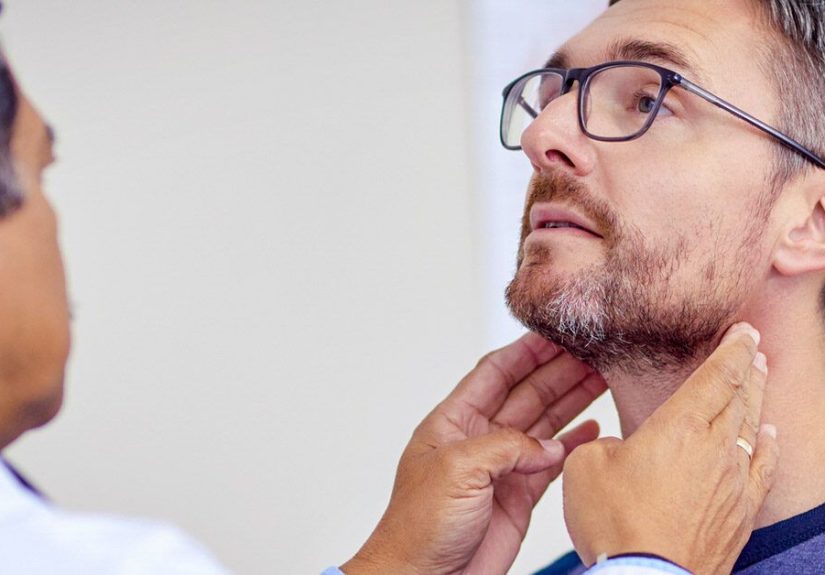
The “neck test” people often search for usually refers to checking for neck stiffness, also called nuchal rigidity. In meningitis, inflammation around the brain and spinal cord can make it painful or difficult to bend the neck forward. A healthcare provider may gently assess whether the patient can lower the chin toward the chest.
However, neck stiffness is not a perfect test. A stiff neck can come from sleeping like a pretzel, muscle strain, arthritis, migraine, injury, or other infections. On the other hand, someone with meningitis may not have dramatic neck stiffness, especially early in the illness, in older adults, in infants, or in people with weakened immune systems.
Can You Try a Neck Check at Home?
You can notice symptoms at home, but do not force the neck to move. If bending the neck forward causes severe pain, or if neck stiffness appears with fever, severe headache, confusion, vomiting, rash, or light sensitivity, seek urgent medical care. Do not wait to see whether it “loosens up after coffee.” Coffee is wonderful. It is not a meningitis treatment plan.
Kernig’s Sign and Brudzinski’s Sign
Two classic physical exam maneuvers are often mentioned in discussions of meningitis: Kernig’s sign and Brudzinski’s sign. These are not casual home tests; they are clinical exam findings performed by trained healthcare professionals.
What Is Kernig’s Sign?
For Kernig’s sign, the patient lies on their back while the hip and knee are flexed. The clinician then tries to straighten the knee. Pain or resistance may suggest irritation of the meninges. In plain English: the body says, “Absolutely not,” when the inflamed nervous system is stretched.
What Is Brudzinski’s Sign?
For Brudzinski’s sign, the clinician gently flexes the patient’s neck forward. A positive sign occurs when the hips and knees bend involuntarily. This can happen because stretching inflamed tissues around the spinal cord triggers protective movement.
Why These Signs Are Not Enough
Kernig’s and Brudzinski’s signs are famous, but famous does not always mean reliable. Studies have shown that these signs may have low sensitivity, meaning they can be absent even when meningitis is present. They can support a doctor’s suspicion, but a negative sign does not safely rule out meningitis. This is why doctors do not rely on neck maneuvers alone.
What Happens During a Physical Exam for Meningitis?
A meningitis physical exam is more than a quick look at the neck. A clinician evaluates the full picture, including symptoms, timeline, exposure risks, vaccination history, medications, immune status, and whether the person has recently had an infection, head injury, surgery, travel, or contact with someone who was ill.
During the exam, the provider may check:
- Temperature, blood pressure, heart rate, breathing rate, and oxygen level
- Level of alertness and mental status
- Neck stiffness and pain with movement
- Skin for rash, purple spots, or bruising-like changes
- Eyes for light sensitivity or abnormal pupil response
- Strength, balance, reflexes, and coordination
- Signs of dehydration or shock
- In babies, the fontanelle, cry, feeding, tone, and responsiveness
The physical exam helps determine how urgent the situation is and which tests should happen next. If bacterial meningitis is suspected, treatment may begin quickly, sometimes before all test results return.
Meningitis Testing in the Hospital or Clinic
When healthcare providers suspect meningitis, they typically order tests to identify the cause and guide treatment. Because different causes require different care, testing matters. Viral meningitis may need supportive care or antiviral medicine in specific cases. Bacterial meningitis usually requires immediate intravenous antibiotics. Fungal meningitis needs antifungal treatment. The “what kind is it?” question is not academicit changes the entire game plan.
Blood Tests and Blood Cultures
Blood tests may show signs of infection or inflammation. Blood cultures can help identify bacteria in the bloodstream. In meningococcal disease, blood testing can be especially important because the bacteria may affect both the bloodstream and the meninges.
Lumbar Puncture or Spinal Tap
A lumbar puncture, also called a spinal tap, is one of the key tests for meningitis. During the procedure, a clinician inserts a needle into the lower back to collect a small sample of cerebrospinal fluid. The needle does not go into the spinal cord. That fact tends to lower the panic level by at least a notch.
The CSF sample may be tested for white blood cells, protein, glucose, bacteria, viruses, fungi, and other markers. Doctors may use Gram stain, culture, polymerase chain reaction testing, antigen tests, or other specialized tests depending on the suspected cause.
Imaging Tests
Some patients need a CT scan or MRI before a lumbar puncture. Imaging may be used if there are signs of increased pressure in the skull, focal neurological problems, seizures, severe altered mental status, or other concerns. Imaging does not usually diagnose meningitis by itself, but it can help doctors perform testing safely and look for complications.
Nasal, Throat, or Other Swabs
In certain situations, clinicians may use swabs or other samples to look for bacteria or viruses. These tests can support diagnosis or public health investigations, especially during outbreaks, but CSF and blood tests are often more central when meningitis is strongly suspected.
Can You Do a Meningitis Test at Home?
No at-home test can confirm meningitis. There is no reliable home kit, phone app, mirror trick, or “bend your neck and see what happens” method that can rule it out. At-home checks are best understood as warning sign checks. They help you decide whether to seek urgent carenot whether you can safely stay home.
The Glass Test for Rash
Some people use the “glass test” for a rash. The idea is to press the side of a clear glass firmly against the rash. If the rash does not fade under pressure, it may be a sign of bleeding under the skin, which can occur with meningococcal sepsis. Fever plus a non-fading rash is a medical emergency.
However, do not wait for a rash. Many people with meningitis never develop one. On darker skin, rash changes may be harder to see, so check lighter areas such as the palms, soles, inside the eyelids, or roof of the mouth. If the person is seriously ill, worsening quickly, confused, difficult to wake, or breathing abnormally, seek emergency care immediately even if there is no rash.
When to Seek Emergency Care
Call emergency services or go to the emergency room right away if meningitis is possible. Red flags include fever with severe headache, stiff neck, confusion, seizure, repeated vomiting, purple or non-fading rash, extreme sleepiness, trouble waking, sensitivity to light, or rapid worsening.
For babies, seek urgent care for fever, poor feeding, unusual crying, limpness, stiffness, bulging soft spot, breathing problems, or a baby who seems “not right.” Parents and caregivers often know when something is off. Trust that instinct. It has better customer service than denial.
Why Early Testing Matters
Early testing helps doctors identify the cause and start the right treatment. Bacterial meningitis can lead to sepsis, brain swelling, hearing loss, seizures, stroke, learning problems, limb damage, or death. The earlier treatment begins, the better the chance of reducing severe complications.
Viral meningitis is more common and often less severe, but it can still require medical evaluation, especially in infants, older adults, pregnant people, and anyone with a weakened immune system. Fungal meningitis is less common but can be serious and may occur in people with certain immune risks or environmental exposures.
How Doctors Decide Which Meningitis Tests You Need
Testing depends on age, symptoms, immune status, exam findings, and how sick the person appears. A young adult with fever, stiff neck, and confusion may need immediate emergency evaluation, blood cultures, antibiotics, and lumbar puncture. An infant with fever and poor feeding may need a full infection workup. A person with headache and mild viral symptoms may still need evaluation if symptoms are severe, unusual, or worsening.
Doctors may also consider recent travel, college dorm living, military barracks, exposure to someone with meningococcal disease, vaccination status, sinus or ear infections, head trauma, neurosurgery, cancer treatment, HIV, organ transplant, or medications that suppress the immune system.
What Not to Do If You Suspect Meningitis
- Do not force neck movements to “test harder.”
- Do not wait for all classic symptoms to appear.
- Do not assume it is only a migraine if fever, confusion, rash, or neck stiffness is present.
- Do not give leftover antibiotics.
- Do not drive yourself if you are confused, weak, faint, or severely ill.
- Do not delay care because an online checklist feels incomplete.
Meningitis can be sneaky. It does not always follow the textbook. The safest approach is to treat concerning symptoms as urgent and let medical professionals sort out the details.
Practical Examples: How Meningitis Testing May Play Out
Example 1: Adult With Fever, Headache, and Stiff Neck
A 28-year-old develops a high fever, severe headache, vomiting, and neck pain. In the emergency room, the team checks vital signs, mental status, neck stiffness, and skin. Blood tests and blood cultures are ordered. If bacterial meningitis is suspected, IV antibiotics may start quickly. A lumbar puncture is performed if safe, and the CSF results guide treatment.
Example 2: College Student With Rash and Confusion
A college student has fever, confusion, and a purple rash that does not fade under pressure. This is treated as an emergency because meningococcal disease can progress rapidly. Doctors may start antibiotics immediately, collect blood cultures, perform CSF testing when safe, and notify public health authorities if needed.
Example 3: Baby With Poor Feeding and Sleepiness
A 2-month-old has a fever, poor feeding, and unusual sleepiness. The baby may not show neck stiffness. Clinicians may evaluate for serious bacterial infection, including meningitis, using blood, urine, and CSF testing. In infants, subtle symptoms deserve serious attention.
Experience-Based Notes: What People Often Notice Before Testing
Real-world experiences with suspected meningitis often begin with uncertainty. Many people do not wake up thinking, “Ah yes, today feels like a cerebrospinal fluid situation.” More often, the first signs look ordinary: a headache that seems stronger than usual, fever that climbs quickly, neck discomfort, or a child who suddenly wants to lie still in a dark room. The tricky part is that meningitis can disguise itself as several common illnesses. That is why the pattern and severity of symptoms matter.
One common experience is the “this feels different” headache. People may describe it as intense, constant, or paired with nausea and light sensitivity. Migraine can cause similar symptoms, but fever, confusion, stiff neck, rash, or rapid worsening should change the level of concern. A headache alone may not mean meningitis. A headache plus neurological or infection signs deserves urgent attention.
Another experience is frustration with the neck check. Someone may try to move their neck and feel pain, then wonder whether they are overreacting. The key is context. A stiff neck after painting a ceiling all weekend is one thing. A stiff neck with fever, vomiting, and mental fog is another. The body is not handing out legal documents; it is sending clues. When the clues stack up, it is time for medical care.
Caregivers often describe children with meningitis concerns as “not themselves.” A child may become unusually sleepy, inconsolable, sensitive to light, uninterested in food, or upset when held. Babies may cry in a way that sounds different from normal fussiness. Since infants cannot say, “My meninges are inflamed,” adults have to pay attention to behavior, feeding, temperature, breathing, and responsiveness.
People who undergo a lumbar puncture often worry about the procedure more than the blood test or scan. That anxiety is understandable. The idea of a spinal tap sounds dramatic, like something that should come with thunder in the background. In practice, clinicians use sterile technique, local numbing medicine, and careful positioning to collect a small CSF sample from the lower back. The test can provide information that cannot be guessed from symptoms alone.
After testing, waiting for results can feel stressful. Some results return quickly, while cultures and specialized tests may take longer. Doctors may begin treatment before every answer is back because time matters, especially with suspected bacterial meningitis. That can feel intense, but it is a safety-first strategy.
The biggest lesson from patient and caregiver experiences is this: do not try to be a hero at home. You do not need to diagnose meningitis before getting help. You only need to recognize that fever, severe headache, stiff neck, confusion, rash, seizures, extreme sleepiness, or a rapidly worsening illness is enough reason to seek urgent care. In meningitis, caution is not panic. It is good judgment wearing sensible shoes.
Conclusion
A meningitis test is not a single at-home trick. It is a medical evaluation that may include a physical exam, blood tests, imaging, and a lumbar puncture to study cerebrospinal fluid. Neck stiffness, Kernig’s sign, Brudzinski’s sign, and rash checks can raise suspicion, but they cannot confirm or rule out meningitis on their own.
If symptoms suggest meningitis, especially fever with severe headache, stiff neck, confusion, vomiting, seizure, rash, or unusual sleepiness, seek emergency care immediately. Fast testing and treatment can make a major difference. When it comes to possible meningitis, the safest “test” at home is knowing when to stop testing and start getting help.






 Close
Close