
Table of Contents >> Show >> Hide
- The Viral Daycare Story That Hit A Nerve
- When A Close Bond Is Healthy And When It Becomes A Red Flag
- Why The Director May Have Acted Quickly
- What Parents Should Do If Something Feels Off At Daycare
- What Daycare Centers Owe Families
- The Bigger Issue Behind Stories Like This
- More Experiences Parents And Providers Will Recognize
- Conclusion
There are few things more unsettling for a parent than that tiny, persistent voice in the back of the mind whispering, “Something here is off.” It is not always dramatic. Sometimes it is not a bruise, a screaming match, or a clear-cut safety violation. Sometimes it is a weird comment at pickup, an overly familiar gesture, a teacher who seems laser-focused on one child, or a dynamic that simply does not feel professional. And when the child is too young to explain what is happening, parents are left doing emotional detective work with very little evidence and a whole lot of dread.
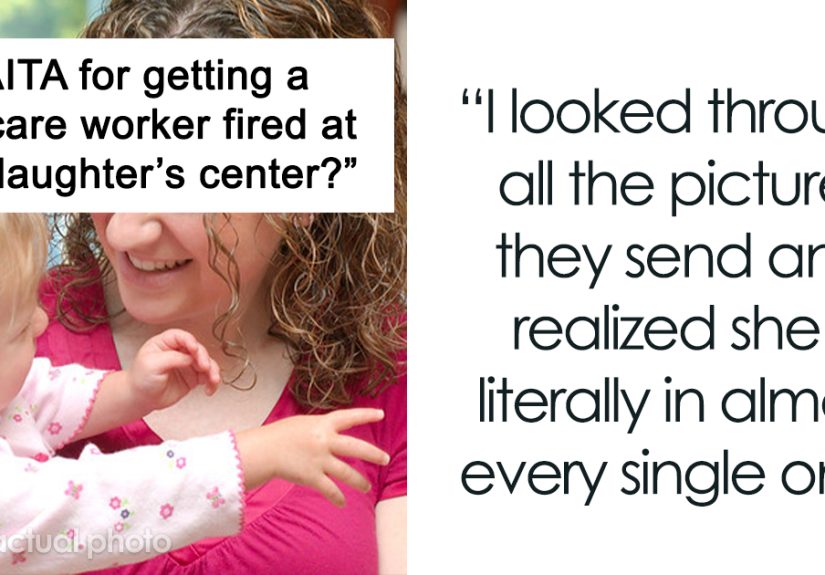
That is why one viral daycare story struck such a nerve online. In the post that inspired this discussion, a mother said she became increasingly uncomfortable with the way a daycare worker treated her daughter. What started as attention and affection began to feel excessive, personal, and boundary-crossing. The mom brought her concerns to the director, and the employee was eventually fired. Internet reactions, naturally, split into several familiar camps: Team “Trust Your Gut,” Team “Maybe You Overreacted,” and Team “I Need A Juice Box After Reading This.”
But beneath the clicky headline is a serious question that matters to families everywhere: how do parents tell the difference between a warm caregiver-child bond and behavior that crosses a line? More importantly, what should happen when a parent raises a concern about daycare staff conduct?
This story is worth unpacking not because every viral daycare anecdote is a perfect record of events, but because it taps into a very real tension in modern parenting. Families want loving caregivers, not robots. They want teachers who know their child well, not strangers who barely remember their name tag. But they also want professionalism, boundaries, accountability, and a program culture that takes concerns seriously. That is not too much to ask. That is literally the job description.
The Viral Daycare Story That Hit A Nerve
According to the online account, the mother noticed that one daycare worker seemed unusually focused on her daughter. The employee was frequently holding, cuddling, and paying special attention to the child. At first glance, that might sound harmless. In a quality infant room, babies are supposed to receive responsive, nurturing care. Warmth matters. Attachment matters. Children are not potted plants; they need human connection.
Still, the mother felt this situation was not just warm care. She believed it had crossed into a pattern that made her uneasy. That distinction matters. Parents often notice discomfort before they have perfect language for it. Maybe the caregiver keeps centering herself in every interaction. Maybe the attention is not evenly distributed. Maybe the communication feels possessive rather than supportive. Maybe pickup conversations leave a parent feeling more alarmed than reassured. Those details are hard to quantify, but they are not meaningless.
What made the story so compelling is that it forced readers to sit with an uncomfortable truth: a child care setting can appear normal on the surface while still containing behavior that violates boundaries. The room may be clean. The child may not come home visibly distressed. The staff member may even be described as “great with kids.” But professionalism is about more than smiles and sensory bins. It is also about judgment, restraint, consistency, and respect for the family’s role.
When A Close Bond Is Healthy And When It Becomes A Red Flag
Let’s be fair to child care professionals for a second: children do form strong bonds with teachers, and that is often a very good thing. High-quality early education depends on warm, responsive relationships. Babies and toddlers thrive when caregivers are attentive, soothing, and emotionally available. A teacher who can calm an upset infant, remember a toddler’s favorite song, or help a nervous child separate from a parent is not a problem. That teacher is doing the work well.
The problem starts when affection turns into favoritism, familiarity turns into boundary confusion, or communication turns into something that sidelines the parent. Healthy attachment in daycare should support the child and reassure the family. Unhealthy dynamics often do the opposite: they make the parent feel shut out, weirded out, or pressured to accept behavior that does not fit a professional setting.
Green Flags In Child Care Relationships
A strong caregiver-child relationship usually looks calm, respectful, and predictable. The teacher knows the child’s routines, responds kindly, shares regular updates with the family, and collaborates instead of competing. The tone is, “We are a team helping your child thrive.” The caregiver does not act like the child is somehow “theirs.” There is no emotional performance, no possessiveness, and no strange over-identification.
Red Flags Parents Should Not Ignore
Warning signs can include a staff member repeatedly singling out one child, resisting family preferences, becoming overly personal, undermining the parent’s role, or behaving differently when other staff are around. Other red flags include poor communication, dismissive responses to concerns, inconsistent explanations of incidents, high staff turnover, weak supervision, and a director who seems more interested in damage control than problem-solving.
If your discomfort grows every time you walk through the classroom door, that feeling deserves attention. Parental instinct is not magical prophecy, but it is often a useful early-warning system. And in child care, early warnings matter because prevention is much easier than cleanup.
Why The Director May Have Acted Quickly
One detail that stood out in the viral story was the outcome: the director fired the employee. Directors generally do not remove staff because a parent mildly dislikes their sweater vest or thinks their bulletin boards are ugly. A termination usually suggests there were additional concerns, prior observations, policy violations, or a broader pattern that the parent did not fully see.
That is an important point. Families often assume their complaint alone triggered the outcome, but in many programs, complaints are one piece of a larger puzzle. A director may already have documentation. Other employees may have reported concerns. The worker may have ignored coaching, violated professional boundaries, or created tension with multiple families. A complaint can be the final brick, not the whole wall.
In well-run child care programs, complaints are not supposed to disappear into a mysterious administrative void where they go to live with missing socks and unread newsletters. Licensing systems exist for a reason. Centers are expected to investigate concerns, maintain safe environments, and respond when staff behavior raises risks for children or families. That process should be fair, but it also should not be passive.
And yes, this is where daycares have to do the least glamorous part of their job: paperwork, observation, policy enforcement, and uncomfortable conversations. Nobody puts “held staff accountable” on a cute classroom display, but it is one of the clearest signs of a serious program.
What Parents Should Do If Something Feels Off At Daycare
If a parent suspects a daycare worker is behaving inappropriately, the goal is not to stage a dramatic parking-lot courtroom scene. The goal is to gather facts, communicate clearly, and escalate appropriately.
1. Document What You Notice
Write down specific incidents, dates, comments, patterns, and changes in your child’s behavior. “The vibe is weird” may be true, but “The teacher repeatedly ignored my request, made personal comments, and singled out my child in photos and pickup interactions” gives a director something concrete to evaluate.
2. Start With Direct, Calm Communication
In many cases, a respectful conversation with the lead teacher or director is the right first step. Ask questions. Describe what you observed. Explain why it concerns you. Good programs expect families to raise concerns. If the response is thoughtful, transparent, and action-oriented, that is a very good sign.
3. Watch The Response, Not Just The Words
Anyone can say, “We take this seriously.” What matters is what happens next. Are you given a follow-up? Is the issue documented? Are room assignments adjusted? Is there a policy explanation? Are your concerns minimized or treated like a nuisance? The response often tells you as much as the original incident.
4. Check Licensing And Complaint Channels
If a program operates unsafely or handles complaints poorly, families can usually contact state or regional licensing offices. Complaint systems exist because parents should not have to solve institutional problems by themselves. Child care is not a guessing game; oversight is part of the system.
5. Pay Attention To Your Child
Behavior changes can matter. Some children become clingier, more anxious, unusually withdrawn, or upset at drop-off when something is not right. That does not always mean wrongdoing. Kids react to transitions, sleep disruptions, illness, and developmental changes, too. But when behavior changes line up with other concerns, it is worth looking closer.
What Daycare Centers Owe Families
High-quality programs do more than keep children fed, supervised, and reasonably free from paint-eating incidents. They build trust with families through regular, respectful, two-way communication. Parents should know how their child’s day went, who cared for them, what policies guide staff behavior, and how concerns are handled.
Strong centers also understand that family partnership is not optional. Parents are not annoying side characters who occasionally interrupt circle time. They are the child’s primary advocates, and programs should treat them that way. A culture of openness matters just as much as a posted handwashing chart or a cheerful reading corner.
That includes setting clear professional boundaries. Teachers can be loving without becoming intrusive. They can be emotionally present without acting possessive. They can build trust with a child without blurring the line between caregiver and family member. Programs should train for that, supervise for that, and intervene when it slips.
The Bigger Issue Behind Stories Like This
There is another layer here, and it is not as viral-friendly as the headline. The American child care system is under enormous pressure. Staff are often underpaid, overworked, emotionally stretched, and asked to do extraordinarily important work in chronically stressed conditions. Burnout, turnover, and emotional exhaustion affect program stability and the quality of care children receive.
That reality does not excuse inappropriate conduct. But it does help explain why some programs miss warning signs, respond inconsistently, or rely too heavily on individual workers without enough support and supervision. A healthy child care environment is not built only on good intentions. It requires training, leadership, staffing, monitoring, and mental health support for educators.
In other words, if a daycare wants fewer crises, it cannot just hope everyone remains endlessly patient while surviving on caffeine and laminated schedules. It needs systems. The best centers support children and the adults caring for them.
More Experiences Parents And Providers Will Recognize
Stories like this resonate because many families have lived some version of them, even if the ending was less dramatic than a firing. One common experience involves a parent noticing that pickup conversations always leave them more confused than informed. Maybe one staff member gives glowing reports while another quietly hints that the child had a rough day. Maybe incident reports feel incomplete. Maybe the parent asks a simple question and gets an answer so polished it sounds like it came from a public relations intern hiding behind a cubby shelf.
Another familiar pattern is uneven attention. Parents sometimes notice that one teacher seems deeply connected to one child while other children are treated more mechanically. Again, connection itself is not the issue. The concern is whether that attention distorts the room. Does the child receive comfort or surveillance? Support or possessiveness? Is the teacher responsive to the whole group, or orbiting one child like a moon with boundary problems?
Providers recognize these situations too. Many early educators will tell you that good classrooms run on teamwork. If one adult ignores the room, plays favorites, or repeatedly overrides family preferences, coworkers usually notice before families do. Some centers handle that quickly with coaching and reassignment. Others let things simmer because staffing is tight and replacing employees is hard. That is how small issues become giant headaches wearing toddler-size sneakers.
Then there are the parents who raised concerns and were reassured, only to learn later that other families had complained too. That discovery can feel infuriating. It turns a strange interaction into a trust crisis. Parents do not expect perfection from child care providers, but they do expect honesty. If a problem is being addressed, say so. If an investigation is underway, explain what can be shared. Silence breeds suspicion, and suspicion spreads fast in parent communities.
Some experiences are less alarming but still instructive. A parent speaks up about nap routines, feeding, behavior management, or communication style, and the teacher responds beautifully. The director follows up. The family feels heard. The issue gets resolved without anyone storming out or posting on the internet for thousands of strangers to judge. These boring success stories deserve more attention because they show what quality systems look like in real life. Respectful communication is not flashy, but it saves relationships and protects children.
Educators also have their side of the story. Many are managing large emotional loads while helping children regulate, learn, separate from parents, and feel safe in group care. They may genuinely adore the kids in their classroom. That affection is part of what makes great teachers great. The challenge is keeping warmth professional, consistent, and collaborative. Families should feel that the teacher cares about their child, not that they are competing with the teacher for emotional territory. The best educators understand this instinctively. They make families feel included, not replaced.
That is ultimately why the viral daycare story keeps circulating. It is not just gossip. It is a pressure point in modern parenting. Families rely on child care, trust it with their children, and hope that if something feels wrong, the adults in charge will step up fast. When that happens, trust can survive. When it does not, every drop-off becomes a stomachache with a lunchbox.
Conclusion
The viral story of a mom reporting a daycare worker and seeing that employee fired hit hard because it captured a fear many parents rarely say out loud: what if the person caring for my child is not dangerous in an obvious way, but still not acting appropriately? That gray area is where good policies, strong leadership, and honest communication matter most.
A healthy daycare does not ask parents to ignore discomfort. It welcomes questions, documents concerns, respects boundaries, and acts when conduct falls below the standard children deserve. At the same time, families should remember that warmth and connection are not the enemy. In fact, they are essential. The goal is not cold care. It is safe, stable, nurturing, professional care.
So if a parent feels uneasy, the lesson from this story is not “panic first.” It is “pay attention, ask questions, document concerns, and expect accountability.” In child care, trust should be earned every day. And if a program cannot handle that expectation, the problem is not the parent who spoke up.






 Close
Close