
Table of Contents >> Show >> Hide
- Why Nautical Entry Decor Works So Well
- What Counts as a Nautical Front Doormat?
- Understanding Rope Rugs and Rope-Inspired Rugs
- How to Choose the Right Mat and Rug for Your Entryway
- Best Color Palettes for a Nautical Look
- Styling Ideas for Nautical Front Doormats and Rope Rugs
- How to Care for Coir Mats, Rope Rugs, and Natural Fiber Rugs
- Mistakes to Avoid
- Conclusion
- Personal Experiences With Nautical Front Doormats and Rope Rugs
The front door does a lot of heavy lifting. It greets guests, catches muddy shoes, survives surprise rainstorms, and quietly judges the package delivery pile. So if you are going to dress up your entryway, you might as well pick something that looks charming and earns its keep. That is exactly where a nautical front doormat and rope rugs come in. They bring coastal character, texture, and a little bit of seaside swagger to a porch, mudroom, or foyer without making your home feel like a souvenir shop next to a boardwalk taffy stand.
At their best, nautical doormats and rope-inspired rugs strike a sweet balance between style and function. They feel relaxed but intentional. They nod to sailboats, docks, weathered rope, and salty air, yet they can work just as beautifully on a suburban porch in Ohio as they do in a beach cottage in Maine. The trick is choosing the right materials, scale, colors, and care routine so the look stays polished instead of frayed, soggy, or oddly pirate-themed.
This guide breaks down how to choose, style, and maintain nautical front doormats and rope rugs so your entry looks crisp, welcoming, and ready for real life. Because coastal charm is lovely, but coastal charm that can handle wet sneakers is even better.
Why Nautical Entry Decor Works So Well
Nautical décor has serious staying power because it leans on timeless design cues: texture, utility, and a restrained color palette. Rope, stripes, weathered wood, navy blue, sandy beige, soft white, and muted gray all feel familiar and easy to live with. A nautical front doormat or rope rug does not need an anchor graphic the size of a car hood to get the point across. Often, the best versions are subtle.
That is part of the magic. A rope rug brings in chunky woven texture that instantly softens hard surfaces like concrete, brick, or tile. A coir doormat with a simple border or understated maritime motif feels classic, not cheesy. Layer the two together and suddenly your front entry looks less like an afterthought and more like a space someone actually styled on purpose.
It also helps that these materials and looks make sense at an entrance. Rope-inspired textures suggest durability. Coir mats are known for scraping dirt. Indoor-outdoor rugs add softness underfoot and help visually define the zone around the front door. In other words, this aesthetic is not just pretty. It is practical, which is always attractive.
What Counts as a Nautical Front Doormat?
A nautical front doormat is usually one of two things. First, it may be a mat with obvious coastal imagery, such as a shell, lighthouse, compass, sailboat, or rope border. Second, and often more stylishly, it can simply use materials and colors associated with the coast. Think natural coir, braided rope texture, navy stripes, cream-and-blue checks, or a weathered driftwood palette.
Common nautical doormat styles include:
Natural coir mats: Great for a crisp, beach-house feel. They have an earthy texture that pairs beautifully with white trim, blue shutters, and natural wood.
Rubber-backed mats with rope motifs: These work well in rainy climates because they are often more slip-resistant and easier to rinse clean.
Layered doormat looks: A smaller coir welcome mat placed on top of a larger striped or plaid outdoor rug creates a fuller, designer-style porch setup.
Braided or woven mats: These mimic the look of dock rope or sail cord without always using literal rope.
The goal is not to shout “I own a boat,” especially if you do not. The goal is to create an entry that feels breezy, grounded, and inviting.
Understanding Rope Rugs and Rope-Inspired Rugs
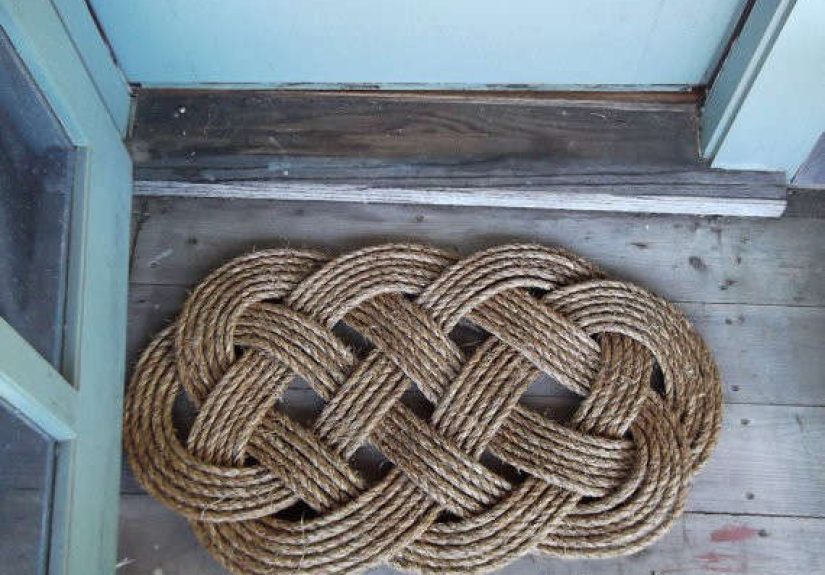
When people say “rope rugs,” they may mean a few different things. Some are made from natural fibers that have a chunky, rope-like weave. Others are crafted from cotton or synthetic cord. Some are true indoor-outdoor rugs designed to handle moisture, while others are decorative natural-fiber rugs better suited for covered porches or interior foyers.
That distinction matters. A rug that looks beachy is not automatically a rug that enjoys being rained on. Some materials are champions in wet conditions. Others act more like divas and prefer dry feet, polite weather, and emotional support.
Popular materials for rope-style rugs
Jute: Soft-looking, textured, and wonderfully coastal. Jute rugs are beautiful, but they do not love lingering moisture. They are best for covered porches, mudrooms, and foyers where they can stay mostly dry.
Sisal: Similar in spirit to jute but often a bit sturdier in appearance. It adds structure and texture, though it also needs thoughtful care around water.
Seagrass: Sleek, durable-looking, and naturally appealing. This can be a nice option for people who want a coastal vibe without a fluffy or rustic finish.
Cotton rope blends: Softer underfoot and often easier to style indoors, especially in a relaxed entry or sunroom.
Polypropylene or olefin: The workhorse option. If you want the rope-rug look with easier cleanup and better weather tolerance, synthetic indoor-outdoor rugs are often the smartest buy.
How to Choose the Right Mat and Rug for Your Entryway
Before you buy the cutest rope rug on the internet and immediately imagine yourself living in a Nancy Meyers coastal montage, take a minute to evaluate your actual entry.
1. Think about weather first
If your front step is exposed to rain, snow, or intense sun, prioritize performance. Coir, rubber, and weather-friendly synthetic rugs tend to handle the elements better than delicate natural-fiber pieces. If your porch is covered, you have more freedom to use jute, sisal, or other natural textures.
2. Measure the space carefully
A doormat that looks adorable online can look oddly tiny in real life, like it forgot to grow up. For a standard front door, a compact mat may work, but a larger porch often benefits from a bigger rug or a layered arrangement. Make sure the rug feels proportional to the door and surrounding trim. Also check door clearance so the mat does not catch every time someone opens the door dramatically.
3. Decide whether you want one layer or two
A single doormat is simple and effective. A layered look feels more styled and substantial. A common pairing is a smaller coir mat on top of a larger striped indoor-outdoor rug. This creates contrast, adds softness, and makes the entire entrance feel more finished.
4. Prioritize safety
Low-profile mats and rugs tend to work best in entryways. Look for non-slip backing or use a proper rug pad where needed. The point is to welcome people into your home, not launch them into a slapstick routine on your porch steps.
Best Color Palettes for a Nautical Look
The easiest way to keep nautical décor elegant is to use a disciplined color palette. You want “coastal sophistication,” not “theme restaurant near the marina.”
Strong color combinations include:
Navy and white: The classic. Clean, crisp, and endlessly versatile.
Sand, cream, and driftwood gray: Soft and natural, especially good with coir and jute.
Blue-gray and faded denim: A more relaxed take on coastal style.
Black and natural tan: Surprisingly chic for modern coastal homes.
Muted red accents: A subtle nod to maritime flags and classic East Coast style, used sparingly.
If your front door is already a statement color, let the mat complement it rather than compete. A bright turquoise door might pair better with a neutral rope rug than with a mat covered in every ocean reference known to humankind.
Styling Ideas for Nautical Front Doormats and Rope Rugs
Layer a striped outdoor rug under a coir mat
This is one of the easiest ways to get a styled coastal look. Use a navy-and-cream striped rug as the base, then place a smaller natural coir doormat on top. The stripes create movement, while the coir adds that classic hardworking entry texture.
Use a rope-texture rug on a covered porch
If your porch has overhead protection, a chunky rope-look rug can warm up the area instantly. Pair it with a bench, lanterns, and one or two blue planters for a polished look that feels fresh but not staged.
Keep the motif subtle
A mat with a thin rope border or understated compass design can be more sophisticated than one with giant anchors, fish, shells, and the phrase “Ahoy Y’all” all fighting for screen time.
Echo texture elsewhere
If you use a rope rug, repeat that texture in a nearby basket, planter wrap, or porch light detail. Repetition helps the design feel intentional instead of random.
Match the mood of the home
A Cape Cod-style house can handle crisp stripes and traditional maritime notes. A modern farmhouse may benefit from a more neutral, textural take. A small apartment entry might only need a rope-look runner and one coastal accent to get the feeling right.
How to Care for Coir Mats, Rope Rugs, and Natural Fiber Rugs
Beautiful entry rugs lose their appeal quickly when they become damp, grimy, curled, or suspiciously crunchy. Good maintenance is what keeps the look charming instead of chaotic.
For coir doormats
Shake them out regularly. A quick brush or vacuum helps remove trapped dirt. Coir is excellent at scraping debris off shoes, but that means it can hold onto quite a bit of it. If the mat gets wet, let it dry thoroughly before it stays in place too long.
For natural rope-style rugs like jute or sisal
Go easy on water. These fibers generally do best with frequent vacuuming and prompt attention to spills. Blot rather than soak. Too much moisture can leave stains, distort fibers, or encourage mildew. For deeper messes, dry-cleaning methods or manufacturer-specific instructions are often safer than improvising with a bucket and optimism.
For synthetic indoor-outdoor rope-look rugs
These are usually the easiest to live with. Many can be shaken out, vacuumed, hosed down, and air-dried. They are ideal for busy households, pet owners, and anyone who wants the coastal look without the maintenance anxiety.
General maintenance habits
Rotate rugs occasionally so traffic patterns wear evenly. Sweep the porch and the area under the rug. Let wet mats dry completely. Replace pads or backings if they stop gripping well. And if your entry mat looks permanently exhausted, it may be time to retire it with dignity.
Mistakes to Avoid
Choosing the wrong material for the weather: A gorgeous jute rug on an uncovered, rain-soaked porch is a short love story.
Buying a mat that is too small: Tiny mats can make the whole entrance feel awkward and unfinished.
Ignoring slip resistance: Style matters, but secure placement matters more.
Over-theming the space: A rope rug and one or two coastal cues are enough. You do not need to decorate like a retired sea captain with a craft-store coupon.
Skipping cleaning: Even the prettiest mat stops being charming when it starts looking like it has seen things.
Conclusion
Nautical front doormats and rope rugs work because they combine function, texture, and easygoing style in one very hardworking package. They can make an entry feel brighter, warmer, and more finished without requiring a full coastal renovation. The key is choosing materials that suit your climate, keeping the color palette calm, and treating maintenance like part of the design plan rather than an afterthought.
If you love the coastal look, start at the door. A well-chosen mat or rug sets the tone before anyone even rings the bell. It says your home is welcoming, thoughtfully styled, and prepared for wet shoes, sandy feet, and real life. Which, frankly, is the kind of confidence every front entry deserves.
Personal Experiences With Nautical Front Doormats and Rope Rugs
One of the reasons I keep coming back to nautical front doormats and rope rugs is that they do not just photograph well. They genuinely change the mood of an entryway. I have seen plain porches go from forgettable to memorable with one striped outdoor rug, one coir mat, and a planter that looked like it had its life together. Suddenly the whole house feels more welcoming, even before the door opens.
What surprises people most is how much texture does the work. A rope-style rug has this relaxed, tactile quality that makes an entrance feel layered and lived-in. Even when the rest of the porch is simple, maybe just a bench and a lantern, that woven texture adds warmth. It feels casual in the best possible way, like the house is saying, “Come on in, but maybe wipe your feet first.”
I also think these pieces work so well because they bridge indoors and outdoors beautifully. A nautical doormat belongs outside, obviously, but a rope rug can make that transition area feel softer and more intentional. In homes with a small foyer or mudroom, carrying the same coastal texture from the porch to the inside entry creates a visual rhythm that feels thoughtful without being fussy.
Of course, experience also teaches you what not to do. I have absolutely seen gorgeous natural-fiber rugs lose their charm after too much rain, too little drying time, and one unfortunate season of muddy foot traffic. That is when you learn the difference between “looks coastal” and “functions outdoors.” If the porch is exposed, synthetic indoor-outdoor materials are often the unsung hero. They keep the look, lose the stress, and do not punish you for living somewhere with weather.
Another thing I love is how flexible this style can be. Nautical does not have to mean obvious beach décor. Sometimes the best setup is just a natural mat, a faded blue rug, and a clean-lined black lantern. Other times, a striped layered look feels playful and classic. I have seen it work on cottages, colonials, modern farmhouses, and even city apartments with tiny front stoops. The common thread is not the architecture. It is the feeling of ease.
There is also something satisfying about how hardworking these pieces are. A good doormat is not precious. It gets stepped on all day, catches dirt, saves your floors, and still manages to make the entrance look finished. That is design pulling its weight. And rope rugs, especially the more durable ones, have that same practical charm. They are decorative, but they do not act delicate about it.
If I had one takeaway from using nautical mats and rope rugs over time, it would be this: the best ones make everyday life look a little more intentional. They make the front door feel like a real welcome point instead of just a traffic zone. They add comfort, catch mess, and create a first impression that is warm without trying too hard. Honestly, that is probably why this style keeps coming back. It is not just about coastal aesthetics. It is about making an ordinary entrance feel special, useful, and just a little bit happier.





 Close
Close