
Table of Contents >> Show >> Hide
- What Is Catnip, Exactly?
- Why Catnip Can Do Surprisingly Well Indoors
- Best Indoor Growing Conditions for Catnip
- How to Start Catnip Indoors
- Routine Indoor Catnip Care
- Common Problems and Easy Fixes
- Is Catnip Safe for Cats?
- Best Uses for Indoor-Grown Catnip
- Conclusion
- Common Indoor Catnip Experiences: What Growers Usually Notice
If you have a cat, you already know the household pecking order. You buy the furniture. The cat reviews it. The same logic applies to plants. Bring home catnip, and suddenly your windowsill has a furry project manager with very strong opinions. The good news is that catnip is one of the easier herbs to grow indoors. The bad news is that your cat may treat it like a VIP lounge, wrestling mat, and snack bar all at once.
Still, catnip is absolutely worth growing inside. It is fragrant, fast-growing, pretty in a loose, cottage-garden kind of way, and useful whether you want fresh leaves for your pet, dried leaves for toys, or simply a low-drama herb that does not need constant applause. With the right light, a pot that drains well, and a little restraint with watering, indoor catnip can thrive without turning your home into a tiny jungle or a feline demolition site.
This guide walks through everything you need to know about growing catnip indoors, from choosing the right container to pruning, harvesting, and keeping the plant alive when your cat acts like it owes them money.
What Is Catnip, Exactly?
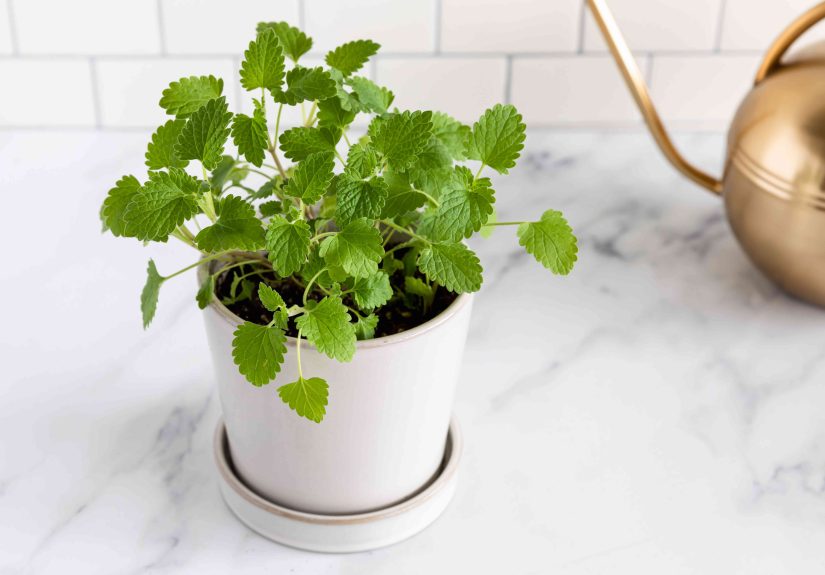
Catnip, Nepeta cataria, is a perennial herb in the mint family. That family connection tells you a lot right away: it is aromatic, relatively easygoing, and fully capable of growing with more enthusiasm than manners. It has soft, gray-green leaves, square stems, and small pale flowers when mature. Indoors, it usually stays more compact than it would outdoors, but it still likes to stretch, branch, and get a little shaggy if you let it.
People often mix up catnip and catmint. They are related, and both belong to the Nepeta group, but true catnip is the one most famous for sending many cats into a state of theatrical joy. If your goal is a plant that makes your cat blissfully weird for five to ten minutes, true catnip is your star performer.
Why Catnip Can Do Surprisingly Well Indoors
Catnip is not a fussy diva. It does not demand tropical humidity, daily misting rituals, or whispered affirmations at sunrise. In fact, catnip often performs better when gardeners do a little less. Indoors, it likes bright light, decent airflow, and soil that does not stay soggy. That makes it a solid choice for sunny windows, herb shelves, and hanging baskets.
Growing catnip inside also gives you more control. You can protect it from heavy rain, poor garden soil, and aggressive outdoor spreading. You also get to decide whether the plant is accessible to your cat at all times or only during supervised “special guest appearances.” For many households, that alone is reason enough to keep catnip indoors.
Best Indoor Growing Conditions for Catnip
Light: The Make-or-Break Factor
If catnip had a dating profile, “loves sunlight” would be in the first sentence. Indoors, bright light is the biggest factor in keeping the plant compact, leafy, and pleasantly fragrant. A sunny south-facing window is ideal. West-facing light can also work well, especially if your home gets strong afternoon sun.
If your catnip starts leaning dramatically toward the window like it is trying to escape, that is your cue to rotate the pot every few days. If growth becomes thin, floppy, or pale, the plant probably needs more light. A simple grow light can make a big difference, especially in winter or in apartments where “bright light” is more of a personality trait than a real condition.
Soil and Pot: Drainage First, Fancy Later
Catnip likes well-drained potting mix. That means regular indoor potting soil is fine as long as it is light enough to avoid staying wet for too long. Do not use heavy garden soil from outside unless your dream is to create a dense mud brick in a decorative pot.
Choose a container with drainage holes. That part is non-negotiable. Catnip may tolerate a little drought, but it hates sitting in soggy soil. Terracotta pots are especially helpful because they dry out faster than plastic. If you want to reduce feline wrestling matches, a hanging basket is also a smart option. It keeps the leaves accessible enough for admiration, but not so accessible that your cat body-slams the plant before lunch.
Water: More Restraint, Less Romance
Indoor catnip usually suffers more from kindness than neglect. In plain English: people drown it. Water thoroughly, then let the top layer of soil dry before watering again. Stick a finger into the soil and check before you pour. If it still feels damp, wait.
Catnip does not want bone-dry soil forever, but it definitely does not want swamp conditions. Overwatering can lead to yellowing leaves, droopy stems, and root problems. If the plant looks sad and the soil is wet, the answer is not more water. The answer is often an apology and better drainage.
Temperature and Humidity
Average indoor room temperatures suit catnip just fine. It generally does well in the same conditions humans find comfortable, which is refreshing. There is no need to turn your home into a fake rainforest. Moderate household humidity is fine, though very dry indoor air can sometimes make plants more vulnerable to spider mites. Keep catnip away from blasting heat vents and icy window drafts, and it will usually behave.
Fertilizer: Use a Light Hand
Catnip is not a heavy feeder. Too much fertilizer, especially nitrogen-heavy fertilizer, can encourage lots of soft growth without improving the plant’s overall quality. Indoors, a light feeding during active growth is plenty. A diluted, general-purpose fertilizer once in a while during spring and summer is usually enough. In winter, when growth slows, you can back off.
Think of fertilizer as seasoning, not gravy. A little improves the dish. Too much ruins dinner.
How to Start Catnip Indoors
Starting from Seed
Catnip can be started from seed indoors, which is great if you enjoy the tiny thrill of watching a tray of dirt become a life form. Sow seeds in a clean seed-starting mix, keep the medium lightly moist, and give seedlings strong light as soon as they emerge. Once they have a few sets of true leaves, transplant them into individual pots.
Seed-grown catnip may start slowly, but once it gets going, it tends to pick up speed. If patience is not your hobby, you can absolutely skip ahead and buy a starter plant instead.
Starting from a Nursery Plant or Division
For quicker results, begin with a young plant from a nursery or divide an older outdoor plant. Transplant it into a container that gives the roots room to spread without leaving an ocean of wet potting mix around them. A pot that is just a bit bigger than the root ball is a good starting point.
After transplanting, water the plant in, place it in bright light, and let it settle. A little droop after transplanting is normal. Full melodrama for more than a week is not.
Routine Indoor Catnip Care
Pinching and Pruning for a Bushier Plant
Catnip can get lanky, especially indoors. The fix is wonderfully simple: pinch the tips regularly. Snipping the growing tips encourages branching, which means a fuller, leafier plant instead of one tall stem auditioning for a role as a twig.
If the plant flowers and starts looking scruffy, shear it back lightly. Regular trimming keeps the plant compact and encourages fresh growth. Do not be afraid to prune. Catnip is tougher than it looks and usually bounces back with enthusiasm.
Repotting
If roots are circling the inside of the pot or poking through the drainage holes, your catnip is probably ready for a slightly larger home. Move up only one pot size at a time. Going too big can keep the soil wet for too long, which is the indoor herb version of wearing soggy socks all day.
Harvesting
You can start harvesting once the plant is healthy, bushy, and established. Snip stems or individual leaves as needed, ideally taking no more than about one-third of the plant at once. That allows catnip to recover without sulking.
Fresh leaves can be offered to your cat in small amounts, rubbed on toys, or dried for later use. If you want to dry catnip, cut stems, remove the leaves, and let them dry in a well-ventilated spot out of direct sun. Store the dried leaves in a sealed container once fully dry.
Common Problems and Easy Fixes
Leggy Growth
This is the classic indoor catnip complaint. The plant gets tall, floppy, and a little tragic-looking. The cause is almost always insufficient light. Move it to a brighter window, add a grow light, rotate the pot, and trim the stems back to encourage branching.
Yellow Leaves
Yellowing often points to overwatering or poor drainage. Check the soil before watering, empty saucers after watering, and make sure the container is not trapping moisture. If the plant smells funky near the soil line, root problems may already be underway.
Pests
Indoor catnip can occasionally attract aphids, spider mites, whiteflies, fungus gnats, or mealybugs. Check the undersides of leaves and new growth regularly. A quick rinse with water, better airflow, and prompt isolation from other plants can solve many small infestations before they turn into a full-scale insect convention. Heavily infested plants should be treated promptly, and in severe cases, discarded rather than allowed to infect your whole indoor jungle.
Cat Damage
Let us be honest: sometimes the biggest pest has whiskers and sleeps on your keyboard. Cats may chew the leaves, roll on the pot, dig in the soil, or knock the whole thing over with the confidence of a creature that has never paid rent. A hanging basket, shelf placement, or supervised access schedule can help. Some people keep one “sacrificial” catnip plant for cat play and another for actually growing. That is not ridiculous. That is strategy.
Is Catnip Safe for Cats?
Catnip is widely used for feline enrichment, but moderation still matters. Not all cats respond to it, and among those that do, reactions vary. Some cats become playful and goofy. Others get mellow and dreamy. A few act like they have just discovered espresso and parkour at the same time.
Also, more is not always better. Large amounts can upset some cats’ stomachs, and occasional vomiting or diarrhea can happen. That is why it makes sense to offer catnip in small, supervised amounts instead of letting your pet inhale an entire plant like it is competitive eating night. If your cat reacts poorly, stop offering it and ask your veterinarian what makes sense for your pet.
Best Uses for Indoor-Grown Catnip
Indoor catnip earns its keep in several ways. Fresh sprigs can be used as an occasional treat for cats. Dried leaves can be stuffed into toys, sprinkled on scratching posts, or stored for later. The plant itself also looks charming in a sunny kitchen or plant corner, especially when kept neatly pinched and bushy.
If you enjoy herb gardening, catnip also works well as part of an indoor collection. Just grow it in its own pot rather than crowding it into a mixed container where its needs might clash with fussier herbs. Catnip likes a little independence. Frankly, that is probably why cats respect it.
Conclusion
Catnip is one of the easiest and most entertaining herbs to grow indoors. Give it bright light, well-drained soil, a pot with drainage holes, and a sensible watering routine, and it will reward you with fragrant leaves, quick regrowth, and a steady supply of feline-approved excitement. Keep it trimmed, do not overfeed it, and watch for pests before they settle in. Most of all, remember that indoor catnip does not need perfection. It just needs a gardener who can resist overwatering and a cat who can resist body-slamming it for at least part of the day.
In other words, grow the plant, enjoy the chaos, and call it enrichment.
Common Indoor Catnip Experiences: What Growers Usually Notice
One of the most common experiences people report with indoor catnip is how quickly the plant teaches them whether their home actually has “bright light” or just optimistic light. A windowsill that seems sunny to humans may still produce a catnip plant that leans, stretches, and grows like it is trying to flag down a taxi. Many indoor growers discover that catnip is a very honest plant. If the light is not good enough, it says so with its whole body. The upside is that it usually responds well once conditions improve. Move it to a sunnier spot, add a grow light, trim it back, and it often returns looking surprisingly respectable.
Another very real experience is the battle between plant health and cat enthusiasm. Plenty of growers buy catnip with charming visions of a neat little herb pot in the kitchen, only to discover their cat has stronger plans. Some cats nibble politely. Others fling themselves onto the pot like stunt performers. That is why so many indoor gardeners end up using hanging baskets, higher shelves, or a two-plant system: one plant for the cat’s entertainment and one for actual harvesting. It sounds excessive until you meet a determined tabby.
People also tend to notice that catnip is much easier to overwater than underwater indoors. New plant owners often assume droopy leaves mean thirst, when in reality the soil is already too wet. This is a classic indoor herb lesson, and catnip is excellent at teaching it. Once growers learn to check the soil before watering, the plant usually becomes much easier to manage. Many say their success improved the moment they stopped watering on a schedule and started watering based on feel.
There is also the pruning revelation. A lot of first-time growers are nervous about cutting herbs back, but catnip rewards that bravery. After the first proper pinch or trim, many are surprised by how much fuller and better-shaped the plant becomes. Instead of one floppy stem with a few sad leaves, they get a denser, bushier plant that looks intentional rather than accidental. It is one of those rare gardening moments where a little haircut genuinely fixes the problem.
Harvesting is another experience that changes how people feel about the plant. Fresh catnip straight from the pot often gets a bigger reaction from cats than old dried store-bought packets that have been sitting around for ages. Growers also tend to enjoy the convenience of drying a small homegrown batch and using it later in toys or on scratching posts. It makes the plant feel useful, not just decorative. Even households without a highly responsive cat often like growing catnip simply because it smells pleasant, grows fast, and adds personality to an indoor herb collection.
Finally, many indoor gardeners come away with the same overall impression: catnip is forgiving. It may get leggy, it may need a trim, and it may occasionally survive an attack from a furry household critic, but it generally wants to live. That makes it satisfying. It is a plant that lets beginners learn, lets busy people relax, and occasionally lets cats behave like tiny, overexcited poets. For an indoor herb, that is a pretty excellent résumé.







 Close
Close