
Table of Contents >> Show >> Hide
- What Is Instant Bamboo Fencing?
- Why Bamboo Fencing Is So Popular Outdoors
- Best Places to Use Instant Bamboo Fencing
- Types of Bamboo Fencing
- How to Choose the Right Bamboo Fence
- How to Install Instant Bamboo Fencing
- Maintenance Tips for Bamboo Fencing
- Design Ideas for Instant Bamboo Fencing
- Pros and Cons of Instant Bamboo Fencing
- Common Mistakes to Avoid
- Is Instant Bamboo Fencing Worth It?
- Real-World Experiences With Outdoors: Instant Bamboo Fencing
- Conclusion
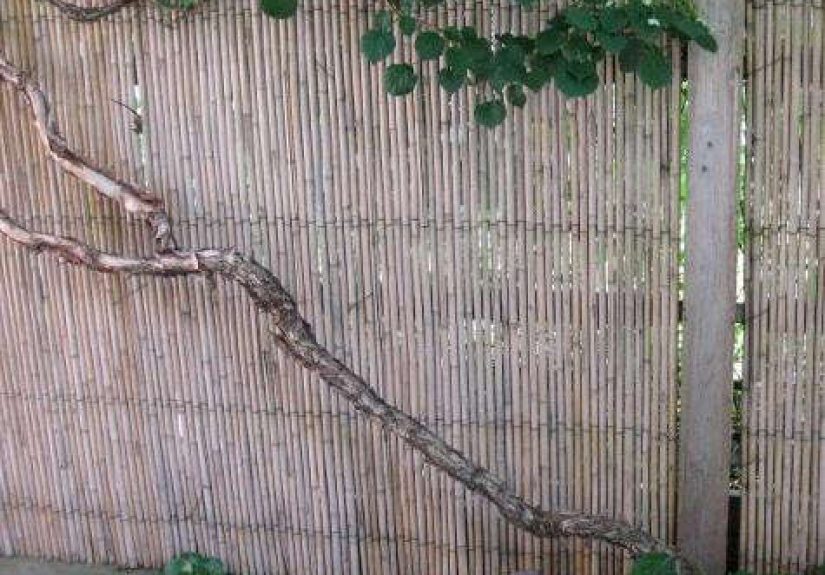
If your backyard currently feels less like a private retreat and more like a live-streamed neighborhood documentary, instant bamboo fencing may be the quickest, most stylish upgrade you can make without calling a contractor, renting a post-hole digger, or dramatically sighing over lumber prices. Bamboo fencing rolls and panels can transform a plain chain-link fence, tired wooden boundary, balcony railing, garden wall, or patio corner into a warmer, greener-looking outdoor space in just a few hours.
The appeal is easy to understand. Bamboo has a relaxed, natural look that works with tropical gardens, modern patios, boho balconies, poolside lounging areas, urban courtyards, and even small rental spaces where permanent construction is not an option. It is often sold in rolls, panels, or slats that can be attached to existing structures using wire, zip ties, staples, screws, or brackets. In other words, it is the outdoor design equivalent of putting on sunglasses: suddenly everything looks more intentional.
But instant bamboo fencing is not just about looks. It can add privacy, soften harsh surfaces, hide unattractive fencing, reduce visual clutter, and create a cozy backdrop for outdoor furniture, container plants, string lights, and garden décor. The key is choosing the right bamboo fencing, installing it correctly, and maintaining it so it does not fade, split, sag, or start looking like it has survived three pirate storms and one questionable barbecue.
What Is Instant Bamboo Fencing?
Instant bamboo fencing usually refers to pre-made bamboo rolls, panels, or screening mats designed to be installed quickly over or along an existing fence, wall, railing, frame, or support structure. Unlike a traditional fence that requires digging posts, setting concrete, measuring rails, and possibly explaining to your neighbor why your weekend project has become a three-week construction zone, bamboo screening is typically lightweight and flexible.
Most products are made from natural bamboo poles, split bamboo slats, reed-like bamboo pieces, or thicker whole culms connected by galvanized wire or durable cord. Common sizes include four-foot, six-foot, and eight-foot heights, with roll lengths often ranging from six to sixteen feet or more. Thicker bamboo poles usually provide better coverage and durability, while split bamboo or reed-style fencing is lighter, more affordable, and easier to cut.
Bamboo Fencing vs. Living Bamboo Screens
It is important to separate bamboo fencing from living bamboo plants. Instant bamboo fencing is made from harvested bamboo material and installed like a screen. Living bamboo is planted in soil and grows over time. While living bamboo can create a dense privacy screen, certain running bamboo species can spread aggressively through underground rhizomes. If you want quick privacy without worrying about plant containment, bamboo fencing rolls are usually the simpler route.
Think of it this way: bamboo fencing is the calm friend who shows up, does the job, and stays where you put it. Running bamboo plants, if chosen poorly, can become the friend who moves in, eats your snacks, and invites their cousins through the yard.
Why Bamboo Fencing Is So Popular Outdoors
Instant bamboo fencing has become popular because it solves several backyard problems at once. It is decorative, practical, relatively easy to install, and often more affordable than replacing an entire fence. For homeowners, renters, and patio dwellers, it offers a fast visual upgrade without the heavy commitment of full-scale construction.
It Adds Privacy Fast
One of the biggest reasons people choose bamboo fencing is privacy. A chain-link fence may mark a boundary, but it does not exactly stop the world from observing your Saturday morning coffee ritual. Bamboo screening can help block sightlines and create a more secluded outdoor setting. Thicker, tightly spaced bamboo poles provide better privacy than thin reed rolls, though even lightweight screening can soften views and make an outdoor area feel less exposed.
It Hides Ugly Fences and Walls
Many yards already have a fence that technically works but aesthetically belongs in witness protection. Rusty chain-link, aging wire fencing, faded wood panels, concrete block walls, or mismatched boundaries can all be improved with bamboo. Instead of removing the old structure, you use it as the support system for a fresh natural screen.
It Brings Warmth and Texture
Bamboo has a texture that vinyl and metal fencing cannot easily imitate. Its natural variation in color, nodes, and diameter gives outdoor spaces a relaxed, organic look. It pairs beautifully with gravel paths, stone pavers, clay pots, rattan furniture, teak benches, white cushions, black metal planters, and leafy plants such as palms, ferns, ornamental grasses, and monstera in warm climates.
It Can Be Budget-Friendly
Replacing a full privacy fence can be expensive, especially if you need posts, panels, labor, hauling, permits, and repairs to existing structures. Bamboo fencing rolls are often used as a lower-cost refresh, especially when the existing fence is structurally sound but visually underwhelming. It is not always a permanent replacement for a code-compliant fence, but it can be an excellent decorative privacy layer.
Best Places to Use Instant Bamboo Fencing
Bamboo fencing is versatile, but it works best when it is attached to something sturdy. It should not be expected to stand tall and proud in open ground without support unless you build a proper frame. The most successful installations usually begin with an existing fence, railing, wall, or post-and-rail structure.
Backyard Privacy Screens
Attach bamboo rolls to an existing chain-link or wire fence to create a warmer and more private backyard boundary. For best results, choose six-foot rolls if privacy is the main goal. If the fence faces strong wind, use plenty of fasteners and avoid leaving loose edges that can flap or pull.
Patio and Deck Enclosures
Bamboo fencing can turn a deck railing or patio edge into a cozy outdoor room. It is especially useful in townhomes, duplexes, and apartments where neighbors are close. A bamboo backdrop behind a dining set can make even a small patio feel like a mini vacation spot, minus the airport security line.
Balcony Screening
For renters, bamboo balcony screening can add privacy and style without permanent construction. Always check building rules, lease terms, and safety regulations before attaching anything to a balcony railing. Use secure fasteners, avoid blocking drainage, and never install material in a way that could fall, blow away, or create a hazard.
Garden Borders
Shorter bamboo fencing can define garden beds, vegetable patches, pathways, compost areas, or outdoor shower zones. Split bamboo rolls work well for decorative borders, while thicker bamboo panels are better for privacy and screening.
Poolside Screens
Bamboo creates a resort-style feel around pools, but it should be used thoughtfully. Pool fencing must often meet strict local safety codes for height, spacing, gate latching, and climb resistance. Bamboo can be decorative, but it should not replace required pool safety barriers unless it complies with local regulations.
Types of Bamboo Fencing
Not all bamboo fencing is the same. The right choice depends on your budget, privacy needs, climate, and design style.
Full-Round Bamboo Fencing
Full-round bamboo fencing uses whole bamboo poles wired together. It is usually stronger, more substantial, and more private than split bamboo. It also tends to cost more and weigh more. This type works well for backyard boundaries, patio walls, and decorative fence upgrades where a bold natural look is desired.
Split Bamboo Fencing
Split bamboo is made from thinner bamboo sections cut lengthwise. It is lighter and easier to handle than full-round bamboo, making it a popular choice for quick decorative screening. It may allow more light and visibility through small gaps, so it is best for soft privacy rather than total seclusion.
Reed-Style Bamboo Screening
Reed-style screening is thin, flexible, and often the most affordable option. It is ideal for temporary coverage, garden decoration, balcony screening, or layering over another fence. However, because it is thinner, it may not last as long in harsh weather and may require more frequent replacement.
Framed Bamboo Panels
Framed panels combine bamboo with wood or metal frames. They look more finished and can be used as freestanding screens when properly supported. They are excellent for patios, outdoor seating areas, and garden partitions where you want a cleaner architectural look.
How to Choose the Right Bamboo Fence
Before buying, measure carefully and decide what problem you want the fence to solve. Are you hiding a chain-link fence? Blocking a neighbor’s view? Creating shade? Adding style to a balcony? Covering a concrete wall? Each goal may call for a different height, thickness, and attachment method.
Measure Height and Length
Measure the full length of the area you want to cover, then add a small buffer for trimming and overlap. For privacy, six-foot fencing is a common choice. Four-foot fencing can work for garden borders or balcony railings. Eight-foot fencing may provide more privacy but can be heavier and may trigger local height restrictions.
Check Local Rules
Fence rules vary by city, county, homeowners association, and property type. Some areas limit fence height, especially in front yards, corner lots, and near sidewalks or driveways. If you are attaching bamboo to an existing fence, also consider property lines and neighbor agreements. A fast DIY project is much less fun when followed by a formal letter from an HOA with the emotional warmth of a parking ticket.
Think About Climate
Sun, rain, snow, humidity, and wind all affect bamboo. In hot, sunny climates, untreated bamboo may fade faster. In wet or humid areas, moisture control and sealing matter more. In windy locations, fastener spacing and structural support become critical. Bamboo can perform well outdoors, but it is still a natural material and appreciates a little care.
Choose the Right Color
Natural bamboo usually starts golden or tan and gradually weathers to a grayish tone if left untreated. Darker bamboo creates a richer, more dramatic look but may show fading differently. If you want to preserve the original color, plan to apply a UV-resistant exterior sealant or bamboo protector.
How to Install Instant Bamboo Fencing
Most bamboo fencing installations are beginner-friendly, but having a helper makes the job easier. Bamboo rolls can be awkward, especially taller ones. One person can hold the roll level while the other attaches it. This is also a great test of friendship, patience, and whether anyone understands the phrase “hold it straight.”
Tools and Materials
- Bamboo fencing roll or panel
- Tape measure
- Level
- Galvanized wire, zip ties, staples, screws, or brackets
- Pliers or wire cutters
- Drill or staple gun, depending on surface
- Exterior sealant or bamboo protector
- Gloves and safety glasses
Step 1: Inspect the Existing Fence or Support
Before attaching bamboo, make sure the existing fence or wall is strong enough. Repair loose boards, tighten chain-link sections, remove sharp edges, and clear weeds or debris. Bamboo screening will not fix a failing fence; it will simply make the failing fence look more tropical while it continues to fail.
Step 2: Unroll and Straighten the Bamboo
Lay the bamboo roll flat and straighten any kinks before installation. This is much easier on the ground than after the fencing is attached. Check which side looks best and decide whether the capped or finished edge should face upward.
Step 3: Keep It Off the Ground
Raise the bamboo about one inch above soil, mulch, or concrete where possible. Direct ground contact can increase moisture exposure and shorten the life of the material. A scrap piece of lumber can act as a temporary spacer while you attach the roll.
Step 4: Attach the First Edge Securely
Start at one end and attach the bamboo to the support using galvanized wire, zip ties, staples, screws with washers, or brackets. On chain-link fences, galvanized tie wire is a common choice. On wood fences, exterior screws or staples may work better. Keep the first edge vertical and tight.
Step 5: Fasten Every 12 to 24 Inches
Continue along the fence, keeping the bamboo level and taut. Fasten at regular intervals along the top, middle, and bottom. In windy areas, use closer spacing. Trim excess wire or zip tie ends so the finished fence looks clean and does not snag clothing, pets, or unsuspecting garden guests.
Step 6: Trim Carefully
If the roll is too long, trim it by cutting or untwisting the wire between bamboo poles, then removing extra pieces. Avoid cutting bamboo poles randomly unless necessary, because split ends can look rough and may need sanding or sealing.
Step 7: Seal for Longer Life
For outdoor use, apply a clear exterior sealant, bamboo protector, or suitable penetrating wood sealer. This helps reduce moisture absorption, fading, and cracking. Always follow the product instructions and allow proper drying time.
Maintenance Tips for Bamboo Fencing
Bamboo fencing is low-maintenance, not no-maintenance. That difference matters. A little care can keep it looking warm and fresh instead of dry and tired.
Clean It Gently
Use a garden hose, soft brush, and mild soap to remove dust, pollen, mildew, or grime. Avoid aggressive pressure washing, which may damage thinner bamboo or force water into cracks. Let the fence dry fully before sealing.
Seal Every One to Two Years
Depending on your climate, sun exposure, and product type, resealing every one to two years is a smart maintenance habit. Fences in direct sun, coastal air, heavy rain, or humid environments may need more frequent attention.
Watch for Splits and Loose Wires
Natural bamboo can split as it expands and contracts. Small splits are normal, but sharp pieces should be trimmed or sanded, especially in areas where children or pets play. Check wires, ties, screws, and staples regularly.
Improve Airflow
Do not bury the bottom of bamboo fencing in mulch or pack soil against it. Airflow helps prevent moisture buildup. If vines or plants grow against the fence, trim them occasionally so the bamboo can dry after rain.
Design Ideas for Instant Bamboo Fencing
Bamboo fencing is more than a cover-up. With a little creativity, it can become the design feature that pulls your entire outdoor space together.
Create a Tropical Patio Wall
Install bamboo behind a seating area, then add potted palms, outdoor cushions, lanterns, and warm string lights. The result feels like a boutique hotel courtyard, even if your “view” is technically the recycling bins.
Use Bamboo Behind a Garden Bench
A bamboo screen behind a bench creates an instant focal point. Add climbing plants nearby, a gravel base, and a few large planters for a peaceful garden nook.
Frame an Outdoor Shower
In warm climates, bamboo fencing can help create a spa-like outdoor shower enclosure. Make sure the structure is secure, well-drained, and sealed against moisture.
Hide Utility Areas
Use bamboo panels to screen trash cans, air-conditioning units, pool equipment, compost bins, or storage corners. Leave enough clearance for airflow, access, and maintenance.
Layer With Plants
Bamboo looks especially good with greenery. Try pairing it with ornamental grasses, ferns, climbing jasmine, mandevilla, bougainvillea, dwarf palms, or container herbs. The plants soften the screen while the bamboo provides structure.
Pros and Cons of Instant Bamboo Fencing
Pros
- Fast installation compared with traditional fencing
- Natural, warm, and decorative appearance
- Useful for privacy, screening, and visual upgrades
- Can cover chain-link, wood, wire, or concrete surfaces
- Often more affordable than full fence replacement
- Works in small spaces, patios, balconies, and gardens
- Made from a renewable natural material
Cons
- Requires periodic sealing and cleaning
- May fade, split, or weather over time
- Needs a strong support structure
- May not provide complete privacy if thin or loosely spaced
- Can be damaged by heavy wind if poorly fastened
- May not meet local code as a standalone fence
Common Mistakes to Avoid
The most common mistake is treating bamboo fencing like a magic curtain that can be attached casually and forgotten forever. It needs proper support, spacing, and maintenance. Another mistake is buying fencing that is too short. A four-foot roll may look tall in a product photo, but once installed against a six-foot neighbor, it may provide privacy mainly for your ankles.
Do not install bamboo directly into wet soil. Do not leave loose edges where wind can grab them. Do not skip sealing if you care about color and longevity. And do not assume every bamboo product offers the same coverage. Always check pole diameter, spacing, height, length, and customer photos when available.
Is Instant Bamboo Fencing Worth It?
Instant bamboo fencing is worth it when you want a fast, attractive, and relatively affordable way to improve outdoor privacy or hide an existing surface. It is especially useful for patios, rental-friendly spaces, chain-link fence upgrades, garden rooms, and decorative outdoor zones. It may not be the best choice if you need a permanent structural fence, high-security boundary, or code-approved pool enclosure.
In the right setting, however, bamboo fencing delivers a big visual payoff for a modest amount of work. It can make a backyard feel calmer, a balcony feel cozier, and a plain fence feel intentional. That is a lot of emotional support from a roll of grass.
Real-World Experiences With Outdoors: Instant Bamboo Fencing
One of the most common experiences homeowners report after installing instant bamboo fencing is surprise. Not surprise that it works, but surprise that such a simple material can change the mood of a space so quickly. A chain-link fence that once made the yard feel like a storage lot can suddenly look like the edge of a relaxed garden. A balcony railing that used to expose every coffee sip to the building across the street can become a small, private morning corner. The transformation is not complicated, but it feels dramatic because outdoor spaces are heavily shaped by boundaries.
In a typical backyard project, the biggest challenge is usually not the bamboo itself. It is keeping the roll level while fastening it. Bamboo rolls are flexible, which is useful around slightly uneven fences, but that same flexibility means they can dip if you attach one section too loosely. Having two people helps a lot. One person can hold the bamboo upright and pull it gently tight while the other secures it. Starting with a straight first edge makes the rest of the job much easier. If that first section leans, the whole fence may develop a slow-motion slant that becomes more obvious with every foot.
Another real-world lesson is that privacy depends on thickness. Thin split bamboo screening looks charming and filters views, but it may not fully block them. For a balcony or garden backdrop, that may be enough. For a backyard where the goal is to stop direct sightlines from a neighboring window, thicker full-round bamboo or double-layered screening may be better. Some people layer bamboo over shade cloth or attach a second roll behind the first for stronger coverage. The trick is to balance privacy with airflow, because a completely wind-blocking surface can put more stress on the fence during storms.
Maintenance also becomes more obvious after the first season. Fresh bamboo has a golden glow that looks fantastic in sunlight. Over time, outdoor exposure can soften that color into gray or pale tan. Some people love the weathered look because it feels natural and coastal. Others prefer the original warm color and should plan to seal the bamboo shortly after installation. A clear UV-resistant exterior finish can help preserve the tone, while darker stains can create a richer, resort-style appearance. The fence should be clean and dry before any finish is applied.
Wind is another teacher. In calm weather, a few fasteners may seem like enough. Then the first strong gust arrives and the loose corner starts flapping like it has urgent news. Secure the top, middle, and bottom at regular intervals, especially along edges. If using zip ties, choose outdoor-rated versions. If using wire, trim the ends neatly. If attaching to wood, exterior screws with washers can spread pressure and reduce tearing.
The best bamboo fencing projects usually include finishing touches. A bamboo screen alone looks nice, but bamboo plus planters, lighting, and seating looks designed. Tall black planters create a modern contrast. Terracotta pots make the space feel Mediterranean. Solar lanterns add evening warmth. Climbing plants soften the lines. Even a small outdoor rug can make the screen feel like part of a room rather than an emergency privacy patch. In practice, instant bamboo fencing works best when it is treated not only as a fence, but as a backdrop for outdoor living.
Conclusion
Instant bamboo fencing is one of the easiest ways to upgrade an outdoor space without rebuilding everything from scratch. It can add privacy, texture, warmth, and style to backyards, patios, balconies, gardens, and poolside areas. While it is not a perfect replacement for every type of fence, it is a smart solution when you want fast results, natural beauty, and a project that does not require professional-level carpentry.
The secret is choosing the right type, installing it securely, keeping it slightly off the ground, and maintaining it with cleaning and sealant. Do that, and your bamboo fence can become more than a quick fix. It can become the background for better coffee mornings, quieter dinners, greener garden corners, and fewer accidental staring contests with the neighbor.
Note: This article is written for web publication in standard American English and is based on practical outdoor-improvement guidance, product-use patterns, and real-world bamboo fencing installation considerations. Source links are intentionally omitted as requested.





 Close
Close