
Table of Contents >> Show >> Hide
- What Are Oysters?
- Oyster Nutrition Facts
- Health Benefits of Oysters
- Risks and Side Effects of Eating Oysters
- How to Choose Fresh Oysters
- How to Store Oysters Safely
- How to Prepare Oysters
- Food Safety Tips for Cooking Oysters
- Easy Ways to Add Oysters to Meals
- Who Should Avoid Raw Oysters?
- Are Oysters Good for Weight Loss?
- Are Canned or Smoked Oysters Healthy?
- Oyster Myths Worth Ignoring
- Practical Experiences: What Eating and Preparing Oysters Teaches You
- Conclusion
Note: This article is for general educational purposes only and does not replace medical advice, especially for people who are pregnant, immunocompromised, allergic to shellfish, or managing chronic health conditions.
Oysters are one of those foods people either adore with dramatic enthusiasm or avoid with the facial expression of someone being asked to lick a wet rock. Fair enough. These briny shellfish are unusual: soft, silky, mineral-rich, ocean-flavored, and often served with a tiny fork that makes everyone feel slightly more sophisticated than usual.
But beyond the raw bar drama, oysters are genuinely nutrient-dense. They provide protein, vitamin B12, zinc, selenium, copper, iron, and omega-3 fatty acids in a relatively low-calorie package. They can support heart health, immune function, brain health, energy metabolism, and healthy blood cells. At the same time, oysters come with real food-safety concerns, especially when eaten raw or undercooked.
This guide covers oyster nutrition, key health benefits, possible risks, and practical preparation tips so you can enjoy oysters wiselywithout turning dinner into a seafood-themed cautionary tale.
What Are Oysters?
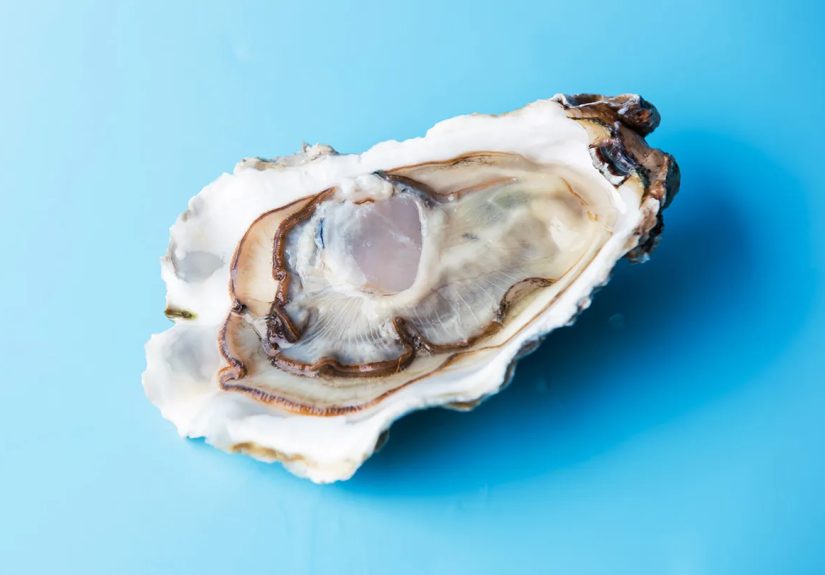
Oysters are bivalve mollusks, meaning they have two hinged shells and live in marine or brackish waters. They filter water as they feed, which is part of what makes them environmentally valuable. In coastal ecosystems, oysters can help improve water clarity and provide habitat for other marine life.
On the plate, oysters are prized for their flavor, which can range from clean and cucumber-like to buttery, metallic, sweet, or intensely salty. Their taste depends on species, location, water salinity, growing method, and season. That is why two oysters from different bays can taste like distant cousins who only meet at weddings.
Oyster Nutrition Facts
Oysters are small, but nutritionally, they arrive wearing a superhero cape. A typical 3-ounce serving of raw oysters contains roughly 50 to 70 calories, about 5 to 8 grams of protein, modest fat, and very little carbohydrate. Exact values vary by species and preparation method.
Key Nutrients in Oysters
Zinc: Oysters are famously rich in zinc. Zinc supports immune function, wound healing, DNA synthesis, normal growth, taste, smell, and reproductive health. A single serving can provide more than a full day’s worth of zinc.
Vitamin B12: Oysters are an excellent source of vitamin B12, a nutrient needed for red blood cell formation, nerve function, and energy metabolism. People who eat little or no animal food are more likely to need careful B12 planning.
Selenium: Selenium supports antioxidant defenses and thyroid function. Oysters provide a useful amount without requiring you to eat a mountain of seafood.
Copper: Copper helps the body use iron and supports connective tissue, energy production, and nervous system function. Oysters are particularly rich in this trace mineral.
Iron: Oysters provide heme iron, the form found in animal foods that the body generally absorbs well. Iron is important for oxygen transport and energy levels.
Omega-3 fatty acids: Oysters contain EPA and DHA, the marine omega-3 fats associated with heart, brain, and eye health. They are not always as omega-3-heavy as salmon or sardines, but they still contribute valuable fatty acids.
Health Benefits of Oysters
1. Oysters Support Immune Health
One reason oysters have a strong health reputation is their zinc content. Zinc plays a central role in immune cell development and function. Getting enough zinc helps the body respond normally to everyday immune challenges.
That does not mean oysters are a magic shield against colds, flu, or awkward small talk at holiday parties. But as part of a balanced diet, they can help fill an important nutrient gap.
2. They May Benefit Heart Health
Oysters contain omega-3 fatty acids, lean protein, and minerals while being relatively low in saturated fat. When seafood replaces heavily processed meats or high-saturated-fat foods, it can fit well into a heart-conscious eating pattern.
Omega-3 fats such as EPA and DHA are linked with cardiovascular support, including healthy triglyceride levels and normal inflammatory responses. For the best results, think of oysters as one smart seafood option among many, not the only star of the menu.
3. Oysters Help Support Brain and Nerve Function
Vitamin B12, omega-3 fats, iron, and zinc all play roles in brain and nervous system health. B12 is especially important for maintaining healthy nerve cells and making DNA. A low B12 intake may contribute to fatigue, weakness, numbness, tingling, or memory-related symptoms in some people.
Oysters offer a concentrated source of B12, which makes them a useful food for people who enjoy seafood and want nutrient density without a giant portion.
4. They Provide High-Quality Protein
Protein helps build and repair tissues, maintain muscle, support immune function, and keep meals satisfying. Oysters are not as protein-dense as chicken breast or tuna, but they still provide complete protein with all essential amino acids.
Because they are relatively low in calories, oysters can fit into many eating patterns, including Mediterranean-style diets, high-protein meals, and lighter seafood dinners.
5. Oysters May Support Healthy Energy Levels
Fatigue has many causes, from poor sleep to medical conditions to the heroic decision to answer emails before coffee. Nutritionally, oysters provide several nutrients involved in energy metabolism, including B12, iron, copper, and protein.
For people who are low in these nutrients, improving intake may help support normal energy. However, fatigue that persists should be discussed with a healthcare professional rather than treated with a dozen oysters and optimism.
6. They Are a Low-Mercury Seafood Choice
Compared with large predatory fish such as swordfish, king mackerel, shark, and bigeye tuna, oysters are generally considered a lower-mercury seafood option. This makes them appealing for people who want seafood nutrients while limiting mercury exposure.
Pregnant and breastfeeding people are commonly advised to choose a variety of lower-mercury seafood and avoid raw or undercooked shellfish. Cooked oysters may fit into that pattern for some people, but individual medical advice matters.
Risks and Side Effects of Eating Oysters
Raw Oysters Can Cause Foodborne Illness
The biggest oyster risk is not the texture. It is foodborne illness. Because oysters filter water, they can contain bacteria, viruses, and other contaminants from their environment. Raw oysters may look, smell, and taste perfectly normal while still carrying harmful pathogens.
One major concern is Vibrio bacteria, especially Vibrio vulnificus. Many infections cause diarrhea, vomiting, and stomach cramps, but severe cases can become life-threatening. People with liver disease, weakened immune systems, diabetes, cancer, HIV, iron overload disorders, or other serious medical conditions face higher risk.
Norovirus is another concern linked to raw shellfish. It can cause vomiting, diarrhea, nausea, stomach pain, fever, headache, and body aches. Cooking oysters properly greatly reduces these risks.
Shellfish Allergy Is Serious
Oysters are shellfish, and shellfish allergy can be severe. Symptoms may include hives, swelling, wheezing, stomach distress, dizziness, or anaphylaxis. Anyone with a known shellfish allergy should avoid oysters unless a qualified allergist advises otherwise.
Too Much Zinc Can Be a Problem
Oysters are so high in zinc that eating large amounts often could push intake above the tolerable upper limit. Excess zinc may cause nausea, stomach upset, reduced copper absorption, and immune changes over time.
For most healthy adults, occasionally enjoying oysters is not a concern. The issue is turning “oyster night” into “oyster every day forever,” which is both nutritionally unnecessary and expensive enough to make your wallet file a complaint.
Sodium Can Add Up
Fresh oysters naturally contain sodium, and smoked, canned, or restaurant-prepared oysters may contain even more. People managing high blood pressure, kidney disease, or sodium-sensitive conditions should pay attention to portion size and preparation style.
Pregnancy Requires Extra Caution
Pregnant people should avoid raw oysters because foodborne illness can be more dangerous during pregnancy. Fully cooked oysters are a safer option, but they should come from reputable sources and be handled carefully.
How to Choose Fresh Oysters
Good oysters begin before cooking. Whether buying from a seafood counter, fish market, or grocery store, choose oysters from a reputable seller that follows proper refrigeration and shellfish safety rules.
Shopping Tips
Look for oysters stored cold, ideally on clean ice or in a refrigerated case. Shells should be closed or should close when tapped. Avoid oysters with cracked shells, unpleasant odors, or shells that remain open. Fresh oysters should smell like the oceannot like a gym sock that made poor life choices.
If buying live oysters, ask about harvest tags or source information. Reputable sellers should know where their oysters came from and when they were harvested.
How to Store Oysters Safely
Live oysters need to breathe, so do not seal them in an airtight plastic bag. Store them in the refrigerator, cup-side down, covered with a damp towel. Keep them cold, ideally at 40°F or below.
Do not store live oysters in fresh water, because it can kill them and affect quality. Use them as soon as possible for best flavor and safety. Shucked oysters should stay refrigerated and be used by the date on the container.
How to Prepare Oysters
Raw Oysters
Raw oysters are popular, but they are never risk-free. If you choose to eat them raw, buy from a trustworthy source, keep them cold, and eat them soon after purchase. Add lemon, mignonette, cocktail sauce, or hot sauce if you like, but remember: acid and hot sauce do not reliably kill dangerous bacteria.
Steamed Oysters
Steaming is simple and helps preserve oyster flavor. Scrub the shells, place oysters in a steamer basket, cover, and steam until the shells open. Discard any oysters that do not open after cooking.
Grilled Oysters
Grilled oysters are excellent for people who find raw oysters intimidating. Place cleaned oysters cup-side down on a hot grill. Once they open, carefully remove the top shell and add a small amount of garlic butter, herbs, or lemon. Cook until the oyster is hot and firm.
Baked Oysters
Baked oysters can be topped with breadcrumbs, spinach, Parmesan, garlic, herbs, or a light drizzle of olive oil. Bake until the topping is golden and the oyster is fully cooked. This is a friendly gateway dish for guests who are suspicious of anything served on a half shell.
Fried Oysters
Fried oysters are crisp, savory, and delicious, though obviously less light than steamed or grilled versions. Use them as an occasional treat in po’ boys, salads, or appetizer plates. Pair with slaw or a bright vinegar-based sauce to balance the richness.
Food Safety Tips for Cooking Oysters
Cook oysters until their shells open, and discard any that stay closed. For shucked oysters, cook until the edges curl and the oysters are firm and opaque. Seafood is generally recommended to reach an internal temperature of 145°F.
Use separate cutting boards and utensils for raw seafood and ready-to-eat foods. Wash hands, knives, counters, and plates after handling raw oysters. Keep cold oysters cold and hot oysters hot. Do not leave seafood at room temperature for more than two hours, or more than one hour in hot outdoor conditions.
Easy Ways to Add Oysters to Meals
Oysters do not have to be reserved for fancy restaurants with white tablecloths and waiters who know how to pronounce “mignonette” without blinking. Try them in approachable meals:
- Oyster stew: A creamy, comforting dish with milk, herbs, onions, and cooked oysters.
- Grilled oysters with garlic butter: Simple, smoky, and beginner-friendly.
- Oyster po’ boy: Fried oysters tucked into bread with lettuce, tomato, pickles, and remoulade.
- Baked oysters with spinach: A lighter take inspired by classic oysters Rockefeller.
- Seafood pasta: Add cooked oysters near the end so they do not become rubbery.
- Oyster stuffing: A traditional holiday dish in many coastal American homes.
Who Should Avoid Raw Oysters?
Raw oysters are not recommended for pregnant people, young children, older adults, people with liver disease, people with weakened immune systems, and anyone with serious chronic medical conditions that increase infection risk. People taking medications that reduce stomach acid may also want to be cautious, because stomach acid helps defend against certain pathogens.
For these groups, cooked oysters are the safer choice. When in doubt, ask a healthcare professional. No appetizer is worth a medical emergency, no matter how charmingly it is served on crushed ice.
Are Oysters Good for Weight Loss?
Oysters can fit into a weight-loss-friendly diet because they are low in calories, provide protein, and deliver strong flavor. Protein helps with satiety, and flavorful foods can make meals feel satisfying without requiring huge portions.
Preparation matters. Raw, steamed, grilled, or baked oysters are generally lighter choices. Fried oysters, creamy oyster stew, and buttery baked oysters can still be enjoyed, but they bring more calories, saturated fat, and sodium.
Are Canned or Smoked Oysters Healthy?
Canned and smoked oysters can be nutritious and convenient. They often provide protein, minerals, and omega-3 fats. However, they may be higher in sodium, and smoked varieties packed in oil can be more calorie-dense.
Check labels for sodium, added oils, and serving size. If you use canned oysters, try them on whole-grain toast, in pasta, with crackers, or folded into a seafood dip. They are budget-friendly compared with fresh oysters and require much less shucking bravery.
Oyster Myths Worth Ignoring
Myth: Hot Sauce Makes Raw Oysters Safe
Hot sauce makes oysters spicy. It does not make them pathogen-free. Lemon juice, vinegar, alcohol, and cocktail sauce also do not reliably kill harmful bacteria or viruses.
Myth: You Can Tell a Bad Oyster by Smell Alone
A truly spoiled oyster may smell awful, but contaminated oysters can smell normal. Food safety depends on proper harvesting, storage, handling, and cookingnot just your nose.
Myth: Oysters Are Only for Fancy Occasions
Oysters can be elegant, but they can also be casual. Grilled oysters at a backyard cookout, canned oysters on toast, or oyster stew on a chilly night all count. The oyster does not require a tuxedo.
Practical Experiences: What Eating and Preparing Oysters Teaches You
Anyone who has spent time around oysters quickly learns that they are less mysterious than they look. The first lesson is that freshness changes everything. A fresh oyster tastes clean, cold, and briny, like the ocean decided to send a postcard. A poor-quality oyster, on the other hand, can ruin the mood faster than a phone ringing during a wedding vow. This is why experienced oyster lovers care so much about where oysters come from, how they are stored, and how quickly they are served.
The second lesson is that oysters are easiest to enjoy when you start with cooked preparations. Many people think they dislike oysters because their first experience was a raw oyster they were pressured to swallow at a loud restaurant while everyone watched. That is not dinner; that is social theater. Grilled oysters with garlic butter, baked oysters with herbs, or a warm oyster stew can be much more welcoming. Cooking firms the texture, softens the briny edge, and reduces food-safety risk.
Shucking oysters also teaches respect. The shell looks simple, but opening it requires patience, a proper oyster knife, and a towel or glove to protect your hand. The goal is to find the hinge, twist gently, and slide the knife along the top shell to release the muscle. Rushing is how people learn that oysters have excellent defense systems. A calm approach works better than brute force.
Flavor pairing is another helpful experience. Oysters do not need much. Lemon brightens them. Mignonette adds sharpness. Horseradish brings heat. A little butter and garlic make grilled oysters taste rich without burying their natural flavor. The best toppings complement oysters rather than disguise them. If you need half a bottle of sauce to tolerate one oyster, it may not be your favorite foodand that is perfectly legal.
Serving size matters too. Oysters are nutrient-rich, especially in zinc and copper, so they are best enjoyed as part of a varied seafood pattern rather than eaten excessively. A half dozen oysters can be a satisfying appetizer. A dozen can work as a meal for some people. Eating them every day is unnecessary, and for certain nutrients, more is not always better.
Finally, oysters teach the value of context. They are at their best when handled safely, served cold or cooked properly, and enjoyed with people who understand that food can be both nourishing and fun. Oysters may look fancy, but the real pleasure is simple: fresh seafood, good preparation, and a little confidence. Once you know how to choose, store, cook, and serve them, oysters become less intimidating and much more rewarding.
Conclusion
Oysters are among the most nutrient-dense seafood options you can eat. They provide zinc, vitamin B12, selenium, copper, iron, protein, and omega-3 fats in a compact, flavorful package. Their potential benefits include support for immune health, heart health, brain function, energy metabolism, and healthy blood cells.
Still, oysters deserve respect. Raw oysters can carry bacteria and viruses that cause serious illness, especially in vulnerable people. The safest way to enjoy oysters is to buy them from reputable sources, store them cold, handle them carefully, and cook them properly. Whether grilled, steamed, baked, stewed, or enjoyed occasionally raw by healthy adults who accept the risk, oysters can be a delicious part of a balanced diet.






 Close
Close