Table of Contents >> Show >> Hide
- What Is Parm e Pepe Spaghetti?
- Why You’ll Love This Parm e Pepe Spaghetti Recipe
- Ingredients for Parm e Pepe Spaghetti
- The Best Cheese for Parm e Pepe
- How to Make Parm e Pepe Spaghetti
- Tips for a Creamy, Clump-Free Sauce
- Common Mistakes to Avoid
- Recipe Variations
- What to Serve with Parm e Pepe Spaghetti
- How to Store and Reheat Leftovers
- Parm e Pepe Spaghetti Recipe Card
- Personal Kitchen Experiences with Parm e Pepe Spaghetti
- Conclusion
Some pasta recipes arrive wearing a chef’s jacket and demanding three pans, a thermometer, and emotional commitment. Parm e Pepe Spaghetti walks in with spaghetti, Parmesan, black pepper, and a tiny wink. It is simple, fast, elegant, and just dramatic enough to make dinner feel like you did something impressiveeven if your kitchen counter currently has one clean fork and a suspiciously empty snack bag.
This recipe is inspired by the beloved Roman dish cacio e pepe, which traditionally means “cheese and pepper” and is usually made with Pecorino Romano. Parm e Pepe takes the same silky, peppery idea and leans into Parmesan-style flavor: nutty, savory, salty, and mellow. The goal is not to bury pasta under a heavy sauce. The goal is to create a glossy coating that clings to each strand like it signed a long-term lease.
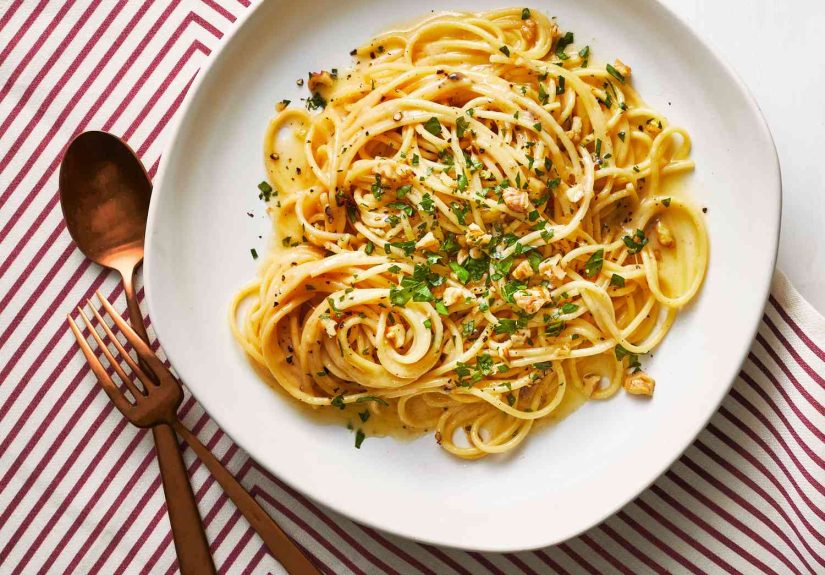
The magic is in the technique. Pasta water provides starch, Parmesan brings depth, and freshly cracked black pepper adds warm spice. When these ingredients are tossed together properly, they form a creamy sauce without cream. That is the beautiful little kitchen trick: humble ingredients, fancy results, zero need to introduce a carton of heavy cream to the situation.
What Is Parm e Pepe Spaghetti?
Parm e Pepe Spaghetti is a Parmesan-forward cheese and black pepper pasta made with spaghetti, finely grated Parmesan cheese, toasted pepper, butter or olive oil, and reserved starchy pasta water. It is close in spirit to cacio e pepe, but it swaps the sharper sheep’s milk bite of Pecorino Romano for the rounder, nuttier character of Parmesan.
The name is simple: “Parm” for Parmesan and “pepe” for pepper. It is the kind of recipe that proves a short ingredient list does not mean boring food. In fact, the shorter the list, the more each ingredient matters. Use good pasta, grate the cheese yourself, crack the pepper fresh, and the dish rewards you with a silky bowl of comfort that tastes like it came from a tiny neighborhood trattoria with excellent lighting.
Why You’ll Love This Parm e Pepe Spaghetti Recipe
It is fast enough for a weeknight
From boiling the pasta to twirling it onto plates, this recipe can be ready in about 20 minutes. That makes it ideal for busy nights, late lunches, or those mysterious evenings when everyone suddenly becomes hungry at the exact same time.
It uses pantry-friendly ingredients
You need spaghetti, Parmesan, black pepper, salt, and a little fat such as butter or olive oil. That is it. No treasure hunt through specialty aisles. No ingredient that sounds like it requires a passport.
It feels restaurant-worthy
When the sauce emulsifies correctly, the pasta turns glossy, creamy, and beautifully pepper-speckled. It looks refined, tastes rich, and still comes from ingredients you probably already know and love.
Ingredients for Parm e Pepe Spaghetti
- 12 ounces spaghetti: Traditional long pasta works beautifully because the sauce can cling to every strand.
- 1 1/4 cups finely grated Parmesan cheese: Freshly grated is strongly recommended. Pre-shredded cheese often contains anti-caking agents that can make the sauce clumpy.
- 1 1/2 teaspoons freshly cracked black pepper: Use more if you like a bold pepper kick.
- 2 tablespoons unsalted butter: Helps round out the sauce and makes the texture a little more forgiving.
- 1 tablespoon extra-virgin olive oil: Adds aroma and helps bloom the pepper.
- Kosher salt: For seasoning the pasta water and balancing the final dish.
- 1 to 1 1/2 cups reserved pasta water: The starchy secret weapon that turns cheese into sauce.
The Best Cheese for Parm e Pepe
For this recipe, use a quality Parmesan or Parmigiano-Reggiano-style cheese and grate it very finely. The finer the cheese, the easier it melts into the pasta water. Think fluffy snow, not chunky gravel. A rasp grater or the smallest holes of a box grater work well.
Parmesan gives the dish a nutty, savory flavor with a slightly sweet finish. If you want a sharper, saltier profile, replace up to half of the Parmesan with Pecorino Romano. That hybrid version gives you the best of both worlds: Parmesan’s roundness and Pecorino’s classic peppery punch.
How to Make Parm e Pepe Spaghetti
Step 1: Boil the pasta in less water than usual
Bring a large pot of water to a boil and salt it lightly. For this recipe, do not use an ocean-sized amount of water. A slightly smaller amount of water becomes starchier as the pasta cooks, and starchy water is what helps the sauce turn creamy. Add the spaghetti and cook until just al dente, usually about 1 minute less than the package suggests.
Step 2: Reserve the pasta water
Before draining anything, scoop out at least 1 1/2 cups of pasta water. This is not optional. It is the sauce’s backstage manager. Without it, the cheese may clump, the noodles may dry out, and your dinner may develop trust issues.
Step 3: Toast the black pepper
While the pasta cooks, heat olive oil and butter in a large skillet over medium-low heat. Add the freshly cracked black pepper and let it warm for about 30 to 60 seconds, just until fragrant. Toasting the pepper wakes up its oils and gives the dish a deeper, warmer flavor. Do not burn it; bitter pepper is nobody’s dinner guest of honor.
Step 4: Add pasta water to the skillet
Add about 1/2 cup of reserved pasta water to the skillet with the pepper. Stir to combine. The mixture may look simple at this stage, but stay calm. This is where the sauce begins building its foundation.
Step 5: Toss in the spaghetti
Transfer the al dente spaghetti directly into the skillet. Toss it well so the noodles absorb the peppery liquid. If the skillet seems dry, add another splash of pasta water. The pasta should look glossy and loose, not sticky.
Step 6: Add the Parmesan off heat
Turn off the heat. Let the pan cool for a brief moment, then sprinkle in the finely grated Parmesan gradually while tossing constantly with tongs. Add more pasta water, a tablespoon or two at a time, until the cheese melts into a smooth sauce. The key is movement. Toss, swirl, lift, and fold until the spaghetti looks creamy and lightly coated.
Step 7: Taste and serve immediately
Taste the pasta before adding extra salt because Parmesan is naturally salty. Finish with more cracked black pepper and a final dusting of Parmesan. Serve right away while the sauce is glossy and warm.
Tips for a Creamy, Clump-Free Sauce
Grate the cheese yourself
This is the biggest rule. Pre-grated Parmesan may be convenient, but it often refuses to melt smoothly. Freshly grated cheese gives the sauce a better chance to become silky instead of grainy.
Use warm, not scorching, pasta water
If the pan is too hot when you add the cheese, the proteins can tighten and clump. Remove the skillet from heat before adding Parmesan. Warm pasta and hot pasta water provide enough heat to melt the cheese gently.
Add cheese gradually
Do not dump all the Parmesan into the skillet at once like you are making it rain at a dairy parade. Sprinkle it in stages and toss constantly. This gives the cheese time to melt evenly.
Keep pasta water nearby
The sauce thickens as it sits. A splash of pasta water loosens it quickly and brings back that glossy finish. Add small amounts at a time so the sauce stays creamy instead of watery.
Common Mistakes to Avoid
Using too much heat
High heat is the fastest road to clumpy cheese. Parm e Pepe is not a stir-fry. Once the pasta meets the cheese, gentle heat and steady tossing are your best friends.
Skipping the pepper toast
Raw pepper tastes sharp. Toasted pepper tastes warm, fragrant, and rounded. That quick 30-second step makes the difference between “nice pasta” and “why is this so good?”
Over-salting the pasta water
Because Parmesan is salty, the pasta water should be seasoned but not aggressively salty. If the water tastes like the sea and the cheese adds more salt, the finished pasta may taste like it just got back from a beach vacation and forgot to rinse off.
Letting the pasta sit too long
This dish is best served immediately. As it cools, the sauce tightens. If that happens, revive it with a small splash of warm pasta water and a quick toss.
Recipe Variations
Parm e Pepe with Pecorino
For a sharper flavor, use half Parmesan and half Pecorino Romano. This version tastes closer to classic cacio e pepe while keeping the nutty character of Parmesan.
Lemon Parm e Pepe
Add a little lemon zest at the end for brightness. Do not add too much juice, or the sauce may become thinner than intended. Zest gives you fragrance without throwing the texture off balance.
Garlic Parm e Pepe
Traditional cheese-and-pepper pasta does not need garlic, but a small grated clove warmed briefly in the butter can be delicious. Keep it subtle so it does not steal the spotlight from the pepper.
Extra creamy Parm e Pepe
Add one additional tablespoon of butter if you want a softer, richer sauce. This is not strictly traditional, but it is friendly, forgiving, and very welcome on a chilly evening.
What to Serve with Parm e Pepe Spaghetti
Because this pasta is rich and peppery, pair it with something crisp or fresh. A simple green salad with lemon vinaigrette works beautifully. Roasted asparagus, sautéed spinach, or broccolini also balance the cheese with a little vegetable dignity. Garlic bread is technically extra, but emotionally, it makes sense.
For a family-style dinner, serve Parm e Pepe with roasted chicken, grilled vegetables, or a tomato cucumber salad. For a lighter meal, enjoy it alone with a sparkling water and a proud little nod to yourself. You made dinner from almost nothing, and it tastes like something.
How to Store and Reheat Leftovers
Parm e Pepe Spaghetti is best fresh, but leftovers can still be saved. Store cooled pasta in an airtight container in the refrigerator for up to 3 days. When reheating, add a splash of water to a skillet and warm the pasta gently over low heat, tossing until loosened. Avoid microwaving it until dry, unless your goal is to create a pasta brick suitable for minor home repairs.
If the sauce separates slightly after refrigeration, do not panic. Add a little warm water, toss slowly, and finish with a small sprinkle of fresh Parmesan. The texture may not be exactly as glossy as day one, but it will still be tasty.
Parm e Pepe Spaghetti Recipe Card
Prep Time
10 minutes
Cook Time
12 minutes
Total Time
22 minutes
Servings
4 servings
Ingredients
- 12 ounces spaghetti
- 1 1/4 cups finely grated Parmesan cheese, plus more for serving
- 1 1/2 teaspoons freshly cracked black pepper, plus more to taste
- 2 tablespoons unsalted butter
- 1 tablespoon extra-virgin olive oil
- Kosher salt, to taste
- 1 to 1 1/2 cups reserved starchy pasta water
Instructions
- Bring a pot of lightly salted water to a boil. Add spaghetti and cook until just al dente.
- Reserve at least 1 1/2 cups of pasta water before draining or transferring the pasta.
- In a large skillet, heat olive oil and butter over medium-low heat. Add black pepper and toast for 30 to 60 seconds.
- Add 1/2 cup pasta water to the skillet and stir to combine.
- Add cooked spaghetti and toss until coated in the peppery liquid.
- Turn off the heat. Gradually add Parmesan while tossing constantly.
- Add more pasta water as needed until the sauce becomes smooth, glossy, and creamy.
- Taste, adjust seasoning, and serve immediately with extra Parmesan and black pepper.
Personal Kitchen Experiences with Parm e Pepe Spaghetti
Parm e Pepe Spaghetti is one of those recipes that teaches you more each time you make it. The first time, you may think, “How hard can pasta, cheese, and pepper be?” Then the cheese clumps, the noodles seize up, and the skillet looks like it is trying to make modern art. That is normal. This dish is simple, but it is not mindless. It asks for attention in the same way toast asks not to be forgotten for one extra minute.
One of the most useful experiences with this recipe is learning how pasta water behaves. At first, it looks like cloudy water you might normally send straight down the drain. But in Parm e Pepe, that cloudy water is liquid gold. The starch helps the cheese and fat come together into a sauce. Once you see a dry-looking pan transform into glossy spaghetti with just two spoonfuls of pasta water, you start respecting that little measuring cup by the stove.
Another lesson is patience with cheese. Parmesan does not like being bullied. If the pan is too hot or the cheese is added too quickly, it clumps. But when the heat is off, the pasta is warm, and the cheese is sprinkled in slowly, everything changes. The sauce becomes smooth. The noodles shine. You suddenly feel like a person who owns linen napkins, even if you are eating in a hoodie.
Fresh pepper also changes the experience. Pre-ground pepper can work in an emergency, but freshly cracked black pepper gives the dish a deeper aroma and a livelier bite. Toasting it in butter and olive oil makes the kitchen smell cozy almost immediately. It is a small step, but it turns the pepper from background seasoning into the main character.
This recipe is especially satisfying because it fits real life. It is perfect when the fridge looks empty, when guests arrive unexpectedly, or when you want comfort food without a long cleanup. It also scales well. Cooking for one? Use a small handful of spaghetti and a generous snowstorm of Parmesan. Cooking for four? Use the full recipe and toss with confidence. Cooking for someone you want to impress? Plate it in warm bowls and add a dramatic final crack of pepper. Works every time.
The best experience comes from serving it immediately. Parm e Pepe is not a pasta that wants to wait around while everyone debates what to watch. It wants bowls ready, forks ready, and people at the table. When eaten hot, the sauce is silky and the pepper blooms with each bite. The flavor is simple but layered: salty cheese, warm spice, gentle butteriness, and the satisfying chew of spaghetti.
After making it a few times, you will probably stop measuring every splash of pasta water. You will learn to watch the noodles instead. Too thick? Add water. Too loose? Toss longer. Needs more personality? Add pepper. That is when the recipe becomes yours. Parm e Pepe Spaghetti starts as instructions, then becomes instinctand that is the fun part.
Conclusion
Parm e Pepe Spaghetti proves that a great pasta recipe does not need a long shopping list or complicated sauce. With spaghetti, Parmesan, black pepper, butter, olive oil, and starchy pasta water, you can create a creamy, glossy, deeply satisfying dish in about 20 minutes. The secret is technique: grate the cheese finely, toast the pepper, save the pasta water, and toss everything gently off heat.
This recipe is cozy enough for a weeknight but polished enough for company. It is simple, flexible, and wonderfully flavorful. Best of all, it teaches one of the most useful pasta skills you can learn: how to turn pasta water and cheese into a real sauce. Once you master that, your future dinners become much more interestingand possibly a little smug, in the best way.
Note: This Parm e Pepe Spaghetti recipe is inspired by classic cheese-and-pepper pasta techniques, but it is intentionally Parmesan-forward rather than a strict traditional Roman cacio e pepe.