
Table of Contents >> Show >> Hide
- What Is a Whole-Foods, Plant-Based Diet?
- Whole-Foods Plant-Based vs. Vegan: What’s the Difference?
- Potential Health Benefits of a Whole-Foods, Plant-Based Diet
- Foods to Eat Often
- Foods to Limit
- Important Nutrients Beginners Should Know
- How to Start a Whole-Foods, Plant-Based Diet
- A Simple One-Day Whole-Foods, Plant-Based Meal Plan
- Beginner Grocery List
- Common Mistakes to Avoid
- Real-Life Experiences: What Beginners Usually Notice
- Conclusion
Starting a whole-foods, plant-based diet can feel like being dropped into the produce aisle with a reusable tote, a hopeful smile, and absolutely no idea what to do with a rutabaga. The good news? You do not need to become a nutrition professor, a gourmet chef, or the kind of person who casually says, “I soaked my lentils overnight,” to begin.
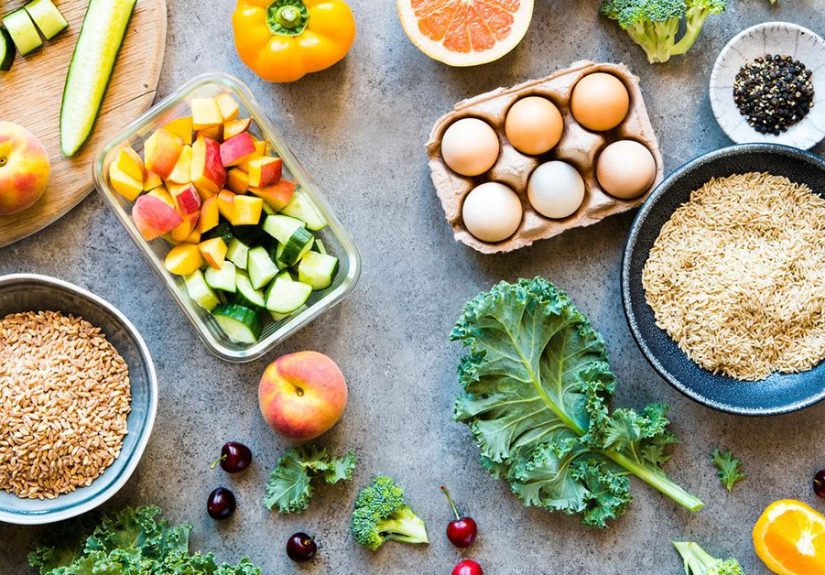
A whole-foods, plant-based diet is simply an eating pattern built around foods that come mostly from plants and stay close to their natural form. Think vegetables, fruits, beans, lentils, peas, whole grains, potatoes, nuts, seeds, herbs, and spices. The “whole-foods” part matters because this lifestyle is not just about swapping a beef burger for a highly processed plant-based patty every night. It is about filling your plate with foods that still look like food, not like they were assembled in a laboratory by someone wearing goggles.
For beginners, the goal is not perfection. It is progress. Whether you want to improve heart health, support digestion, manage weight, reduce your intake of ultra-processed foods, or simply eat more colorful meals, a whole-foods, plant-based approach can be practical, satisfying, and surprisingly delicious.
What Is a Whole-Foods, Plant-Based Diet?
A whole-foods, plant-based diet, often shortened to WFPB, focuses on minimally processed plant foods. It usually emphasizes:
- Vegetables, including leafy greens, cruciferous vegetables, root vegetables, and colorful seasonal produce
- Fruits, especially whole fruits rather than juices
- Legumes such as beans, lentils, chickpeas, split peas, and soy foods like tofu, tempeh, and edamame
- Whole grains such as oats, brown rice, quinoa, barley, farro, bulgur, and whole-wheat pasta
- Nuts and seeds, including walnuts, almonds, chia seeds, flaxseeds, hemp seeds, and pumpkin seeds
- Herbs, spices, vinegar, citrus, and other flavor boosters
Some people follow a completely vegan version and avoid all animal products. Others take a plant-forward approach, making whole plant foods the center of most meals while occasionally including small amounts of fish, eggs, dairy, or meat. The key idea is that plants are not the sad side dish hiding under a piece of chicken. Plants are the main event.
Whole-Foods Plant-Based vs. Vegan: What’s the Difference?
The words “plant-based” and “vegan” are often used as if they mean the same thing, but they are not identical. Veganism typically avoids all animal products, often for ethical, environmental, or personal reasons. A vegan diet can include plenty of whole foods, but it can also include vegan cookies, chips, sugary cereals, frozen pizzas, and imitation meats.
A whole-foods, plant-based diet is more focused on food quality. It asks: Is this food mostly intact? Is it nutrient-dense? Does it bring fiber, vitamins, minerals, antioxidants, or healthy fats to the party? A bowl of lentil soup with vegetables and barley is WFPB. A stack of vegan cupcakes is vegan, but let’s not pretend frosting suddenly became a leafy green.
Potential Health Benefits of a Whole-Foods, Plant-Based Diet
1. It May Support Heart Health
Plant-based eating patterns are often naturally rich in fiber and lower in saturated fat when they replace processed meats, full-fat dairy, and fried foods. Foods such as oats, beans, lentils, nuts, fruits, and vegetables can support healthier cholesterol levels and blood pressure as part of an overall balanced lifestyle. Your heart, which has been working unpaid overtime since before you were born, appreciates the upgrade.
2. It Can Help With Weight Management
Whole plant foods tend to be high in fiber and water, which means they can help you feel full without requiring giant portions of calorie-dense foods. A big bowl of bean chili, roasted vegetables, and brown rice can be deeply satisfying while providing nutrients your body actually knows what to do with.
This does not mean weight loss is automatic. You can still overdo calorie-dense foods like nut butters, oils, dried fruits, and vegan desserts. But for many beginners, replacing ultra-processed meals with fiber-rich whole foods makes appetite easier to manage.
3. It Supports Better Digestion
Fiber is one of the major stars of a whole-foods, plant-based diet. Beans, lentils, fruits, vegetables, whole grains, nuts, and seeds feed beneficial gut bacteria and help support regular digestion. However, if your current diet is low in fiber, do not go from zero to “three-bean chili marathon” overnight. Your digestive system may file a formal complaint.
Increase fiber gradually, drink enough water, and give your gut time to adjust. Beans become friendlier with practice, soaking, rinsing, and proper cooking.
4. It May Help Support Blood Sugar Balance
Whole grains, legumes, vegetables, and fruits contain fiber and complex carbohydrates that digest more slowly than refined carbohydrates. For many people, this can help support steadier energy and fewer dramatic snack emergencies. Pairing carbohydrates with protein and healthy fats, such as oatmeal with berries and ground flaxseed, can also make meals more balanced.
5. It Encourages a More Nutrient-Dense Plate
A well-planned whole-foods, plant-based diet can provide plenty of vitamins, minerals, antioxidants, and phytonutrients. The more colors you eat, the more variety you usually get. Orange sweet potatoes, red peppers, blueberries, kale, black beans, purple cabbage, and golden squash are basically nature’s version of a multivitamin aisle, minus the plastic bottles.
Foods to Eat Often
Vegetables
Build meals around vegetables you actually enjoy. Broccoli, spinach, carrots, zucchini, mushrooms, tomatoes, onions, bell peppers, cabbage, cauliflower, asparagus, and leafy greens are all excellent choices. Frozen vegetables count, and they are often cheaper, convenient, and already chopped. That is not laziness; that is strategy.
Fruits
Whole fruits make great snacks, breakfast additions, and naturally sweet desserts. Apples, berries, oranges, bananas, grapes, peaches, pears, pineapple, and melons all fit. Choose whole fruit more often than juice because whole fruit contains fiber that helps slow digestion.
Legumes
Beans and lentils are the budget-friendly superheroes of plant-based eating. Black beans, pinto beans, chickpeas, kidney beans, navy beans, lentils, and split peas are packed with fiber, protein, iron, and minerals. Canned beans are perfectly acceptable. Rinse them to reduce sodium and proceed proudly.
Whole Grains
Whole grains provide energy, fiber, and important nutrients. Beginner-friendly options include oats, brown rice, quinoa, whole-grain bread, whole-wheat pasta, barley, and corn tortillas. Batch-cook grains once or twice a week so meals come together faster than your decision to order takeout.
Nuts and Seeds
Nuts and seeds add healthy fats, texture, and flavor. Ground flaxseed, chia seeds, walnuts, hemp seeds, pumpkin seeds, almonds, and cashews can fit into breakfasts, salads, grain bowls, and sauces. Because they are calorie-dense, a small handful or spoonful often goes a long way.
Foods to Limit
A whole-foods, plant-based diet does not require you to live like a monk who fears birthday cake. But it does encourage limiting foods that are heavily processed or low in nutrients, including:
- Refined grains such as white bread, pastries, and many packaged snack foods
- Sugary drinks, candy, and desserts as daily staples
- Highly processed vegan meats and cheeses
- Fried foods
- Excess added oils, depending on your goals and preferences
- Processed meats and large portions of high-saturated-fat animal products if you include animal foods
The point is not to panic over one cookie. The point is to make your everyday pattern more nourishing than chaotic.
Important Nutrients Beginners Should Know
Vitamin B12
Vitamin B12 is essential for nerve function and red blood cell formation. It is not reliably found in unfortified plant foods, so people eating fully vegan or mostly vegan diets should use fortified foods or a B12 supplement. This is not optional wellness glitter; it is basic nutrition maintenance.
Protein
Protein is usually easier to get than beginners fear. Beans, lentils, tofu, tempeh, edamame, soy milk, peas, nuts, seeds, quinoa, and whole grains all contribute protein. Aim to include a protein-rich plant food at most meals.
Iron
Plant foods such as lentils, beans, tofu, pumpkin seeds, spinach, and fortified grains contain non-heme iron. Pairing these foods with vitamin C-rich foods, such as citrus, strawberries, bell peppers, or tomatoes, can help improve absorption.
Calcium and Vitamin D
Calcium can come from fortified plant milks, calcium-set tofu, kale, bok choy, collards, almonds, tahini, and fortified foods. Vitamin D can be harder to get from food alone, especially in winter or for people with limited sun exposure, so some people may need fortified foods or supplements.
Omega-3 Fats
Chia seeds, ground flaxseed, walnuts, and hemp seeds provide ALA, a plant-based omega-3 fat. Some people may also consider an algae-based DHA/EPA supplement, especially during pregnancy, breastfeeding, or when recommended by a healthcare professional.
How to Start a Whole-Foods, Plant-Based Diet
Step 1: Start With One Meal
You do not need to renovate your entire kitchen by Monday. Start with one plant-based meal per day or a few plant-based dinners per week. Breakfast is often easiest: oatmeal with berries, chia seeds, and peanut butter is simple, filling, and requires no culinary degree.
Step 2: Use the Plate Method
A beginner-friendly plate might look like this: half vegetables or fruit, one-quarter whole grains or starchy vegetables, and one-quarter legumes or another plant protein. Add a small amount of nuts, seeds, avocado, or tahini for healthy fats and flavor.
Step 3: Build Around Familiar Foods
Love tacos? Make them with black beans, roasted sweet potatoes, salsa, avocado, lettuce, and corn tortillas. Enjoy pasta? Try whole-wheat pasta with marinara, lentils, mushrooms, spinach, and basil. Crave comfort food? Make chili with beans, tomatoes, corn, peppers, onions, and smoky spices.
Step 4: Batch-Cook the Basics
Cook a pot of grains, roast a tray of vegetables, wash greens, and prepare a bean or lentil dish. With those basics ready, you can assemble bowls, wraps, soups, and salads quickly. Future-you will be grateful, possibly emotional.
Step 5: Upgrade Snacks
Keep easy snacks available: fruit with nut butter, hummus with carrots, roasted chickpeas, trail mix, whole-grain toast with avocado, or soy yogurt with berries. A good snack plan is the difference between “I feel great” and “I ate crackers over the sink at 10:37 p.m.”
A Simple One-Day Whole-Foods, Plant-Based Meal Plan
Breakfast
Oatmeal topped with blueberries, sliced banana, ground flaxseed, cinnamon, and a spoonful of almond butter.
Lunch
A grain bowl with brown rice, black beans, roasted peppers, corn, romaine, salsa, avocado, and lime.
Snack
Apple slices with peanut butter or hummus with cucumbers and carrots.
Dinner
Lentil vegetable soup with kale, tomatoes, carrots, celery, onions, garlic, herbs, and a side of whole-grain bread.
Dessert
Baked cinnamon apples or a small bowl of berries with chopped walnuts.
Beginner Grocery List
- Vegetables: spinach, kale, broccoli, carrots, peppers, onions, mushrooms, sweet potatoes
- Fruits: bananas, berries, apples, oranges, frozen mango
- Legumes: lentils, chickpeas, black beans, pinto beans, tofu, edamame
- Whole grains: oats, brown rice, quinoa, whole-wheat pasta, corn tortillas
- Nuts and seeds: walnuts, almonds, chia seeds, ground flaxseed, pumpkin seeds
- Flavor boosters: garlic, ginger, salsa, mustard, vinegar, lemon, lime, nutritional yeast, herbs, spices
- Fortified foods: fortified soy milk or other fortified plant milk, fortified cereal if desired
Common Mistakes to Avoid
Eating Too Little
Whole plant foods can be less calorie-dense than processed foods and many animal-based meals. If you feel tired, hungry, or snacky all day, you may need larger portions or more calorie-dense foods such as avocado, nuts, seeds, tofu, tempeh, or whole grains.
Forgetting Protein
A salad with lettuce, cucumber, and vibes is not a complete lunch. Add beans, lentils, tofu, tempeh, edamame, chickpeas, or a hearty grain to make meals satisfying.
Ignoring B12
If you avoid animal products, plan for vitamin B12. Fortified foods or supplements are simple, affordable, and important.
Trying to Be Perfect
Perfection is not required. In fact, perfection often ruins the fun. The best eating pattern is one you can actually repeat in real life, including busy weeks, family dinners, road trips, and days when your motivation has left the building.
Real-Life Experiences: What Beginners Usually Notice
Many people who try a whole-foods, plant-based diet are surprised by the first week. Not because they instantly transform into a glowing wellness influencer holding a smoothie in perfect lighting, but because the change feels both exciting and slightly awkward. The grocery cart looks different. The pantry starts collecting beans like tiny edible trophies. The first homemade lentil soup may taste amazing, or it may taste like someone whispered the word “seasoning” from another room. Both experiences are normal.
One common beginner experience is learning that flavor does not have to come from bacon, cheese, butter, or heavy sauces. It can come from roasted garlic, smoked paprika, cumin, curry powder, fresh herbs, lemon juice, balsamic vinegar, salsa, tahini, miso, mustard, or caramelized onions. The first time someone makes crispy roasted chickpeas or a creamy cashew sauce, there is often a small kitchen victory moment. Nobody needs to know you ate half the chickpeas straight from the pan. That is between you and the oven.
Another experience is realizing that meal planning matters. A whole-foods, plant-based diet is much easier when there is cooked rice in the fridge, canned beans in the pantry, frozen vegetables in the freezer, and a sauce ready to go. Without a plan, beginners may stare into the refrigerator and see only ingredients, not meals. With a plan, those same ingredients become burrito bowls, stir-fries, soups, salads, wraps, and loaded sweet potatoes.
Digestion is also part of the beginner journey. When fiber intake increases, the gut may need time to adapt. Some people feel better quickly, while others experience bloating at first. Starting with smaller portions of beans, choosing lentils or split peas, rinsing canned beans, drinking enough water, and increasing fiber gradually can help. Your gut is not being dramatic; it is meeting a lot of new roommates.
Social situations can be interesting too. Friends may ask, “So what do you even eat?” while standing next to a table full of chips, salsa, guacamole, fruit, salad, baked potatoes, and bread. A simple answer works best: “Mostly plants, but I’m not making it complicated.” Bringing a reliable dish to gatherings, checking restaurant menus ahead of time, and avoiding long nutrition speeches at dinner can keep things pleasant. Nobody wants a lecture with their appetizer.
The most encouraging experience is that many beginners start to build confidence. They learn three go-to breakfasts, five easy dinners, and a few emergency meals for tired nights. They discover that plant-based eating is not about deprivation; it is about adding more foods that make them feel good. Over time, the diet becomes less of a “challenge” and more of a routine. The beans stop looking intimidating. The spice rack gets promoted. The vegetables finally stop being decorative.
Conclusion
A whole-foods, plant-based diet is one of the most practical ways to eat more fiber, more color, and more nutrient-dense foods without turning meals into a punishment. For beginners, the smartest approach is simple: start small, focus on foods you already like, include plant protein at meals, plan for key nutrients like vitamin B12, and build habits you can repeat.
You do not need a perfect pantry, a perfect meal plan, or a perfect personality that never craves fries. You need a realistic starting point. Add beans to soup. Choose oatmeal for breakfast. Make vegetables taste good. Try tofu twice before declaring it “not your thing.” Keep fruit visible. Batch-cook something useful. Little by little, your plate can become more plant-powered, more satisfying, and much more interesting than another sad desk lunch.
Note: This article is for general educational purposes only and is not a substitute for personalized medical advice. People who are pregnant, breastfeeding, managing chronic health conditions, taking medications, or making major dietary changes should speak with a qualified healthcare professional or registered dietitian.






 Close
Close