
Table of Contents >> Show >> Hide
- What Is a Pelvic Fracture (and Why It Matters)?
- Pelvic Fracture Symptoms: What You Might Feel (or See)
- Emergency Warning Signs: When to Call 911 or Go to the ER
- How Doctors Diagnose a Pelvic Fracture
- Treatment Options: What Recovery Starts With
- Pelvic Fracture Recovery Time: Typical Healing Timelines
- Rehab and Physical Therapy: How You Actually Get Back to Life
- Common Complications (and How Teams Try to Prevent Them)
- Practical Tips for Healing (Without Turning Your Life Into a Spreadsheet)
- FAQ: Fast Answers to Common “Broken Pelvis” Questions
- Conclusion
- Real-World Experiences: What Recovery Often Feels Like (About 500+ Words)
Your pelvis is basically the body’s load-bearing “bridge” between your spine and your legs. So when it breaks,
your entire lower half tends to file a formal complaint. Pelvic fractures can range from a small crack that’s
painfully annoying (but stable) to serious injuries that need emergency care (and a whole medical team that moves
faster than your group chat when drama drops).
This guide covers what pelvic fracture symptoms look like, which signs should send you to the ER, what recovery
timelines typically look like, and how rehab usually unfoldswithout the doom-and-gloom, and without pretending
healing is a straight line.
What Is a Pelvic Fracture (and Why It Matters)?
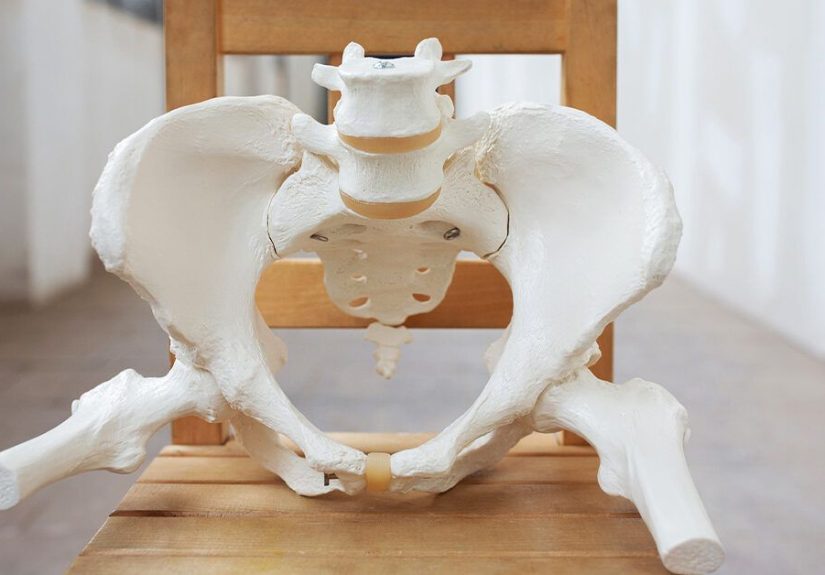
A pelvic fracture means one or more bones in the pelvis have cracked or broken. The pelvis isn’t just a “bone bowl”
it’s a ring-like structure near major blood vessels and important organs (like the bladder). That’s why some pelvic
fractures are treated like emergencies: the damage isn’t always just the bone.
Two big buckets: stable vs. unstable
-
Stable pelvic fractures: The pelvic ring stays mostly aligned. These are more likely with low-energy
falls, especially in older adults with weaker bones (like osteoporosis). Pain can still be intense, but the pelvis
isn’t “opening up.” -
Unstable pelvic fractures: The ring is disrupted and the pelvis may be less structurally secure.
These often happen after high-energy trauma (car crashes, major falls) and can involve significant bleeding and
other injuries.
Pelvic Fracture Symptoms: What You Might Feel (or See)
Pelvic fracture symptoms can show up fastespecially after a major accidentor sneak in as “wow, my groin hurts a lot”
after a seemingly minor fall. Common signs vary by the exact bone and the severity, but here are the usual suspects.
Most common symptoms
- Deep pain in the groin, hip, buttock, lower back, or pelvis (often worse when moving).
- Pain with walking, standing, rolling over in bed, or lifting a leg.
- Trouble bearing weight (limping, needing support, or being unable to stand).
- Swelling and bruising around the pelvis, hip, groin, or upper thighs.
- Tenderness when pressing over bony areas (though don’t “test” this aggressively).
Symptoms that suggest nerves or nearby structures are involved
- Numbness, tingling, or weakness in the legs, groin, or feet.
- Abdominal pain or a feeling of pelvic pressure.
- Urinary problemspain with urination, difficulty urinating, blood in urine, or leakage.
Can you still walk with a pelvic fracture?
Sometimes, yesespecially with certain stable fractures (like some pubic rami fractures). But walking can be
very painful, and “I can hobble” doesn’t rule out a fracture. If pain is severe, weight-bearing feels impossible,
or symptoms follow trauma, getting checked matters.
Emergency Warning Signs: When to Call 911 or Go to the ER
Not every pelvic fracture is life-threateningbut some can be. The trick is recognizing red flags that suggest
significant bleeding, shock, or organ injury. If any of the following happen after a fall, collision, or major hit,
treat it as urgent:
- Severe pelvic/abdominal pain plus dizziness, fainting, or confusion.
- Cold, clammy skin, rapid heartbeat, or feeling like you might pass out.
- Heavy bleeding from the rectum, vagina, or urethra, or blood in the urine after trauma.
- Inability to stand or move legs normally after injury.
- Shortness of breath, extreme weakness, or symptoms worsening quickly.
- New numbness in the groin/legs, or loss of control of bladder/bowels.
In plain English: if your body is acting like it’s in “system failure mode,” don’t wait for a next-day appointment.
Pelvic fracturesespecially unstable onesoften need immediate evaluation.
How Doctors Diagnose a Pelvic Fracture
Diagnosis isn’t just “poke where it hurts.” Clinicians look for the fracture and check for related injuries.
What typically happens:
1) History and physical exam
Expect questions about how the injury happened (car crash vs. simple fall), pain location, ability to walk, and
symptoms like numbness or urinary issues. They’ll also check circulation and nerve function in the legs.
2) Imaging
- X-ray: Often the first test, especially in ER settings.
- CT scan: Common when the fracture is complex or when doctors want a detailed look at alignment
and associated injuries.
3) Screening for associated injuries
Because pelvic trauma can affect nearby organs, clinicians may check for urinary tract injury, internal bleeding,
or abdominal injuriesespecially after high-energy events.
Treatment Options: What Recovery Starts With
Stable pelvic fractures (often non-surgical)
Many stable pelvic fractures are treated without surgery. That doesn’t mean “do nothing”it means a structured
plan focused on pain control, safe mobility, and preventing complications while the bone heals.
- Pain management: Prescription or over-the-counter meds as appropriate (your clinician decides what’s safe).
- Mobility aids: Crutches, walker, or sometimes a wheelchair early on.
- Physical therapy: Early guidance for safe movement, then gradual strengthening and gait training.
- Activity modification: Avoiding high-impact activity while the bone knits back together.
Some stable fractures allow “weight bearing as tolerated” (meaning you put down as much weight as pain safely allows),
while others require protected weight bearing for a period. The difference depends on the exact fracture pattern and
your overall health.
Unstable pelvic fractures (often surgical + hospital care)
Unstable pelvic fractures may require urgent stabilization. Treatment can include procedures to control bleeding,
stabilize the pelvis, and restore alignment.
- Pelvic stabilization: External devices or internal fixation to keep bones aligned.
- Surgery: Often to realign and stabilize the pelvic ring.
- Bleeding control: May involve specialized procedures if internal bleeding is significant.
- Hospital monitoring: Especially if other injuries are present.
Pelvic Fracture Recovery Time: Typical Healing Timelines
People love a single number“How long until I’m normal?”but pelvic fracture recovery timelines depend on:
fracture stability, whether surgery was needed, overall fitness, age, bone density, and whether other injuries occurred.
Still, most recoveries follow a familiar rhythm.
General bone-healing windows (what many patients can expect)
- ~8–12 weeks: Common range for many pelvic fractures to reach “bony healing.”
- 3–6 months: More typical for severe injuries or after major surgery to regain stronger function.
- Up to 12 months: Not unusual for full stamina, confidence, and pre-injury performance to returnespecially after high-energy trauma.
Weight-bearing and walking: a practical timeline
Your surgeon or clinician sets weight-bearing status based on imaging and stability (this is not a DIY decision).
A common pattern looks like:
- First days to 2 weeks: Pain control, safe transfers, and learning to move with a walker/crutches. Some patients
start gentle standing early (especially with stable fractures), while others need a wheelchair initially. - Weeks 2–6: Gradual increase in mobility; many programs emphasize “protect the healing pelvis” while keeping the rest of the body active.
- Weeks 6–10: For many post-surgery patients, this window is when weight-bearing restrictions may begin to ease,
depending on healing and surgeon guidance. - Weeks 8–12: Many stable fractures approach solid healing; walking typically becomes easier (though not always pain-free).
- Months 3–4+: Return to heavier work, sports, or high-impact activity usually requires clearance and a rehab base you can trust.
Older adults: “cracked pelvis” after a fall
In older adults, pelvic fractures can occur after a relatively minor fall. The fracture may be stable, but pain can be
surprisingly intense at first. The main goals become: control pain enough to move, prevent deconditioning, and reduce
complications from immobility.
Teens and athletes: pelvic avulsion fractures
In sports, a sudden sprint or kick can sometimes pull a small piece of bone where a tendon attaches (an avulsion fracture).
Many recover well without surgery and return to activity after a period of rest and rehaboften around 6–8 weeks, with
a longer ramp back to full performance.
Rehab and Physical Therapy: How You Actually Get Back to Life
Healing bone is only part of the story. You also have to rebuild strength, balance, confidence, and everyday function.
Rehab is where “I’m medically stable” becomes “I can live my normal life again.”
Early rehab goals
- Safe mobility: Getting in/out of bed, standing, and walking with the right aid.
- Pain-smart movement: Learning positions and techniques that reduce strain.
- Breathing and circulation: Reducing risks from lying still too long.
- Home safety: Planning for stairs, showers, and daily tasks (often with occupational therapy help).
Mid-to-late rehab goals
- Gait training: Transitioning from walker → cane → independent walking (if appropriate).
- Strength and stability: Hips, core, and legsso your pelvis isn’t doing all the work alone.
- Endurance: The “I’m tired after doing nothing” phase is real; stamina returns gradually.
- Return-to-activity planning: Work demands, sports, caregiving tasks, and lifestyle goals.
Common Complications (and How Teams Try to Prevent Them)
Most people recover well, but pelvic fractures can come with speed bumps. The big ones to know:
- Blood clots: Immobility raises risk, especially after surgeryyour team may recommend prevention strategies.
- Persistent pain: Often improves over months, but can linger if muscles, joints, or nerves were affected.
- Nerve symptoms: Numbness/tingling may improve, but needs evaluation.
- Urinary or pelvic floor issues: Especially if trauma affected nearby structures; pelvic floor therapy may be helpful for some.
- Delayed healing: Smoking and poor nutrition can slow recovery; follow medical guidance closely.
Practical Tips for Healing (Without Turning Your Life Into a Spreadsheet)
Do this stuff consistently
- Take pain meds safely so you can movemovement is often part of prevention.
- Use your mobility aid even if you “hate it.” It’s temporary. Your pelvis is not.
- Eat like you’re rebuilding a house: adequate protein + balanced nutrition supports tissue repair.
- Sleep like it’s your job: recovery loves sleep.
- If you smoke, ask about quitting support: smoking is widely linked with slower bone healing.
- Fall-proof your space: remove loose rugs, improve lighting, and keep necessities within reach.
Questions worth asking your clinician
- Is my pelvic fracture stable or unstable?
- What is my weight-bearing status right now (and when does it change)?
- What pain control plan helps me move safely?
- When do I start (or intensify) physical therapy?
- What warning signs should send me back to urgent care?
FAQ: Fast Answers to Common “Broken Pelvis” Questions
How do I know if pelvic pain is a fracture or a strain?
After trauma, severe pain with standing, walking, or leg movement raises concern for fractureespecially if there’s
bruising, swelling, numbness, or urinary symptoms. Imaging is the only way to confirm.
How long will I be on a walker or crutches?
It depends. Some stable fractures use a walker short-term while pain settles, while surgical cases can involve several
weeks of protected or non-weight-bearing. Many people progress gradually as healing is confirmed.
When can I drive again?
Driving usually waits until you can safely bear weight, move your legs comfortably, and are not impaired by pain meds.
Your clinician should clear youthis is a safety/legal issue as much as a comfort issue.
What about sex and intimacy?
It’s a common concern. Timing depends on pain, mobility, and healing. Many people need gradual return and comfortable
positioning; if pelvic floor symptoms appear, ask about evaluation or therapy.
Conclusion
Pelvic fracture symptoms often announce themselves loudlygroin/hip pain, difficulty walking, bruising, and sometimes
nerve or urinary symptoms. The biggest takeaway is recognizing red flags (like dizziness, heavy bleeding, or fainting)
that need emergency care. Recovery timelines vary, but many fractures reach major bone healing in roughly 8–12 weeks,
while more severe injuries may require months of rehab to regain full function.
The good news: with the right diagnosis, the right weight-bearing plan, and consistent rehab, most people do move forward
one careful step at a time (sometimes literally with a walker that becomes your temporary sidekick).
Real-World Experiences: What Recovery Often Feels Like (About 500+ Words)
If you ask ten people about pelvic fracture recovery, you’ll get ten different storiesbut you’ll also hear a few themes
on repeat. One is the surprise factor: people expect a “broken pelvis” to be obvious, dramatic, and movie-level intense.
Sometimes it is. But plenty of stable pelvic fractures show up as a stubborn, deep groin pain after a fall that didn’t
seem like a big deal at the time. A common experienceespecially in older adultsis thinking, “I just landed awkwardly,”
then realizing the next morning that standing feels like your hips are trying to resign from the job.
In those stable-fracture recoveries, the first week is often about pain control and confidence. People describe learning
how to move again: rolling out of bed like a careful burrito, using a walker in the kitchen like it’s a shopping cart,
and discovering that tiny actions (like pulling on pants) can feel like advanced gymnastics. The turning point is usually
not “pain disappears,” but “pain becomes predictable.” When pain is predictable, you can plan your day, do therapy, and
stop bracing for surprise zings every time you shift your weight.
Another common story comes from high-energy trauma (car crashes, major falls) where recovery is more of a marathon.
People often remember the hospital phase as a blur: imaging, specialists, and lots of monitoring. Once home, the emotional
roller coaster can be real. There’s relief“I’m alive, I’m home”and then frustration when basic independence takes time.
Many patients describe a “two-speed” recovery: the bone may be healing on schedule, but energy and stamina lag behind.
Standing and walking can feel like a workout at first, even if you used to be active. Progress often shows up in small wins:
a shower without help, a longer hallway walk, the first time you get out of a chair without strategizing like a chess player.
Physical therapy is another frequent character in these storiessometimes the hero, sometimes the tough-love coach.
Early sessions can feel almost comically basic (“Today’s big goal: stand safely and take three steps”), but those basics
stack up fast. People who do best often treat rehab like brushing teeth: not dramatic, just consistent. They celebrate
measurable milestones (less reliance on the walker, improved balance, longer walking time) instead of waiting for some
magical day when everything feels normal again.
If the pelvic fracture is sports-relatedlike an avulsion fracturepeople often report a different kind of frustration:
the pain improves, they feel “fine,” and then they’re told to keep resting. Athletes in particular describe the mental
challenge of patience. The best outcomes tend to come from respecting the timeline, doing the strengthening work, and
returning gradually so the body isn’t forced into a comeback tour before it’s ready.
Caregivers also have their own version of the story. They talk about the logistics: getting a safe setup at home, managing
appointments, making sure pain is controlled, and preventing falls. Many say the hardest part is the in-between phase
when the patient is improving but still needs help, and everyone’s tired of the “temporary” routine. What helps is having
a clear plan: what “safe walking” means, what warning signs require medical attention, and what the next milestone is.
Across all these experiences, one message is consistent: pelvic fracture recovery is rarely instant, but it is often steady.
When you combine medical guidance, safe movement, rehab, and realistic expectations, the body usually finds its way forward
even if it does so with a walker, a bit of stubbornness, and a sense of humor about how long it takes to put socks on.







 Close
Close