
Table of Contents >> Show >> Hide
- What Is the Premise of Happy Gilmore 2?
- Why Fans Are So Shocked
- The Premise Is Dark, But It Is Also Weirdly On-Brand
- Why the Premise Might Have Been Chosen
- What the Movie Seems to Understand About Nostalgia
- The Real Source of the Backlash
- Does the Premise Actually Work?
- Final Thoughts
- Extra Perspective: The Experience of Watching a Premise Like This Land on Fans
There are movie sequels people ask for politely, and then there are movie sequels people demand like they are yelling across a parking lot in cargo shorts. Happy Gilmore 2 belongs firmly in the second category. For years, fans treated the idea of a sequel like a national priority. Adam Sandler eventually gave them what they wanted. Then the premise arrived, and a lot of viewers responded with the emotional equivalent of missing a three-foot putt in front of the entire clubhouse.
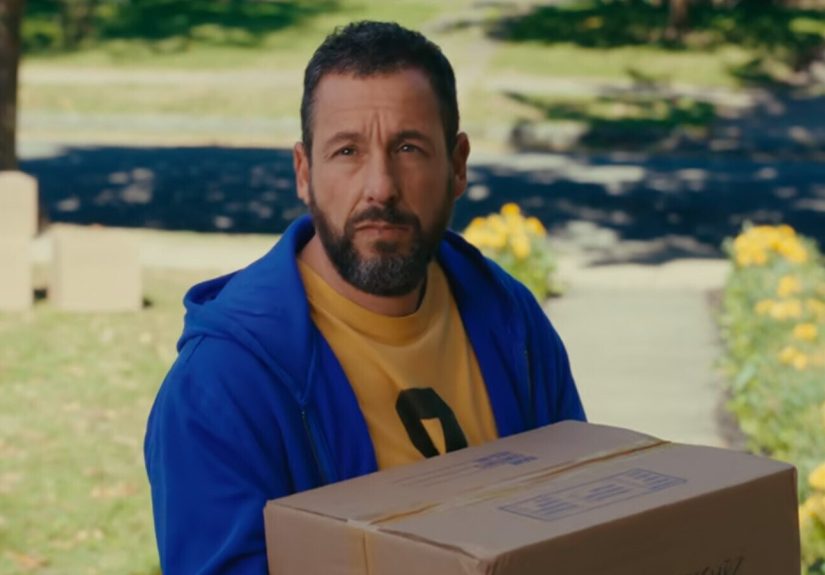
Why? Because the setup for Happy Gilmore 2 is not just “older guy returns for one more round.” That would have been too normal, too calm, too emotionally stable for the strange little universe of Happy Gilmore. Instead, the sequel opens from a much darker place. Happy is older, battered by life, pulled back into golf for family reasons, and carrying a tragedy that many fans never expected the movie to use as its launching pad. The result is a premise that some viewers find bold, some find bizarre, and others find downright horrifying.
And that, honestly, is what makes this sequel so fascinating. Happy Gilmore 2 is not just reviving a beloved character. It is asking fans to process nostalgia, grief, slapstick, celebrity cameos, sports-movie sincerity, and emotional whiplash all in one package. That is either a wild creative swing or proof that someone in Hollywood confused “legacy sequel” with “chaotic neutral fan experiment.” Maybe both.
What Is the Premise of Happy Gilmore 2?
The basic premise sounds simple enough on paper. Happy Gilmore, the loudest man ever to bully golf into accepting him, is older now and no longer operating at his peak. He is pulled back into the sport to help secure his daughter’s future, specifically her ballet ambitions. So far, so sports-comedy. Washed-up underdog? Check. Family motivation? Check. One last shot at redemption? Triple check.
But the detail that has people clutching their vintage Bruins jerseys is the tragedy hanging over the entire story. The sequel reveals that Virginia, Happy’s love interest from the original film and eventually his wife, dies after being struck by one of Happy’s golf balls. Yes, really. The movie turns that accident into the emotional engine for Happy’s return, his guilt, and his attempt to put his life back together.
That means the sequel is not simply a goofy comeback comedy. It is built on a premise that asks viewers to accept one of the original film’s most beloved relationships being shattered in a way that feels both absurdly Sandler-ish and unexpectedly grim. For some fans, that tonal gamble is daring. For others, it feels like the movie walked into the room wearing clown shoes and carrying emotional dynamite.
Why Fans Are So Shocked
The horror surrounding the premise is not really about whether movies are allowed to be sad. Of course they are. The issue is that Happy Gilmore occupies a very specific place in pop culture memory. The original film is rowdy, juvenile, ridiculous, and weirdly warm. It is the kind of comedy people rewatch because it feels like hanging out with a loud friend who should definitely not be trusted near heavy equipment.
Fans remember the first movie as a sports underdog story wrapped in chaos. Happy fights Bob Barker, chirps at golfers, terrorizes country club decorum, and somehow still ends up as an oddly lovable hero. Virginia is part of what grounds all of that madness. She is not just the love interest; she is one of the pieces that gives the movie its heart.
So when a sequel says, “Remember that emotional anchor? We are going to remove it with a golf ball,” people are naturally going to have feelings. Strong feelings. Internet feelings. The kind of feelings typed in all caps with too many question marks and zero emotional regulation.
Some viewers see the premise as needlessly cruel. Others think it is a cheap shortcut to manufacture stakes for a character who could have been brought back in a dozen less traumatic ways. A sequel could have used financial trouble, an aging rivalry, family pressure, or simple midlife panic. Instead, it chose a tragic accident with a character audiences already cared about. That is why the reaction has been so intense. The movie is not just asking fans to revisit a favorite world. It is asking them to revisit it after blowing a hole in it.
The Premise Is Dark, But It Is Also Weirdly On-Brand
Here is where the conversation gets tricky. As shocking as the premise sounds, it is not entirely disconnected from the strange DNA of the original Happy Gilmore. That first movie was never exactly delicate. It turned violent meltdowns into punchlines, treated golf like a contact sport, and balanced sweetness with cartoon logic. This franchise has always lived in a universe where emotional sincerity and total nonsense can share the same seat in the golf cart.
In that sense, the sequel’s premise is horrifying, but it is also weirdly consistent with the franchise’s worldview. A freak golf accident is awful, yes, but it also sounds like the sort of exaggerated, chaotic twist that only Happy Gilmore would dare use as a story engine. This is not a polite prestige drama where everyone speaks in meaningful silences while staring out rainy windows. This is still the world of Happy Gilmore, where the line between heartfelt and unhinged is basically written in pencil.
That does not mean every fan has to like it. But it does explain why the premise feels less like a total betrayal and more like an extremely risky extension of the series’ old instincts. Happy Gilmore 2 is trying to turn tragedy into fuel for redemption while still functioning as a broad comedy. Pulling that off is a high-wire act. Some viewers think it lands. Others think it face-plants directly into the bunker.
Why the Premise Might Have Been Chosen
Legacy sequels have a problem. They need to justify their own existence. It is not enough to bring back a familiar face, dust off a few catchphrases, and throw in a wink at the audience. Modern viewers want nostalgia, but they also want a reason the story matters now.
That helps explain why Happy Gilmore 2 goes so hard with its setup. Giving Happy grief, guilt, and a damaged life creates instant stakes. It turns him from a funny hothead into a guy who has to actually rebuild himself. It also lets the sequel frame his return to golf as something bigger than a gimmick. He is not just back because fans wanted to hear him yell again. He is back because he needs purpose, money, redemption, and maybe a little peace.
From a screenwriting standpoint, that is understandable. From a fan standpoint, it still feels like getting hit in the emotions with a nine iron.
What the Movie Seems to Understand About Nostalgia
The smartest thing about the sequel’s premise is that it understands nostalgia is not supposed to feel entirely comfortable. Fans do not just want the old character frozen in amber. They want to know what happened after the cheering stopped. They want to know whether the happy ending held. They want to know what time did to the guy who once treated golf courses like wrestling arenas with better landscaping.
Happy Gilmore 2 answers that question in a way that is far harsher than many expected. But that harshness is exactly why the movie has people talking. A safer sequel might have been easier to digest and much easier to forget. This one is messy, loud, sentimental, and divisive. In other words, it behaves a lot like Happy himself.
That may also explain why the movie has sparked both outrage and curiosity. People are horrified by the premise, yes, but they are also drawn to it. There is something undeniably compelling about a sequel that does not just replay the hits. It drags its hero through disaster first, then dares the audience to laugh, wince, and care all at once.
The Real Source of the Backlash
The backlash is not only about plot. It is about ownership. Fans feel possessive of movies that shaped their sense of humor, especially comedies from the 1990s. Happy Gilmore is one of those titles people quote like family folklore. So when a sequel redefines the emotional reality of that world, it can feel less like a creative choice and more like somebody rearranged the furniture in your childhood home without asking.
That reaction is intensified by the modern internet, where every plot twist immediately becomes a referendum on whether filmmakers “understood the assignment.” Viewers are no longer just watching. They are filing emotional incident reports in real time.
For that reason, the phrase “people are horrified by the premise” is not an exaggeration. It captures a real collision between expectation and execution. Fans wanted old-school Happy chaos. Instead, they got a sequel that begins with loss, guilt, and a setup heavy enough to surprise even people who expected a few dramatic wrinkles. The movie did not merely dust off a franchise. It poked it with a stick, shook it awake, and said, “Congratulations, you have trauma now.”
Does the Premise Actually Work?
That depends on what you think a sequel owes its audience. If you believe a follow-up should preserve the spirit of the original while deepening the character, the premise may work better than it sounds. It gives Happy a real reason to change, a real burden to carry, and a real emotional destination.
If you believe a comedy sequel should protect the original movie’s joy instead of blowing it up for dramatic stakes, then the premise may feel like a huge mistake. That is the tension at the center of the conversation. Happy Gilmore 2 wants to be heartfelt and ridiculous at the same time. For some viewers, that blend feels earned. For others, it feels like tonal whiplash served with a side of fan service.
Either way, the premise succeeds at one undeniable thing: it makes the sequel matter. Love it or hate it, people are reacting because the movie took a big swing. It did not settle for a lazy replay. It chose chaos, consequences, and controversy. Very Happy Gilmore, honestly.
Final Thoughts
Happy Gilmore 2 has horrified plenty of fans because its premise dares to do something many nostalgia sequels avoid: it changes the emotional terms of the story. Instead of treating Happy like a museum exhibit, it drops him into pain, forces him back onto the course, and builds the comedy around a wound that some viewers simply do not want this franchise to have.
That makes the sequel awkward, bold, and impossible to ignore. It is not a comfort-food continuation in the usual sense. It is comfort food that someone accidentally seasoned with existential dread. And somehow, in the bizarre logic of the Happy Gilmore universe, that may be exactly why it works for some people and completely doesn’t for others.
If nothing else, the reaction proves that audiences still care deeply about Happy Gilmore. Nearly three decades later, that loudmouth golfer can still make people laugh, argue, and stare into the middle distance wondering how a sports comedy managed to become this emotionally complicated. Not bad for a guy who once thought the best way to solve a problem was to scream at it.
Extra Perspective: The Experience of Watching a Premise Like This Land on Fans
There is also a broader viewing experience here that helps explain why the response has been so intense. Watching a sequel like Happy Gilmore 2 is not the same as watching a brand-new movie. Fans do not arrive empty-handed. They bring years of affection, half-remembered quotes, favorite scenes, and an almost irrational hope that a new installment will make them feel the exact same way they did decades ago. That is not really fair to the movie, but it is absolutely how audience psychology works.
So when the sequel opens with a premise this jarring, it does more than surprise people. It interrupts a fantasy. A lot of viewers wanted to spend two hours revisiting a familiar comic world where Happy was older, maybe grumpier, maybe creakier, but still fundamentally intact. Instead, the movie asks them to confront the fact that time has passed, life has happened, and this character’s story now includes pain that cannot be shrugged off with a one-liner and a hard drive off the tee.
That creates a very specific kind of whiplash. One minute viewers are excited by the return of a cult favorite. The next they are processing a setup that feels more emotionally severe than expected. Even people who eventually warm up to the movie may need time to adjust. It is the cinematic equivalent of showing up for a backyard cookout and discovering someone has replaced the potato salad with a midlife crisis.
There is also the shared experience of internet-era viewing. Big twists no longer stay private for long. They turn into screenshots, reaction posts, hot takes, memes, and debates about whether Hollywood has lost its mind. A premise like this practically invites that kind of response because it sounds made up until you see it. Then, once fans realize it is real, the conversation becomes less about one plot point and more about what audiences want from legacy sequels in general.
Do viewers want emotional realism? Do they want pure comfort? Do they want characters to age honestly, or do they want them preserved in the amber of pop-culture memory? Happy Gilmore 2 accidentally wanders into all of those questions, which is a pretty wild outcome for a movie about an angry golfer with the temperament of a broken vending machine.
In that sense, the experience surrounding the film is almost as interesting as the film itself. People are not just reacting to a twist. They are reacting to the collision between nostalgia and consequence. They are reacting to the strange feeling of seeing a joke-heavy comedy sequel ask for real emotion. And they are reacting to the uncomfortable truth that bringing back beloved characters after 29 years was never going to be simple. Time changes everything, even for fictional maniacs with a hockey swing and zero chill.
That is why the premise lingers. It is not merely shocking. It forces fans to decide what kind of sequel they wanted all along. A reunion? A reset? A redemption story? A victory lap? Happy Gilmore 2 picks one answer and swings hard. Whether viewers cheer or duck is another matter entirely.




 Close
Close