
Table of Contents >> Show >> Hide
- Spinach Nutrition Snapshot
- Picture-by-Picture: The Health Benefits of Spinach
- Picture 1: A Low-Calorie, Nutrient-Dense Plate
- Picture 2: Blood Pressure Support (With a Reality Check)
- Picture 3: Eye Health and the “Leafy Green Pigments”
- Picture 4: Vitamin K for Clotting and Bone Health
- Picture 5: Folate for Cell Growth and DNA
- Picture 6: Iron Support (Especially for Plant-Forward Eaters)
- Picture 7: Fiber, Fullness, and Gut Support
- Picture 8: Antioxidants and Cell Protection
- Raw vs. Cooked Spinach: Which Is Better?
- Who Should Be Careful With Spinach?
- How to Eat More Spinach Without Getting Bored
- 500-Word Experience Section: Real-Life Spinach Wins (and Mistakes)
- Final Takeaway
If spinach had a publicist, that leafy green would be booked solid. It shows up in smoothies, omelets, pasta, salads, curries, soups, and that one “healthy lunch” you swore you’d meal-prep for the whole week. The reason spinach keeps getting invited to the table is simple: it delivers a lot of nutrition for very few calories.
This guide takes a “picture-by-picture” approach to the health benefits of spinach, using real nutrition and medical guidance from U.S. government resources, major medical centers, and peer-reviewed research. No miracle claims, no spinach fan fiction. Just the useful stuff: what spinach does well, where it fits in a balanced diet, and when to be careful.
Spinach Nutrition Snapshot
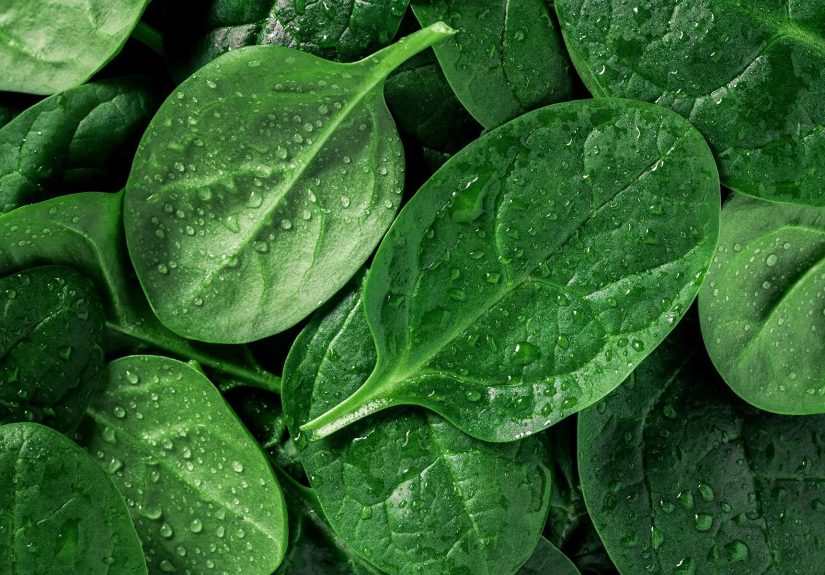
Picture a bowl of fresh spinach. It looks like a lot, but nutrition-wise it’s surprisingly light. Spinach is low in calories and mostly water, which makes it a high-volume food that can help you feel like you’re eating a real plate of food (because you are) without turning lunch into a nap trigger.
A practical way to think about spinach is this: it’s a delivery system for nutrients. Depending on how much you eat and whether it’s raw or cooked, spinach can contribute meaningful amounts of vitamin K, vitamin A (from carotenoids), folate, vitamin C, iron, potassium, magnesium, and fiber. In other words, spinach is not just “green decoration” on the side of a sandwich.
Picture-by-Picture: The Health Benefits of Spinach
Picture 1: A Low-Calorie, Nutrient-Dense Plate
Spinach earns its reputation because it is nutrient-dense. You get vitamins and minerals without much fat, sugar, or calories. That makes it a smart base for meals if you want to improve overall diet quality without obsessing over complicated food rules.
One reason this matters for SEO-style “health benefit” lists is that people often search for a single magic nutrient. Spinach doesn’t win because of one thing. It wins because it brings a strong team: vitamin K, vitamin A compounds, folate, vitamin C, iron, potassium, and antioxidants. You’re getting a bundle, not a solo act.
Picture 2: Blood Pressure Support (With a Reality Check)
Spinach is often linked to heart health, and there’s a good reason for that. It contains potassium, which helps balance sodium and supports healthy blood pressure. It also contains nitrates, compounds found naturally in leafy greens that the body can convert into nitric oxide, a molecule involved in blood vessel function.
Here’s the important nuance: spinach may support blood pressure, but it’s not a replacement for medical care. Some studies show short-term improvements in blood pressure or blood vessel measures after nitrate-rich spinach intake, while other larger trials on leafy green vegetables and nitrate do not show a significant drop in ambulatory blood pressure over several weeks. That doesn’t mean spinach is “bad” for blood pressure; it means nutrition is complex, and the biggest benefit usually comes from an overall vegetable-rich eating pattern, not one food in isolation.
Picture 3: Eye Health and the “Leafy Green Pigments”
Spinach is famous for lutein and zeaxanthin, two carotenoids that show up again and again in eye-health conversations. These compounds are concentrated in green leafy vegetables and are associated with a lower risk of age-related eye problems in people whose diets are rich in them.
If you’ve ever heard about AREDS or AREDS2 supplements for age-related macular degeneration (AMD), that’s where these nutrients get extra attention. Spinach isn’t a supplement, and food won’t always match clinical supplement doses, but leafy greens are still a strong foundation for long-term eye health. Think of spinach as one of the easiest everyday ways to feed your eyes something useful.
Picture 4: Vitamin K for Clotting and Bone Health
Spinach is loaded with vitamin K, which your body needs for normal blood clotting and healthy bones. This is one of spinach’s biggest nutritional strengths. If you want a vegetable that “does a lot” in a small serving, vitamin K is a major reason spinach makes the shortlist.
There’s one important catch: if you take warfarin (a blood thinner), your vitamin K intake should stay consistent from day to day. That doesn’t always mean “don’t eat spinach.” It usually means “don’t eat a tiny amount all week and then a spinach mountain on Saturday.” Consistency matters more than random bursts.
Picture 5: Folate for Cell Growth and DNA
Folate is a B vitamin your body needs to make DNA and support cell division. Spinach is one of the classic folate-rich foods, which is why it shows up so often in lists of “smart greens” for everyday nutrition.
Folate is especially important during pregnancy because of its role in early fetal development, but it’s not only a pregnancy nutrient. Every day, your body relies on folate for normal cell function. Translation: spinach supports boring but essential body processes, which is exactly what good nutrition should do.
Picture 6: Iron Support (Especially for Plant-Forward Eaters)
Spinach contains nonheme iron, the type of iron found in plant foods. If you eat less meat or follow a vegetarian diet, spinach can help contribute to your iron intake. Iron is essential for making hemoglobin, the protein in red blood cells that carries oxygen.
Now for the strategy part: nonheme iron is not absorbed as efficiently as heme iron from animal foods. The easy fix is pairing spinach with vitamin C-rich foods. A squeeze of lemon, strawberries in a salad, bell peppers in a sauté, or tomatoes in a soup can improve iron absorption. This is one of the most practical nutrition hacks in the spinach playbook, and thankfully, it tastes good too.
Picture 7: Fiber, Fullness, and Gut Support
Spinach also provides fiber, which supports digestion and can help with fullness. It’s not the highest-fiber food on the planet, but it adds fiber to meals without adding a lot of calories. That’s useful for appetite management and for building meals that keep you satisfied longer.
More broadly, spinach fits into the bigger “eat more vegetables and fruit” pattern linked to lower blood pressure, better heart health, and support for eye and digestive health. In other words, spinach is a strong team player. It works best when it’s part of a produce-heavy routine rather than your once-a-week “I had a salad, I’m basically a wellness guru” moment.
Picture 8: Antioxidants and Cell Protection
Spinach contains antioxidants, including carotenoids like beta-carotene and lutein. Antioxidants help protect cells from damage caused by free radicals. That doesn’t mean spinach can “detox” your body (your liver and kidneys already have that job). It means a diet rich in vegetables like spinach can support normal cellular health over time.
This is one of those benefits that sounds less dramatic than it should. “Helps protect cells” is not a flashy headline, but it’s exactly the kind of long-term support that matters for healthy aging.
Raw vs. Cooked Spinach: Which Is Better?
Good news: both. Raw and cooked spinach each bring something useful. Raw spinach tends to preserve more vitamin C and some delicate compounds, while cooked spinach can make certain nutrients and carotenoids more available and reduces the volume dramatically (which means you can eat more spinach in one sitting without feeling like a rabbit at a buffet).
A simple rule:
- Use raw spinach in salads, wraps, and smoothies when you want freshness and texture.
- Use cooked spinach in eggs, pasta, soups, and stir-fries when you want a bigger nutrient hit per forkful.
Want to get extra mileage from your spinach? Add a little healthy fat. Since vitamin A-related compounds and some carotenoids are fat-soluble, pairing spinach with olive oil, avocado, nuts, or seeds can help your body absorb more of what spinach offers.
Who Should Be Careful With Spinach?
1) People prone to calcium oxalate kidney stones
Spinach is high in oxalates. If you’re prone to calcium oxalate kidney stones, this matters. It doesn’t automatically mean spinach is banned forever, but it does mean you should talk with a healthcare professional or dietitian about portion size and your overall stone-prevention plan.
A common misconception is that “calcium is the enemy” in calcium oxalate stones. It isn’t. In fact, kidney guidance often emphasizes getting the right amount of dietary calcium and pairing calcium-containing foods with oxalate-containing foods during meals, which can help reduce oxalate absorption.
2) People taking warfarin
As mentioned earlier, spinach is rich in vitamin K. If you take warfarin, the issue is consistency. Keep your spinach intake steady from week to week rather than swinging wildly between zero and spinach-themed holidays.
3) People who skip produce washing
Leafy greens are healthy, but they still need proper food safety handling. Wash spinach thoroughly under running water, avoid using soap or produce wash, and keep cut or bagged greens refrigerated. Health benefits are a lot less exciting if your salad comes with a side of food poisoning.
How to Eat More Spinach Without Getting Bored
If your only idea is “sad salad,” spinach deserves a better agent. Here are easy ways to rotate it into meals:
- Breakfast: Add spinach to scrambled eggs or an omelet with tomatoes and mushrooms.
- Lunch: Use spinach instead of lettuce in sandwiches or wraps.
- Dinner: Stir spinach into soups, chili, pasta sauce, curries, or rice bowls right before serving.
- Smoothies: Blend baby spinach with berries, citrus, and yogurt or a fortified milk alternative.
- Sides: Sauté with olive oil, garlic, and a squeeze of lemon.
And if you’re shopping and wondering which type to pick: baby spinach is softer and milder (great for salads and smoothies), while mature spinach varieties can hold up better in hot dishes. Frozen spinach also works well for soups, dips, casseroles, and cooked mealsand it’s budget-friendly.
500-Word Experience Section: Real-Life Spinach Wins (and Mistakes)
Let’s talk about the part nobody puts in a nutrition label: experience. The health benefits of spinach look great on paper, but the real question is how spinach works in actual life, with actual schedules, actual cravings, and actual refrigerators where things sometimes go to wilt.
One of the easiest “wins” people report with spinach is how simple it is to add to foods they already eat. You don’t need a dramatic diet reset. A handful in eggs. A handful in soup. A handful in pasta sauce. That tiny habit adds up over a week, and it often feels easier than trying to become a full-time salad influencer overnight.
Another common experience: spinach is a gateway vegetable. People who think they “don’t like greens” often realize they just don’t like bitter greens. Spinach is milder than kale, easy to season, and flexible enough to disappear into dishes without announcing itself. That makes it great for families, picky eaters, and anyone who wants better nutrition without turning every meal into a nutrition lecture.
Smoothies are where spinach really becomes a stealth expert. A lot of people start with spinach in fruit smoothies because it blends well and doesn’t dominate the flavor. The first time you add spinach to a berry smoothie and it still tastes like berries, it feels like you’ve discovered a cheat code. That “I can actually do this” moment is huge for consistency.
There are also the classic spinach mistakes. The biggest one? Buying a giant container of fresh spinach with good intentions and then finding a science experiment in the crisper five days later. The fix is simple: buy a smaller amount more often, or keep frozen spinach on hand for backup. Frozen spinach is not less worthy. It’s what keeps a Tuesday dinner from becoming takeout again.
Another mistake is forgetting pairings. Spinach on its own can be fine, but spinach with the right partners is much better. Add olive oil for absorption of fat-soluble nutrients. Add lemon or bell peppers for vitamin C and iron support. Add beans, eggs, tofu, salmon, or chicken to turn spinach from a side note into a balanced meal. The healthiest spinach is the spinach you actually enjoy eating.
For people who are active, spinach often becomes a “recovery meal” ingredient simply because it fits everywhere. It can go into rice bowls, omelets, soups, wraps, and pastaso it helps improve meal quality without requiring a separate recipe. For busy students and professionals, that convenience matters more than any headline about antioxidants.
And yes, some people learn the hard way that spinach can be tricky if they have kidney stone issues or are on blood thinners. That experience matters too. Healthy foods are still personal. The best outcomes happen when people adjust spinach to their medical needs instead of forcing generic advice. Nutrition works better when it’s customized, not copied.
The overall experience lesson is simple: spinach is not a magic cure, but it is one of the easiest, most practical upgrades you can make to everyday meals. It’s affordable, versatile, and forgiving. You can eat it raw, cooked, blended, or folded into almost anything. If a food can improve your plate without making your life harder, that’s a real health benefit.
Final Takeaway
Spinach deserves its reputationbut not because it’s trendy. It earns that status because it supports a lot of health goals at once: better nutrient intake, eye health support, bone support, digestive support, and a more vegetable-rich diet overall. It’s also easy to use, which is underrated and honestly the reason it works in real life.
If you want a practical plan, start with one daily spinach habit: a salad base, a smoothie handful, or a cooked serving at dinner. Then build from there. Your body doesn’t need perfection. It just needs repeatable, nutrient-dense choices. Spinach happens to be very good at that.







 Close
Close