
Table of Contents >> Show >> Hide
- What Is a Plant-Based Diet, Exactly?
- What Is the Mediterranean Diet?
- Where These Two Diets Overlap
- The Biggest Differences Between Plant-Based and Mediterranean Eating
- Which Diet Is Better for Heart Health?
- Which Diet Is Better for Weight Loss?
- Which Diet Is Better for Blood Sugar and Diabetes Risk?
- What About Brain Health, Gut Health, and Healthy Aging?
- The Hidden Issue: Food Quality Matters More Than Diet Branding
- So, Which Is Better for Health?
- How to Choose Between Them in Real Life
- Common Mistakes to Avoid
- Experiences People Commonly Have When Trying These Diets
- Final Thoughts
If you have ever stood in a grocery aisle staring at chickpeas in one hand and salmon in the other, wondering which food belongs to the “healthier” lifestyle, welcome. You are among friends. The debate around a plant-based diet vs. Mediterranean diet is one of the most common nutrition questions online, and for good reason: both eating patterns have impressive reputations, both have research behind them, and both sound much nicer than “third iced coffee and a granola bar for lunch.”
So which is better for health? The honest answer is not as dramatic as social media would like. In most cases, both diets can be excellent. The real winner usually depends on food quality, consistency, medical needs, and what you can actually stick with when life gets chaotic. A plant-based diet may offer a stronger edge for lowering saturated fat and increasing fiber, especially when it is built around whole foods. The Mediterranean diet often wins for balance, flexibility, and long-term sustainability. In other words, this is not Batman vs. Superman. It is more like two smart overachievers competing for valedictorian.
What Is a Plant-Based Diet, Exactly?
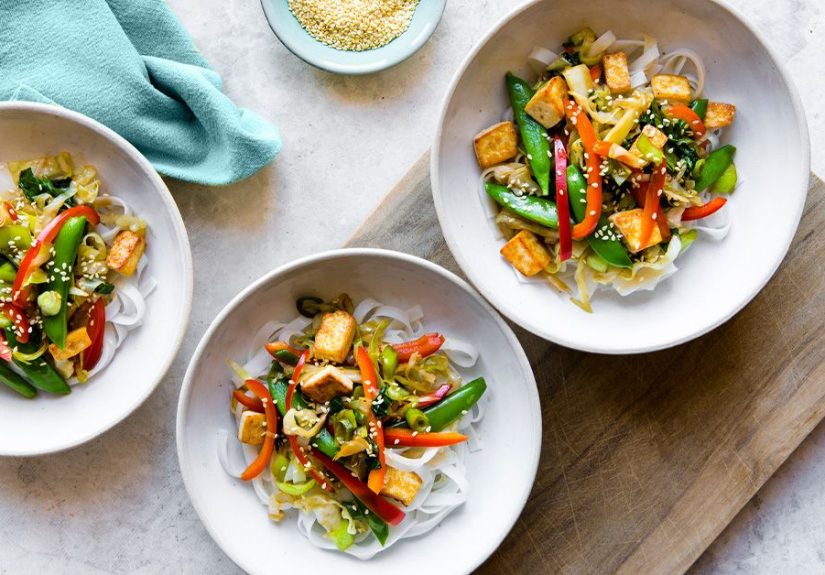
A plant-based diet is an eating pattern centered on foods that come from plants: vegetables, fruits, beans, lentils, peas, whole grains, nuts, seeds, and healthy oils. That sounds simple enough, but the term is broad. Some people use it to mean vegan, with no animal products at all. Others use it to describe vegetarian eating, or even a mostly plant-forward pattern that still includes occasional dairy, eggs, fish, or meat.
That is why the phrase plant-based can be a little slippery. One version is a colorful bowl of quinoa, roasted vegetables, black beans, avocado, and pumpkin seeds. Another version is technically plant-based tooFrench fries, white bread, and a giant soda. The lesson is obvious but important: not all plant-based diets are equally healthy.
The healthiest version of plant-based eating
The most beneficial plant-based approach usually emphasizes minimally processed foods, plenty of fiber, beans and legumes, whole grains, nuts, seeds, and unsaturated fats. It also keeps refined grains, sugary drinks, ultra-processed snacks, and dessert-shaped “health foods” on a short leash. A cookie made with coconut sugar is still a cookie. Nice try, cookie.
What Is the Mediterranean Diet?
The Mediterranean diet is inspired by traditional eating patterns seen in countries bordering the Mediterranean Sea. It focuses heavily on vegetables, fruits, beans, lentils, whole grains, nuts, seeds, herbs, and olive oil. It also includes fish and seafood regularly, while poultry, eggs, yogurt, and cheese appear in smaller amounts. Red meat and sweets are limited rather than completely forbidden.
One reason the Mediterranean diet is so popular is that it feels realistic. It does not demand perfection or a food identity crisis. It says yes to plants, yes to olive oil, yes to beans, yes to fish, and “maybe calm down a little” to processed meat and sugary desserts. Even wine, when discussed in Mediterranean-style eating, is optionalnot a homework assignment.
Where These Two Diets Overlap
Before comparing them, it helps to notice how similar they already are. Both the plant-based diet and the Mediterranean diet emphasize:
- Vegetables and fruits
- Beans, lentils, and other legumes
- Whole grains over refined grains
- Nuts and seeds
- Less red and processed meat
- Less added sugar and fewer highly processed foods
- A focus on long-term eating patterns instead of crash dieting
In practice, the Mediterranean diet is already a form of plant-forward eating. It just is not fully vegetarian or vegan. That means the comparison is not really “plants vs. no plants.” It is more like all plants plus a little fish and dairy vs. mostly or only plants.
The Biggest Differences Between Plant-Based and Mediterranean Eating
1. Animal foods
This is the headline difference. A Mediterranean diet usually includes fish, seafood, yogurt, cheese, eggs, and small amounts of poultry. A plant-based diet may include some of these foods, or none of them, depending on the version.
If you prefer a fully vegan or vegetarian lifestyle, plant-based eating gives you a clearer framework. If you like the idea of eating more plants without giving up fish or yogurt, Mediterranean eating may feel easier and more natural.
2. Fat sources
The Mediterranean diet is famous for olive oil, one of its signature ingredients. It also includes nuts, seeds, and fatty fish, which contribute heart-friendly fats. A plant-based diet can also be rich in healthy fats, but that depends on how it is built. A whole-food plant-based plate with walnuts, flaxseed, tahini, and avocado looks very different from a plant-based menu built around fried foods and pastries.
3. Nutrient planning
Both diets can be nutritious, but a stricter plant-based diet requires more planning. Vitamin B12 deserves special attention because it is naturally found in animal foods, not plant foods. People following vegan eating patterns usually need fortified foods or supplements. Depending on the person, calcium, vitamin D, iron, zinc, iodine, protein, and omega-3 fats may also need a little intentional planning.
The Mediterranean diet usually makes some of these nutrients easier to get because it includes fish, dairy, and eggs in modest amounts.
4. Flexibility and social ease
Let’s be honest: health matters, but so does real life. The Mediterranean diet tends to be easier at restaurants, family dinners, and holidays because it is less restrictive. Plant-based eating can absolutely work in social settings, but it may require more planning, label reading, and occasional negotiations with relatives who think bacon is a personality trait.
Which Diet Is Better for Heart Health?
Both diets score very well for heart health when they are built on whole, minimally processed foods. They tend to reduce saturated fat, increase fiber, and crowd out heavily processed meals. That combination supports healthier cholesterol, blood pressure, and weight over time.
The Mediterranean diet has especially strong and consistent evidence for cardiovascular health. It is one of the most studied eating patterns in the world, and researchers often point to its benefits for heart disease risk factors and overall cardiometabolic health. Olive oil, nuts, legumes, vegetables, and fish all play a role here.
A well-designed plant-based diet is also excellent for the heart. In some people, especially those who move from a standard Western diet to a whole-food plant-based pattern, LDL cholesterol and blood pressure may improve noticeably. That said, the details matter. A plant-based diet full of refined grains, salty packaged meals, and sugary snacks does not get a free halo just because there is no chicken in it.
Verdict for heart health: It is basically a tie at a high level, but the Mediterranean diet has a broader and more familiar evidence base, while a whole-food plant-based diet may offer an extra edge for people aiming to slash saturated fat and boost fiber.
Which Diet Is Better for Weight Loss?
Neither diet guarantees weight loss, because no eating pattern can out-negotiate giant portions, mindless snacking, and liquid calories that arrive disguised as “just a little treat.” Still, both diets can support a healthy weight.
Plant-based diets often help with weight management because they are naturally rich in fiber and lower in calorie density when they focus on vegetables, beans, fruit, and whole grains. Many people feel fuller on fewer calories when their meals are based on foods with more water and fiber.
The Mediterranean diet can also support weight control, especially because it emphasizes satisfying foods that are less processed and more filling. Its use of olive oil, nuts, and fish can make meals feel satisfying enough that people are less likely to rebound into late-night snack chaos. In other words, Mediterranean eating may be slightly richer, but it is often easier to maintain over the long haul.
Verdict for weight: Whole-food plant-based eating may have a slight advantage for calorie density and fiber, while Mediterranean eating may have an advantage for adherence. Long-term results often depend less on the diet label and more on whether you can live with it beyond next Tuesday.
Which Diet Is Better for Blood Sugar and Diabetes Risk?
Both patterns can help with blood sugar management because both emphasize foods that support better overall metabolic health. Beans, lentils, vegetables, intact grains, nuts, and healthy fats are all helpful players here.
The Mediterranean diet has strong recognition in diabetes nutrition guidance because it is associated with better glycemic control and lower cardiometabolic risk in many studies. Plant-based diets can also be useful for insulin sensitivity and blood sugar management, especially when they replace refined carbohydrates and processed meats with whole grains, legumes, nuts, and non-starchy vegetables.
Verdict for blood sugar: Another close race. Mediterranean eating has especially strong clinical credibility here, but a carefully built plant-based diet is also a smart option.
What About Brain Health, Gut Health, and Healthy Aging?
This is where the Mediterranean diet often gets extra applause. Research has linked Mediterranean-style eating with better brain health and fewer signs of Alzheimer’s-related brain pathology. It is also associated with healthy aging in many observational studies.
Plant-based diets can support these goals too, especially when they are rich in vegetables, berries, beans, nuts, seeds, and high-quality carbohydrates. More fiber also supports the gut microbiome, and that can have ripple effects for digestion and overall health. But again, quality matters. A beige buffet of crackers and vegan donuts is technically meat-free, not magically protective.
Verdict for brain and aging: The Mediterranean diet currently has the clearer public reputation and stronger direct evidence base, though healthy plant-based patterns are certainly in the same conversation.
The Hidden Issue: Food Quality Matters More Than Diet Branding
If you remember only one thing from this article, make it this: the quality of the foods you eat matters more than the trendiness of the label.
A healthy plant-based diet includes beans, lentils, vegetables, fruit, nuts, seeds, and whole grains. An unhealthy plant-based diet can be full of refined bread, chips, fries, pastries, and sweetened drinks. Likewise, a Mediterranean diet is not automatically healthy if it turns into oversized pasta portions, too much alcohol, and a token salad looking abandoned in the corner.
Health improves when your meals consistently feature minimally processed foods, fiber-rich carbohydrates, healthy fats, and balanced portions. The body does not hand out bonus points because your grocery cart looked virtuous for one weekend.
So, Which Is Better for Health?
Here is the most practical answer:
- Choose a whole-food plant-based diet if you want to maximize plants, reduce animal foods as much as possible, increase fiber, and potentially improve cholesterol and weight with a lower-saturated-fat pattern.
- Choose a Mediterranean diet if you want a highly researched, balanced, flexible way of eating that still emphasizes plants while allowing fish, yogurt, eggs, and occasional poultry or cheese.
For many people, the Mediterranean diet is the easiest long-term choice because it is less restrictive and easier to sustain socially. For others, a plant-based diet feels more aligned with their health goals, ethics, or personal preferences. The best diet is the one that is nutritionally strong, enjoyable, realistic, and sustainable enough to become your normal.
If you want the shortest possible answer to the question “Plant-based diet vs. Mediterranean diet: which is better for health?” it is this: the healthiest pattern is usually a mostly whole-food, mostly plant-forward diet, and the Mediterranean diet is one of the best-tested ways to do that.
How to Choose Between Them in Real Life
Pick plant-based if:
- You want to minimize or avoid animal products
- You enjoy beans, lentils, tofu, tempeh, and lots of produce
- You are willing to plan nutrients like vitamin B12 carefully
- You prefer a higher-fiber, lower-saturated-fat pattern
Pick Mediterranean if:
- You want strong research support with maximum flexibility
- You enjoy fish, yogurt, eggs, olive oil, and mixed meals
- You want something easier to follow at restaurants and family events
- You like the idea of “more plants” without going fully vegetarian or vegan
Common Mistakes to Avoid
- Assuming “plant-based” automatically means healthy
- Ignoring protein, iron, omega-3s, calcium, or vitamin B12 on stricter vegan plans
- Treating olive oil like a beverage instead of an ingredient
- Eating too few vegetables while calling the diet Mediterranean because there is hummus nearby
- Relying too heavily on ultra-processed meat substitutes and snack foods
- Forgetting that sleep, exercise, stress, and consistency also affect health outcomes
Experiences People Commonly Have When Trying These Diets
One reason this comparison keeps showing up is that people do not just want laboratory resultsthey want to know what daily life actually feels like. Real-world experiences with plant-based and Mediterranean eating are often revealing.
Many people who move toward a whole-food plant-based diet say the first big change is volume. Suddenly the plate looks enormous: roasted vegetables, beans, brown rice, soup, fruit, salad, maybe some tofu or lentil pasta. Meals can feel surprisingly filling, but the first week or two may also come with an awkward side effect nobody puts on glossy wellness posters: more digestive activity. Translation: when fiber goes up quickly, your gut notices. This usually settles as the body adjusts, especially when people increase fiber gradually and drink enough water.
Another common experience is label shock. New plant-based eaters often discover that many packaged foods marketed as healthy are still high in sodium, added sugar, or refined starch. Some end up eating better not because they found magical products, but because they start cooking more basicsoats, beans, chili, grain bowls, stir-fries, soups, and big salads. That shift can improve energy and satiety, but it also asks for planning. The person who used to “grab whatever” may now become the person batch-cooking lentils on Sunday while pretending it is thrilling. Sometimes it actually is.
People who try the Mediterranean diet often describe it as easier to live with. Olive oil, salmon, Greek yogurt, chickpeas, vegetables, whole-grain toast, nuts, and fruit fit comfortably into normal American routines without feeling extreme. Dining out is usually simpler too. You can order grilled fish, a salad, beans, vegetables, and roasted potatoes without needing a dramatic speech about ingredients. For busy adults or families, that flexibility is a major reason Mediterranean eating sticks.
There are also emotional and social experiences that matter. Some people feel energized and proud on a plant-based diet because it aligns with their values and gives them a sense of control over their health. Others feel boxed in if every meal becomes a puzzle. On the Mediterranean diet, people often report less dietary stress because fewer foods are completely off-limits. That mental ease can be a health advantage of its own, especially for people who are tired of all-or-nothing rules.
Cost is another shared experience. Plant-based eating can be very affordable when built around beans, lentils, oats, potatoes, rice, frozen vegetables, and seasonal produce. It can also become expensive fast if the cart is packed with specialty substitutes, powders, and trendy snacks. Mediterranean eating can be budget-friendly too, but fish, nuts, and olive oil may raise costs depending on where you shop. In real life, both diets can be done economically, and both can be made expensive enough to make your wallet lie down for a while.
The most successful people are usually the ones who stop chasing perfection. They build a repeatable pattern: more vegetables, more legumes, better fats, fewer ultra-processed foods, fewer sugary drinks, and more meals cooked at home. That is the experience that tends to last. Not perfection. Not purity. Just a better routine that feels normal enough to keep.
Final Thoughts
When comparing a plant-based diet vs. Mediterranean diet, the healthiest choice is not always the strictest one. It is the one that helps you consistently eat more plants, more fiber, healthier fats, and fewer heavily processed foods without making daily life miserable.
If you want the broadest, most flexible, most research-backed answer, the Mediterranean diet often gets the nod. If you want the highest emphasis on plants and are willing to plan carefully, a whole-food plant-based diet can be just as impressiveand sometimes even more powerful for specific goals like boosting fiber and cutting saturated fat.
The smartest takeaway is not to pick a team jersey and argue online. It is to build a plate that looks less like a vending machine emergency and more like food your future self will thank you for.







 Close
Close