
Table of Contents >> Show >> Hide
- What Is Raisin Cream Pie, Exactly?
- Ingredients You’ll Need
- Step-by-Step: How to Make Raisin Cream Pie
- Pro Tips for a Pie That Tastes Like It Came With a Blue Ribbon
- Variations: Pick Your Raisin Adventure
- Serving Ideas
- Storage and Make-Ahead
- FAQ: Raisin Cream Pie Questions People Actually Ask
- of Real-Life Raisin Cream Pie Experience (From the Pie Trenches)
- Final Thoughts
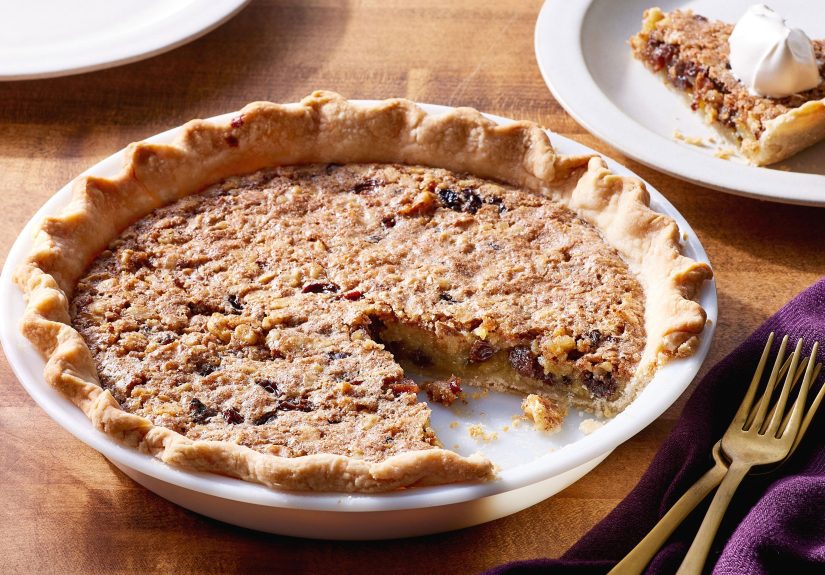
Raisins in a cream pie sound like a dare someone made at a church potluck in 1957. And yetone bite in, you’ll get it:
plump, sweet raisins tucked into a tangy-smooth custard, all snuggled into a flaky crust and topped with a cloud of whipped cream
(or a toasted meringue if you’re feeling dramatic).
This is the kind of old-fashioned dessert that surprises skeptics, wins over “I don’t even like raisins” people, and
mysteriously disappears from the fridge at midnight. Below is a tested, modernized way to make a classic raisin cream pie
with the best texture: creamy, sliceable, not runny, not rubbery, and definitely not “sad cafeteria pudding.”
What Is Raisin Cream Pie, Exactly?
“Raisin cream pie” is the umbrella name for a family of vintage American pies where raisins meet a creamy filling.
Some versions bake a sour-cream custard right in the crust; others cook a stovetop custard/pudding, fold in plumped raisins,
and finish with meringue or whipped cream. You’ll see it called sour cream raisin pie, raisin custard pie,
or even old-fashioned raisin pie depending on the region and the recipe box it came from.
The best versions share a few truths:
- Raisins need a little spa time (warm soak or simmer) so they turn juicy instead of chewy.
- The filling should set cleanlythink silky custard, not soup.
- A pre-baked crust matters because custard + raw crust = soggy-bottom heartbreak.
- Something bright (lemon, vinegar, or tangy dairy) keeps the sweetness from getting cloying.
Ingredients You’ll Need
For the crust
- 1 (9-inch) pie crust (homemade or store-bought), for a single-crust pie
- 1 egg (optional, for egg wash to keep the crust crisp)
For the raisin cream filling
- 1 1/2 cups raisins (dark, golden, or a mix)
- 1 cup water (plus more if needed)
- 2 tablespoons unsalted butter
- 3/4 cup granulated sugar
- 2 tablespoons light brown sugar (optional, for a warmer caramel note)
- 3 tablespoons cornstarch (or 1/4 cup all-purpose flour as an alternative)
- 1/4 teaspoon fine salt
- 1 teaspoon ground cinnamon
- Pinch of cloves or nutmeg (optional but highly recommended for “grandma’s pie” vibes)
- 2 large egg yolks
- 1 cup whole milk (or half-and-half for extra richness)
- 3/4 cup full-fat sour cream
- 2 teaspoons vanilla extract
- 1 tablespoon lemon juice (or 1 to 2 teaspoons apple cider vinegar)
- 1/2 cup chopped walnuts or pecans (optional)
Choose your topping
Option A: Whipped cream topping (easiest, chill-friendly)
- 1 cup heavy cream
- 2 tablespoons powdered sugar
- 1/2 teaspoon vanilla
Option B: Toasted meringue topping (classic, showy, slightly chaotic)
- 2 to 3 egg whites (from the eggs you used, if you separated extras)
- 1/4 teaspoon cream of tartar (or 1 teaspoon lemon juice)
- 6 tablespoons sugar
- Pinch of salt
Why these ingredients work (so you can improvise confidently)
- Sour cream + lemon adds gentle tang, preventing a one-note “sweet raisin” flavor.
- Cornstarch gives a clean slice and glossy custard; flour gives a softer, more old-school set.
- Egg yolks bring richness and that custard “body” without making the filling heavy.
- Butter rounds out the filling and makes it taste like you meant to impress people.
Step-by-Step: How to Make Raisin Cream Pie
1) Blind bake the crust (don’t skip this)
- Preheat oven to 375°F.
- Fit crust into a 9-inch pie dish. Crimp edges. Chill for 10 minutes (cold dough = less shrink).
- Line crust with parchment and fill with pie weights or dried beans.
- Bake 15 minutes, remove weights/liner, then bake 8–12 minutes more until lightly golden.
-
Optional but smart: brush the warm crust with a thin layer of beaten egg and bake 2 minutes.
This “seals” the crust and helps prevent sogginess. - Let crust cool while you make the filling.
2) Plump the raisins (aka “make them behave”)
- In a small saucepan, combine raisins and water.
- Bring to a gentle simmer for 5 minutes. Turn off heat and let sit 5 minutes.
- Reserve the liquid (don’t drain it off into the abyss). You’ll use it in the filling for extra flavor.
3) Build a silky custard that actually sets
-
In a medium saucepan (off heat), whisk together sugar, brown sugar (if using),
cornstarch, salt, and spices. - Whisk in milk until smooth, then whisk in egg yolks.
-
Set over medium heat and cook, whisking constantly, until the mixture thickens and just starts to bubble.
Once it bubbles, keep whisking for 60–90 seconds to fully activate the starch (this is the “slice insurance” step). - Remove from heat. Whisk in butter and vanilla.
-
Temper in the tang: whisk in sour cream a spoonful at a time until smooth, then whisk in lemon juice.
(Adding sour cream gradually prevents temperature shock and keeps the custard glossy.) -
Fold in the raisins and a few tablespoons of the reserved raisin liquid (start with 2–3 tablespoons).
Add nuts if using.
4) Fill, top, and finish
Whipped cream finish (recommended for stress-free success):
- Pour warm filling into the cooled crust. Smooth the top.
- Cover surface with plastic wrap (touching the custard) to prevent a skin.
- Chill at least 4 hours (overnight is even better).
- Before serving, whip cream + powdered sugar + vanilla to soft/medium peaks. Dollop or spread over pie.
Meringue finish (classic and pretty, but timing matters):
- Preheat oven to 350°F.
- Beat egg whites with cream of tartar and a pinch of salt until foamy, then gradually add sugar and beat to glossy peaks.
- Pour hot filling into the baked crust.
- Spread meringue over hot filling, sealing to the crust edges (this helps prevent “weeping”).
- Bake 10–12 minutes until golden on top. Cool fully, then chill before slicing.
Pro Tips for a Pie That Tastes Like It Came With a Blue Ribbon
Get the texture right
-
Cook the custard long enough after it bubbles. Starch needs a short boil to set properly. If you stop early,
you risk a loose filling that slumps like it had a long week. -
Chill time is non-negotiable. Cream pies set as they cool. If you cut early, you’ll get “pie parfait,” which is still delicious
just less photogenic.
Keep the crust crisp
- Blind bake fully until lightly golden, not pale.
- Egg wash seal is optional, but it’s a small step with big payoff.
- Cool the crust before adding filling if you’re doing whipped-cream style and chilling.
Make raisins taste amazing (not just “present”)
- Simmering raisins briefly softens them and releases flavor into the liquid. That liquid is basically raisin “tea,” and it belongs in the pie.
-
Want extra depth? Add 1 teaspoon orange zest or a tiny splash of rum to the raisin soak.
(Not enough to start a party, just enough to RSVP “interesting.”)
Variations: Pick Your Raisin Adventure
1) Amish-style raisin cream pie (extra tangy)
Increase sour cream to 1 cup and keep the lemon juice. The result is richer, slightly tangier, and very “Midwest diner in the best way.”
2) Rum-raisin cream pie (holiday energy)
Soak raisins in warm water plus 2 tablespoons dark rum for 15 minutes (or simmer then stir in rum off heat).
Finish with whipped cream and a dusting of nutmeg. This one tastes like it should come with a cozy sweater.
3) Nutty raisin cream pie (texture lovers unite)
Stir in 1/2 cup chopped walnuts or pecans. The crunch breaks up the creaminess and makes each bite feel intentional.
4) No-meringue, no-whip “simple top”
If you’re not topping-committed, serve slices with a dollop of Greek yogurt sweetened with a little honey and vanilla.
It’s not traditional, but it’s extremely pleasant and quietly sophisticated.
Serving Ideas
- Classic: chilled slice + whipped cream + a pinch of nutmeg.
- Holiday plate: add orange zest over the whipped cream and sprinkle toasted nuts.
- Diner style: warm coffee, cold pie, zero regrets.
Storage and Make-Ahead
- Refrigerate: Keep covered in the fridge for 3–4 days.
- Make-ahead: Bake crust and make filling a day ahead; top with whipped cream right before serving.
- Freezing: Not ideal for custard-based cream pies; texture can turn grainy after thawing.
FAQ: Raisin Cream Pie Questions People Actually Ask
Is raisin cream pie the same as old-fashioned raisin pie?
Not always. Old-fashioned raisin pie is often a double-crust pie with a thickened raisin filling (more jammy).
Raisin cream pie usually includes a custard or cream component (often sour cream) and may be topped with meringue or whipped cream.
Can I use golden raisins?
Absolutely. Golden raisins tend to be a bit brighter and fruitier. A 50/50 mix of dark and golden gives a nice “complexity without trying too hard” flavor.
My custard got lumpydid I ruin it?
Probably not. If you see lumps, immediately whisk off heat and strain the custard through a fine-mesh sieve before adding raisins.
The pie will still taste fantastic, and nobody will know you had a brief custard panic.
Why does meringue sometimes weep?
Meringue can weep if sugar isn’t fully dissolved, if it’s spread over cool filling, or if humidity is high.
Spreading meringue over hot filling and sealing it to the crust helps. Also: don’t underbeat the whites.
of Real-Life Raisin Cream Pie Experience (From the Pie Trenches)
The first time I tried making a raisin cream pie, I treated the raisins like background actors. You knowtoss them in,
hope for the best, assume the custard will “handle it.” That was adorable optimism. The raisins came out chewy, like they’d
packed for a hike, while the custard was smooth and confused about why it had company. Lesson one: raisins need a warm-up.
Five minutes of simmering turns them from “hard-working dried fruit” into “plump little flavor sponges,” and suddenly the pie
tastes like it has a plan.
Lesson two arrived when I got impatient and sliced the pie after two hours in the fridge. The filling held up for exactly
three secondslong enough to look confidentthen slowly relaxed into a creamy puddle. It tasted great, sure, but it also
looked like I’d served “raisin custard soup” in a crust bowl. The next day, after an overnight chill, the same pie sliced
like a dream: clean wedges, glossy interior, raisins suspended like they knew their assigned seats.
Raisin cream pie is basically a reminder that good things come to those who wait… and to those who own a fridge.
I’ve also learned the pie has a personality depending on the topping. Whipped cream is the easygoing friend: stable,
chill-friendly, and never makes you feel bad about humidity. Meringue is the dramatic friend: stunning, toasty, and occasionally
prone to tears (weeping). If you want the classic “vintage cookbook” look, meringue deliversespecially when you swirl it with
a spoon like you’re painting a cloud. But if you’re bringing this to a gathering where the pie might sit in a fridge next to
someone’s uncovered onion dip, whipped cream is the safer bet.
One of my favorite small upgrades is adding a tiny hit of brightnesslemon juice or even a teaspoon of vinegar (yes, vinegar).
It doesn’t make the pie taste sour; it makes it taste awake. Without it, raisin cream pie can drift into pure sweetness.
With it, the flavor snaps into focus: warm spices, creamy custard, fruity raisins, and that little tangy finish that keeps you
reaching for “just one more bite” and somehow ends up being… three.
Finally, this pie is a secret weapon for mixed crowds. Raisin skeptics see it and hesitate. Raisin lovers lean in like they’ve
spotted a long-lost cousin. And by the time plates are cleared, the skeptics are quietly asking, “Okay, what’s in this?”
That’s the charm of a good raisin cream pie recipe: it sounds old-fashioned, looks comforting, and tastes like it deserves a comeback tour.





 Close
Close