
Table of Contents >> Show >> Hide
- 1. Not Enough Storage That Works in Real Life
- 2. Open Shelving That Turns the Whole Room Into a Performance
- 3. Counter Space That Looked Fine Empty but Fails Once You Move In
- 4. Bad Lighting That Makes the Kitchen Feel Moody in All the Wrong Ways
- 5. Too Few Outlets and Awkward Power Placement
- 6. Outdated, Mismatched, or Wrong-Size Appliances
- 7. Trendy Materials That Need Constant Babysitting
- 8. Awkward Layouts and Islands That Fight the Room
- 9. Weak Ventilation That Makes the Kitchen Feel Stuffy, Smelly, and Harder to Keep Clean
- 10. Expensive “Luxury” Choices That Do Not Add Everyday Value
- How Buyers Can Avoid Kitchen Regret Before They Buy
- What This Looks Like in Real Life: The Experience Buyers and Agents Keep Describing
- Final Takeaway
The kitchen may be the heart of the home, but it is also the room most likely to hand out buyer’s remorse like party favors. People fall in love with a gorgeous backsplash, a dramatic island, or a faucet that looks like it belongs in a boutique hotel. Then they move in, unpack the blender, the air fryer, the coffee grinder, the Dutch oven, and approximately twelve water bottles nobody remembers buying, and suddenly the “dream kitchen” feels more like a very expensive obstacle course.
Ask real estate agents what buyers complain about after closing, and the pattern is surprisingly consistent. It is rarely the flashy stuff alone. The real regrets usually show up where beauty and daily life collide: not enough storage, poor lighting, awkward flow, outdated appliances, too few outlets, fussy materials, or trendy features that look fabulous in listing photos but behave badly in real life. In other words, buyers do not regret a kitchen because it is missing a marble halo and a celebrity-chef vibe. They regret kitchens that make breakfast harder than it needs to be.
That does not mean every kitchen needs a six-figure renovation and a dramatic slow-motion reveal. In fact, the smartest kitchens are usually the ones that balance style with function, feel current without screaming for attention, and work for actual humans who cook, snack, host, multitask, and occasionally stand at the counter eating shredded cheese straight from the bag.
Here are the kitchen features real estate agents say buyers regret most, why those regrets happen, and what today’s house hunters really wish they had noticed before signing on the dotted line.
1. Not Enough Storage That Works in Real Life
Storage regret hits fast. It usually begins around day three, right after the cereal boxes, sheet pans, small appliances, serving bowls, and giant warehouse-club paper towel pack arrive. Buyers often assume a kitchen has “plenty of storage” because it looks tidy during a showing. Of course it does. Nobody tours a house while the seller’s slow cooker, stand mixer, lunch containers, and snack stash are living their fullest truth on the counters.
The problem is not just the number of cabinets. It is whether the storage is useful. Deep corner cabinets that swallow cookware, skimpy upper cabinets, missing pantry space, and shelves that are more decorative than practical all create frustration. Real estate agents say buyers regularly underestimate how much closed storage matters until they actually move in and realize the kitchen has nowhere to hide the daily mess.
A good kitchen does not just store things. It stores the right things in the right places. That means pantry space for food, drawers that can handle pots and utensils, cabinets sized for real dishes, and enough room to keep the counters from looking like a garage sale by noon.
Why buyers regret it
Because clutter makes a kitchen feel smaller, more chaotic, and instantly more dated. A beautiful kitchen loses its charm fast when every surface becomes a backup pantry.
2. Open Shelving That Turns the Whole Room Into a Performance
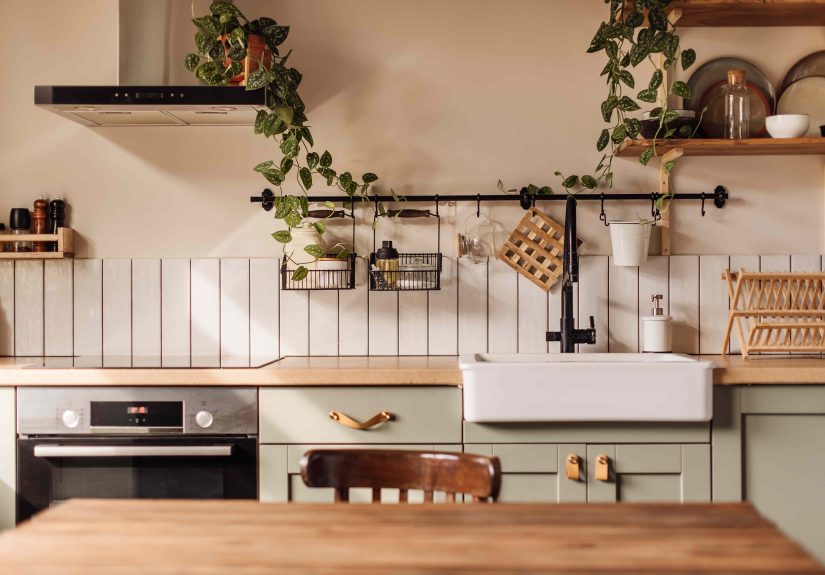
Open shelving is one of those kitchen features that photographs like a dream and lives like a part-time job. In listing photos, it says, “I am stylish, curated, and probably know how to arrange ceramic pitchers by color.” In real life, it says, “Dust me, style me, and please do not put your giant plastic salad spinner anywhere near me.”
Real estate agents and designers keep circling back to the same complaint: buyers love the look of open shelving until they remember they own normal stuff. Not everything deserves to be on display. Some items are bulky, mismatched, or just plain ugly. Others collect grease and dust faster than anyone expects, especially near the cooking zone.
Buyers regret open shelving most when it replaces too much cabinetry. A little open display can add personality. A whole wall of it can feel like the kitchen has confused itself with a lifestyle showroom.
Why buyers regret it
Because open shelves demand constant maintenance, visual discipline, and fewer belongings than most people actually have. That is not a design feature. That is a personality test.
3. Counter Space That Looked Fine Empty but Fails Once You Move In
Countertop regret is sneaky. During a showing, an empty counter can look generous. After move-in, buyers discover the prep zone disappears the moment the coffee maker, toaster, knife block, fruit bowl, and mail pile move in. Add one enthusiastic charcuterie night, and the kitchen starts feeling like a crowded subway platform.
Buyers consistently regret kitchens with too little usable prep space, not just too little surface area. A counter broken up by awkward corners, giant décor moments, or poor appliance placement can be almost as limiting as having no counter at all. The issue is even worse in kitchens with oversized sinks, decorative but impractical peninsulas, or islands that look massive but leave little uninterrupted room for actual cooking.
Real estate agents say buyers should think beyond the empty-house illusion. Where will the groceries land? Where do you chop vegetables? Where does the air fryer go? Where do school lunches get assembled while someone else is trying to make coffee? If the answer is “uh, maybe here?” that is your warning sign.
4. Bad Lighting That Makes the Kitchen Feel Moody in All the Wrong Ways
There is dramatic lighting, and then there is “Why am I chopping onions in a cave?” Buyers often fall for kitchens with one attractive overhead fixture and not nearly enough task lighting. It looks warm and charming at 2 p.m. on a sunny day. It is much less charming at 6:30 p.m. in February when you are trying to find the cumin.
Lighting regrets show up in three big ways: not enough overall brightness, no under-cabinet or task lighting where work actually happens, and lighting that creates shadows over prep areas. Real estate agents hear these complaints constantly because poor lighting affects everything. It changes how the kitchen looks, how safe it feels, and how functional it is during normal everyday routines.
The best kitchens layer light. Ambient lighting makes the room usable, task lighting makes it practical, and accent lighting makes it pretty. Buyers regret kitchens that stop at “pretty” and forget “usable.”
What buyers wish they had instead
Brighter counters, better under-cabinet lighting, more thoughtful fixture placement, and flexible lighting that works in both morning chaos and evening cleanup mode.
5. Too Few Outlets and Awkward Power Placement
Nothing says modern kitchen regret like having a thousand appliances and nowhere to plug them in. Buyers routinely underestimate outlet needs because during a showing, they are focused on finishes and layout, not whether there is a convenient place to plug in the blender without draping a cord across the sink like a bad idea.
Today’s kitchens are power-hungry. Coffee stations, mixers, air fryers, pressure cookers, chargers, under-cabinet gadgets, and home-office spillover all compete for space and electricity. A kitchen with too few outlets, poorly placed outlets, or no thoughtful appliance zones immediately feels behind the times, even if the cabinets and counters look current.
This is one of the most annoying regrets because it shows up every single day. Buyers can forgive a weird paint color for a while. They do not forgive having to unplug the toaster every time they want to use the kettle.
6. Outdated, Mismatched, or Wrong-Size Appliances
Appliance regret is about more than aesthetics, though yes, a random white refrigerator next to a stainless range and a black dishwasher can make a kitchen look like it was assembled by raffle. Buyers tend to read mismatched or aging appliances as a flashing sign that more expenses are coming. They start doing mental math before they even reach the pantry.
Real estate agents say buyers also regret appliance size mistakes. Sometimes the cooktop is too small for how they actually cook. Sometimes the refrigerator is huge but awkward. Sometimes there is no dishwasher at all, which is a surprise nobody enjoys after move-in. Other times the appliances are technically new-ish but cheaply chosen, poorly integrated, or out of proportion with the room.
The bigger issue is that appliances shape workflow. If they are old, mismatched, undersized, oversized, or badly placed, the whole kitchen feels off. And once buyers start picturing replacement costs, the romance tends to evaporate pretty quickly.
7. Trendy Materials That Need Constant Babysitting
Buyers adore pretty materials right up until they have to maintain them. This is where regret sneaks in wearing a very stylish outfit. High-maintenance counters, delicate finishes, butcher block in splash-prone areas, or surfaces that stain, scratch, warp, or show every crumb can feel like a luxury right until the first spaghetti sauce incident.
Butcher block, for example, can be lovely in the right application, especially on a small prep zone or accent island. But as a primary countertop around water-heavy areas, many buyers worry about sealing, scarring, and long-term durability. Other buyers regret super-trendy finishes because they date the room quickly or demand more care than expected.
The smartest kitchen surfaces tend to be the ones that look good on a random Tuesday, not just after an elaborate photo shoot. Buyers regret kitchens that ask too much from them in exchange for looking interesting for six months.
8. Awkward Layouts and Islands That Fight the Room
Some kitchen regrets are less about the parts and more about the choreography. A kitchen can have good cabinets, good counters, and good appliances and still feel terrible if the layout is awkward. Real estate agents often point to bad flow as the most expensive regret because it is the hardest thing to fix after move-in.
Maybe the refrigerator door blocks the main path. Maybe the island is so large it creates a traffic jam. Maybe the sink, stove, and fridge are scattered like they are not on speaking terms. Maybe a peninsula steals movement instead of adding function. Maybe the room works for one cook but turns into bumper cars the minute a second person walks in.
Buyers increasingly want kitchens that feel open and social, but open does not mean chaotic. A big island is not automatically a win. A giant island in a too-tight room can make the kitchen feel cramped, not grand. The right layout supports cooking, cleaning, serving, and movement without making everyone sidestep like they are in a dance rehearsal they did not consent to.
The red flag to watch
If a kitchen makes you detour, squeeze, pivot awkwardly, or open only one thing at a time, it is not charming. It is exhausting.
9. Weak Ventilation That Makes the Kitchen Feel Stuffy, Smelly, and Harder to Keep Clean
Ventilation is not the sexiest kitchen topic, which is exactly why buyers miss it. Nobody walks into an open house and says, “Tell me more about your pollutant capture strategy.” But after move-in, weak ventilation gets real very quickly. Cooking odors linger, grease settles where it should not, moisture hangs around, and the whole room feels harder to maintain.
Buyers regret kitchens with underpowered hoods, no exterior venting, or ventilation that is treated like an afterthought. It is one of those invisible features that becomes very visible once you start using the space. Good ventilation supports comfort, cleanliness, and indoor air quality. Bad ventilation makes everything feel heavier.
This regret is especially frustrating because it often hides behind an otherwise beautiful design. A dramatic hood can still perform poorly. A microwave over the range is not always enough. And no, opening a window every time you sear chicken is not a sophisticated long-term plan.
10. Expensive “Luxury” Choices That Do Not Add Everyday Value
Not every regretted kitchen feature is cheap or outdated. Sometimes buyers regret the opposite: a kitchen packed with expensive choices that do not actually improve daily life. Think ultra-niche finishes, restaurant-style splurges that overwhelm the room, or upscale upgrades that eat budget without solving practical problems.
Real estate professionals often see a mismatch between what looks impressive and what truly performs. Buyers may admire a showpiece kitchen at first, then realize they would rather have better storage, better lighting, matching appliances, and a more useful pantry than one fancy statement item that burns through the renovation budget.
That is one reason smaller, smarter, well-balanced updates tend to age better than dramatic overhauls built around bragging rights. Function has a longer shelf life than flexing.
How Buyers Can Avoid Kitchen Regret Before They Buy
The best way to judge a kitchen is not to ask whether it looks good for ten minutes. Ask whether it works for ten years.
During a showing, buyers should mentally move in. Count the outlets. Open the cabinets. Picture where the trash can goes. Look for pantry space. Test the flow from sink to stove to refrigerator. Notice whether the island helps or hinders movement. Check whether the lighting actually reaches the counters. Look at the appliance sizes, ages, and finishes. Ask where the hood vents. Then imagine a normal Wednesday night, not a dreamy open-house afternoon with staged lemons and no dishes in sight.
That is the moment when the real kitchen reveals itself.
What This Looks Like in Real Life: The Experience Buyers and Agents Keep Describing
Talk to enough real estate agents, and you start hearing the same kitchen story told with different paint colors. The buyers walk in, pause dramatically, and say, “Wow.” The cabinets are pretty. The counters sparkle. The pendant lights are doing their absolute best. There is an island large enough to qualify for its own zip code. Everyone is impressed. Then the practical questions begin, and the kitchen starts losing a little of its magic.
One buyer opens a cabinet and realizes the shelves are so shallow that cereal boxes will have to live sideways like embarrassed guests. Another notices that the gorgeous open shelving leaves no home for bulky cookware, plastic storage containers, or the slow cooker their aunt insists is “life-changing.” Someone else spots the lack of under-cabinet lighting and suddenly imagines slicing a bagel in their own shadow forever. Romance, as they say, fades.
Agents say one of the biggest experience-based regrets comes from kitchens that were designed for showing, not living. A seller may style the counters with one tasteful bowl, one cookbook, and one suspiciously photogenic loaf of bread. Buyers fall for the clean look, only to discover later that the kitchen can hold either the coffee machine or the toaster, but not both without launching a territorial dispute. By move-in week, the counters are crowded, the room feels smaller, and the “airy” kitchen starts feeling oddly bossy.
Then there is the appliance experience. In person, shiny finishes can distract buyers from basic questions such as: Does this dishwasher exist? Is that refrigerator the right size? Why are all three major appliances from different decades like a multigenerational family reunion? Agents say buyers often do not notice these details until their second or third visit, if they notice them at all before closing. Afterward, every mismatched finish and every aging motor sounds like money leaving the building.
Layout regret tends to be even more emotional, because it cannot be solved with a quick trip to the hardware store. Buyers describe kitchens that seemed open and social during a tour but become irritating during real life. Two people cannot pass each other without side-stepping. The fridge door blocks the walkway. The island looks grand but traps everyone in a weird kitchen traffic loop. The stove sits too far from the sink, the sink sits too far from the fridge, and dinner starts to feel like cardio.
Agents also hear from buyers who are surprised by maintenance. Open shelves collect grime. Delicate countertops require more caution than expected. Weak ventilation leaves lingering smells after cooking fish, bacon, or anything involving enthusiasm. A dramatic kitchen can be fun for a photo, but the lived experience is where regret either grows or disappears.
The happiest buyers, according to agents, are usually not the ones who bought the flashiest kitchen. They are the ones who bought the kitchen that quietly made sense. Enough storage. Good light. Matching appliances. Sensible flow. Strong ventilation. Surfaces that can survive spaghetti night, science-project crumbs, and a rushed Monday morning. It may not be the kitchen that gets the longest gasp at the open house. But it is the one people still appreciate long after the moving boxes are gone.
Final Takeaway
The kitchen features buyers regret most are rarely the ones that looked boring. They are the ones that looked exciting and turned out to be inconvenient. That is the real lesson from agents who watch buyers fall in and out of love with kitchens every week. Style matters, absolutely. But the kitchens that age best are the ones that respect daily life.
So before getting hypnotized by dramatic shelves, giant islands, or flashy finishes, ask a simpler question: Will this kitchen still make sense when the groceries arrive, dinner gets messy, and nobody has time to keep the olive oil bottle posed at the perfect angle? If the answer is yes, you may have found the right one. If the answer is no, congratulations: you just avoided a very expensive relationship mistake.







 Close
Close