
Table of Contents >> Show >> Hide
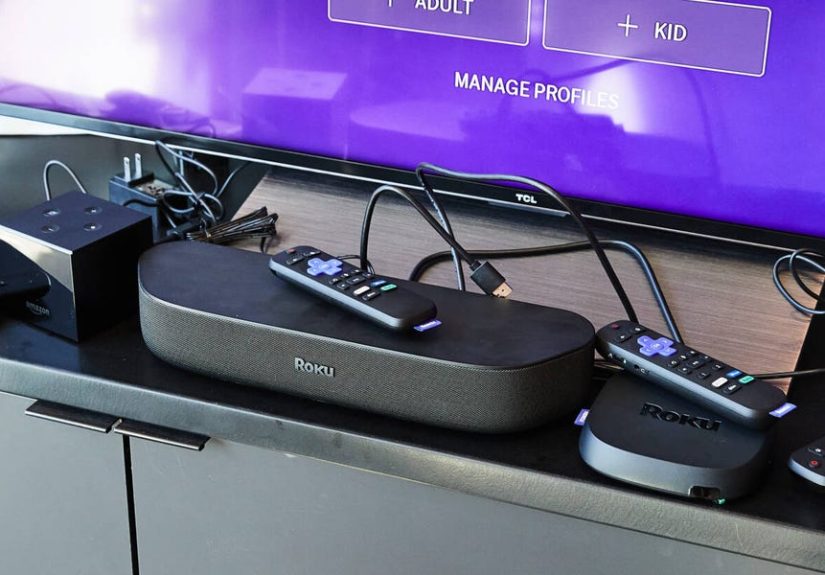
If you are trying to choose between Roku and Firestick, welcome to one of the most surprisingly dramatic rivalries in modern living rooms. On one side, Roku is the calm, practical friend who shows up on time, doesn’t overtalk, and knows exactly where the remote should go. On the other side, Firestick is the energetic cousin who arrives with Alexa, a shopping ecosystem, cloud gaming ambitions, and just enough confidence to rearrange the furniture.
Both are popular for a reason. They are affordable, easy to set up, and far better than the sluggish smart TV software that comes preloaded on many televisions. But the best choice depends less on the device itself and more on how you actually watch TV. Do you want a clean, simple streaming experience? Or do you want a more feature-packed system that leans into Amazon services, voice control, and smart home tricks?
Here is the real answer: neither device is universally “better.” Roku is usually the safer pick for simplicity, while Firestick often wins for power users, Alexa fans, and Prime households. The devil, as always, is hiding behind your TV near the HDMI port.
Roku Vs. Firestick: The Short Answer
If you want the shortest possible version, buy Roku if you value an easy interface, a neutral home screen, and a setup that grandparents, guests, kids, and sleepy adults can all understand in under five minutes. Buy Firestick if you already use Amazon Prime, prefer Alexa, want stronger smart home integration, or like the idea of a more aggressive content-discovery engine.
Think of it this way: Roku feels like a streaming device first. Firestick feels like a streaming device that also wants to be your entertainment concierge, smart home hub, and occasionally your digital hype man.
What Roku and Firestick Have in Common
They both solve the same problem
At their core, Roku and Firestick exist to make your TV smarter, faster, and more useful. They plug into an HDMI port, connect to Wi-Fi, and give you access to major streaming apps like Netflix, Prime Video, Hulu, Disney+, Max, YouTube, and more. They also support voice search, have compact remotes, and usually cost far less than upgrading to a new television.
They both offer strong value
This is one reason the Roku vs. Firestick debate never goes away. Both platforms make a lot of sense for budget-conscious buyers. You can get an entry-level HD model cheaply, step up to 4K for a modest price, and still spend far less than you would on a premium streaming box. In other words, both devices are good at stretching your dollar without stretching your patience too far.
They both beat many built-in smart TV systems
Let’s be honest: a lot of built-in TV operating systems age like milk in a heat wave. App support gets spotty, menus get slower, and software updates become a distant memory. Dedicated streaming devices are often faster, more consistent, and easier to replace later. That alone is a compelling reason to buy either Roku or Firestick instead of relying only on your TV’s native software.
Where Roku Wins
1. A cleaner, less pushy interface
The biggest reason many people choose Roku is simple: the interface is easier on the brain. The home screen is app-first, grid-based, and straightforward. Inputs, streaming services, and settings are all laid out in a way that feels familiar almost immediately. Roku is not free from ads or promotions, but compared with Fire TV, it usually feels less cluttered and less determined to recommend twelve things before breakfast.
If you want a streaming platform that basically says, “Sure, here are your apps, go nuts,” Roku is hard to beat.
2. Better for mixed households
Roku is also a strong choice for households where not everyone lives in the same tech ecosystem. Maybe one person uses an iPhone, another has an Android phone, someone else watches only live news, and one family member still refers to streaming as “the Netflix machine.” Roku tends to handle that kind of chaos gracefully.
Its learning curve is low, the remote is easy to explain, and the overall navigation feels more universal. That matters more than people expect. A device can have amazing specs, but if half the house hates using it, congratulations, you have purchased a tiny rectangle of resentment.
3. Strong Apple friendliness
Roku has an edge for Apple users because many compatible Roku devices support AirPlay and HomeKit. That means it is relatively easy to beam photos, videos, and other content from an iPhone, iPad, or Mac to the TV. If your home includes Apple devices but you do not want to pay Apple TV 4K money, Roku starts looking pretty appealing.
4. A more convincing premium upgrade path
If you move beyond the cheapest sticks, Roku’s lineup is nicely tiered. The Roku Streaming Stick line is built for simplicity and portability, while the Roku Ultra gives buyers a true step-up model with faster performance, Wi-Fi 6, Ethernet, USB, Dolby Atmos support, and a better remote. That makes Roku especially appealing for people who want a simple interface now but might want a more advanced box later.
Where Firestick Wins
1. Better for Amazon households
If you already live inside Amazon’s ecosystem, Firestick makes a lot of sense. Prime Video is deeply integrated, Alexa voice control feels natural, and Amazon’s device ecosystem works together in a way Roku simply does not try to match. If you already own Echo speakers, Ring cameras, smart plugs, or other Alexa-compatible gear, Fire TV feels more like an extension of the setup you already have.
2. Stronger smart home controls
This is one of the clearest differences between Roku and Firestick. Fire TV can act as a smart home dashboard, letting you view compatible camera feeds, control lights, plugs, and other connected devices from the television. For smart home enthusiasts, this is not a gimmick. It can be genuinely useful. If your doorbell rings during a movie, checking the camera on the TV feels delightfully futuristic.
Roku has smart home features of its own, but Fire TV is more deeply integrated into a broader voice-assistant ecosystem. If smart home control is a priority, Firestick usually wins that round without breaking a sweat.
3. More ambitious search and discovery
Fire TV tends to be more recommendation-heavy and content-forward. Some people hate that because it can feel busy and overly promotional. Others love it because it helps them find something to watch faster. Amazon has also leaned harder into AI-powered search and cross-app discovery, which can be useful if your current method of picking a show is staring at the screen until your snacks run out.
4. Premium stick performance
When you compare higher-end sticks, Fire TV gets especially competitive. The Fire TV Stick 4K Max adds more horsepower, more storage, Wi-Fi 6E, Ambient Experience, and extras like cloud gaming support. In plain English, it feels like Amazon is trying to squeeze more premium-box energy into a streaming stick form factor.
That does not automatically make it the best choice for everyone. But if you care about raw features, Fire TV’s upper-tier sticks are hard to ignore.
5. Better for tinkerers and power users
Firestick also has a reputation for appealing to tinkerers. Some buyers like the flexibility of Fire OS, the broader Alexa tie-ins, and the fact that Amazon keeps throwing new features at the platform. If you are the kind of person who enjoys squeezing extra value out of your gadgets, Firestick may feel more fun. Roku, by comparison, is less flashy but often more disciplined.
Roku Vs. Firestick by Category
| Category | Winner | Why |
|---|---|---|
| Ease of use | Roku | Cleaner menus, simpler layout, less friction for everyday users. |
| Smart home integration | Firestick | Better Alexa support and more useful on-TV controls for connected devices. |
| Apple friendliness | Roku | AirPlay and HomeKit support make it easier for iPhone and Mac users. |
| Content discovery | Firestick | More recommendation-driven, more voice-first, and more aggressive about helping you find shows. |
| Neutral interface | Roku | Feels less tied to one company’s media ecosystem. |
| Advanced stick features | Firestick | Higher-end models bring faster performance, more storage, Wi-Fi 6E, and extra features. |
| Premium box option | Roku | Roku Ultra remains a compelling choice for people who want more than a stick. |
| Best for most people | Roku | Simplicity wins in ordinary living rooms. |
Which Roku or Firestick Should You Buy?
Buy Roku if you want less drama
Choose Roku if you want a reliable, uncomplicated streaming device that does the basics really well. It is excellent for shared households, older users, Apple-adjacent homes, and anyone who values ease over experimentation. If your dream streaming experience is “I press one button and everything behaves,” Roku speaks your language.
Buy Firestick if you want more features
Choose Firestick if you use Alexa regularly, subscribe to Amazon Prime, enjoy voice features, or want better smart home integration. It is especially appealing if you like tech that feels busy in a good way: lots of recommendations, lots of shortcuts, and lots of ecosystem perks. Firestick is not shy, and for the right buyer, that is a strength.
Buy the premium model if performance matters most
If your current smart TV is painfully slow, stepping up to a higher-end model is worth considering. On the Roku side, that means the Roku Ultra. On the Amazon side, that usually means the Fire TV Stick 4K Max. These models make the strongest case for their respective ecosystems because they reduce lag, improve navigation, and feel less like disposable add-ons.
Real-World Examples
Example 1: The family TV room. If three or four people use the same television and not all of them are tech-savvy, Roku is often the smarter pick. It is easier to teach, easier to troubleshoot, and less likely to confuse people with a homepage full of recommendations and promotions.
Example 2: The Prime Video superfan. If you watch a lot of Prime Video, order from Amazon constantly, and already own Echo devices, Firestick feels more native. The whole system makes more sense when your entertainment habits already orbit Amazon.
Example 3: The traveler. Both devices travel well, but Roku’s portable sticks are especially convenient if you want something small and simple for a hotel or vacation rental TV. Firestick also works well on the go, but some users may prefer Roku’s cleaner setup flow in unfamiliar environments.
Example 4: The smart home nerd. If you want to pull up camera feeds, use voice controls naturally, and treat your TV like a command center, Firestick is the more obvious fit. Roku can do some of this, but Fire TV leans into it much harder.
What the Day-to-Day Experience Actually Feels Like
Specs are helpful, but daily use tells the real story. In real life, Roku tends to disappear into the background in the best possible way. You turn it on, open an app, watch your show, and move on with your life. The menus are easy to scan, settings are not hidden in a labyrinth, and even people who claim to “hate technology” often warm up to Roku quickly. It feels calm. Predictable. Almost suspiciously well-behaved.
That makes Roku great for bedrooms, guest rooms, family rooms, and any TV shared by multiple people. If your parents visit and want to watch something, Roku is less likely to trigger a twenty-minute support call. If your kids grab the remote, the home screen does not feel like a giant invitation to wander into five different layers of recommendations before opening the one app they were supposed to use. And if you mostly know what you want to watch already, Roku’s minimalism is a blessing.
Firestick creates a different vibe. It feels more active, more personalized, and more eager to guide the experience. Some people love this immediately. Fire TV often feels smarter when it comes to voice commands and ecosystem integration. Saying, “Alexa, play my show,” feels natural. Pulling up a camera feed on the TV feels slick. Browsing content can be faster when the homepage already surfaces things you might want. If you like being nudged toward new movies, shows, channels, and features, Firestick can feel dynamic rather than cluttered.
But that same energy can also be a little much. Fire TV’s interface can feel busier, and the Amazon-first flavor is hard to miss. For some viewers, that is no problem at all. For others, it feels like shopping accidentally moved into the living room and unpacked its bags. This is where personal taste matters more than benchmark scores or marketing terms.
Another real-world difference is household loyalty. In a home built around Alexa, Firestick feels natural. In a mixed-tech household, Roku often feels more neutral. In a house full of Apple devices but without the desire to pay for Apple TV hardware, Roku can be a very comfortable middle ground. In a home where people mainly watch Prime Video, use Ring cameras, and love voice commands, Firestick may feel like the obvious winner.
There is also the mood factor. Roku is for people who want technology to sit down and be quiet. Firestick is for people who do not mind technology chatting a little. Neither approach is wrong. They are simply different personalities living behind the TV. The best streaming device is not the one with the loudest feature list. It is the one that matches how you actually relax after a long day.
Conclusion
In the Roku vs. Firestick battle, the best pick depends on what you value most. Roku is usually the better choice for people who want a simple, clean, easy-to-use streaming experience with broad mainstream appeal. Firestick is often the better choice for Amazon fans, Alexa users, and buyers who want a streaming stick that does more than just stream.
If you want the safest recommendation for most households, Roku wins on usability. If you want the more feature-rich ecosystem with smarter voice controls and stronger smart home ties, Firestick has the edge. Either way, both are far better than arguing with your TV’s built-in software while your popcorn gets cold.





 Close
Close