
Table of Contents >> Show >> Hide
- Quick Definitions (So We’re Speaking the Same Appliance Language)
- Slide-In vs. Drop-In: Side-by-Side Comparison
- Design & Fit: The “Seamless” Part Isn’t Automatic
- Installation Reality Check: What Your Kitchen Must Be Ready For
- Cooking Performance: Style Doesn’t Decide Whether Your Cookies Bake Evenly
- Cleaning & Maintenance: The Crumb Factor Is Real
- Front Controls, Families, and Accidental Knob “Boops”
- Availability, Price, and Long-Term Practicality
- Which One Should You Choose? A Simple Decision Guide
- Measurement Checklist (Don’t Skip This Part)
- FAQ: Fast Answers to Common “Wait, What?” Questions
- Real-World Experiences: What It’s Like Living With Slide-In vs. Drop-In (Extra Insights)
- 1) The “Beautiful Backsplash” Victory Lap
- 2) The Gap Abyss (and the Great Pea Disappearance)
- 3) The Drawer You Didn’t Know You Loved (Until It Was Gone)
- 4) Front Controls: Convenient… and Sometimes Too Convenient
- 5) Remodel Timing: The Range Can Dictate the Countertop (Yes, Really)
- 6) The Replacement Problem Nobody Plans For
- Conclusion: Pick the Range That Fits Your Kitchen (and Your Life)
Shopping for a new range feels simple until the universe hits you with two nearly identical words that somehow
mean “could require a countertop makeover.” Welcome to the slide-in vs. drop-in range debate:
both aim for that sleek, built-in look… but they get there in very different ways. This guide breaks down
how each style fits, installs, cooks, cleans, and costsso you can choose the one that looks intentional
(instead of “I hope the delivery team can freestyle carpentry”).
Quick Definitions (So We’re Speaking the Same Appliance Language)
What is a slide-in range?
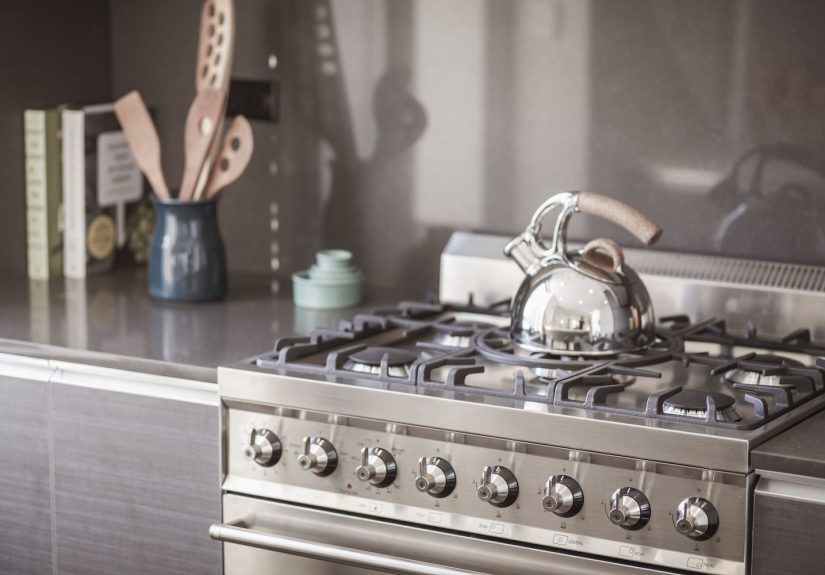
A slide-in range is designed to fit between two base cabinets and typically has
front controls with no backguard. Many “true” slide-in models have a
cooktop lip or edge that slightly overlaps the countertop to help minimize side gaps and create a more
built-in look.
What is a drop-in range?
A drop-in range is the “most built-in” of the built-in-looking ranges. It’s designed to
be installed within a cabinet surround and often sits above a strip of cabinetry (or a custom base) below.
Many drop-in designs don’t include a bottom storage drawer, because the cabinetry provides that function instead.
Important note: “Front-control range” is a term that can confuse shoppers. Some freestanding ranges
have front controls and mimic the slide-in look, but installation and side panels may differ. If you’re chasing
that seamless built-in finish, the installation specs matter as much as the selfie-angle photos.
Slide-In vs. Drop-In: Side-by-Side Comparison
| Feature | Slide-In Range | Drop-In Range |
|---|---|---|
| Overall look | Sleek built-in appearance; often overlaps countertop edges | Most integrated “custom” look; framed by cabinetry |
| Installation difficulty | Usually easier than drop-in; still requires careful fit | More custom cabinetry/cutout planning; can be the fussiest option |
| Bottom storage | Often includes a storage/warming drawer (model-dependent) | Commonly no drawer; storage is typically built into cabinets below |
| Best for | Most remodels; replacing an existing range; islands/backsplashes | Full kitchen renovations; custom cabinetry; furniture-style installs |
| Availability | Widely available across fuel types and brands | More limited selection; commonly electric-only in many lineups |
| Typical cost | Generally higher than freestanding; install cost varies | Often pricier when you include custom cabinet work |
Design & Fit: The “Seamless” Part Isn’t Automatic
If your goal is a clean, uninterrupted countertop line, both styles can get you therebut they take different routes.
Slide-in ranges often rely on a cooktop edge that overlaps the counter (reducing those crumb-catching side gaps).
Drop-in ranges lean on cabinetry and a tighter “framed” installation for a furniture-like finish.
Backguard or no backguard?
Both slide-in and drop-in ranges typically skip the tall back panel (backguard), which is great if you’ve invested in a
fancy backsplash and would prefer not to hide it behind an appliance “billboard.” With controls on the front, you also
avoid reaching over hot cookware to adjust settingswhich your forearms will appreciate.
Unfinished sides: the detail that ruins plans (and photos)
Many true slide-in and drop-in ranges are meant to be installed between cabinets and can have unfinished sides.
That means they may look awkward at the end of a cabinet run unless the manufacturer offers side panels (and unless your
layout allows them). If your range sits on an “open” side, verify side-finish options before you fall in love with a model.
Installation Reality Check: What Your Kitchen Must Be Ready For
Here’s the honest truth: slide-in vs. drop-in is often less about cooking and more about
carpentry, measurements, and existing cutouts. This is where the right choice saves you from
surprise countertop surgery.
Slide-in installation: usually simpler, still precise
- Cutout fit matters. Slide-in ranges are designed to nest between cabinets; some need the countertop to overlap the cooktop edges.
- Depth can be tricky. Depending on your model and kitchen setup, you may need small adjustments behind the unit for a flush look.
- More forgiving than drop-in. In many kitchens, a slide-in is the “upgrade path” when you want built-in style without a full cabinet redesign.
Drop-in installation: the most custom
- Cabinet base support. Drop-in ranges typically install into a cabinet surround and can sit above a strip of cabinetry or custom base below.
- Often no storage drawer. Plan storage elsewhere (or build it below in cabinetry).
- Configuration limitations. In many product lines, drop-in ranges are offered only in electric configurations, and the category is generally less common.
Safety isn’t optional: anti-tip protection
No matter which type you choose, proper installation should include the required anti-tip safety device/bracket.
It’s not glamorous, but it’s a big dealespecially in homes with kids, energetic pets, or adults who treat the oven door
like a temporary stool (please don’t).
Cooking Performance: Style Doesn’t Decide Whether Your Cookies Bake Evenly
People sometimes assume “drop-in must cook better because it looks fancier.” Not necessarily. Performance depends more on
the burner system, oven design, and features like convection or
induction than on whether the unit slides in or drops in.
What to shop for (regardless of style)
- Power and control: Look for strong high-heat output for searing plus low simmer stability.
- Convection: Helpful for roasting and multi-rack baking; quality varies by brand/model.
- Induction vs. radiant vs. gas: Induction is fast and responsive (with compatible cookware). Gas gives visual flame control. Radiant electric is common and straightforward.
- Oven capacity and rack design: If you cook big meals, pay attention to usable space and rack adjustability.
Cleaning & Maintenance: The Crumb Factor Is Real
If you’ve ever watched a pea roll into the “gap abyss” beside a range and disappear forever, you already understand why
installation style affects cleaning. Slide-in ranges often reduce side gaps with an overlapping cooktop edge.
Drop-in ranges can look ultra-flush when installed correctly, but the surrounding trim/cabinet edges may need more careful wiping.
Easy cleaning wins
- Slide-in: Often fewer side crumbs due to overlap design; front controls can be easier to wipe down.
- Drop-in: Gorgeous integrated look, but keep an eye on seams where cabinetry meets the appliance for grease and dust buildup.
Front Controls, Families, and Accidental Knob “Boops”
Front controls are convenient and modernbut they can also be easier to bump, especially if you have curious kids, cats,
or that one friend who talks with their hands like they’re conducting an orchestra. Many ranges include a
Control Lock feature; use it. If you’re shopping, prioritize models with lockable controls and clear safety design.
Availability, Price, and Long-Term Practicality
In everyday shopping, slide-in ranges are usually easier to find than true drop-in ranges.
Drop-ins exist, but the selection can be limited, and the cabinet requirements can make replacements more complicated later.
Slide-ins are often the sweet spot: upgraded look, broad choices, and fewer custom constraints.
Budget reality (the “hidden costs”)
- Unit cost: Slide-in and drop-in styles can cost more than basic freestanding models.
- Install cost: Drop-ins may require extra cabinet/countertop work; slide-ins may require precise fitting and sometimes trim/adjustments.
- Future replacement: A highly custom drop-in cutout can limit your options later if a model is discontinued.
Which One Should You Choose? A Simple Decision Guide
Choose a slide-in range if…
- You want a built-in look without committing to major cabinet reconstruction.
- You’re replacing an existing 30-inch range cutout and want a cleaner finish.
- You value easier shopping and broader model selection (gas, electric, induction).
- You want that overlap design that helps reduce side gaps and mess.
Choose a drop-in range if…
- You’re doing a full remodel with custom cabinetry and want the most integrated, furniture-style look.
- You’re comfortable planning cabinetry below (instead of relying on a storage drawer).
- Your layout and product choice align with the category’s more limited availability.
Measurement Checklist (Don’t Skip This Part)
Most kitchen regret starts with “I measured… kind of.” Here’s a quick checklist to keep your install day calm and boring
(which is exactly what you want).
- Measure cutout width cabinet-to-cabinet (front and back). Standard openings are commonly designed around 30-inch ranges.
- Measure cutout depth from wall to cabinet front (watch baseboards and uneven walls).
- Measure height from floor to countertop on both sides (floors love to be uneven).
- Confirm fuel type (gas vs electric vs induction) and electrical requirements.
- Check ventilation (especially if you want downdraft or have an island setup).
- Confirm side exposure (end-of-run installs may need finished sides or accessory panels).
- Read the install specs for clearance, anti-tip bracket placement, and countertop compatibility.
FAQ: Fast Answers to Common “Wait, What?” Questions
Is a slide-in range the same as a front-control range?
Not always. Some freestanding ranges have front controls and no backguard to mimic the look, but they may have finished sides and
install differently. The installation guide (and whether the cooktop overlaps the counter) is the tie-breaker.
Can I replace a drop-in with a slide-in?
Sometimesbut it may require cabinet/countertop modifications. Drop-in installs can be more custom, so swapping styles isn’t always plug-and-play.
Treat it like a remodel decision, not just a shopping decision.
Do slide-in ranges always prevent gaps?
Many do reduce gaps with an overlapping cooktop design, but fit still depends on how square your cabinets are, how accurate your cutout is,
and whether the model is a true slide-in versus a look-alike.
Real-World Experiences: What It’s Like Living With Slide-In vs. Drop-In (Extra Insights)
Specs are helpful, but the day-to-day experience is where the differences become obvious. Here are common real-home scenarios people run into
when choosing between a slide-in and a drop-in rangeshared as practical lessons, not horror stories (okay, maybe one tiny countertop drama).
1) The “Beautiful Backsplash” Victory Lap
Homeowners who pick slide-in or drop-in models often love one immediate perk: the backsplash finally gets to be the main character.
With no bulky backguard blocking tile or stone, your kitchen looks more open and intentional. The surprise? You may want to plan a little
extra wall protection behind the range. Without a raised back panel, splatters land on the wall or backsplash more directlyso sealed grout,
wipeable surfaces, and a good hood feel even more worth it. The vibe is: “Pinterest,” but with a microfiber cloth nearby.
2) The Gap Abyss (and the Great Pea Disappearance)
People who switch from freestanding to a true slide-in often celebrate the reduction in side gaps. It’s not just about looksless space beside
the range means fewer crumbs and spills dropping into the void. Many describe it as a “why didn’t I do this sooner?” upgrade. Meanwhile,
drop-in owners report that when the cabinetry fit is done well, it’s incredibly clean visuallybut they still pay attention to seams between the
appliance and surrounding trim. Translation: both can be neat, but slide-in overlap tends to be more forgiving if your cabinets aren’t perfectly square.
3) The Drawer You Didn’t Know You Loved (Until It Was Gone)
This is a big one. Slide-in ranges often include a storage or warming drawer underneath. Even if you don’t think you use it, it’s usually holding
something importantsheet pans, a Dutch oven, your “emergency” pizza stone, or the one skillet you swear makes eggs taste better. When homeowners
move to a drop-in range, they sometimes forget that drawer disappears. The fix is simpleplan cabinetry storage below. But the experience is also
predictable: for the first month, you’ll open the cabinet under the new drop-in like it’s going to magically become a drawer. (It won’t. Cabinets do not evolve.)
4) Front Controls: Convenient… and Sometimes Too Convenient
Front controls are loved for everyday cooking because you don’t reach over heat to adjust settings. But households with small kids or pets often
mention a learning curve: knobs can be bumped. Some people adopt the “control lock is life” routine. Others keep the range area clear, teach kids
kitchen boundaries, and stay consistent about checking the cooktop before leaving the room. The best experiences come from choosing a model with
a strong lock feature and using it as a habit, not as an occasional “oops” button.
5) Remodel Timing: The Range Can Dictate the Countertop (Yes, Really)
During renovations, people frequently learn that their range choice affects countertop decisions. Slide-ins often play nicely in standard 30-inch
openings, but details like countertop thickness, overhang, and depth can change how flush the final look is. Drop-ins can be even more demanding
because the cabinet base, trim, and cutout must align for that “dropped-in” effect. The best remodel experiences happen when the appliance specs
are in hand before counters are cutnot after. It’s the difference between “custom kitchen” and “custom problem-solving.”
6) The Replacement Problem Nobody Plans For
A subtle real-world issue: what happens 8–12 years from now when you want to replace the range? Slide-in owners usually have an easier time,
because there are plenty of comparable slide-in models in the market and many kitchens stick to the common 30-inch footprint. Drop-in owners love
the built-in look, but some report that future replacement shopping can take more patiencemodels may be less common, and cabinet constraints can
narrow choices. The practical lesson: if you go drop-in, keep your install documentation and cutout dimensions. Your future self will thank you.
Conclusion: Pick the Range That Fits Your Kitchen (and Your Life)
If you want the clean, built-in look with broad options and typically simpler planning, a slide-in range is usually the safest bet.
If you’re doing a true custom kitchen and want the most integrated furniture-style appearance, a drop-in range can be stunningjust
plan the cabinetry and long-term replacement path carefully. Either way, measure twice, read the install specs once more, and choose the features
you’ll actually use (because nobody needs a “smart oven” that only texts you to brag that it preheated).





 Close
Close