
Table of Contents >> Show >> Hide
- Why a Soda Crate Makes a Great Jewelry Organizer
- Before You Build: Plan the Layout Like a Pro
- Materials and Tools You’ll Likely Need
- How to Make a Soda Crate Jewelry Organizer
- Jewelry-Safe Storage Rules That Make This DIY Actually Work
- Design Ideas to Make Your Organizer Look Custom
- Common Mistakes to Avoid
- Maintenance and Long-Term Care
- 500-Word Experience Section: What People Love About Using a Soda Crate Jewelry Organizer
- Conclusion
A soda crate jewelry organizer is one of those rare DIY ideas that checks every box: it’s practical, charming, budget-friendly, and just the right amount of “I made this and now I can’t stop staring at it.” If your necklaces are living in a tangled soap-opera pile, your earrings keep playing hide-and-seek, and your rings are scattered across three different dishes (plus one mysterious coat pocket), an upcycled soda crate can become your new favorite fix.
The beauty of this project is that it blends two smart ideas into one: vintage-style crate storage and jewelry-friendly organization. Instead of hiding everything in a crowded box, you can create a custom system with hooks, mesh, mini trays, and soft-lined compartments that keeps pieces visible, organized, and protected. Think of it as a tiny boutique display for your own collection.
In this guide, you’ll learn how to plan, build, and style a soda crate jewelry organizer that looks great and actually works in real life. We’ll cover tools, layout options, jewelry-safe materials, wall-mounting tips, and a few common mistakes to avoid. By the end, you’ll have a project that feels equal parts home decor and daily sanity saver.
Why a Soda Crate Makes a Great Jewelry Organizer
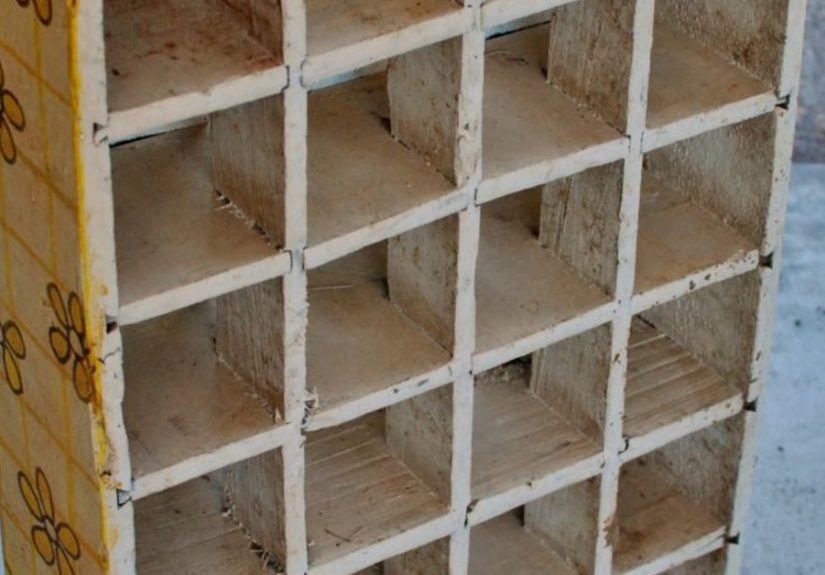
Wooden soda crates already come with the qualities a good organizer needs: compartments, structure, and vintage personality. Many have divided sections that are perfect for sorting jewelry by type, metal, or frequency of use. That means one cubby for rings, another for bracelets, one for daily earrings, and one for the “fancy but I swear I wear it sometimes” pieces.
A crate also gives you more flexibility than a standard jewelry box. You can:
- Mount it on the wall for a space-saving display
- Stand it upright on a dresser as a mini cabinet
- Add hooks underneath for necklaces
- Line compartments with felt to prevent scratches
- Use small dishes or trays inside cubbies for tiny items
In other words, it’s not just storage. It’s a customizable jewelry station that can evolve as your collection grows. And yes, it also looks cool enough that people will ask where you bought it. You get to casually say, “Oh, this? I made it.”
Before You Build: Plan the Layout Like a Pro
The best DIY organizers start with a five-minute plan instead of a forty-minute “why did I drill there?” moment. Before touching sandpaper or stain, sort your jewelry into categories and decide what the organizer needs to do for you.
Step 1: Sort by category and material
Start by grouping your collection into necklaces, bracelets, rings, studs, drop earrings, watches, and special pieces. Then separate fine jewelry from costume jewelry if you can. This matters because different metals and finishes can scratch or tarnish faster when piled together, and delicate pieces do better in soft, lined storage.
Step 2: Decide on “display” vs. “protect” zones
Your soda crate organizer will work best if it includes both:
- Display zones for frequently worn pieces you want to see quickly
- Protected zones for delicate or sentimental pieces that need soft storage
A good rule: keep your everyday pieces visible and your fragile pieces cushioned.
Step 3: Measure your crate cubbies
Not all soda crates are the same. Some are shallow and wide, while others are deeper with thicker dividers. Measure the width, height, and depth of the compartments so you can plan:
- Hook spacing for necklaces
- Mesh panel size for earrings
- Tray or dish inserts for rings and pins
- Felt lining cuts
Measuring first is the difference between “custom fit” and “creative trimming.”
Materials and Tools You’ll Likely Need
You can go basic or fancy here. The list below gives you a solid middle ground:
Core materials
- Vintage or new wooden soda crate (or wood crate with compartments)
- Fine sandpaper (120 and 220 grit are the usual MVPs)
- Wood stain or paint (optional)
- Clear topcoat or sealer (optional but recommended)
- Adhesive felt, velvet liner, or soft fabric for compartments
- Small cup hooks, screw hooks, or decorative knobs
- Wire mesh, hardware cloth, or perforated sheet (for earring display)
- Mini dishes, ramekins, or drawer inserts for rings and studs
- Anti-tarnish strips or pouches for silver and fine jewelry
Tools
- Soft brush or cloth for cleaning
- Screwdriver or drill
- Scissors or utility knife (for felt/fabric)
- Staple gun or small screws (if adding mesh)
- Level and stud finder (if wall-mounting)
- Wall anchors or mounting hardware rated for the load
If you’re building from scratch instead of using a true soda crate, a basic wood box project works too. The design concept is the same: create compartments, line them, and add hanging features.
How to Make a Soda Crate Jewelry Organizer
1) Clean and inspect the crate
Start by giving the crate a serious cleaning. Use a dry brush first to remove dust and grit from corners. Then wipe with a slightly damp cloth and let it dry completely. Check for splinters, loose dividers, rusty nails, old staples, or sharp edges. Tighten or replace hardware as needed.
If the crate is vintage and has old paint, be cautious before sanding. If you don’t know the age or finish history, avoid aggressive sanding until you’ve assessed the surface. Safety first, “rustic” second.
2) Sand for a smooth, jewelry-safe surface
Jewelry and rough wood are not friends. Sanding makes the crate safe for delicate chains, fabric linings, and your fingers. If the crate has an old finish, start around 120 grit. For smoother finishing, work up to 220 grit and always sand with the wood grain.
Wipe away sanding dust thoroughly before staining or painting. Dust left behind can ruin your finish and make the inside feel gritty even after it dries.
3) Stain, paint, or leave it natural
This is where the organizer gets its personality. A dark walnut stain gives it a vintage apothecary feel. White paint makes it look clean and airy. A natural finish keeps the crate’s original character front and center.
Design tip: if you want the jewelry to stand out, use a neutral finish on the crate and richer textures (velvet, suede-like felt, brass hooks) inside the compartments.
4) Line the compartments
Add felt or velvet-like lining to the cubbies that will hold rings, earrings, and delicate bracelets. This prevents scratches and makes the whole piece look more finished. Cut the liner to fit each compartment and secure it with an adhesive backing or a small amount of craft glue.
If you want a cleaner look, line only the “fine jewelry” compartments and leave the others wood-finished for contrast.
5) Add necklace and bracelet storage
Necklaces need vertical space, or they’ll turn into a knot puzzle. Here are three easy options:
- Hooks under the crate: Install cup hooks along the bottom edge for everyday necklaces.
- Knobs on the front or sides: Decorative knobs can hold chunkier pieces and bracelets.
- Interior hook row: Add a slim strip of wood inside a larger cubby and screw in mini hooks for a built-in necklace bar.
Keep enough spacing between hooks so chains don’t overlap too much. A little breathing room now saves detangling drama later.
6) Create an earring display section
Earrings are the easiest items to lose and the most satisfying to organize. A mesh insert works beautifully for this:
- Cut a piece of wire mesh or decorative metal sheet to fit one compartment opening.
- Sand or tape the edges so they’re not sharp.
- Attach it to the inside of the crate with staples or short screws.
- Hang hook earrings through the mesh and use the cubby below for backs or studs.
For stud earrings, add a tiny dish or a felt pad nearby so pairs stay together. Nobody wants to find “one earring and a mystery.”
7) Add ring and small-item trays
The simplest trick is also one of the best: use small bowls, dishes, or mini drawer inserts inside the crate cubbies. This keeps rings, pins, cufflinks, and tiny charms from rolling around. It also makes the crate feel like a curated display instead of a wooden box with good intentions.
8) Mount it safely or place it securely
If you’re wall-mounting the organizer, use proper hardware. Jewelry may be lightweight, but wood crates are not, and a fully loaded crate can get heavier than expected. Mounting to wall studs is ideal. If studs aren’t available where you want it, use appropriate anchors rated for the load.
Avoid using adhesive hooks or temporary strips for a crate organizer. They’re fine for very light items, but a wood organizer plus jewelry is a “use real hardware” situation.
Jewelry-Safe Storage Rules That Make This DIY Actually Work
A beautiful organizer is great. A beautiful organizer that protects your jewelry is better. Use these habits to keep your pieces looking good long after the DIY glow wears off.
Keep it dry and out of direct sunlight
Humidity and heat are rough on jewelry, especially costume pieces and certain gemstones. Place your soda crate organizer in a cool, dry spot away from bathrooms, windows with harsh sun, and steamy zones. A bedroom wall or closet area is usually a better home than the bathroom vanity.
Separate metals and delicate pieces
Tossing everything together looks fast, but it can lead to scratches, tangles, and faster tarnish. Use separate cubbies or trays for gold-tone, silver-tone, costume jewelry, and fine jewelry. Lined compartments or soft pouches are especially helpful for pieces with stones or polished finishes.
Use anti-tarnish support for silver
If you wear silver often (or forget you own silver until you need it), add anti-tarnish strips or store special pieces in anti-tarnish pouches within the crate. It’s a small upgrade that saves a lot of polishing later.
Be careful with treated gems and fragile materials
Some gemstones and vintage jewelry materials are sensitive to heat, chemicals, and harsh cleaning methods. Keep those pieces in the most protected section of your organizer and avoid storing them near perfumes, hairspray, or cleaning products.
Design Ideas to Make Your Organizer Look Custom
Here’s where the project goes from “functional” to “wow, that’s cute.” Pick one style direction and carry it through:
Vintage soda-shop look
- Medium walnut stain
- Brass cup hooks
- Cream or olive felt lining
- Small label tags for each cubby
Modern minimal look
- Matte black or white paint
- Simple black hooks
- Gray felt lining
- Clean symmetrical layout
Romantic boutique look
- Soft blush or sage paint wash
- Gold knobs and decorative mesh
- Velvet-lined ring trays
- Small mirror nearby for styling
Bonus idea: add a narrow shelf or ledge on top of the crate for perfume, a candle, or a tiny plant. Just keep liquids and sprays a safe distance from your jewelry storage area.
Common Mistakes to Avoid
Using rough wood inside the compartments
Even if the crate looks “rustic,” the interior should feel smooth where jewelry touches it. Rustic charm is great. Rusty splinters are not.
Overloading one side
If you hang ten heavy necklaces on one corner and almost nothing elsewhere, the crate can tilt (especially if mounted). Spread the weight across the organizer for better balance.
Choosing looks over access
A project can be beautiful and still annoying to use. Put your most-worn pieces where you can grab them easily. If you have to move three bracelets and open two compartments just to get your daily earrings, the system needs a remix.
Mounting with temporary adhesives
A soda crate organizer is a true hardware project, not a sticky-strip project. Use screws, studs, and proper anchors so your jewelry stays on the wall instead of taking a surprise dive at 2 a.m.
Maintenance and Long-Term Care
Once your organizer is built, maintenance is simple:
- Dust the crate and hooks weekly with a soft cloth
- Wipe compartments gently (especially lined ones)
- Rotate seasonal pieces so the organizer stays easy to use
- Replace anti-tarnish strips as needed
- Check wall hardware every few months if it’s mounted
The best organizer is not the one that looks perfect on day one. It’s the one that still works six months later when life gets busy and your jewelry collection somehow multiplies on its own.
500-Word Experience Section: What People Love About Using a Soda Crate Jewelry Organizer
One of the most common experiences people report after switching to a soda crate jewelry organizer is simple: they actually start wearing more of their jewelry. When pieces are visible, separated, and easy to grab, they stop disappearing into “someday” storage. A necklace that sat tangled in a drawer for months suddenly becomes part of a regular outfit rotation because it’s hanging right there, ready to go. It sounds small, but it changes how useful the collection feels.
Another big experience is reduced decision fatigue in the morning. Instead of rummaging through a box and untangling one chain while trying not to be late, the organizer turns the routine into a quick visual scan. Earrings are paired. Rings are grouped. Bracelets are hanging in one spot. For busy mornings, that kind of order feels less like decor and more like a life upgrade.
People also tend to notice fewer damaged pieces over time. Soft-lined compartments and separated storage help prevent scratches, bent posts, and mystery knots. This is especially helpful for mixed collections where costume jewelry, sentimental items, and everyday pieces all live together. A soda crate organizer makes it easier to create “zones,” so delicate pieces are protected while sturdier items stay accessible. It’s the difference between tossing everything into one basket and giving each item an address.
There’s also a surprisingly emotional side to the project. Because soda crates often have vintage character, the finished organizer feels personal in a way store-bought plastic trays usually don’t. Some people leave the old branding visible for a nostalgic look. Others refinish the wood to match their bedroom furniture. Either way, the organizer often becomes a favorite piece in the room because it combines style, memory, and function.
In smaller homes or apartments, the wall-mounted version gets especially good reviews. It frees up dresser space while doubling as decor, which is a huge win when every square inch counts. Many people find that what started as a storage solution becomes part of the room’s designalmost like a mini jewelry gallery with a vintage twist.
Of course, there’s usually a short adjustment period. Most people tweak the setup after a week or two: moving hooks farther apart, adding one more ring dish, or swapping a cubby from bracelets to watches. That’s normal, and honestly, it’s one of the best parts of the project. A soda crate organizer is flexible. It can be rearranged as your collection changes, and it doesn’t lock you into one layout forever.
The overall experience is usually the same: less clutter, less tangling, more visibility, and a setup that feels custom. It’s practical enough to solve a real storage problem but stylish enough to make the room look better. Not bad for a crate that might have started life carrying bottles.
Conclusion
A soda crate jewelry organizer is a smart DIY project because it blends organization, creativity, and everyday usefulness. With a little sanding, a few hooks, and some soft-lined compartments, you can turn a humble crate into a storage piece that protects your jewelry and makes getting ready easier. It works for tiny collections, growing collections, and “I swear these earrings had a match” collections.
The key is balancing design with function: smooth surfaces, good visibility, separate sections, and secure mounting. Do that, and you’ll end up with an organizer that looks custom, feels personal, and saves you time every day.
And if anyone asks where you bought it, you already know the correct answer: “Oh, this old thing? It’s custom.”




 Close
Close