
Table of Contents >> Show >> Hide
- Why a Label Maker Wins Back-to-School (Without Breaking a Sweat)
- What to Label First (The High-Impact, Low-Effort List)
- Back-to-School DIY Projects That Labels Make 10x Better
- Budget-Friendly Back-to-School DIY: Make Old Stuff Feel New
- Safety and Practical Smarts (Because DIY Shouldn’t Create New Problems)
- How to Get Kids to Actually Use the System
- Label Maker Mistakes That Make People Quit (Don’t Be These People)
- The 15-Minute Weekly Reset That Keeps Everything Working
- Conclusion: Your DIY Hero Is Small, Cheap, and Weirdly Powerful
- Real Back-to-School DIY Experiences (The Stuff That Makes You Believe)
Back-to-school season has a special talent: it turns perfectly normal households into a low-budget action movie.
There’s suspense (“Where’s your library book?!”), plot twists (“Why is there a banana in the backpack?”),
and a recurring villain known only as The Missing Water Bottle.
You could fight this chaos with more bins, more apps, more “systems,” and a color-coded spreadsheet that looks like it was
designed by NASA. Or you could recruit a tiny, mighty sidekick that quietly saves your mornings, your money, and your sanity:
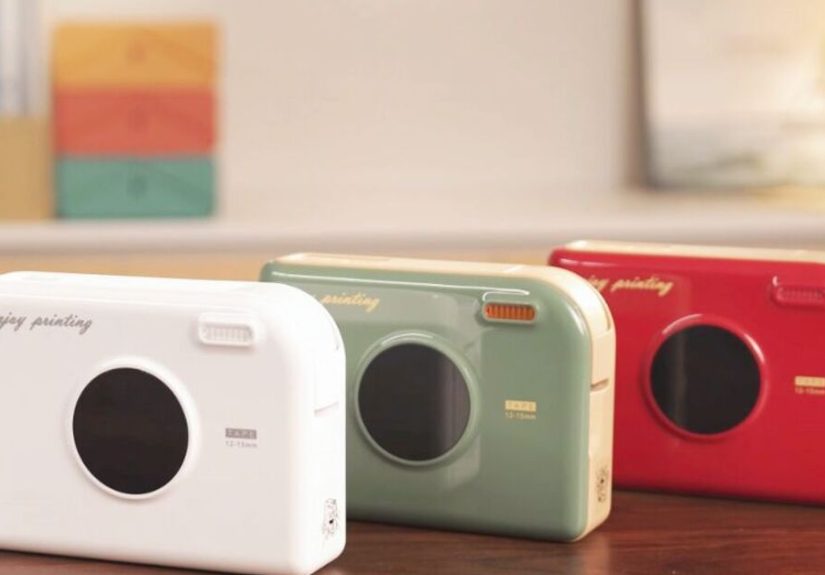
the label maker.
Yes, the humble label maker. The little gadget you thought was only for Type-A pantry people and teachers with immaculate
supply closets. In reality, it’s the back-to-school DIY hero you didn’t know you neededbecause it doesn’t just
organize stuff. It prevents arguments, speeds up routines, and helps kids learn independence in ways that actually stick.
Why a Label Maker Wins Back-to-School (Without Breaking a Sweat)
Back-to-school DIY projects usually fall into two categories: the ones that look adorable on social media, and the ones that
make your daily life easier. Labels do bothwithout requiring you to own a miter saw or “find joy” in hot glue strings.
1) It reduces the “lost-and-found tax”
Replacing supplies adds up fast: water bottles, lunch containers, hoodies, chargers, earbudstiny items that cost real money
and disappear like they’re training for a magic show. Labeling doesn’t guarantee returns, but it dramatically improves the odds
that a found item makes its way back instead of living permanently in the school’s mysterious bin of forgotten dreams.
2) It turns routines into autopilot
Kids do best when they don’t have to make 40 micro-decisions before 7:30 a.m. Labels make the “where does this go?”
question disappear. When the bin says HOMEWORK, the folder says TO SIGN, and the hook says
BACKPACK, the system runs itselflike a tiny airport baggage carousel, but with fewer delays.
3) It’s a DIY multiplier
One label maker can upgrade almost any back-to-school organization project:
command centers, homework stations, supply caddies, snack bins, closet systems, and even the dreaded paper pile.
Labels aren’t the projectthey’re the thing that makes every project actually work on a random Tuesday in October.
What to Label First (The High-Impact, Low-Effort List)
If you label everything in one night, you’ll be unstoppable… and also awake at 2:11 a.m. labeling the TV remote.
Instead, start with the items most likely to wander off or cause morning bottlenecks.
The “vanishing supplies” starter pack
- Water bottle (both bottle and lidbecause lids run away independently)
- Lunchbox (outside tag + a second label inside)
- Snack containers (especially the ones that look identical to every other kid’s)
- Jackets/hoodies (inside collar label beats a giant name on the back)
- Chargers and power banks (label the brick and the cord)
- Earbuds case (the modern-day “left sock” of school supplies)
Homework + paperwork (the real boss fight)
Paperwork doesn’t just multiplyit spreads. The best back-to-school DIY move is giving paper a “home” before it hits the kitchen counter.
Labels make that possible with minimal drama.
- “INBOX” tray: anything coming home
- “TO SIGN” folder: forms that need a parent signature
- “TO RETURN” pocket: completed forms that go back tomorrow
- “KEEP” file: schedules, class lists, login info, and important notices
Privacy-friendly labeling (because you’re not trying to announce your life to strangers)
Some schools want a full name on the outside of certain items. Others don’t. If you have flexibility, a smart compromise is:
first name + last initial, or first name + a phone number on an interior label.
For older kids, you can use initials, a family code word, or a simple icon system (star, lightning bolt, donutwhatever makes it easy).
The goal: identifiable enough to return, not so public it feels uncomfortable.
Back-to-School DIY Projects That Labels Make 10x Better
Labels shine when they’re attached to systems kids can follow. Here are the “actually useful” DIY builds that make weekday mornings smoother.
DIY #1: The “Launch Pad” by the Door
The launch pad is your back-to-school headquarters: the place where school essentials live before they go missing.
You don’t need a fancy mudroomjust a small strip of wall and a little intention.
- Wall hooks labeled: BACKPACK, JACKET, SPORTS BAG
- A bin labeled: LIBRARY BOOKS (because these always vanish at the worst time)
- A basket labeled: SHOES (so you’re not chasing one sneaker like it owes you money)
- A small tray labeled: PERMISSION SLIPS (paper’s final resting place)
DIY #2: The Homework Station That Doesn’t Eat Your Kitchen Table
A homework station doesn’t have to be a Pinterest masterpiece. It just needs:
a consistent spot, decent lighting, and supplies that don’t require a scavenger hunt.
- A portable caddy labeled: PENCILS, ERASERS, GLUE, SCISSORS
- A folder labeled: HOMEWORK (single location = fewer “I swear I did it” moments)
- A charger bin labeled: CHARGERS + each device name
- A small “done” tray labeled: PACK TONIGHT
Pro tip: if multiple kids share a space, label by person and function. “AvaMath,” “NoahReading,” etc.
It cuts down on sibling investigations (“Why do you have my calculator?”) by approximately a thousand percent.
DIY #3: The Lunchbox Assembly Line
If packing lunches makes you want to move to a country where lunch is everyone’s responsibility (do they have citizenship requirements?),
labels can help. Create a snack zone with bins labeled:
- GRAB & GO SNACKS (shelf-stable options)
- REFRIGERATOR SNACKS (items that need to stay cold)
- ALLERGY-SAFE (if your household needs that separation)
- ICE PACKS (with a “FREEZE OVERNIGHT” reminder if necessary)
When kids can find what they need without asking 17 questions, lunches get fasterand they feel more ownership over the routine.
DIY #4: The “Paper Tamer” Command Center
Back-to-school paperwork is the sneakiest clutter in the house. One moment it’s a flyer, the next moment it’s a mountain.
A simple command center can be:
a wall calendar, a few clipboards, a small cork board, and labeled pockets.
- THIS WEEK clipboard: events, reminders, notes
- SCHOOL FORMS pocket: permission slips, sign-ups, anything official
- ART TO KEEP folder: the best pieces (you don’t need 900 worksheets, you need the highlights)
- FIELD TRIP pocket: so nobody misses the deadline and blames the dog
Budget-Friendly Back-to-School DIY: Make Old Stuff Feel New
Here’s the truth: you don’t need to buy an entire new ecosystem of supplies to feel “ready.”
A label maker helps you see what you already haveand use it better.
Upgrade what you’ve got
- Backpack tune-up: tighten straps, replace broken zipper pulls with key rings, and reinforce weak seams with iron-on patches.
- Pencil pouch revival: turn a zippered makeup bag into a pencil case. Label it with the class or day (e.g., “MON/WED”).
- Supply jar station: reuse jars or small containers for markers, crayons, and glue sticksthen label them clearly.
- Folder sanity: instead of buying new specialty folders, label plain ones by subject with bold, readable text.
If you want one rule that saves money: label duplicates before you replace anything.
Half the time, you already own the “missing” item. It’s just living in a drawer like it pays rent.
Safety and Practical Smarts (Because DIY Shouldn’t Create New Problems)
Backpack weight: comfort matters
Backpacks can get heavy fast, especially when kids haul laptops, binders, and books. A common guideline is to keep the backpack’s weight
to a reasonable percentage of a child’s body weightand to watch for signs it’s too heavy: leaning forward, red marks, complaints of pain,
or trouble putting it on.
DIY fix: label a weekly reminder on the backpack tag area that says FRIDAY: CLEAN OUT. That one little cue helps prevent the
end-of-week “brick backpack” situation. Also, encourage two-strap carrying and pack heavier items closer to the back panel.
Lunch safety: cold stays cold, hot stays hot
Packed lunches work best when you treat temperature like a plan, not a vibe. If you’re sending perishable foods, use an insulated lunch bag,
include two cold sources (like ice packs or frozen water bottles), and pack them around the items that need to stay cold.
For hot foods, use insulated containers and pre-warm them with hot water before filling.
DIY fix: label your lunch routine: ICE PACKS, WASH LUNCHBOX, FREEZE TONIGHT.
It’s not glamorous, but it prevents the “why does this smell like science class?” situation.
How to Get Kids to Actually Use the System
You can build the greatest back-to-school DIY organization setup on Earth, but if kids don’t buy in, it becomes a museum exhibit:
“Here we have the Beautiful Homework Station that nobody touched after September 12.”
Let them choose (within boundaries)
- Let them pick label icons, fonts, or a simple color code.
- Give each kid a “zone” that’s clearly theirs (bin, shelf, drawer).
- Use labels that match how they think: “SPORTS STUFF” beats “ATHLETIC EQUIPMENT.”
Gamify the habit
Try a “two-minute reset” challenge: set a timer after school and see how much can get returned to labeled homes.
Celebrate consistency, not perfection. (And yes, stickers for kids work. Stickers for adults also work. No judgment.)
Label Maker Mistakes That Make People Quit (Don’t Be These People)
Mistake #1: Labeling without cleaning the surface
Dust, grease, and moisture are label tape’s natural enemies. A quick wipe and dry makes labels stick longerespecially on water bottles,
lunch containers, and anything that gets handled constantly.
Mistake #2: Using tiny text
If you have to squint to read it, your child definitely won’t read it. Go bigger. Make it obvious. Remember: labels are instructions, not fine print.
Mistake #3: Putting every detail on the outside
Keep outside labels simple and school-policy friendly. Put extra contact details on an interior label if needed.
The goal is return-ability without oversharing.
Mistake #4: Over-labeling the universe
You don’t need labels for “AIR” and “WALL.” Start where it matters:
lost items, homework flow, daily routines, and shared supplies.
The 15-Minute Weekly Reset That Keeps Everything Working
Systems fail when they never get refreshed. The secret is a tiny weekly resetpick a consistent time (Sunday evening works well):
- Empty backpacks (trash out, papers sorted)
- Restock the homework caddy
- Refreeze ice packs
- Check the “TO SIGN” folder
- Quick scan of the launch pad (return stray items)
If you label the reset steps and post them near your command center, kids can help without needing a full training seminar.
That’s the whole point: independence, not constant reminders.
Conclusion: Your DIY Hero Is Small, Cheap, and Weirdly Powerful
Back-to-school doesn’t have to feel like a daily sprint through a maze of missing supplies and last-minute panic.
When you treat labels as the backbone of your home organizationlaunch pad, homework station, command center, lunch routine
you turn chaos into a system kids can actually follow.
The label maker isn’t just a tool for neatness. It’s a tool for time, consistency, and peace.
And if it also prevents you from buying the third identical water bottle this semester, it deserves a cape.
Real Back-to-School DIY Experiences (The Stuff That Makes You Believe)
Let’s talk about what this looks like in real lifebecause the magic isn’t in perfectly matched bins. It’s in the tiny moments when your
morning goes smoothly and you realize you’re not clenching your jaw like you’re defusing a bomb.
Experience #1: The First-Grade “Everything Is Mine” Phase
One parent I spoke with described the first week of school like this: “My kid came home with a different hoodie every day.
None of them were his.” Sound familiar? The fix wasn’t buying new clothes or interrogating six-year-olds like a detective.
It was two labels: one inside the collar (first name + last initial), and one small label inside the backpack with a phone number.
Within a month, the number of “mystery garments” dropped dramatically. The kid also started checking tags himselfbecause he could.
That’s the underappreciated win: labels teach kids to look for answers before they panic.
Experience #2: The Middle School Locker Black Hole
Middle school introduces a new phenomenon: lockers become portals to another dimension.
Papers disappear. Snacks fossilize. Gym clothes develop personalities. A simple back-to-school DIY move helped:
a “week kit” pouch labeled with the kid’s schedule (A-Day/B-Day or Mon–Fri), plus labels on the outside of each folder with
big, bold subject names. The parent wasn’t trying to control the lockerthey were giving the kid a map.
The kid still had locker chaos (because adolescence is basically chaos wearing sneakers), but they stopped losing worksheets and
could find supplies faster. Homework completion went up, and the nightly “I can’t find it” argument went down.
That’s a fair trade.
Experience #3: The Two-Kid Household That Was One Missed Permission Slip Away From Collapse
In homes with multiple kids, paperwork is where stress hides. One family set up a command center with labeled clipboards:
“Eli,” “Maya,” and “Family.” Anything time-sensitive went to the kid clipboard. Anything involving money went to “Family.”
A labeled pocket called “TO SIGN” lived underneath, because signatures always happen when you’re holding a coffee and wearing one shoe.
Within two weeks, both kids got used to dropping papers into the same place. The parent stopped searching for forms in backpacks like
they were mining for treasure. The household wasn’t suddenly perfectbut it was predictable, which is the real luxury during school season.
Experience #4: The Lunch Routine That Went From Exhausting to Automatic
Another parent created a lunch assembly line with three labeled bins: “Pantry Snacks,” “Fridge Snacks,” and “Pack Today.”
Ice packs had their own labeled spot in the freezer. The kid’s role was simple: choose one snack from pantry, one from fridge,
then put the lunch bag in the launch pad. The parent’s role: add the main item and do a quick check. The surprise benefit?
The kid became more willing to eat what they packedbecause they chose it. Food waste dropped, mornings got calmer,
and the lunchbox stopped coming home with a sticky mystery smear that everyone pretended not to see.
The common thread in all these experiences isn’t that families became “organized people.”
It’s that they built a small system that matched real life: busy schedules, tired mornings, and kids who are still learning.
Back-to-school DIY doesn’t have to be complicated. When labels make decisions easier, kids become more independent,
parents become less stressed, and everyone gets to start the day without feeling like they already lost.




 Close
Close