
Table of Contents >> Show >> Hide
- What Is Cypress Mulch?
- Why Homeowners Like Cypress Mulch
- The Downsides of Cypress Mulch
- When Cypress Mulch Makes Sense
- When You Might Want to Skip It
- How to Use Cypress Mulch the Right Way
- Better Alternatives to Consider
- So, Is Cypress Mulch Worth It?
- Real-World Experiences With Cypress Mulch
- Conclusion
If mulch had a dating profile, cypress mulch would absolutely lead with its best angles: attractive color, tidy texture, slow breakdown, and a reputation for being the “serious gardener’s mulch.” Sounds impressive. Maybe even commitment material. But like many things in the yard aisle, the full story is a little more complicated.
Cypress mulch has long been popular in landscape beds because it looks neat, lasts longer than some lighter mulches, and helps soil hold moisture while keeping weeds from staging a hostile takeover. On the other hand, it also comes with a few caveats: environmental concerns, inconsistent performance depending on particle size, and a tendency to mat or shed water if it gets too compacted or overly dry.
So, is cypress mulch good or bad? The honest answer is: it depends on what you need, where you garden, and how much you care about sustainability. In this guide, we’ll break down the real pros and cons of cypress mulch, clear up a few myths, and help you decide whether it belongs in your flower beds, around shrubs, or nowhere near your cart.
What Is Cypress Mulch?
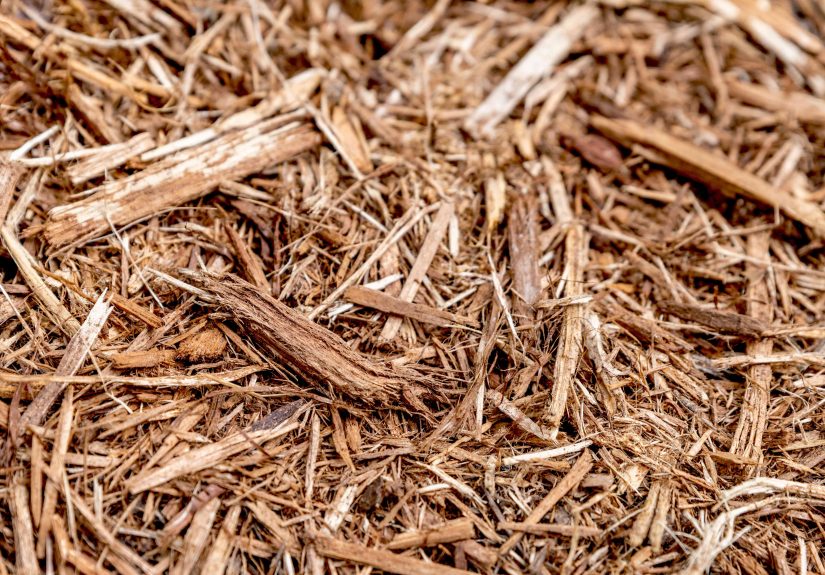
Cypress mulch is an organic mulch made from cypress wood and bark. It’s sold in bags and bulk, and it’s commonly used around trees, shrubs, ornamental beds, and foundation plantings. The texture can vary from shredded and fibrous to chunkier bark-based material, which matters more than most labels let on.
That texture affects how the mulch behaves once it hits the ground. Shredded, fine-textured cypress mulch tends to knit together well, which can help it stay in place during heavy rain. Coarser pieces usually allow better airflow and water penetration. In other words, one bag of cypress mulch is not exactly the same as another, even when the label makes it sound like they all graduated from the same mulch academy.
Why Homeowners Like Cypress Mulch
1. It Looks Good in Landscape Beds
Let’s start with the obvious: cypress mulch is attractive. It has a warm, natural color and a soft, finished appearance that works well in front-yard foundation beds, around shrubs, and along garden borders. If your goal is curb appeal, cypress mulch usually delivers a clean, polished look without screaming for attention.
2. It Helps Soil Hold Moisture
Like other organic mulches, cypress mulch reduces evaporation from the soil surface. That means roots stay more evenly moist, which can reduce watering frequency and lower stress on plants during hot weather. This is especially useful in ornamental beds that dry out quickly or areas exposed to sun and wind.
Moisture retention is one of the biggest reasons gardeners mulch in the first place. A good mulch layer acts like a buffer between the sun and the soil, slowing water loss and helping plant roots avoid the daily drama of baking in the afternoon and gasping by evening.
3. It Suppresses Weeds
Cypress mulch also blocks sunlight from reaching weed seeds, which helps reduce germination. Will it eliminate every weed forever? No. Nothing short of moving to a concrete bunker can promise that. But a proper mulch layer can absolutely cut down on weed pressure and make the weeds that do appear easier to pull.
4. It Moderates Soil Temperature
Mulch helps insulate the soil. In summer, that can mean cooler root zones. In cooler months, mulch can soften temperature swings that stress plants. This is a big deal for shallow-rooted ornamentals, newly planted shrubs, and young trees still trying to settle in without filing a formal complaint.
5. It Breaks Down Slowly
One reason cypress mulch became so popular is durability. Compared with faster-decaying mulches like leaves or pine straw, cypress tends to last longer. That can mean fewer top-ups, less frequent reapplication, and lower labor over time. For busy homeowners, “doesn’t vanish after one season” is a pretty strong selling point.
6. It Usually Stays Put Better Than Lighter Mulches
Cypress mulch has a fibrous texture that tends to hold together well. That can be helpful on slight slopes or in areas hit by heavy rain, where lighter materials may float, wash away, or drift into awkward little piles. If you’ve ever chased pine straw across the yard after a storm, you understand the appeal.
The Downsides of Cypress Mulch
1. Sustainability Is the Big Question Mark
This is the most important downside, and it’s the reason many extension and Florida-friendly sources do not recommend cypress mulch. Some cypress mulch is made from leftover byproducts from lumber production, which sounds reasonable enough. But some products may come from trees harvested specifically for mulch, including material tied to wetland ecosystems.
That matters because cypress forests provide habitat, support biodiversity, and help protect fragile wetland areas. The problem for shoppers is that the origin of a bag of cypress mulch is not always easy to confirm. If sustainability is high on your priority list, this lack of transparency is a real disadvantage.
2. It Is Not Automatically Better Than Other Wood Mulches
Cypress mulch often gets marketed as if it’s a premium upgrade over pine bark, mixed hardwood, or arborist chips. In practice, it still provides the same basic mulch functions as other organic mulches: weed suppression, moisture retention, and temperature buffering. It may last well, but it is not magic. It does not whisper motivational quotes to your shrubs. It is still mulch.
For many gardeners, alternative mulches can offer comparable performance at a lower cost or with fewer environmental concerns. That means cypress isn’t always the clear winner people assume it is.
3. Fine-Textured Cypress Can Mat and Shed Water
Here’s where cypress mulch can get a little tricky. Because it is often fibrous and finely textured, it can knit together into a dense layer. When that happens, water may run off the surface instead of soaking into the soil, especially if the mulch becomes very dry or compacted. Over time, a matted layer can also reduce air movement.
This is one of those garden problems that feels rude because mulch is supposed to help with moisture, not act like a tiny thatched roof. If the surface looks crusty, hard, or water starts beading off it, the mulch likely needs loosening or replacing.
4. It Can Be More Expensive
Cypress mulch is often priced higher than other common mulches, especially local wood chips, utility mulch, composted yard waste, or pine-based products. If you are covering a large area, that price difference adds up fast. Suddenly the “nice-looking mulch” decision starts competing with more glamorous budget items, like groceries and electricity.
5. Insect-Repelling Claims Are Overhyped
Some gardeners buy cypress mulch because they’ve heard it repels termites or other insects. The truth is more nuanced. Certain natural compounds in mature cypress heartwood may make it less attractive to pests than some other wood sources, but that does not mean bagged cypress mulch creates a magical pest shield around your house.
In real landscapes, mulch is not a substitute for proper termite prevention. It should still be kept away from foundations, and you should not assume cypress mulch makes your home insect-proof. If your house could talk, it would probably prefer solid drainage, routine inspections, and no mulch piled against the siding.
6. Mulch Near Structures Still Requires Caution
Even though termite fears are often exaggerated, mulch can still create a hospitable environment near buildings if it is piled too close to walls. It can also bridge over treated soil near foundations. In dry climates or fire-prone regions, organic mulches close to structures may add fire risk if they are allowed to dry out and accumulate debris.
That does not make cypress mulch uniquely evil. It simply means all mulch needs smart placement. Good landscaping is less about finding a flawless material and more about avoiding preventable mistakes.
When Cypress Mulch Makes Sense
Cypress mulch can be a reasonable option when:
- You want a natural-looking mulch for ornamental beds.
- You need something that lasts longer than leaves or straw.
- You want mulch that stays in place better during rain.
- You are using it away from foundations and plant trunks.
- You are confident the product is responsibly sourced or made from byproducts.
In other words, cypress mulch works best when appearance and durability matter, and when you are selective about where and how you use it.
When You Might Want to Skip It
You may want to choose another mulch if:
- You prioritize sustainability and traceable sourcing.
- You garden in an area where fine mulches tend to dry out and repel water.
- You need a budget-friendly option for a large yard.
- You want more nutrient contribution from the mulch as it breaks down.
- You live in a wildfire-prone region and need to be extra careful with combustible materials near the house.
How to Use Cypress Mulch the Right Way
Keep the Depth Reasonable
Most landscape beds do best with about 2 to 3 inches of mulch. If the mulch is especially fine-textured, err on the lighter side rather than creating a thick, compacted blanket. Too much mulch can reduce airflow, hold excessive moisture against stems, and stress plant roots.
Keep It Away From Trunks and Stems
Do not pile cypress mulch against tree trunks, shrub crowns, or plant stems. Leave a small gap. “Mulch volcanoes” are bad for trees, bad for shrubs, and great only for making arborists sigh dramatically.
Keep It Back From the House
Leave space between mulch and the foundation. This helps reduce moisture problems, limits termite bridging, and keeps the bed easier to inspect.
Rough Up Matted Mulch
If the surface starts to form a crust, lightly fluff or roughen it with a rake. This improves water infiltration and keeps the mulch from becoming too dense.
Do Not Keep Adding New Layers Forever
Before topping up the bed, check the actual depth. If you already have enough mulch, don’t keep piling on more just because the color faded. Mulch should protect plants, not slowly bury them in a decorative wood lasagna.
Better Alternatives to Consider
If you like the idea of cypress mulch but not the baggage, several alternatives deserve a look:
Pine Bark
Pine bark is widely available, attractive, and long-lasting. It is a common go-to for landscape beds and often offers similar performance without the same level of controversy.
Arborist Wood Chips
Fresh wood chips from tree trimmers can be an excellent, low-cost option for trees and shrubs. They are not always as uniform-looking, but they are often local, practical, and wonderfully unpretentious.
Melaleuca Mulch
In Florida, melaleuca mulch is often recommended as a more sustainable substitute. It makes use of an invasive tree species and offers good durability.
Composted Yard Waste
This can work well where you want more organic matter added to the soil, though it may break down faster and need more frequent refreshing.
So, Is Cypress Mulch Worth It?
Cypress mulch is neither the hero of the garden center nor the villain of your landscape. It offers real benefits: good moisture retention, weed suppression, decent staying power, and an attractive finish. But those benefits come with tradeoffs, especially around sourcing, environmental impact, and the potential for matting when applied too thickly or used in a very fine texture.
If you love the look, use it carefully and buy from a supplier you trust. If sustainability is your top concern, or if you want a lower-cost mulch that performs similarly, pine bark or local wood chips may be the better choice. The smartest mulch decision is not about hype. It’s about matching the material to your plants, your climate, your budget, and your values.
Real-World Experiences With Cypress Mulch
Gardeners’ experiences with cypress mulch tend to follow a familiar pattern. The first reaction is usually positive. Freshly spread cypress mulch looks tidy, rich, and expensive in the best possible way. Flower beds appear sharper overnight, shrubs look more intentional, and the whole yard seems like it suddenly started making better life choices. For homeowners focused on curb appeal, cypress mulch often feels like an instant upgrade.
Many people also notice that it stays in place better than lighter mulches. After a hard rain, it is common to see pine straw blown into corners or lighter bark washed toward the sidewalk while cypress mulch largely remains where it was put. That alone wins it plenty of fans. In ornamental beds along walkways or near the front porch, the neat appearance can last long enough to make the higher price feel justified.
But long-term experiences are more mixed, and that’s where the pros and cons become clearer. Some gardeners report that after a season of sun, heat, and irrigation, the top layer starts to dry into a crust. Instead of soaking up rain and letting it pass into the soil, the mulch sometimes seems to hold water on the surface or send it sideways. This is especially noticeable when the mulch is shredded very finely or applied too deeply. The fix is usually simple enough: rake it lightly, thin it out, and stop adding fresh layers on autopilot. Still, it surprises homeowners who assumed mulch would always improve watering, no questions asked.
Another common experience is disappointment with the “repels bugs” reputation. Some buyers pick cypress mulch because they have heard it discourages termites or pests. In practice, homeowners usually find that it behaves like mulch, not a force field. It may be less attractive than some other materials in certain situations, but it is not a replacement for keeping mulch off the foundation, correcting moisture issues, and scheduling termite inspections where needed. The people happiest with cypress mulch are usually the ones who bought it for appearance and durability, not miracle pest control.
There is also a growing group of gardeners who stop using cypress mulch for one reason only: sustainability. They like the way it looks. They may even like how long it lasts. But once they learn more about sourcing concerns and the uncertainty around where bagged mulch comes from, they switch to pine bark, arborist chips, or locally produced alternatives. For them, the experience is not that cypress mulch failed in the bed. It’s that it failed the values test.
Perhaps the most practical lesson from real-world use is this: cypress mulch performs best when expectations are realistic. It can make beds look polished, suppress weeds, and hold moisture very well. It can also mat, cost more, and raise environmental concerns. Gardeners who use it successfully tend to apply it in moderation, keep it away from trunks and siding, fluff it when needed, and treat it as one tool among many. That mindset usually leads to the best outcome: healthy plants, fewer weeds, and no dramatic mulch-related regret.
Conclusion
The pros and cons of cypress mulch come down to performance versus priorities. It is attractive, durable, and effective for moisture retention and weed control, which explains why so many homeowners still reach for it. But those benefits are balanced by legitimate concerns about wetland sourcing, cost, and the tendency of fine-textured mulch to compact or shed water when overapplied.
If you want a mulch that looks polished and lasts well in ornamental beds, cypress mulch can work. If you want a more sustainable or budget-conscious option, there are strong alternatives that deserve your attention. The best mulch is not the one with the flashiest reputation. It’s the one that suits your landscape without creating more problems than it solves.






 Close
Close