
Table of Contents >> Show >> Hide
- Why a Dog’s Nail Bleeds So Much
- What to Do First When Your Dog’s Nail Is Bleeding
- Best Home Remedies to Stop a Dog’s Nail from Bleeding
- How Long Should It Take to Stop?
- What You Should Do After the Bleeding Stops
- When Home Remedies Are Not Enough
- What Not to Do
- How to Prevent Nail Bleeding Next Time
- Frequently Asked Questions
- Real-World Experiences: What This Usually Looks Like at Home
- Conclusion
A dog nail trim can go from “good boy, great paw, very professional” to “why does my kitchen look like a tiny crime scene?” in about three seconds. If you accidentally clip the quick or your dog snags and tears a nail, the bleeding can look dramatic fast. The good news: in many cases, you can stop a dog’s nail from bleeding at home with a few simple remedies and a calm game plan.
This guide walks you through exactly how to stop a dog’s nail from bleeding, which home remedies are actually worth trying, and when the situation has officially graduated from “minor grooming oops” to “call the vet.” You will also learn how to help your dog stay calm, how to protect the nail afterward, and how to avoid a repeat performance next time.
Why a Dog’s Nail Bleeds So Much
Dog nails contain a structure called the quick. That is the sensitive inner part of the nail that contains blood vessels and nerves. If you trim too far or if a nail splits and exposes the quick, it hurts and it bleeds. Sometimes it bleeds a little. Sometimes it looks like your dog has launched a tiny horror movie in your hallway.
Bleeding is often more dramatic with dark nails because the quick is harder to see. It can also happen when long nails snag on rugs, blankets, grass, crates, or furniture. Dewclaws are especially notorious for surprise injuries because they do not always wear down naturally.
What to Do First When Your Dog’s Nail Is Bleeding
1. Stay calm before your dog files a complaint
Your dog is reading your energy like a live news ticker. If you panic, they are more likely to wriggle, cry, or pull away. Speak in a steady voice, move slowly, and get your supplies together before you start touching the paw.
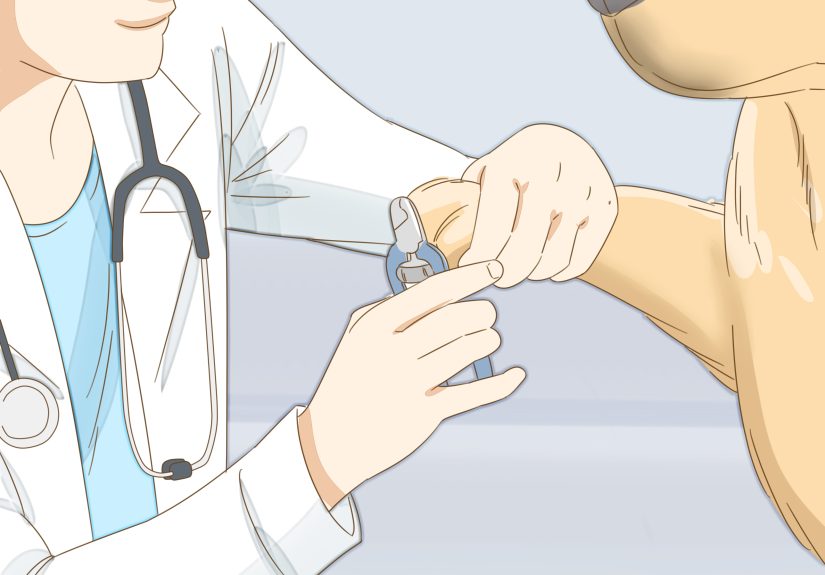
2. Gently restrain your dog
If your dog is painful, even a sweet dog may snap. Small dogs can be wrapped in a towel like a burrito with one paw exposed. Larger dogs may do best with one person offering treats and calm praise while another handles the foot. Do not force a wrestling match if your dog is very distressed. That usually makes everything worse, including the bleeding.
3. Apply direct pressure
Before you reach for every powder in the pantry, start with the simplest method: direct pressure. Use a clean gauze pad, paper towel, or soft cloth and press the bleeding nail tip firmly but gently for a few minutes. Constant pressure gives the blood a chance to clot. Checking every two seconds is tempting, but it also keeps resetting the process.
Best Home Remedies to Stop a Dog’s Nail from Bleeding
Not all home remedies deserve a trophy. These are the options most commonly recommended because they are practical, widely used, and often already in the house.
Styptic powder: the gold standard
If you have styptic powder, this is usually your best move. It is made to help stop minor bleeding quickly. To use it, dab a small amount directly onto the bleeding tip of the nail. Press it in gently so it sticks. Many dog owners keep styptic powder in their grooming kit for exactly this reason: because dog nails have a talent for bleeding at the most inconvenient moment possible.
If you trim your dog’s nails at home even once in a blue moon, styptic powder is worth having around. It is one of those boring supplies that becomes wildly exciting the minute you need it.
Cornstarch
No styptic powder? Cornstarch is one of the most common backup options. Put a little cornstarch in a small dish, then press the nail tip into it or pack a pinch onto the nail with your fingers or gauze. Hold gentle pressure so it can cling to the spot and help the bleeding slow down.
Flour
Plain flour works similarly to cornstarch in a pinch. It is not glamorous, but it can help form a temporary barrier while the blood clots. Press it onto the nail and hold steady pressure for a few minutes.
Baking soda
Some pet-care guidance also recommends baking soda as a backup home remedy if you do not have styptic powder on hand. Use it the same way: place a small amount on the nail tip and apply light pressure.
A dry bar of soap
If powder-based options are not nearby, a dry bar of soap can help. Gently press the nail tip into the soap to coat the end. This can create a temporary plug over the cut surface of the nail. It is not the fanciest fix, but when your dog is dripping blood on the floor and staring at you like you betrayed the family, a soap bar can suddenly feel very heroic.
How Long Should It Take to Stop?
Minor nail bleeding often stops within a few minutes, especially if you use pressure plus styptic powder or another clotting aid. If it keeps bleeding beyond 5 to 10 minutes, or it slows down and then starts again every time your dog walks, that is a sign you should call your veterinarian.
Do not let your dog run around the house right away. Activity can knock off the forming clot and restart the bleeding. In other words, this is not the moment for zoomies.
What You Should Do After the Bleeding Stops
Keep your dog quiet for a bit
Once the bleeding stops, limit activity for a while. Short leash walks for bathroom breaks are fine, but postpone fetch, rough play, and dramatic sprints through the living room. A fresh clot is surprisingly easy to undo.
Keep the paw clean and dry
A freshly injured nail can pick up dirt, grass, and debris. Try to keep your dog on clean indoor surfaces right after the injury. If the paw gets dirty, wipe around it gently rather than scrubbing the nail itself.
Discourage licking and chewing
Many dogs immediately decide that licking the sore nail is an excellent hobby. Unfortunately, that can reopen the wound and increase irritation. If your dog will not leave the paw alone, use a cone or another vet-approved barrier to protect it.
Watch for signs of trouble
Monitor the toe over the next day or two. Mild tenderness is not unusual, but worsening pain is not something to ignore. If the toe becomes red, swollen, warm, oozy, or foul-smelling, or if your dog starts limping more instead of less, it is time for veterinary care.
When Home Remedies Are Not Enough
Sometimes the issue is not just a nail trimmed too short. A nail can crack, split, tear, or hang loosely from the base. Those injuries are more painful and more likely to need professional treatment. Call your vet promptly if:
- The bleeding lasts more than 5 to 10 minutes
- The nail is split, torn, dangling, or broken near the base
- Your dog is in obvious pain or will not bear weight on the paw
- The quick or nail bed looks exposed
- You notice swelling, redness, discharge, or a bad smell
- Your dog keeps reopening the injury
- Your dog has multiple nails breaking, brittle nails, or repeated nail problems
- Your dog seems to bleed unusually easily, which could point to a clotting issue
Veterinarians may need to trim away a damaged piece of nail, protect the exposed quick, prescribe pain relief, or address infection risk. In some cases, what looks like a simple broken nail is actually a deeper injury.
What Not to Do
When your dog’s nail is bleeding, it is easy to start improvising like you are on a survival show. Resist that urge. A few common mistakes can make the situation worse:
- Do not keep wiping the nail over and over. Repeated wiping can disturb clotting.
- Do not let your dog race around immediately afterward. Movement restarts bleeding.
- Do not yank off a damaged nail that is still firmly attached. That can be very painful and may cause more injury.
- Do not assume a badly split nail will just “work itself out.” Torn nails can be painful and prone to infection.
- Do not keep trimming once you hit the quick. The nail salon is closed. Pack it up.
How to Prevent Nail Bleeding Next Time
Trim small amounts at a time
The safest approach is to clip tiny slivers instead of taking one ambitious chunk. On light-colored nails, stop before the quick. On dark nails, trim conservatively and check the cut surface often.
Use sharp tools
Dull clippers can crush or split nails instead of cutting cleanly. Sharp clippers or a well-used grinder make the process more controlled and usually less stressful for both of you.
Consider a grinder
A nail grinder can help you shorten nails gradually, which many owners find easier on dark nails. Just use brief passes so the nail does not heat up from friction.
Handle paws regularly
Dogs who hate paw handling tend to turn nail trims into full theatrical productions. Touch paws gently during calm moments, reward your dog with treats, and build positive associations before the clippers ever appear.
Trim more often, not more aggressively
Frequent, modest trims are usually easier than waiting until the nails are long and then trying to remove a lot at once. Shorter nails are also less likely to snag and tear.
Frequently Asked Questions
Can I use cornstarch to stop my dog’s nail from bleeding?
Yes. Cornstarch is one of the most common home remedies used when styptic powder is not available. Press it onto the nail tip and hold gentle pressure.
Is flour okay to use?
Yes, plain flour can work in a pinch. It is not as purpose-built as styptic powder, but it is commonly used as a backup option for minor nail bleeding.
Can a dog’s nail bleed overnight?
It can keep oozing or restart if the clot is disturbed. If the nail continues bleeding, especially beyond 5 to 10 minutes of pressure and clotting aid, your dog should be seen by a veterinarian.
Should I bandage the paw?
For a simple, quickly controlled quick cut, a bandage is often not necessary. If the nail is torn, the paw is dirty, or your dog keeps licking it, your vet may recommend protecting the area. Avoid tight wrapping at home unless you know exactly how to do it safely.
Why does my dog’s nail keep breaking?
Long nails, brittle nails, trauma, and certain nail disorders can all play a role. If your dog has repeated nail injuries, it is worth asking your veterinarian to look for underlying problems.
Real-World Experiences: What This Usually Looks Like at Home
In real life, dog nail bleeding almost never happens at a convenient time. It happens when you are trimming “just one more nail,” when your dog jerks their paw like a furry escape artist, or when a dewclaw snags on a blanket during a completely normal afternoon. One of the most common owner experiences is the shock factor. A tiny nail can leave drops of blood across the kitchen, hallway, and one suspiciously expensive rug. Many people assume something catastrophic has happened because the scene looks worse than the injury really is.
Another common experience is discovering that your dog is much more offended than injured. Some dogs yelp once, look at you as if trust has been permanently shattered, and then recover the second treats appear. Others become very dramatic about paw handling after a quick cut, which is why calm restraint and positive reinforcement matter so much. Owners often say the hardest part is not stopping the bleeding. It is convincing their dog to hold still long enough to do it.
People also learn quickly that preparation changes everything. The first time a nail bleeds, many owners go scrambling through cabinets for flour, cornstarch, or anything vaguely powder-shaped. After that, they usually keep styptic powder near the clippers like a seasoned professional. That is one of the most practical lessons: the best home remedy is the one you can grab immediately while your dog is still in one place.
There is also a big difference between a nail trimmed too short and a nail that is torn or split. Owners often describe a quick cut as messy but manageable. A broken nail, especially one hanging by a piece of tissue, is a whole different story. Dogs may limp, lick nonstop, or refuse to let anyone near the paw. In those situations, home care may buy you time, but it does not always solve the actual problem. Many owners end up needing a vet to remove the damaged piece safely and make sure infection does not move in like an unwanted houseguest.
The encouraging part is that most pet owners get better at this fast. After one or two mishaps, they trim less at a time, keep treats nearby, and stop trying to finish every nail in a single Olympic session. They learn their dog’s limits. They learn that dark nails require patience. And they learn that while nail bleeding looks dramatic, the solution is usually simple: pressure, a clotting aid, a little rest, and a lot less panic. Basically, you do not need to become a veterinary surgeon. You just need a steady hand, a prepared kit, and the humility to admit that the dog may be judging your technique.
Conclusion
If you are wondering how to get a dog’s nail to stop bleeding, the best home remedies are refreshingly simple. Start with direct pressure, then use styptic powder if you have it. If you do not, cornstarch, flour, baking soda, or a dry bar of soap may help in a pinch. Keep your dog calm, keep the paw clean, and keep activity low until the nail has settled down.
Most minor nail bleeds can be handled at home, but do not ignore ongoing bleeding, broken or dangling nails, or signs of infection. When in doubt, call your veterinarian. A dog’s nail may be small, but it knows how to cause big feelings. Thankfully, with the right approach, you can stop the bleeding, help your dog feel better, and save your floors from looking like a very low-budget detective show.





 Close
Close