
Table of Contents >> Show >> Hide
- What Is Biotin, Exactly?
- How Much Biotin Do You Need?
- The Top 10 Biotin-Rich Foods
- Honorable Mentions That Still Deserve a Round of Applause
- What Biotin-Rich Eating Looks Like in Real Life
- Do You Need a Biotin Supplement?
- Extra Experience-Based Insight: What People Often Notice When They Focus on Biotin-Rich Foods
- Conclusion
- SEO Metadata
Biotin may be one of the most overhyped vitamins in the beauty aisle, but it actually does have a real job beyond making supplement bottles look glamorous. Also known as vitamin B7, biotin helps your body convert carbohydrates, fats, and protein into usable energy. It also supports normal enzyme activity and plays a role in keeping hair, skin, and nails healthy. In other words, it matters. It just doesn’t wear a cape.
If you have ever wandered through a pharmacy and seen biotin gummies promising mermaid hair by next Tuesday, here is the reality check: most people get enough biotin from food, and a deficiency is uncommon. That means the smartest move is usually not a mega-dose supplement. It is a well-rounded plate. The good news? Biotin-rich foods are not exotic, expensive, or hidden in a mystical forest guarded by wellness influencers. They are normal foods you can actually eat and enjoy.
This guide breaks down the top 10 biotin-rich foods, what makes each one useful, and how to work them into real life without turning your kitchen into a nutrition laboratory. One note before we dig in: biotin numbers can vary by source because not every food has been extensively tested, and cooking or processing can change levels a bit. So think of these foods as reliable biotin all-stars, not contestants in a vitamin beauty pageant decided by half a microgram.
What Is Biotin, Exactly?
Biotin is a water-soluble B vitamin. Your body does not store large amounts of it, so regular intake matters. It helps enzymes do their thing in energy metabolism, which is nutrition-speak for “turn lunch into fuel instead of confusion.” Biotin is also often linked with keratin, the structural protein found in hair and nails, which is why it gets so much attention in beauty marketing.
Still, more is not always better. If you already get enough biotin, taking huge doses is not guaranteed to transform your hair into a shampoo-commercial situation. In fact, high-dose biotin supplements can interfere with certain lab tests. Food-first is usually the more sensible, less dramatic strategy.
How Much Biotin Do You Need?
For most adults, the target is about 30 micrograms per day. People who are breastfeeding generally need a bit more. The encouraging part is that many balanced diets can meet that amount without much effort. Translation: you do not need to eat your body weight in sunflower seeds while whispering affirmations to your scalp.
The Top 10 Biotin-Rich Foods
These foods are consistently identified by reputable U.S. nutrition and health sources as strong or notable sources of biotin. The list leans on commonly cited serving sizes and practical eating patterns, so it is useful in the real world, not just on paper.
1. Beef Liver
If biotin had a valedictorian, beef liver would probably give the speech. A modest 3-ounce serving delivers a hefty amount of biotin and can cover the daily target all by itself. It is also rich in iron, vitamin A, and protein, which makes it nutritionally impressive even if it is not everyone’s first dinner fantasy.
If you like liver, great. If you do not, no judgment. You can still get enough biotin elsewhere. But from a pure numbers perspective, liver sits at the top of the class.
2. Chicken Liver
Chicken liver is another standout source and, depending on the source used, can contain even more biotin than beef liver. It is also packed with protein and several B vitamins. People who enjoy pâté or chopped liver are accidentally doing something nutritionally strategic, which feels like a nice bonus.
If organ meats are not your thing, skip the guilt trip. This list gets much more approachable in a hurry.
3. Cooked Eggs
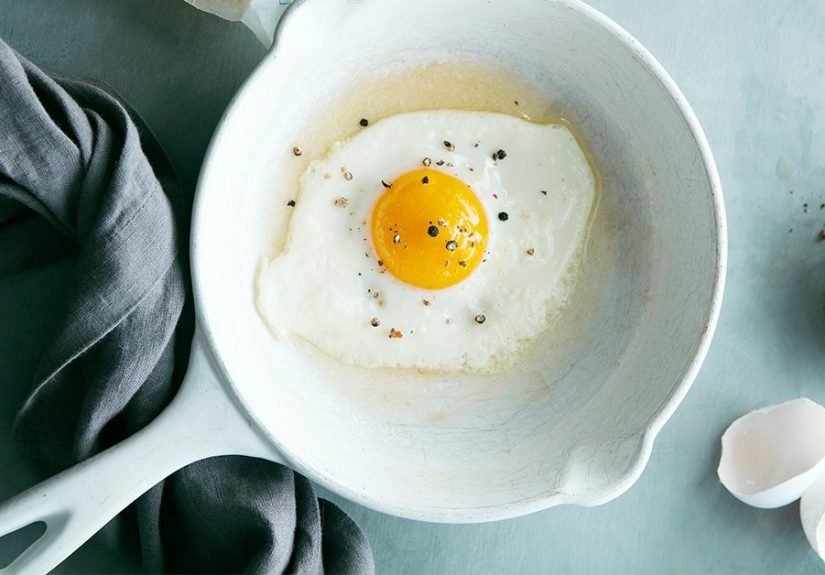
Eggs are one of the most practical biotin foods around. They are affordable, versatile, and show up at breakfast like dependable little overachievers. The yolk contains the biotin, while cooking matters because raw egg whites contain avidin, a protein that can interfere with biotin absorption. So yes, your scrambled eggs are pulling more nutritional weight than your trendy raw-eggs-in-a-smoothie experiment.
Beyond biotin, eggs also provide protein, choline, and other nutrients that support overall health. Hard-boiled, scrambled, poached, folded into an omelet, or tucked into fried rice, they are an easy win.
4. Salmon
Salmon earns its place on this list by offering biotin along with omega-3 fats, high-quality protein, selenium, and vitamin D. That is an annoyingly impressive résumé for one fillet. If you are trying to support overall wellness while also getting more biotin, salmon is one of the most efficient foods you can put on a plate.
Fresh, frozen, canned, grilled, baked, or folded into salmon cakes, it works in more meals than people sometimes realize. If you are not a big seafood person, canned salmon can be a gentler entry point.
5. Peanuts
Peanuts are one of the handiest plant-based ways to bump up biotin intake. They are snackable, budget-friendly, and easy to add to meals. A handful can bring biotin, healthy fats, protein, and a bit of fiber to the party.
They are also a reminder that “biotin-rich” does not have to mean fancy. Peanut butter on whole-grain toast, chopped peanuts over oatmeal, or a small handful as an afternoon snack can all help move the needle.
6. Pork Chops
Pork is often overshadowed by chicken and beef in nutrition conversations, but it deserves more credit here. Pork chops provide a meaningful amount of biotin, along with protein, zinc, and several B vitamins. They are a solid middle-ground option for people who want something biotin-friendly without venturing into organ meat territory.
Keep preparation simple: roast, grill, or pan-sear, then pair with vegetables and a starch. No dramatic sauce monologue required.
7. Sunflower Seeds
Sunflower seeds are tiny, crunchy, and surprisingly useful. They offer biotin, healthy fats, vitamin E, magnesium, and a satisfying texture that makes salads, yogurt, oatmeal, and grain bowls instantly more interesting. They are basically the confetti of practical nutrition.
Because they are easy to sprinkle onto meals, they are especially handy for people who want more biotin without changing their diet too much. Sometimes the best nutrition upgrade is the one that does not feel like homework.
8. Sweet Potatoes
Sweet potatoes are not biotin megastars compared with liver or eggs, but they still contribute meaningfully and bring a lot of nutritional value with them. They are rich in fiber and beta carotene, and they play nicely with both savory and sweet flavors. They are the reliable friend who does not brag but always shows up with snacks and a charger.
Roast them into wedges, mash them, add them to grain bowls, or cube them into breakfast hash. Biotin aside, they make healthy eating much less boring.
9. Mushrooms
Mushrooms are another worthwhile source, especially for plant-forward eaters. They also bring a meaty texture and savory flavor that can make vegetable-heavy meals more satisfying. That means they help with biotin intake while also making dinner feel less like a compromise.
Sautéed mushrooms are easy to add to eggs, pasta, stir-fries, soups, and sandwiches. They are one of those ingredients that quietly improve everything around them.
10. Almonds
Almonds round out the list as a convenient, nutrient-dense snack. They provide biotin in smaller amounts than the top contenders, but they still count, especially when eaten regularly as part of a varied diet. They also offer healthy fats, vitamin E, and a satisfying crunch that makes “smart snack” feel less like a punishment.
Eat them plain, toss them into trail mix, sprinkle sliced almonds over salads, or blend almond butter into smoothies. They are flexible, portable, and refreshingly low-maintenance.
Honorable Mentions That Still Deserve a Round of Applause
Several other foods can help contribute to biotin intake, even if they are not in the official top 10 here. Tuna, spinach, broccoli, avocados, legumes, milk, yogurt, and whole grains all add to the bigger picture. This matters because the healthiest approach is rarely obsessing over one “perfect” food. It is building a varied eating pattern where nutrients stack up naturally over the course of the day.
What Biotin-Rich Eating Looks Like in Real Life
The simplest way to get more biotin is to stop thinking about biotin as a solo mission. Instead, build meals around proteins, nuts or seeds, vegetables, and a few nutrient-dense staples. For example:
- Breakfast: scrambled eggs with mushrooms and spinach
- Lunch: salmon salad with sunflower seeds
- Snack: almonds or peanut butter with apple slices
- Dinner: pork chop with roasted sweet potatoes and broccoli
That menu is not extreme. It is just balanced. And balance is usually where nutrition does its best work, even if it is less exciting than a neon gummy marketed by someone with unrealistically shiny hair.
Do You Need a Biotin Supplement?
Usually, no. Most people can meet their needs through food. Supplements may make sense in certain medical situations, but they are not a universal shortcut to better hair, better nails, and a better life. If you are experiencing hair thinning, brittle nails, or skin changes, it is worth speaking with a healthcare professional instead of assuming biotin is the missing piece. Those symptoms can have many causes, including iron deficiency, thyroid issues, stress, hormonal changes, or other nutrient gaps.
Also important: if you do take biotin supplements, tell your healthcare provider, especially before blood work. High doses can interfere with some lab results, which is not the kind of surprise anyone wants.
Extra Experience-Based Insight: What People Often Notice When They Focus on Biotin-Rich Foods
One of the most common experiences people describe when they start eating more biotin-rich foods is not some cinematic overnight transformation. It is something much less flashy and much more believable: their meals become better overall. That may sound anticlimactic, but it is actually the point. When someone starts adding eggs at breakfast, salmon at lunch, nuts for snacks, and sweet potatoes or vegetables at dinner, they are not just getting more biotin. They are usually getting more protein, more healthy fats, more fiber, and a wider range of vitamins and minerals. The result is often a general feeling of eating more steadily and more intentionally.
Another frequent experience is that expectations become more realistic. Many people first arrive at biotin because they are worried about hair shedding, weak nails, or dull-looking skin. After a few weeks of focusing on food instead of miracle claims, they often realize that nutrition is supportive, not magical. Nails may feel less fragile over time. Meals may become more satisfying. Energy may feel more stable because the diet is better structured. But nobody wakes up after three almonds and a hard-boiled egg looking like they just signed a luxury shampoo contract. That is actually good news, because it keeps the conversation grounded in real health rather than fantasy marketing.
There is also a practical experience that people rarely talk about enough: biotin-rich foods are easier to stick with than supplement routines for many adults. A supplement can be forgotten in a cabinet with the same enthusiasm as a dusty bread machine. Food, on the other hand, is already part of the day. If your routine includes eggs, peanut butter, roasted salmon, trail mix, yogurt, or sweet potatoes, you are building nutrient intake into habits that already exist. That tends to be more sustainable and much less dramatic.
Plant-forward eaters often have a slightly different experience. They may discover they need to be more deliberate about variety. Instead of relying on one superstar food, they might combine nuts, seeds, mushrooms, legumes, avocados, and whole grains throughout the week. This usually leads to a broader pattern of healthy eating rather than a narrow obsession with one vitamin. In many cases, that shift feels more manageable than expected. It is less “I need a perfect nutrition plan immediately” and more “I can add sunflower seeds to my salad and call that a respectable start.” Frankly, that attitude tends to work better.
Finally, people often say that focusing on biotin-rich foods gives them a useful way to think about health without becoming rigid. Instead of chasing a single cosmetic promise, they start asking better questions: Am I eating enough protein? Am I getting enough variety? Am I depending too much on ultra-processed snacks? Am I seeing symptoms that deserve medical attention instead of self-diagnosis by social media? Those questions lead to better choices. And better choices, repeated often enough, usually do more for long-term wellness than any glossy bottle promising instant beauty from a gummy that tastes like suspicious raspberry perfume.
Conclusion
The top 10 biotin-rich foods are not hidden secrets. They are familiar, useful staples: liver, eggs, salmon, peanuts, pork, seeds, sweet potatoes, mushrooms, and almonds. The smartest way to get more biotin is not panic-buying supplements. It is eating a varied diet that includes these foods regularly and realistically. That approach supports biotin intake while also improving your nutrition overall, which is a much better deal than chasing a single vitamin like it owes you rent.





 Close
Close