
Table of Contents >> Show >> Hide
- What Was the New Audition Twist on The Voice in 2024?
- Reba McEntire Made the First Coach Replay Moment Unforgettable
- Why Fans Reacted So Strongly to the Coach Replay Button
- Other Coach Replay Moments in Season 26
- Did the Twist Make The Voice Better?
- Why the 2024 Coach Lineup Made the Twist Even More Fun
- What the Coach Replay Button Means for Future Seasons
- Viewing Experience: Why the Twist Felt So Dramatic at Home
- Conclusion
If you thought you knew exactly how The Voice Blind Auditions worked, Season 26 looked at your confidence, smiled politely, and pressed its own giant red button. In 2024, NBC’s long-running singing competition introduced a new audition twist called the Coach Replay button, and it changed the emotional math of the show almost instantly.
For years, the Blind Auditions had one clean rule: if a coach did not press their button while an artist was singing, that coach lost the chance to work with them. The chair stayed turned away, the dream deflated a little, and viewers at home yelled, “How did nobody turn?” at their televisions like the furniture was personally responsible. But in Season 26, The Voice gave coaches something fans have wanted for ages: a second chance.
The twist arrived during the 2024 season premiere, which featured Reba McEntire, Gwen Stefani, Snoop Dogg, and Michael Bublé in the red chairs. With two new coaches, one returning country queen, one pop-rock icon, and enough musical charisma to power a small city, Season 26 already had a fresh feel. Then the Coach Replay button appeared and turned a familiar audition format into a brand-new guessing game.
What Was the New Audition Twist on The Voice in 2024?
The major new audition twist for The Voice Season 26 was the Coach Replay button. This rule allowed each coach to press their button after a Blind Audition had already ended, even if they had not turned during the performance.
In simple terms, it worked like a musical do-over. A coach could hear a singer, hesitate, fail to turn, regret everything approximately five seconds later, and then use the Coach Replay to bring that artist onto their team. It was not an unlimited power, though. Each coach had only one Replay button during the Blind Auditions, which made the decision feel strategic rather than random.
That limitation is what gave the twist its spark. If coaches could use Replay every time they felt a little guilty, the show would become less The Voice and more The Apology Chair. But with only one shot, every coach had to decide whether a missed artist was truly worth using their one precious second chance.
How the Coach Replay Button Changed the Blind Auditions
Traditionally, the Blind Auditions are built around instinct. Coaches hear a voice without seeing the performer. They must decide in real time whether to press the button, turn their chair, and compete for the artist. The format is fast, dramatic, and sometimes painfully unforgiving.
The Coach Replay button softened that edge without removing the pressure. Coaches still needed to listen closely, but the new feature acknowledged something very human: even music experts second-guess themselves. A vocalist may have a shaky opening and a stunning finish. A coach may wait too long for a big note. A performance may reveal its emotional power only after the final line lands. The Replay button gave the coaches one chance to say, “Actually, I made a mistake.”
For viewers, that small change made the Blind Auditions more suspenseful. The end of a no-chair audition no longer meant the moment was definitely over. Instead, the room could stay charged with possibility for a few extra seconds. Would someone use the Replay? Was the coach simply offering kind feedback, or were they about to change the artist’s life? That uncertainty gave Season 26 a fresh layer of drama.
Reba McEntire Made the First Coach Replay Moment Unforgettable
The twist became real during the Season 26 premiere when country singer Kendall Eugene performed Morgan Wallen’s “Don’t Think Jesus.” No coach turned during the song, which normally would have meant the end of his audition journey. Then Reba McEntire changed the story.
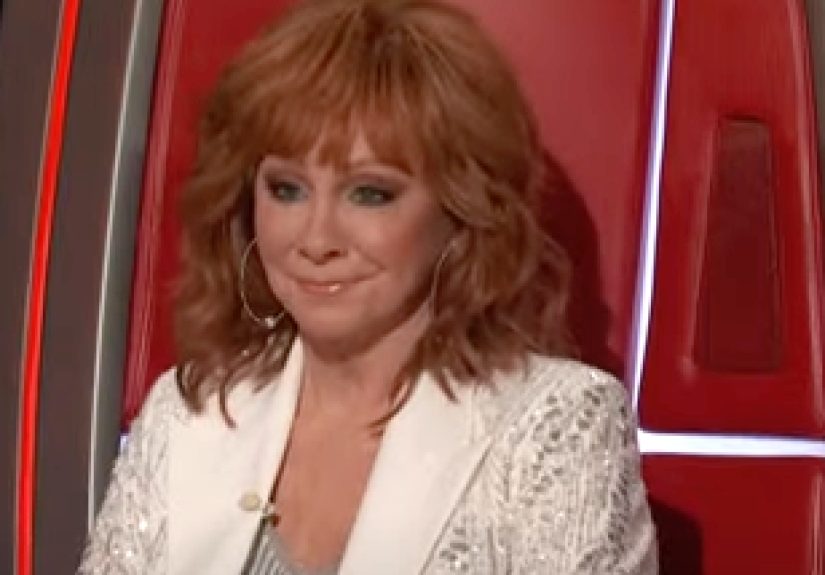
After the performance, Reba admitted she did not understand why she had failed to turn. Instead of letting the moment fade into the usual “please come back next time” speech, she revealed the new Coach Replay button and used it. Kendall Eugene went from eliminated to Team Reba in a matter of seconds.
That is the kind of television moment producers dream about, probably while sipping coffee from a mug that says “emotional arc.” The twist did not feel like a gimmick in that first use; it felt like a rescue. Reba’s decision gave the rule a purpose right away. It was not there simply to create chaos. It was there to catch a singer who slipped through the cracks.
The emotional reaction in the room helped sell the twist. Kendall was visibly moved, Reba was emotional, and Snoop Dogg was also deeply affected. Instead of feeling like a cold competition mechanic, Coach Replay felt personal. That is important because The Voice has always relied on more than big vocals. It thrives on mentorship, vulnerability, family reactions, and those tiny human moments when a singer realizes someone believes in them.
Why Fans Reacted So Strongly to the Coach Replay Button
The Coach Replay button worked because it tapped into a long-running viewer frustration. Every season, talented singers leave the Blind Auditions without a chair turn. Sometimes the coaches explain that the song choice was wrong. Sometimes they say the nerves got in the way. Sometimes they praise the artist so much that viewers wonder why nobody bothered to press the giant button conveniently located in front of them.
In those moments, fans often feel the gap between feedback and action. Hearing “you are amazing” after zero chairs can be comforting, but it can also feel like being handed a cupcake after missing your flight. Nice gesture, wrong problem. Coach Replay finally gave coaches a tool to match their regret with action.
That does not mean everyone loved the twist without question. Some viewers argued that the Blind Auditions should remain strict: if a coach does not turn while the singer performs, the opportunity should be gone. That criticism makes sense. The original format is based on immediate musical instinct. Once coaches see the artist, hear their story, or sense the room’s reaction, the decision is no longer purely blind.
Still, the limited use of the Replay button helped protect the integrity of the format. Because each coach had only one, it did not erase the stakes. It simply created a rare exception for a moment that felt too important to lose.
Other Coach Replay Moments in Season 26
Reba’s use of the Coach Replay button was only the beginning. As Season 26 continued, the other coaches also used their one Replay opportunity, giving the twist more weight across the Blind Auditions.
Snoop Dogg Used His Replay for Gail Bliss
Snoop Dogg used his Coach Replay button on Gail Bliss, a 61-year-old singer whose audition initially received no chair turns. His decision became one of the season’s most emotional moments. Snoop connected the choice to a personal feeling and spoke about the presence of his late mother, making the save feel less like a strategy move and more like an instinct from the heart.
That moment also showed why Snoop became such an interesting addition to the coaching panel. Fans may have expected humor, cool confidence, and hip-hop legend energy. They got all of that, but they also got a coach who was surprisingly tender, emotionally open, and deeply invested in the contestants’ stories.
Gwen Stefani Used Her Replay for Jaylen Dunham
Gwen Stefani used her Replay button for Jaylen Dunham, a 14-year-old singer who performed Beyoncé’s “Listen.” The coaches were surprised by his voice and stage presence after turning around to see how young he was. Gwen’s decision gave Jaylen another chance after what initially looked like disappointment.
This was one of the best examples of the Replay button rewarding potential. Jaylen’s audition may not have been perfect from start to finish, but his talent, control, and age made him an exciting artist to develop. In a show built around coaching, that matters. The best contestants are not always finished products. Sometimes they are raw diamonds with nerves, big songs, and parents trying very hard not to cry on national television.
Michael Bublé Used the Final Replay for Mark Shiiba
Michael Bublé used his Replay button on Mark Shiiba, making him the final artist saved through the twist during the Season 26 Blind Auditions. Bublé’s choice reinforced the idea that the button was not only for dramatic rescue scenes but also for artists with distinctive voices who might not fit neatly into a coach’s first reaction.
With all four coaches eventually using the Replay button, the twist became a defining feature of the 2024 season. It gave each coach one memorable moment of reconsideration and gave audiences a new reason to keep watching even after the last note of an audition.
Did the Twist Make The Voice Better?
The Coach Replay button made The Voice more emotionally flexible. That is its biggest strength. It allowed the show to correct a missed moment without turning the entire format upside down.
From a storytelling perspective, it was a smart move. Reality competition shows need rules, but they also need surprise. After more than two dozen seasons, even a successful format can benefit from a small shake-up. The Replay button did not require viewers to learn a complicated new system. It was instantly understandable: one coach, one second chance, one artist saved.
It also gave the coaches more personality. The decision to use a Replay revealed what each coach valued. Reba responded to emotional country storytelling. Snoop followed a deeply personal instinct. Gwen saw youth, talent, and potential. Bublé leaned into uniqueness and possibility. In that sense, the button became a character test for the coaches as much as a lifeline for contestants.
However, the twist also raised a fair question: does it weaken the meaning of a Blind Audition? Part of the show’s magic is that a coach must commit before seeing the singer. If Replay happens after the performance, the coach may be influenced by the artist’s appearance, age, stage presence, or emotional story. That slightly bends the “voice first” premise.
The key word is “slightly.” Because the rule was limited to one use per coach, it felt more like a special exception than a full format change. If the show had allowed unlimited replays, the Blind Auditions would lose their bite. But as a one-time tool, Coach Replay added drama without turning the competition into a free-for-all.
Why the 2024 Coach Lineup Made the Twist Even More Fun
Season 26 already had one of the most intriguing coach combinations in recent memory. Reba McEntire returned with country royalty status and recent winning momentum. Gwen Stefani brought pop instincts, style, and years of experience in the red chair. Michael Bublé arrived with smooth vocals, old-school charm, and a coach-like reluctance to crush anyone’s dreams. Snoop Dogg joined as a first-time coach with humor, warmth, and a surprising amount of emotional transparency.
That mix made the Coach Replay button more entertaining because each coach approached it differently. Reba used it with maternal conviction. Snoop used it with spiritual emotion. Gwen used it with an eye for growth. Bublé used it like a mentor willing to bet on a distinctive artist.
The twist also gave the two new coaches a fast way to make their mark. Snoop and Bublé were not just sitting in famous chairs and smiling handsomely, although both are extremely capable of that. They had to make high-pressure decisions with a brand-new tool. Their choices helped define their coaching identities early in the season.
What the Coach Replay Button Means for Future Seasons
The big question is whether The Voice should keep the Coach Replay button in future seasons. Based on Season 26, the answer is yeswith limits.
The button works best when it is rare. One Replay per coach is enough to create anticipation without making every no-chair audition feel reversible. The show should also continue using it only during Blind Auditions. If the twist spreads into Battles, Knockouts, Playoffs, and Live Shows, it could become messy. The charm of Coach Replay is that it solves one specific problem: a coach realizes too late that they should have turned.
Future seasons could also make the strategy more visible. Coaches might talk more openly about whether they are saving their Replay for a once-in-a-season voice or using it when their gut screams at them. That would add tension throughout the auditions. Viewers love a good strategic dilemma, especially when it involves talented singers and celebrities pretending they are not wildly competitive.
Viewing Experience: Why the Twist Felt So Dramatic at Home
Watching the Coach Replay button unfold in Season 26 was a very different experience from watching a normal Blind Audition. Usually, the viewer knows the rhythm. The artist walks out, the music starts, the coaches listen, and the camera cuts between nervous family members, hovering hands, and chairs that may or may not turn. If nobody presses the button by the final note, the emotional outcome is predictable. The artist smiles bravely, the coaches offer encouragement, and everyone tries to pretend rejection does not feel like stepping on a Lego barefoot.
Coach Replay changed that rhythm. Suddenly, the end of the song was not the end of the audition. Viewers had to keep watching the coaches’ faces after the performance. A regretful look mattered. A coach leaning toward the button mattered. Even a pause felt suspicious. The show found a way to stretch suspense after the music stopped, which is not easy in a format that audiences have understood for years.
The Reba and Kendall Eugene moment was especially powerful because it felt organic. It did not appear as if the show introduced a twist and then awkwardly searched for a reason to use it. The regret was right there on Reba’s face. She seemed genuinely bothered that she had let the audition pass. When she pressed the Replay button, the room shifted from disappointment to celebration so quickly that it felt like emotional whiplash in the best possible way.
For fans watching at home, that kind of reversal is satisfying. It gives the viewer a payoff for believing in an artist before the coaches do. Many people have watched The Voice and thought, “Why did nobody turn for that singer?” Coach Replay made that frustration part of the show’s design. It told viewers, “Yes, sometimes the coaches miss it too.” That honesty made the competition feel more human.
The twist also made the family-room reactions more intense. Families standing backstage with Carson Daly already ride the full emotional roller coaster during Blind Auditions. With Replay, that roller coaster added a surprise loop. One minute, a parent might be processing the heartbreak of no chairs. The next, a coach uses their one chance to save the artist. That creates television that feels big, but not fake.
From a viewer experience standpoint, Coach Replay also made each coach more watchable. It encouraged fans to track who still had a button and who had already used theirs. That small detail added a game-within-the-game element. If a coach still had a Replay late in the Blinds, every no-chair audition carried extra tension. Would this be the one? Would they hold back? Would they regret holding back? It was simple, clear, and surprisingly addictive.
Most importantly, the twist gave the season a sense of kindness without removing competition. The Voice is still a contest. Artists still have to survive Battles, Knockouts, Playoffs, and public votes. But the Coach Replay button created a rare moment where the show could say, “Not so fastthis person deserves another chance.” In a television world full of harsh eliminations, that little burst of grace felt refreshing.
Conclusion
The Voice implemented a genuinely shocking audition twist for 2024 with the Coach Replay button, and it quickly became one of the defining features of Season 26. By allowing each coach one chance to reverse a missed Blind Audition decision, the show added suspense, emotion, and strategy without destroying the format that made it famous.
Reba McEntire’s first use of the button for Kendall Eugene gave the twist immediate emotional power. Snoop Dogg, Gwen Stefani, and Michael Bublé later showed how the Replay could reflect each coach’s instincts and values. While some fans may worry that the feature bends the “blind” part of Blind Auditions, its limited use helped keep the competition balanced.
In the end, Coach Replay worked because it solved a real problem. Sometimes a singer deserves more than regret. Sometimes a coach needs a second chance as much as the artist does. And sometimes, all it takes is one button to turn a heartbreaking no into a season-changing yes.





 Close
Close