
Table of Contents >> Show >> Hide
- Why Ground Beef Soup Works So Well in Winter
- What Makes a Great Ground Beef Soup?
- The Best Ground Beef Soup Recipes to Make This Winter
- Tips for Making Ground Beef Soup Taste Even Better
- Storage, Reheating, and Winter Meal Prep
- The Real Experience of Ground Beef Soup on a Cold Winter Night
- Conclusion
- SEO Tags
There are two kinds of winter dinners: the ones you eat because you have to, and the ones you daydream about at 3 p.m. while pretending to answer emails. Ground beef soup belongs firmly in the second category. It is warm, hearty, budget-friendly, easy to adapt, and forgiving enough to survive the kind of weeknight chaos that starts with “What’s for dinner?” and ends with somebody eating over the sink.
That is exactly why ground beef soup recipes keep showing up in American kitchens year after year. A pound of beef stretches beautifully in broth, vegetables become far more exciting when they are swimming in savory tomato goodness, and pantry staples like beans, pasta, rice, potatoes, and canned tomatoes do most of the heavy lifting. The result is the kind of cozy dinner that makes a cold winter night feel less rude.
From classic hamburger vegetable soup to taco soup, cabbage roll soup, and creamy cheeseburger-style bowls, the best versions all share one thing: they taste like comfort without demanding restaurant-level effort. That is a beautiful combination. Below, you will find the best types of ground beef soup to make, why they work so well, and how to turn a simple pot into something that tastes like it simmered all day even when it absolutely did not.
Why Ground Beef Soup Works So Well in Winter
Ground beef soup hits a very specific cold-weather sweet spot. It is rich without being too heavy, filling without requiring a side dish the size of a snow shovel, and easy to customize based on what is in the fridge. Unlike a pricier cut of beef, ground beef browns quickly and spreads flavor through the entire pot. You get beefy depth in every spoonful instead of waiting around for chunks of meat to decide whether they feel like getting tender.
It is also one of the smartest ways to cook on a budget. A single pound of ground beef can feed a family when it is teamed with broth, onions, garlic, carrots, celery, potatoes, beans, cabbage, noodles, rice, or frozen vegetables. In other words, soup is the original “let’s make this work” meal. And in winter, that flexibility is not just practical. It is downright heroic.
Even better, soup often tastes improved the next day. The flavors settle in, the broth deepens, and the leftovers become tomorrow’s lunch with suspiciously little effort. That is the culinary equivalent of waking up to a snow day.
What Makes a Great Ground Beef Soup?
1. Brown the Beef Like You Mean It
The difference between a good soup and a memorable one often starts in the first few minutes. Let the beef brown instead of merely turning gray. That caramelized flavor builds the backbone of the broth. If your pan is crowded, work in batches. Nobody likes steamed beef pretending to be bold.
2. Build Flavor with Aromatics
Onion, garlic, celery, and carrots are the all-star starting lineup for many ground beef soups. Bell peppers often join the party too, especially in taco soup, stuffed pepper soup, or Southwestern versions. A spoonful of tomato paste can deepen the entire pot in about 30 seconds. Tiny move, big payoff.
3. Choose a Broth with Personality
Beef broth is the usual favorite, but chicken broth can work in lighter soups, especially when you want vegetables, herbs, or beans to stand out. Tomato-based broths are especially popular because they balance the richness of the meat and create that classic diner-style comfort people love in hamburger soup.
4. Add Texture, Not Just Ingredients
The best soups are not just flavorful. They are interesting to eat. Potatoes make a bowl feel extra substantial. Beans add creaminess and protein. Small pasta shapes bring chew. Rice turns cabbage-based soups into stuffed-roll territory. Barley adds nuttiness. Corn and peas brighten things up. In short, a great soup should keep every spoonful from feeling identical.
The Best Ground Beef Soup Recipes to Make This Winter
Classic Hamburger Vegetable Soup
If ground beef soup had a team captain, this would be it. Classic hamburger vegetable soup usually starts with browned beef, onion, garlic, carrots, celery, tomatoes, broth, and potatoes. Frozen mixed vegetables often make an appearance because winter cooking is not the time for unnecessary chopping marathons.
This style is ideal for families because it is familiar, filling, and wonderfully flexible. Want it heartier? Add barley or macaroni. Want it brighter? Finish with parsley. Want it richer? Stir in a little Worcestershire sauce. Serve it with crackers or crusty bread, and suddenly everyone thinks you have your life together.
Taco Soup with Ground Beef
Taco soup is what happens when taco night and soup season decide to cooperate. Ground beef, beans, corn, tomatoes, broth, and taco-inspired seasonings create a bowl that feels festive but still qualifies as serious winter comfort. It is easy to make spicy, easy to make mild, and almost impossible to make boring.
The toppings are half the fun. Shredded cheese, avocado, sour cream, crushed tortilla chips, scallions, and cilantro can all turn one pot into a customizable dinner. It is also a strong option for feeding a crowd because people get weirdly excited when toppings are involved. Humans love a garnish bar.
Cabbage Roll Soup
If you love the flavor of stuffed cabbage but do not love the part where you roll cabbage leaves like you are auditioning for a very specific cooking competition, cabbage roll soup is your answer. It takes the signature combo of ground beef, cabbage, tomatoes, rice, and savory seasoning and skips the fussy assembly.
This soup is deeply satisfying on freezing nights because it is soft, warming, and substantial without being heavy in a cream-based way. The cabbage becomes tender, the rice gives the broth body, and the beef keeps everything grounded. It tastes old-school in the best possible sense.
Cheeseburger Potato Soup
Some winter nights call for subtle elegance. Other winter nights call for cheeseburger soup. This creamy, beefy, potato-filled style is for the latter, and honestly, that is a compliment. It captures the comfort of a cheeseburger and fries in spoonable form.
The best versions balance richness with structure. Potatoes provide heft, broth keeps it from becoming dip, and cheese adds the velvety finish people expect. Bacon, mustard, pickles, or even a little pickle brine can sharpen the flavor and keep the soup from feeling too heavy. It is cozy, slightly ridiculous, and extremely effective.
Italian Ground Beef Soup
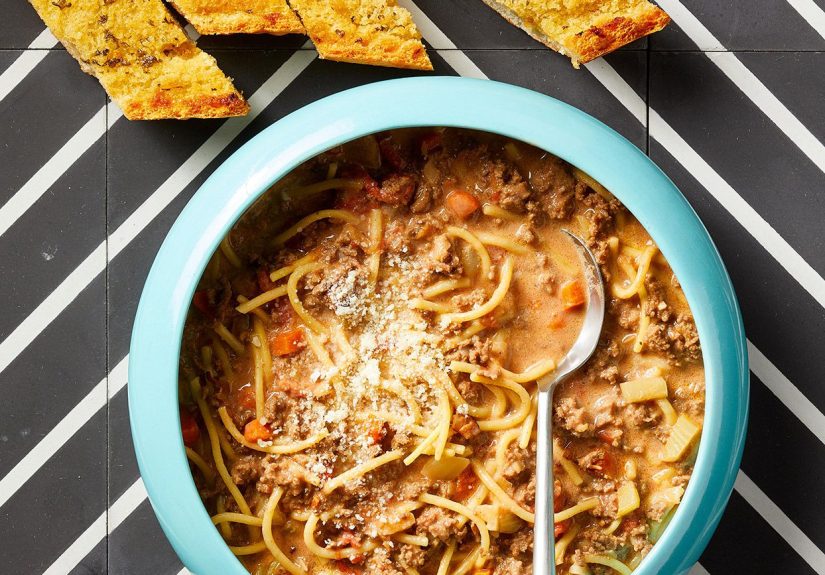
When you want something that tastes like it belongs next to garlic bread and a dramatic hand gesture, Italian-style ground beef soup delivers. These soups often include tomatoes, Italian seasoning, onion, garlic, pasta, spinach, cabbage, or beans. Some even drift into lasagna soup territory, which is never a bad place to be.
This is a great category for households that want a soup with strong pantry appeal. Jarred sauce, diced tomatoes, beef broth, pasta, and a pound of ground beef can become something genuinely comforting in under an hour. Add Parmesan at the end and the whole kitchen smells like you have been making Sunday dinner since noon.
Bean-and-Beef Pantry Soup
There is a special kind of satisfaction that comes from making dinner mostly out of cans and freezer items. Bean-and-beef soup excels here. Black beans, pinto beans, kidney beans, or white beans all work, depending on the flavor direction. Tomatoes and broth keep it brothy, while cumin, chili powder, oregano, or smoked paprika can nudge it in a Southwestern direction.
This is the soup for snowy evenings when grocery shopping lost to common sense. It is practical, protein-rich, and adaptable. It also freezes beautifully, which means future you gets rewarded for current you’s excellent decisions.
Beefy Noodle Soup
If chicken noodle soup is the cardigan of the soup world, beef noodle soup is the heavyweight winter coat. Ground beef brings quick richness, while noodles make the bowl comforting in a familiar, almost nostalgic way. This version is especially good for families with picky eaters because noodles have an almost magical ability to calm resistance.
Use small noodles if the soup will sit for a while, or cook and store them separately if you plan on leftovers. Otherwise, the noodles may stage a takeover by morning. Delicious, but aggressive.
Beef and Barley Shortcut Soup
Traditional beef barley soup often uses chunks of beef, but a ground beef version can still bring the earthy, hearty flavor people love. Barley adds chew and a subtle nuttiness that plays especially well with mushrooms, carrots, onions, and a darker broth.
This style feels a little more grown-up without becoming fussy. It is the soup you make when you want something deeply warming and sturdy enough to count as dinner all by itself. Add a side salad if you want balance, or a slice of buttered bread if you want happiness.
Tips for Making Ground Beef Soup Taste Even Better
First, season in layers. Salt the beef while browning it, then taste the broth before serving. Soup that is underseasoned can feel flat no matter how many ingredients are in the pot.
Second, do not skip acid. A splash of Worcestershire sauce, a squeeze of lime in taco soup, or even a little vinegar can wake up the broth beautifully. Rich soups need contrast.
Third, finish with something fresh. Chopped parsley, scallions, cilantro, grated cheese, sour cream, or cracked black pepper can make a humble pot taste more polished.
Finally, think about thickness. If the soup feels too thin, let it simmer uncovered a little longer. If it is too thick, add more broth. Ground beef soup should be hearty, not spoon-standing-up straight unless you are making chili and simply calling it soup because it sounds friendlier.
Storage, Reheating, and Winter Meal Prep
Ground beef soup is one of the best meal-prep dinners around. Make a big batch, cool it properly, and portion it into containers for lunch or future dinners. Most broth-based versions reheat well, and many freeze like champions.
For best texture, freeze soups before adding delicate toppings or dairy finishes. Pasta and rice-based soups can thicken over time, so have extra broth ready when reheating. A splash goes a long way.
From a food-safety standpoint, ground beef should be cooked thoroughly, and soups should not linger on the counter all evening just because everyone keeps saying they will get seconds later. Refrigerate leftovers promptly, use shallow containers for faster cooling, and enjoy refrigerated leftovers within a few days for the best quality.
The Real Experience of Ground Beef Soup on a Cold Winter Night
Now for the part recipe collections sometimes forget: the experience. Because yes, ground beef soup is practical and affordable and easy to make. But that is not the whole story. The real magic happens in the atmosphere around the pot.
There is something undeniably comforting about hearing onions hit a hot pan while the windows look cold enough to file a complaint. Then comes the sizzle of ground beef, the smell of garlic, and that first cloud of steam when broth meets the pot. Suddenly the kitchen starts doing what a good kitchen should do in winter: making the whole house feel less bleak.
Ground beef soup is not flashy. It does not arrive with a crackly meringue topping or require a torch, a ring mold, or a level of emotional commitment usually reserved for holiday baking. It just shows up and does its job very well. It warms your hands through the bowl. It makes bread feel necessary. It invites people to hover nearby and ask, “Is it ready yet?” every seven minutes, as if that might speed things up.
It also has a uniquely generous quality. A pot of soup suggests there is enough to share, enough for seconds, enough for tomorrow. It sends the message that dinner is handled. On busy nights, that feeling matters almost as much as the food itself. Maybe more.
For a lot of people, ground beef soup also tastes like memory. It tastes like weeknights from childhood, when someone in the house knew how to make one pound of meat stretch into a full meal. It tastes like after-school hunger, winter boots by the door, fogged-up glasses, and the sound of a ladle knocking against a pot. Even if the exact recipe changes, the mood stays the same: warm, steady, unfussy, and deeply reassuring.
And then there is the ritual of fixing up your bowl. Maybe you add shredded cheddar and black pepper. Maybe it is sour cream and crushed tortilla chips. Maybe you go classic with crackers that immediately lose structural integrity but still somehow improve everything. However you finish it, a bowl of soup feels personal in a way many dinners do not. It meets you where you are. Tired? Cold? Hungry enough to eat the spoon? Soup understands.
That is why these recipes work so well on cold winter nights. They are not just recipes. They are routines, rescue plans, comfort food, and leftovers all in one. They make smart use of affordable ingredients, yes, but they also create a kind of everyday coziness that people remember long after the pot is empty.
So the next time the weather turns bitter and dinner needs to be both realistic and comforting, go with ground beef soup. Brown the meat. Build the broth. Throw in the vegetables. Add the noodles or rice or beans or potatoes. Let the kitchen smell amazing. Then serve it hot with something to dip, someone to share it with, or blissful silence if that is the mood. Winter is hard enough. Dinner should help.
Conclusion
The best ground beef soup recipes prove that comfort food does not need to be complicated. Whether you choose classic hamburger vegetable soup, taco soup, cabbage roll soup, cheeseburger potato soup, or an Italian-inspired pot full of pasta and tomatoes, the appeal is the same: real flavor, flexible ingredients, and a dinner that feels like a warm blanket with better seasoning. On cold winter nights, that is not just a meal. That is strategy.





 Close
Close