
Table of Contents >> Show >> Hide
- Why Dog Toothpaste Matters More Than Most Owners Think
- The Toothpaste Pick: Why Virbac C.E.T. Wins for Palatability
- But Wait: What If You Want a VOHC-Accepted Toothpaste?
- What Makes a Great Dog Toothpaste, Besides Taste?
- How to Introduce Dog Toothpaste Without Starting a Family Feud
- When Toothpaste Alone Is Not Enough
- How to Choose the Right Flavor for Your Dog
- The Bottom Line on the Best Dog Toothpaste
- Owner Experience: What It’s Really Like When Your Dog Finally Likes Toothpaste
- Conclusion
There are two kinds of dog dental routines in this world. The first is the one you dream about: your pup sits politely, opens wide, and acts like she has a standing appointment with a canine dental hygienist. The second is the one most of us actually get: side-eye, dramatic sighs, and a full courtroom objection the second the toothbrush appears.
That is exactly why finding the right dog toothpaste matters so much. For most dogs, brushing is not really about the brush at first. It is about the taste. If the toothpaste tastes suspicious, medicinal, or deeply un-treat-like, your odds of building a daily routine drop faster than a tennis ball into a pond. If it tastes like something your dog would voluntarily investigate, lick, and maybe even request again, suddenly the whole routine becomes a lot less theatrical.
My editorial pick for the toothpaste that best fits that sweet spot is Virbac C.E.T. Enzymatic Toothpaste, especially the poultry flavor. Is it magic? No. Is it the closest thing many treat-motivated dogs get to saying, “Fine, I’ll allow this weird mint-free mouth spa”? Absolutely.
Why Dog Toothpaste Matters More Than Most Owners Think
Dog dental care is easy to ignore until bad breath goes from “whew” to “should I open a window?” But oral health is not just a cosmetic issue. Dental disease can begin early in life, and when plaque sits on the teeth long enough, it can harden into tartar and irritate the gums. That irritation can lead to gingivitis, pain, chewing discomfort, and a whole lot of avoidable misery.
The big point many owners miss is this: brushing is the best at-home habit, but it is not a total replacement for professional care. Toothpaste helps you remove soft plaque before it hardens. It does not perform tiny miracles on heavy tartar that has already settled in like it is paying rent. In other words, toothpaste is your daily defense, not a time machine.
That is why the ideal dog toothpaste does three things at once. First, it needs to be safe to swallow, because dogs do not spit dramatically into the sink like humans in commercials. Second, it should be pleasant enough to encourage cooperation. Third, it should fit into a routine you can actually maintain several times a week, if not daily. The best dog dental care plan is the one that survives real life.
The Toothpaste Pick: Why Virbac C.E.T. Wins for Palatability
If your main challenge is getting your dog to accept brushing in the first place, Virbac C.E.T. Enzymatic Toothpaste has a lot going for it. It is widely recognized in the U.S. pet space, it comes in multiple flavors, and it is designed specifically for pets rather than borrowed from the human bathroom cabinet. That last part matters more than it sounds.
What makes it stand out is the combination of enzymatic cleaning support and dog-friendly flavors. Virbac offers several flavor options, which is a blessing for picky pups and a sanity saver for owners. Some dogs love poultry. Others prefer beef, seafood, or even malt. Having options is not a gimmick. It is strategy. A toothpaste your dog willingly licks is a toothpaste you are far more likely to use consistently.
The poultry flavor gets my vote because it lands closest to what many dogs already recognize as “reward adjacent.” It smells less like a dental appointment and more like you may be hiding something delicious. That makes the first few sessions easier, especially for dogs who are suspicious of anything involving lips, gums, or human ambition.
What “Enzymatic” Actually Means for Dog Toothpaste
Enzymatic dog toothpaste is formulated to help break down the film that accumulates on teeth. Think of plaque as the clingy roommate of oral health problems. The sooner you deal with it, the less likely it is to settle in and become harder to remove. Enzymatic formulas are popular because they support that daily plaque-fighting goal without requiring rinsing, foaming, or an elaborate spa soundtrack.
Virbac C.E.T. also earns points for being easy to work into a routine. A tiny dab on a brush or finger brush is usually enough. You are not frosting a cupcake. You are building a habit.
But Wait: What If You Want a VOHC-Accepted Toothpaste?
This is where a smart owner pauses and asks a very fair question: what if taste is not my only priority? What if I want a product that appears on the Veterinary Oral Health Council list?
That is a great question, because the VOHC seal is one of the easiest ways to identify dental products backed by evidence for plaque or tartar control. If that seal is your non-negotiable, then Petsmile Professional Pet Toothpaste deserves attention. It is a current toothpaste option listed by VOHC for dogs.
So here is the clean takeaway: if you want the toothpaste most likely to charm a flavor-driven dog into accepting brushing, I would spotlight Virbac C.E.T. If you want a toothpaste choice that currently appears on the VOHC accepted list, Petsmile is the standout to compare. For many owners, the real answer is not dogma. It is whichever high-quality, pet-safe product your dog will actually tolerate long enough for brushing to happen.
What Makes a Great Dog Toothpaste, Besides Taste?
1. It must be pet-safe
Never use human toothpaste on a dog. Human formulas are not designed to be swallowed, and some may contain ingredients that are unsafe for pets. Dogs are not standing over a sink with a rinse cup and flawless technique. They swallow. That means their toothpaste has to be designed for swallowing.
2. It should support plaque control
The goal of brushing is to remove plaque before it hardens. That is why regular use matters far more than occasional heroic effort. One glorious ten-minute brushing session every other month is not a system. It is a plot twist.
3. It should fit your dog’s preferences
Some dogs hate mint. Some hate texture. Some hate the brush but love the paste. Some want a finger brush because it feels less intrusive. Dog dental care is not one-size-fits-all. Personal preference is a real factor, and owners who respect that tend to succeed faster.
4. It should work with your routine
If the toothpaste only works in theory but your dog bolts at the sight of it, that is not a winning formula. The best dog toothpaste is the one that gets used often enough to make a difference.
How to Introduce Dog Toothpaste Without Starting a Family Feud
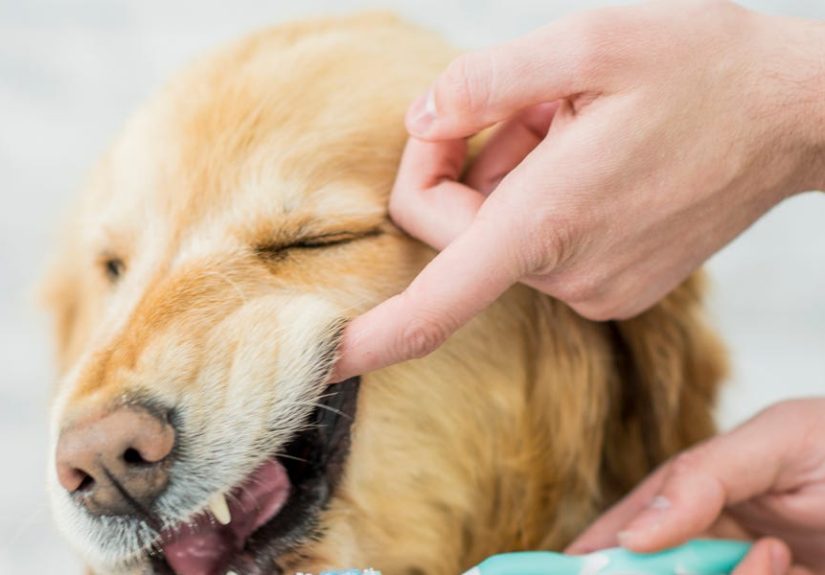
The smartest way to start is not by lunging at your dog with a toothbrush and the energy of a determined dentist. Start small. Let your dog smell the toothpaste. Put a tiny dab on your finger and let her lick it. If she responds like you just offered a fancy snack, congratulations: you have found your opening.
Next, touch the outside of the teeth and gums gently with your finger. Keep it short. Keep it calm. Keep the praise flowing like you are narrating the Westminster finals. After that, you can graduate to a soft brush or finger brush and focus on the outside surfaces of the teeth, especially where the gumline meets the tooth.
Do not chase perfection on day one. You do not need a full cinematic brushing montage. A few calm seconds done consistently are more valuable than one exhausting battle that convinces your dog the toothbrush is a household enemy.
Best beginner tips
- Brush at a calm time, ideally when your dog is relaxed.
- Start with a tiny amount of toothpaste and let your dog taste it first.
- Focus on the outer surfaces of the teeth.
- Use praise, a favorite toy, or a reward after each session.
- Stop before your dog gets too frustrated, so the routine stays positive.
When Toothpaste Alone Is Not Enough
Even the best dog toothpaste is part of a team effort. If your dog already has red gums, heavy tartar, oral pain, bleeding, or trouble eating, do not assume a better toothpaste will solve everything. That is vet territory.
You should also know that brushing helps with plaque, but professional cleanings are still important because problems can develop below the gumline. That is where routine veterinary dental exams matter. If your dog’s mouth already looks irritated, brushing may even be uncomfortable until your veterinarian checks things out.
For dogs who are still warming up to brushing, supportive products can help. Dental chews, water additives, oral gels, and dental diets may reduce plaque and tartar between brushings. The best move is to treat these as backup dancers, not the lead singer. Helpful? Yes. Full replacement for brushing? Not really.
How to Choose the Right Flavor for Your Dog
This might be the most underrated part of the whole process. If your dog lives for chicken treats, start with poultry. If she loses her mind for beef chews, that flavor may be your golden ticket. If your dog has food sensitivities, choose carefully and ask your veterinarian what ingredients make sense for your situation.
Flavor is not fluff in dog toothpaste. Flavor is compliance. And compliance, in dental care, is everything.
The Bottom Line on the Best Dog Toothpaste
If your goal is to find a dog toothpaste your pup might greet with actual enthusiasm, Virbac C.E.T. Enzymatic Toothpaste is the one I would start with. It has the flavor range, the pet-safe design, and the reputation that make it especially appealing for dogs who need a little persuasion. The poultry flavor, in particular, feels less like “oral hygiene product” and more like “tiny savory event.”
That said, the smartest dog owners do not shop on flavor alone. They think about safety, consistency, oral health goals, and whether a VOHC-listed alternative like Petsmile may better fit their priorities. The real win is not finding the trendiest tube. It is finding the one that turns brushing from an argument into a routine.
Because when your dog starts licking the toothpaste before the brush even arrives, you are no longer forcing dental care. You are negotiating with a highly motivated tiny carnivore. And honestly, that is progress.
Owner Experience: What It’s Really Like When Your Dog Finally Likes Toothpaste
The biggest change is not just cleaner teeth. It is the mood shift. Before finding a flavor my pup actually enjoyed, brushing time felt like I was trying to explain taxes to a squirrel. The toothbrush came out, she took one look at it, and suddenly she needed water, a nap, emotional space, and possibly legal counsel. Nothing about the process felt sustainable.
Then I switched the focus from “How do I brush her teeth?” to “How do I make her want to participate?” That was the turning point. The first time I offered a small dab of poultry-flavored dog toothpaste on my finger, she did not recoil. She leaned in. That sounds like a tiny victory, but in dog-parent terms it was basically a parade.
From there, progress came in small, wonderfully unglamorous steps. Day one was just a lick. Day two was another lick and a quick touch along the front teeth. Day three was a little more time on the gumline, followed by praise like she had just discovered cold fusion. I stopped trying to turn every session into a complete dental masterpiece. I aimed for consistency instead.
What surprised me most was how much the toothpaste changed her expectations. Instead of seeing the routine as something being done to her, she began to associate it with something rewarding. She still was not thrilled about the brush itself, but the toothpaste softened the whole experience. It gave me a way in. Suddenly I was not presenting a weird plastic object. I was presenting a snack-adjacent event with a brief brushing cameo.
Another thing I noticed was that keeping sessions short made a huge difference. Two calm minutes beat ten chaotic ones every time. On busy days, I focused on the outer surfaces and called it a win. On calmer days, I did a more complete brushing. That flexibility kept the habit alive, which is the part that actually matters.
The emotional payoff was bigger than I expected. A dog who trusts the routine is easier to handle, less stressed, and more likely to let you check the mouth for issues like redness, odor, or broken teeth. What started as a search for the best dog toothpaste ended up improving the whole rhythm of at-home care.
So yes, the toothpaste mattered because of plaque and tartar and all the sensible health reasons. But it also mattered because it changed the story. Brushing stopped being a showdown and started becoming one more normal part of the day, like clipping on a leash or opening the treat jar. And if your dog is anything like mine, “normal” is exactly the kind of miracle you are hoping for.
Conclusion
The best dog toothpaste is not just the one with the nicest packaging or the fanciest promise. It is the one your dog accepts, the one you will use consistently, and the one that helps make oral care realistic instead of aspirational. For many treat-loving pups, Virbac C.E.T. Enzymatic Toothpaste is the happiest bridge between effective brushing and actual cooperation. Add patience, praise, and a smart routine, and you have a dental-care plan your dog may not love completely, but might finally stop protesting like a tiny furry diva.






 Close
Close