
Table of Contents >> Show >> Hide
- What Is Traditional Decorating?
- Start With Symmetry
- Choose a Timeless Color Palette
- Invest in Classic Furniture Shapes
- Layer Patterns Like a Pro
- Add Architectural Details
- Use Rugs to Ground the Room
- Decorate With Meaningful Accessories
- Focus on Lighting That Feels Warm
- Traditional Decorating Ideas by Room
- Bring in Natural Materials
- Try the New Traditional Look
- Common Traditional Decorating Mistakes to Avoid
- Budget-Friendly Traditional Decorating Ideas
- Personal Experiences With Traditional Decorating and Design Ideas
- Conclusion
Traditional decorating has a reputation for being formal, polished, and occasionally one doily away from asking guests not to touch the sofa. But the best traditional interiors today are not stiff museum rooms. They are warm, layered, personal spaces that borrow from history without living entirely in the past. Think graceful furniture, rich wood tones, tailored upholstery, classic patterns, elegant lighting, and rooms that feel collected over time rather than ordered overnight with a panic-clicked shopping cart.
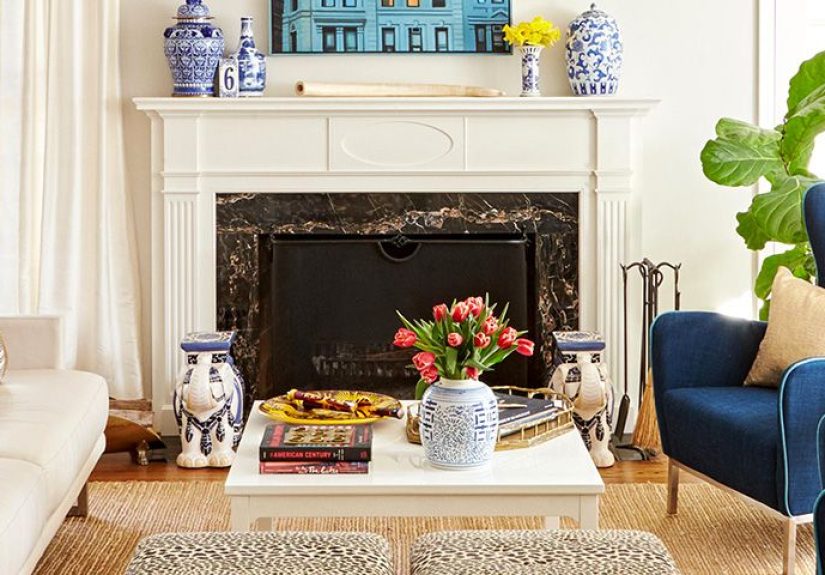
At its heart, traditional interior design is about balance. It favors symmetry, comfort, craftsmanship, and timeless details. A traditional living room might include a pair of matching lamps, a Persian-style rug, a roll-arm sofa, framed art, patterned pillows, and a coffee table that looks like it has hosted both tea and heated family debates. It can be refined, but it should still feel livable. Nobody wants a living room where the pillows seem to have security clearance.
Whether you are decorating a colonial home, updating a suburban house, styling an apartment, or simply trying to make your space feel more grown-up, traditional decorating offers a reliable design language. It works because it is flexible. You can go formal with antiques and chandeliers, relaxed with linen and slipcovered seating, Southern with wicker and blue-and-white ceramics, or “new traditional” with bolder colors, cleaner lines, and a wink of modern art.
What Is Traditional Decorating?
Traditional decorating is a classic design style inspired by European, American, and historic interiors from the 18th and 19th centuries. It often includes detailed wood furniture, symmetrical layouts, layered fabrics, elegant lighting, architectural trim, and a calm but rich color palette. The style values order, history, and comfort, but modern traditional design also welcomes updated finishes, fresh colors, and practical furniture for everyday life.
The magic of traditional design is that it rarely depends on one dramatic trend. Instead, it builds a room through many thoughtful choices: a sturdy dining table, a pair of upholstered chairs, a patterned rug, warm lighting, framed artwork, and accessories that look like they have a story. The result is a home that feels rooted, welcoming, and quietly confident.
Traditional Does Not Mean Outdated
Traditional decorating becomes outdated only when it is treated like a fixed rulebook. Heavy drapes, overly matched furniture sets, and rooms with zero breathing space can make the style feel old-fashioned. A fresher approach uses traditional bones but edits them for modern life. For example, pair a classic camelback sofa with a clean-lined coffee table. Hang botanical prints above a simple console. Use antique brass hardware in a bright kitchen. Add a vintage rug to a room with contemporary lighting. The goal is not to recreate your great-aunt’s parlor exactly, unless your great-aunt had spectacular taste and a generous estate-sale policy.
Start With Symmetry
Symmetry is one of the easiest ways to create a traditional look. It gives a room structure and makes even a casual space feel intentional. In a living room, place matching lamps on either side of a sofa or arrange two chairs facing each other across a coffee table. In a bedroom, use matching nightstands or similar lamps to frame the bed. In an entryway, try a console table with a mirror centered above it and sconces or vases on both sides.
That said, symmetry should not feel robotic. You do not need identical everything. A traditional room can have a balanced pair of chairs, while the side tables differ slightly. You can use two lamps with the same shape but different shades. Balance is the point; cloning is not. Your living room should not look like it was assembled by a very polite copy machine.
Choose a Timeless Color Palette
Traditional interiors often use warm neutrals, soft creams, deep blues, muted greens, burgundy, camel, chocolate brown, charcoal, and jewel tones. These colors feel grounded and elegant without needing to shout. A traditional color palette can be quiet, such as ivory walls with walnut furniture and navy accents, or more dramatic, such as hunter green walls with brass lighting and patterned upholstery.
For a beginner-friendly approach, start with a neutral base and add depth through textiles and accessories. Cream walls, a tan sofa, and wood furniture can become traditional with a blue-and-red Oriental-style rug, pleated lampshades, framed landscapes, and velvet pillows. If you prefer a richer look, consider painting a dining room in deep green, aubergine, or smoky blue. Traditional design loves color when it has a little dignity. Neon orange may need to wait outside.
Best Traditional Color Combinations
Classic combinations include navy and white, cream and camel, sage green and walnut, burgundy and gold, charcoal and ivory, or powder blue with warm wood. Blue-and-white is especially useful because it works in nearly every traditional room, from kitchens to bedrooms to porches. For a softer look, try dusty rose, oatmeal, and antique brass. For a more formal room, combine deep navy, mahogany, and crisp white trim.
Invest in Classic Furniture Shapes
Furniture is the backbone of traditional decorating. Look for pieces with graceful silhouettes, carved details, turned legs, rolled arms, tufting, skirted bases, or rich wood finishes. Popular traditional furniture choices include Chesterfield sofas, wingback chairs, camelback sofas, pedestal dining tables, Windsor chairs, four-poster beds, canopy beds, secretary desks, breakfront cabinets, and upholstered benches.
You do not need a house full of antiques. In fact, too many dark, heavy pieces can make a room feel crowded. Mix one or two substantial traditional pieces with lighter items. A dark wood dining table can look fresh with upholstered end chairs and simple side chairs. A vintage chest can become a bathroom vanity. A formal wingback chair can sit next to a modern floor lamp. Traditional decorating works best when every piece is not trying to be the star of a historical drama.
How to Mix Old and New Furniture
The easiest formula is to combine classic shapes with updated fabrics. Reupholster an old chair in linen, performance velvet, ticking stripe, or a small-scale floral. Pair a traditional sofa with a sleek metal drink table. Use a vintage dresser in a bedroom with crisp white bedding. If a room feels too formal, add something relaxed: a woven basket, a casual throw, a modern painting, or a simple ceramic lamp.
Layer Patterns Like a Pro
Traditional decorating loves pattern. Florals, stripes, plaids, damask, toile, chinoiserie, herringbone, paisley, and small geometric prints all belong in the traditional design family. The trick is to vary scale. Pair a large floral with a narrow stripe. Combine a plaid rug with solid upholstery and small patterned pillows. Use toile wallpaper in a powder room, but balance it with simple trim and unfussy accessories.
A good traditional room often includes at least three layers of pattern: one dominant pattern, one supporting pattern, and one tiny accent. For example, a living room might feature a patterned rug, striped curtains, and floral pillows. A bedroom might include a block-print quilt, gingham shams, and a subtle wallpaper. Pattern makes traditional design feel alive, but editing matters. If every surface is yelling “look at me,” the room starts to feel like a fabric store during a family reunion.
Add Architectural Details
Traditional interiors often rely on architectural elements such as crown molding, wainscoting, chair rails, built-in bookcases, fireplace mantels, paneled doors, ceiling medallions, and substantial baseboards. These details add depth and a sense of permanence. Even a newer home can gain traditional character with simple upgrades.
If your budget is limited, start small. Add picture-frame molding to a dining room wall. Install a classic mantel around a plain fireplace. Replace flat hollow-core doors with paneled doors. Add a ceiling medallion above a chandelier. Use traditional hardware on cabinets. These changes may not sound glamorous, but they are the design equivalent of good tailoring. Suddenly the whole room stands up straighter.
Use Rugs to Ground the Room
A traditional room almost always benefits from a rug. Persian-style, Oriental-style, Aubusson, kilim, wool, jute, sisal, and vintage-inspired rugs can define seating areas and add color, pattern, and texture. In a living room, choose a rug large enough for at least the front legs of the furniture to sit on it. In a dining room, the rug should extend beyond the table so chairs stay on the rug when pulled out.
Layering rugs is another excellent traditional decorating idea. A patterned wool rug over a natural fiber rug creates texture and makes the room feel collected. This is especially helpful in open floor plans, where traditional decorating needs anchors to keep furniture from looking like it is floating across the room in search of purpose.
Decorate With Meaningful Accessories
Traditional decor is not about filling shelves with random objects. It is about choosing pieces that add character: framed family photos, antique books, ceramics, silver trays, candlesticks, blue-and-white ginger jars, landscape paintings, botanical prints, woven baskets, clocks, mirrors, and fresh flowers. A traditional room should look layered, not cluttered.
For shelves, combine books with objects of different heights. Stack two or three books horizontally, place a small bowl on top, then add framed art behind it. Use pairs when you want formality, and odd-numbered groupings when you want a more relaxed look. Leave some empty space. Negative space is not wasted space; it is where the eye takes a little vacation.
Focus on Lighting That Feels Warm
Lighting can make or break traditional decorating. Chandeliers, sconces, table lamps, picture lights, shaded lamps, and lantern-style fixtures all work beautifully. Avoid relying on one harsh overhead light. A layered lighting plan makes a room more flattering, more functional, and much more inviting.
In a living room, use table lamps beside seating, a floor lamp near a reading chair, and possibly sconces or picture lights for artwork. In a dining room, a chandelier should be centered above the table and scaled properly. In bedrooms, lamps with fabric shades create softness. Warm white bulbs are usually more flattering than cool white bulbs, unless your design goal is “elegant hospital corridor,” which, respectfully, is a niche market.
Traditional Decorating Ideas by Room
Traditional Living Room Ideas
A traditional living room should feel polished but comfortable. Start with a sofa in a classic shape, then add two chairs, a coffee table, side tables, lamps, and a large rug. Use pillows to introduce pattern and color. Hang art in balanced arrangements, and consider a mirror above the mantel if the room has a fireplace. Built-in bookcases, even simple ones, instantly support a traditional look.
For a family-friendly version, choose performance fabrics, washable slipcovers, sturdy wood tables, and baskets for storage. Traditional style can absolutely survive children, pets, and snack crumbs. It simply prefers that the crumbs happen on a lovely tray.
Traditional Dining Room Ideas
The dining room is where traditional decorating gets to wear its good shoes. A wood table, upholstered chairs, a sideboard, a chandelier, and framed artwork create a timeless foundation. Add a rug, curtains, and a centerpiece such as a bowl, flowers, or candlesticks. For extra character, use wallpaper or wainscoting. Even a small dining nook can feel traditional with a pedestal table, bentwood or Windsor chairs, and a vintage-style pendant.
Traditional Bedroom Ideas
A traditional bedroom should feel restful, layered, and a little romantic. Consider a four-poster bed, upholstered headboard, or wood bed frame. Add matching or coordinated nightstands, lamps, quality bedding, and a bench at the foot of the bed. Patterns work beautifully here: floral sheets, striped pillows, a quilt, or a subtle wallpaper. Keep the palette soothing, but do not be afraid of depth. Navy, sage, taupe, cream, and warm gray all work well.
Traditional Kitchen Ideas
Traditional kitchens often include shaker cabinets, inset doors, natural stone countertops, bridge faucets, classic tile, warm metals, and wood accents. White kitchens remain popular, but traditional style also welcomes cream, green, blue, taupe, and natural wood. Glass-front cabinets, plate racks, unlacquered brass hardware, and pendant lights add charm. If a full renovation is not happening, update cabinet pulls, add a runner, display pretty dishes, or bring in a small antique table.
Traditional Bathroom Ideas
For a traditional bathroom, consider marble, mosaic tile, polished nickel, brass, pedestal sinks, framed mirrors, and classic sconces. A clawfoot tub is beautiful if space allows, but it is not required. Wallpaper can make a powder room unforgettable, especially in floral, stripe, or chinoiserie patterns. Add plush towels, a small stool, framed art, and a tray for toiletries. Yes, even your toothpaste deserves a little dignity.
Bring in Natural Materials
Traditional decorating depends on materials that age well: wood, wool, linen, cotton, stone, leather, brass, iron, ceramic, and glass. These materials add texture and authenticity. A wooden chest, linen drapes, wool rug, marble lamp, or leather chair can make a room feel substantial without feeling flashy.
Natural materials also help traditional design feel less staged. They develop patina over time, which is one reason antiques and vintage finds work so well. A small scratch on a wood table is not always a disaster. Sometimes it is just proof that the house is alive and someone once lost a battle with a serving platter.
Try the New Traditional Look
New traditional design keeps the best parts of classic decorating but makes them lighter, fresher, and more personal. It might include traditional furniture with modern art, antique pieces with bold paint, a classic sofa with unexpected pillows, or a formal dining room with relaxed woven chairs. This approach is ideal for people who love timeless interiors but do not want a room that feels too serious.
To create a new traditional room, keep the layout balanced and the furniture classic, then add one or two surprises. Try a contemporary lamp on an antique chest. Use a bright lacquered mirror above a traditional console. Choose a classic wallpaper in an updated color. Mix heirloom pieces with clean-lined upholstery. The room should feel familiar but not predictable.
Common Traditional Decorating Mistakes to Avoid
Buying a Matching Furniture Set
Matching sets can make a room feel flat. Traditional decorating is more interesting when pieces look collected. Coordinate wood tones and shapes, but do not force every item to match perfectly.
Using Too Many Heavy Pieces
Dark wood is beautiful, but too much of it can weigh down a room. Balance heavy furniture with lighter upholstery, mirrors, glass, painted pieces, and soft textiles.
Forgetting Comfort
A traditional room should not feel untouchable. Choose sofas and chairs people actually want to sit in. Add throws, good lighting, and tables within reach. Beauty is wonderful, but a living room also needs a place to put coffee.
Overdecorating Every Surface
Traditional style is layered, but it still needs editing. If every table has six objects, three books, two candles, and a mysterious ceramic bird, the room may need a pause. Keep the best pieces and rotate seasonal accents.
Budget-Friendly Traditional Decorating Ideas
You do not need a grand estate or a grand budget to decorate traditionally. Start with secondhand furniture, vintage mirrors, thrifted lamps, framed prints, used books, and affordable rugs. Paint can also transform a room quickly. A deep wall color, crisp trim, or painted furniture piece can create traditional character without a major renovation.
Look for quality shapes, not perfect finishes. A scratched wood dresser can be polished or painted. A dated chair can be reupholstered. A basic lamp can get a pleated shade. A plain room can gain instant charm from curtains hung high and wide. Traditional decorating rewards patience, which is excellent news for anyone whose decorating budget arrives in tiny monthly installments.
Personal Experiences With Traditional Decorating and Design Ideas
One of the biggest lessons I have learned from traditional decorating is that a room rarely becomes beautiful in one dramatic afternoon. Traditional style is more like building a good wardrobe. You start with the essentials, add pieces slowly, and eventually realize that the room has developed a personality. The mistake many people make is trying to buy the entire look at once. That often creates a space that feels staged instead of lived in.
A practical example is the living room. Many homeowners begin with a neutral sofa because it feels safe, then worry that the room looks boring. The traditional solution is not necessarily to replace the sofa. It is to layer around it. Add a patterned rug, wood side tables, lamps with fabric shades, a few framed prints, and pillows in classic patterns. Suddenly the plain sofa becomes part of a larger story. It is like giving the room a supporting cast instead of forcing one piece of furniture to perform a solo.
Another experience that comes up often is the power of one antique or vintage piece. A room full of brand-new furniture can look attractive, but it may lack depth. Add an old chest, a weathered mirror, a vintage side chair, or a set of framed botanical prints, and the room immediately feels more grounded. The piece does not have to be expensive. In fact, some of the best traditional decorating finds come from estate sales, thrift shops, family storage rooms, and online marketplaces. The trick is to look for good lines, solid construction, and details that feel special.
Traditional decorating also teaches restraint. It is tempting to fill every corner, especially when working with accessories. But the most elegant traditional rooms usually have a rhythm: a decorated surface here, a quiet wall there, a strong piece of furniture balanced by a simple chair. When everything is important, nothing gets noticed. Leaving space around beautiful pieces makes them look intentional rather than abandoned in a decorative traffic jam.
In bedrooms, the experience is often more emotional. Traditional design works beautifully because it creates comfort through softness and repetition. Matching lamps, layered bedding, curtains, a rug underfoot, and a real headboard can make a bedroom feel finished. Even small changes matter. Replacing a too-small rug, adding tailored bed pillows, or swapping a bare bulb for a shaded lamp can shift the room from temporary to restful.
The best traditional homes also reflect the people who live there. A framed recipe from a grandmother, a shelf of travel books, a dining table with old family chairs, or a collection of blue-and-white dishes can mean more than the trendiest purchase. Traditional decorating is not about pretending to live in another century. It is about honoring memory, comfort, and craftsmanship while making room for today’s routines. A laptop can sit on an antique desk. Sneakers can wait under a carved bench. A dog can nap on a classic rug. That is the sweet spot: timeless, personal, and relaxed enough for real life.
Conclusion
Traditional decorating and design ideas remain popular because they offer something many homes need: warmth, structure, beauty, and a sense of permanence. This style does not chase every trend or demand perfection. Instead, it invites you to create rooms with classic furniture, layered textiles, meaningful accessories, balanced layouts, and materials that improve with age.
The most successful traditional interiors feel collected, not copied. They combine symmetry with comfort, polish with personality, and history with modern convenience. Whether you begin with a vintage rug, a pair of lamps, a fresh wall color, or one wonderful antique chest, each choice can help your home feel more grounded and graceful. Traditional design is not about living in the past. It is about borrowing the best parts of the past and making them comfortable enough for Tuesday night takeout.







 Close
Close