
Table of Contents >> Show >> Hide
- What Is a Two-Bowl Fireclay Apron Sink, Exactly?
- Why Choose Fireclay for a Farmhouse Sink?
- Why Go for a Two-Bowl Layout?
- Pros and Cons of a Two-Bowl Fireclay Apron Sink
- Choosing the Right Two-Bowl Fireclay Apron Sink
- Installation and Maintenance Tips
- Is a Two-Bowl Fireclay Apron Sink Right for You?
- Real-Life Experiences with Two-Bowl Fireclay Apron Sinks
- Conclusion
If you’ve ever scrolled through kitchen inspo photos and thought, “Why does everyone else’s sink look like it has its life together?”, you were probably looking at a fireclay apron-front sink. And if you saw a beautiful white farmhouse sink with two generous basins and a front that proudly shows off like a smile, that’s our star today: the two-bowl fireclay apron sink.
This sink isn’t just pretty. It’s a serious workhorse, built to handle piles of dishes, heavy cast-iron pots, and the occasional “oops, I dropped a pan” moment. Let’s walk through what makes a two-bowl fireclay apron sink special, what to watch out for, and how to know if it’s the right fit for your kitchen.
What Is a Two-Bowl Fireclay Apron Sink, Exactly?
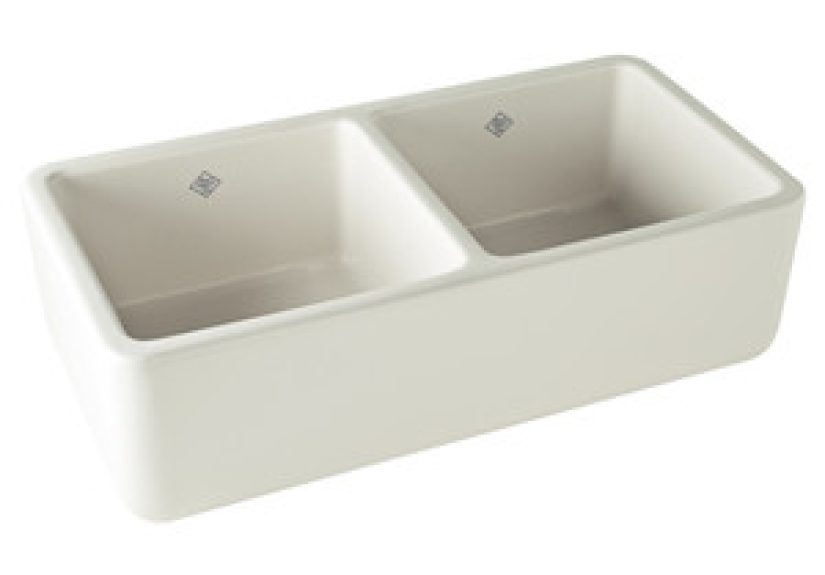
A two-bowl fireclay apron sink (often called a double-bowl fireclay farmhouse sink) combines three key ideas:
- Fireclay material – a special blend of clay and glaze fired at extremely high temperatures for a dense, non-porous, and very durable surface.
- Apron-front (farmhouse) style – the front of the sink is exposed and extends slightly past the cabinets, becoming a design focal point.
- Two separate bowls – the basin is divided into two sections, usually equal or slightly offset, for multitasking.
Because fireclay is molded and then fired at temperatures often over 1600°F, the finished sink is very hard, resistant to stains, and designed to hold up to daily use without absorbing liquids or odors. The glossy finish gives you that classic white farmhouse look but with more durability than many traditional porcelain or ceramic sinks.
Why Choose Fireclay for a Farmhouse Sink?
If you’re trying to decide between stainless steel, cast iron, composite, or fireclay, here’s why fireclay keeps showing up in “best farmhouse sink” lists:
1. Durability and Everyday Toughness
Fireclay is known for its ability to handle daily abuse. The high-temperature firing process fuses the glaze and clay into a single, dense surface. That means:
- Resists chips, cracks, and scratches under normal use.
- Tolerates hot pans and boiling water better than many other white sink materials.
- Non-porous surface helps prevent stains from coffee, wine, tomato sauce, and other colorful kitchen hazards.
Is it indestructible? No. Drop a cast-iron skillet from height, and you might chip any sink. But compared to typical porcelain, fireclay is impressively tough.
2. Classic Style That Doesn’t Age Out
A white fireclay apron sink has “timeless” written all over it. It plays nicely with:
- Modern farmhouse kitchens with shaker cabinets and black hardware.
- Traditional or cottage-style spaces with warm woods and soft colors.
- Clean, minimal kitchens where the sink becomes a subtle showpiece.
The exposed apron gives your cabinetry a custom, built-in look and visually anchors the whole kitchen. And because fireclay is usually available in classic whites and sometimes soft neutrals or black, it’s easy to pair with a wide range of countertop materials.
3. Hygiene and Easy Cleaning
Fireclay sinks have a smooth, glassy, non-porous surface. That makes them:
- Resistant to bacteria and odor absorption.
- Easy to wipe clean with mild soap and a soft sponge.
- Less likely to hang on to stains if you rinse regularly.
Most of the time, a quick soapy wipe and a rinse are all you need. For more stubborn marks from metal pans, a gentle non-abrasive cleaner or baking soda paste usually does the trick.
Why Go for a Two-Bowl Layout?
Single-bowl farmhouse sinks are trending, but the two-bowl fireclay apron sink still has a devoted fan clubfor good reasons.
1. Multitasking Like a Pro
With two bowls, you can:
- Soak dishes or pots in one side while rinsing vegetables in the other.
- Designate one bowl for “clean tasks” (produce, handwashing) and the other for “dirty tasks” (soaking, scrubbing).
- Use one side with a colander or drying rack while keeping the other free.
If your kitchen is a busy place, a two-bowl layout keeps chaos under control and helps the sink function as a workstation, not just a catch-all.
2. Flexible Bowl Configurations
Many two-bowl fireclay apron sinks come in different configurations:
- 50/50 split – two equal bowls, great for general-purpose use.
- 60/40 or 70/30 split – one larger bowl for big pots, one smaller bowl for prep or rinsing.
- Low divider – a center divider that’s shorter than the sink walls, allowing you to wash oversized pans more easily.
Think about your habits: if you wash lots of big sheet pans, a larger primary bowl or a low divider can be a game-changer.
Pros and Cons of a Two-Bowl Fireclay Apron Sink
Key Advantages
- Durability: Fireclay is extremely strong and resistant to heat, stains, and everyday wear.
- Non-porous surface: Helps reduce odors and staining and is easy to wipe clean.
- Visual impact: The apron-front design creates a high-end, custom look.
- Double-bowl flexibility: Ideal for multitasking and separating tasks in a busy kitchen.
- Comfortable reach: The apron-front design brings the sink slightly closer, reducing the need to lean over the counter.
Potential Drawbacks
- Weight: Fireclay sinks are heavy. Cabinets often need added support and careful installation.
- Cost: Quality fireclay apron sinks are usually more expensive than basic stainless steel options.
- Possibility of surface marks: Metal pots can leave gray marks on the glaze (these usually clean off but can be annoying).
- Cabinet modifications: For an apron-front sink, your base cabinet may need to be sized or cut to fit correctly.
- Less “give” than metal: If you drop a dish or glass in a hard sink, it’s more likely to break than in a stainless steel basin.
None of these are deal-breakers, but they’re important to understand before you fall in love with a glossy catalog photo.
Choosing the Right Two-Bowl Fireclay Apron Sink
1. Size and Cabinet Compatibility
Most farmhouse sinks range from about 30 to 36 inches wide, though there are smaller and larger options. Before you buy, confirm:
- Your base cabinet width matches the sink manufacturer’s requirements.
- You have enough interior cabinet depth and height to accommodate the bowls.
- The sink’s apron height works with your cabinet design and countertop thickness.
Many homeowners discover too late that their dream sink needs cabinet modifications. Double-check measurements early to avoid “surprise carpentry.”
2. Bowl Split and Depth
Ask yourself:
- Do you want two identical bowls, or one primary and one secondary?
- How often do you wash large pots, pans, and baking sheets?
- Do you prefer a low-divider design so you can still fit oversized items across both bowls?
Deeper bowls give you more vertical space but may require a little bending. If you’re taller or shorter than average, think about ergonomicsnot just aesthetics.
3. Color and Finish
White is the classic choice for fireclay apron sinks, but some manufacturers offer:
- Soft off-whites and creams to pair with warmer cabinetry.
- Matte or glossy blacks for dramatic, modern contrast.
- Occasional gray or soft neutral tones.
Match your sink to your counters, not just your cabinets. Pure white sinks can pop beautifully against dark countertops, while warmer whites may play better with marble or quartz that has creamy veining.
4. Accessories and Add-Ons
To protect the fireclay surface and improve functionality, look for:
- Bottom grids to reduce metal marks from pots and pans.
- Colanders, cutting boards, and drying racks that fit the sink dimensions.
- Strainers and basket drains compatible with your plumbing setup.
These small additions can dramatically improve how the two-bowl layout works day to day.
Installation and Maintenance Tips
Installation Considerations
- Support frame: Because fireclay sinks are heavy, they usually require a strong support frame inside the cabinet.
- Professional installation: For apron-front sinks, it’s often worth hiring a pro to cut the cabinet face and set the sink properly.
- Countertop coordination: The sink typically sits slightly under or flush with your countertop. Planning the reveal (how much of the sink rim shows) matters for both function and appearance.
Daily Care
Fireclay apron sinks aren’t high-maintenance, but a few habits keep them looking new:
- Rinse food debris after use so it doesn’t dry on the surface.
- Avoid harsh abrasives or steel wool; use gentle cleaners and non-scratch sponges.
- Use a bottom grid if you regularly handle heavy pots or cast iron.
- For gray marks from metal, use a non-abrasive cleaner or baking soda paste and a soft cloth.
If you treat it kindly, a fireclay sink can look almost the same years down the road as it did on installation day.
Is a Two-Bowl Fireclay Apron Sink Right for You?
This style of sink shines in kitchens where:
- You cook frequently and need separate zones for prep and cleanup.
- You love a classic farmhouse look and want the sink to be a focal point.
- You’re willing to invest in quality and professional installation.
- You prioritize durability, hygiene, and an easy-to-clean surface.
If you prefer a super sleek, ultra-modern kitchen with minimal visual emphasis on the sink, or you’re working with a tight budget and basic cabinets, a different material or style might make more sense. But if you want that “magazine kitchen” feeling plus real-world functionality, a two-bowl fireclay apron sink is hard to beat.
Real-Life Experiences with Two-Bowl Fireclay Apron Sinks
Beyond the specs and sales pages, how does a two-bowl fireclay apron sink feel in everyday life? Let’s talk real-world experiences and small details you only notice after living with one for a while.
1. The “Why Didn’t I Do This Sooner?” Moment
Many homeowners share that the biggest surprise is not how the sink looks, but how it changes the flow of the kitchen. With two deep bowls, you can keep one side loaded with soaking dishes while the other stays open for constant use. That means no more clearing the entire sink just to rinse vegetables or fill a stockpot. It’s a subtle shift that makes the kitchen feel more organized, especially during busy nights or holiday cooking.
One common comment: “My counters look less chaotic now.” Because the sink can hold more, you’re less likely to stack dishes all over the place. The apron-front design also brings the sink a little closer to you, which makes longer cleanup sessions easier on your back and shoulders.
2. The Relationship Between Sink and Dishes
Here’s the honest truth: the sink usually wins. Fireclay is tough; your wine glasses and ceramic mugs, not so much. People often report breaking a few more glasses in a hard sink versus a stainless steel one. That’s where a bottom grid becomes a hero accessory. It adds a subtle cushion, keeps items off the base of the sink, and reduces metal marks from pans.
On the flip side, the durability means you don’t have to baby the sink. You can drag a heavy Dutch oven across the bowl, rest hot pans in one side while you rinse in the other, and scrub without fear of instantly ruining the finish. For many, that peace of mind outweighs the occasional broken mug.
3. Living with White (and Keeping It White)
People often worry about a white sink showing everything. The reality? Yes, it does show more, but that can be a good thing. You’ll notice coffee stains or tomato sauce splashes quicklyand they usually rinse out easily with a bit of soap. Some owners say their previous sinks “hid the dirt,” while a white fireclay sink encourages quick wipe-downs that keep the whole kitchen feeling fresher.
Those gray marks from pots and pans can be a little annoying the first time you see them. But most users also quickly discover that a gentle cleaner or baking soda usually removes them without drama. The key is to avoid panic and resist reaching for harsh abrasives; they’re not necessary and can dull the finish over time.
4. The Social Factor: A Focal Point Guests Notice
There’s something about an apron-front fireclay sink that people comment on. Guests often say things like, “Wow, I love your sink,” even before they notice your backsplash or cabinet hardware. The large, visible front feels custom and intentional, like a piece of furniture built into your kitchen.
If you enjoy hosting, that two-bowl layout also comes in handy when multiple people are helping. Someone can rinse salad greens in one side while another person handles dishes or fills water glasses in the other. The sink turns into a mini command center for the kitchen, and the farmhouse style makes it feel warm and inviting rather than purely utilitarian.
5. Long-Term Satisfaction and Resale Value
Homeowners who have lived with a two-bowl fireclay apron sink for years frequently say they’d choose it again. The combination of durability, classic style, and practical layout holds up well over time. It doesn’t feel trendy in a way that will date your kitchen; instead, it adds a sense of permanence and quality.
From a resale perspective, a well-chosen farmhouse sink can be a subtle upgrade that buyers notice. It signals that the kitchen was thoughtfully designed and not just “builder basic.” While no single sink guarantees a higher selling price, elements like a fireclay apron-front sink contribute to that overall “this kitchen feels high-end” impression that helps homes stand out.
In short, living with a two-bowl fireclay apron sink feels like having a stylish, reliable teammate in your kitchen: it works hard, looks great, and quietly makes everyday tasks a little smoother and more enjoyable.
Conclusion
A two-bowl fireclay apron sink blends timeless farmhouse style with serious functionality. It’s tough enough to handle daily cooking, elegant enough to be the focal point of your kitchen, and smartly designed for multitasking. Yes, it requires a bit more planning and investment than a basic sinkbut for many homeowners, the payoff in convenience, aesthetics, and long-term durability is absolutely worth it.
If you’re dreaming of a kitchen that feels both beautiful and hardworking, a two-bowl fireclay apron sink might be the upgrade that quietly transforms how you cook, clean, and live in your space.







 Close
Close